
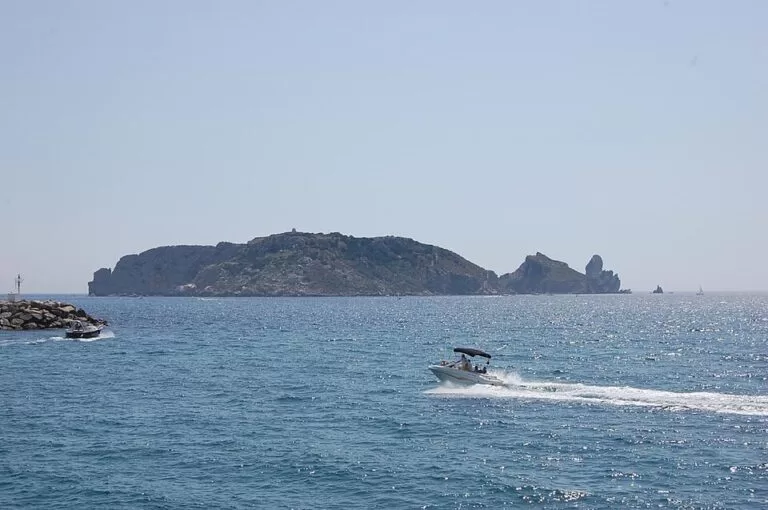
The Illes Medes (Medes Islands) are a group of seven islets about 1.6 km off the harbour of L’Estartit, in the municipality of Torroella de Montgrí. The land is a full nature reserve that you may not set foot on without the park’s permission, so most people see the islands from a boat or under water. The sea around them has been closed to fishing since 1983 and is one of the best-known dive areas in the Mediterranean. The islands suit divers, snorkellers and anyone who wants a boat trip along a protected coast. Skip them if you want to land, picnic or swim from a beach on the islands.
Quick facts
- Names: Illes Medes in Catalan, Islas Medas in Spanish. The two largest islets are the Meda Gran and the Meda Petita.
- Where: off L’Estartit, Torroella de Montgrí (Baix Empordà, Girona), Costa Brava. About 1.6 km in a straight line from the Port de l’Estartit to the Meda Gran.
- Coordinates: 42.0474, 3.2222 (Meda Gran). L’Estartit harbour: 42.0529, 3.2041.
- Size: the land of the islands is a full nature reserve of 22.94 ha. The marine reserve around them covers 100.56 ha, with a further 418.42 ha of buffer zone (park figures).
- Protection: fishing ban since 25 November 1983; part of the Parc Natural del Montgrí, les Illes Medes i el Baix Ter since 2010.
- Landing: not allowed without authorisation from the park.
- Park office: Passeig del Port s/n, Espigó de Llevant, L’Estartit. Tel. 972 75 17 01.
Access and the harbour
All trips to the islands start from the Port de l’Estartit, home of the Club Nàutic l’Estartit. The park office, which handles diving authorisations, is on the eastern breakwater (Espigó de Llevant) of the same harbour.
By car: the park’s access page points drivers to exit 9A of the AP-7 for Torroella de Montgrí and L’Estartit.
By public transport: the nearest railway stations are Girona, Flaçà and Figueres. From there, buses run by Moventis-Sarfa and AMPSA-Gironabus serve the towns of the park (park access page).
Parking: we could not confirm parking at the harbour or its prices, so check locally.
What to expect
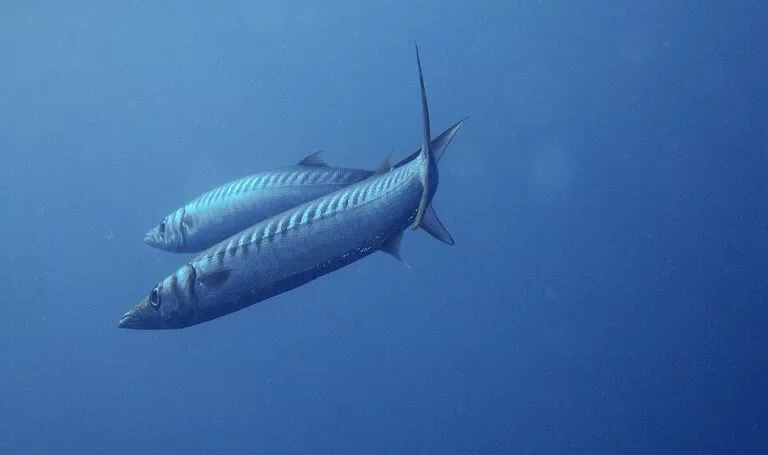
The park describes the islands as seven islets with cliffs that drop to a depth of 50 m under water. The cliffs are cut by tunnels and caves. Posidonia seagrass meadows grow around them, and coralline, violescent sea-whip and red coral appear from about 15 m down. The dusky grouper is the symbol of the islands. You may also see barracudas, eagle rays, croakers and, now and then, bottlenose dolphins (park guide, English).
Above water, yellow-legged gulls and herons are the main residents, with shags, peregrine falcons and swifts. The islands keep a lighthouse from 1868, since renovated.
The park says the best ways to discover the islands are by boat and by diving. In practice:
- A boat trip from L’Estartit. The park guide names boat trips to the islands and the Montgrí coast as a highlight and says L’Estartit is the departure point. Commercial listings describe glass-bottom boat trips from the port, but we could not open the town’s tourist office page to confirm current operators, times or prices.
- Snorkelling or diving with an authorised centre. In 2024 the park listed 14 centres authorised to take people snorkelling and diving in the marine reserve (park list).
- A park-led visit to the Meda Gran. Landing is possible only with the park. In autumn 2026 the park’s “Apropa’t al Parc” programme ran a free trip by boat and on foot to the Meda Gran. It was for people over 65 only, left the L’Estartit quay at 10:00 on 26 November and had to be booked on 972 75 17 01 (park agenda, checked November 2026).
Rules in the reserve
The 2010 park law made the land of the islands a full nature reserve and the sea around them a partial marine reserve. In the marine reserve, sailing, anchoring and diving are regulated, and taking any living resource is prohibited. The park’s own rules and advice for divers include:
- Diving authorisations are handled by the park office at the harbour.
- Recreational diving is not allowed beyond 30 m or in caves where daylight is lost.
- Go with a guide. The park says guided dives cause up to 6.5 times less impact.
- Do not touch or feed the animals, and do not shine a torch or flash straight into their eyes.
- In caves, go in small groups and stay only a short time. Your air bubbles harm the animals that live on the ceiling.
- Do not anchor on Posidonia seagrass. Use the mooring buoys where they are provided.
The park lists 13 named dive sites in the marine reserve, such as Carall Bernat, La Vaca and Tascó Gros (park underwater routes). We could not confirm current diving fees or daily limits on diver numbers on an official page. Ask your dive centre or the park office.
Accessibility and safety
There is no step-free way onto the islands, because landing is not allowed. A boat trip is the only option for people who cannot dive or snorkel. We could not confirm wheelchair access on any of the tour boats. Cave diving here needs special training and equipment. The park warns: do not enter unknown caves, never go through narrow holes, and remember that getting out can be much harder than getting in. Sea rescue: 900 202 202 or VHF channel 16. Emergencies: 112. The nearest hyperbaric chamber is at Palamós Hospital, C/ Hospital 36, tel. 972 60 01 60 (park diving leaflet).
Best time to visit
We could not find official dates for the boat-trip or diving season, so check with operators before you travel. Boat trips and dives depend on wind, current and visibility. On land, note that motor access to the Montgrí massif closes from 16 June to reduce fire risk.
Nearby alternatives
- Begur, 10.4 km away: a hilltop town with coves below it, south across the Baix Ter plain.
- Iberian Town of Ullastret, 12.7 km away: the remains of an Iberian settlement inland.
- Empúries, 12.9 km away: Greek and Roman ruins by the sea at L’Escala, on the far side of the Montgrí.
- Aiguamolls de l’Empordà Natural Park, 21.4 km away: wetlands for birdwatching on the Bay of Roses.
Distances are in a straight line from the Meda Gran.
FAQ
Can you land on the Medes Islands?
Not on your own. The land of the islands is a full nature reserve, and nobody may go ashore without authorisation from the park. The park sometimes runs guided visits to the Meda Gran; in November 2026 one was offered to people over 65.
How far are the islands from L’Estartit?
About 1.6 km in a straight line from the Port de l’Estartit to the Meda Gran. Coordinates of the Meda Gran: 42.0474, 3.2222.
Do I need a permit to dive at the Illes Medes?
Diving in the marine reserve is regulated, and the park office in L’Estartit handles diving authorisations. Most visitors dive with one of the centres the park authorises. Recreational diving is not allowed below 30 m or in caves where daylight is lost.
Can I fish or anchor near the islands?
No fishing: taking any living resource from the marine reserve has been banned since 1983. Anchoring is regulated, and the park asks boaters never to anchor on Posidonia seagrass and to use the mooring buoys.
Can I see the islands without diving?
Yes. Boat trips leave from L’Estartit harbour, and some sellers advertise glass-bottom boats. Check the current operators at the port, because we could not confirm them on an official page.
Sources and freshness
Checked 6 November 2026 · 9 sources Show
Checked 6 November 2026. Official: Parc Natural del Montgrí, les Illes Medes i el Baix Ter (Generalitat de Catalunya): key data, history of protection, getting there, responsible diving, anchoring, facilities, the English park guide and the diving leaflet. The L’Estartit tourist office site could not be opened. Location and distances: OpenStreetMap contributors (ODbL). Photos: Wikimedia Commons, licences as credited.
This place is part of our Costa Brava travel guide: Cadaqués, the Palafrugell coves and Tossa de Mar — see every town, beach and cove we have mapped on that coast.
How this page is made. CostaMap is written with an AI editorial system run by Ebizapple. This page is based on the sources listed above. Last updated 6 November 2026. Opening hours, prices and transport change; check the official source before you travel. How we work · Partner links and ads