
Columbretes Islands (Illes Columbretes)
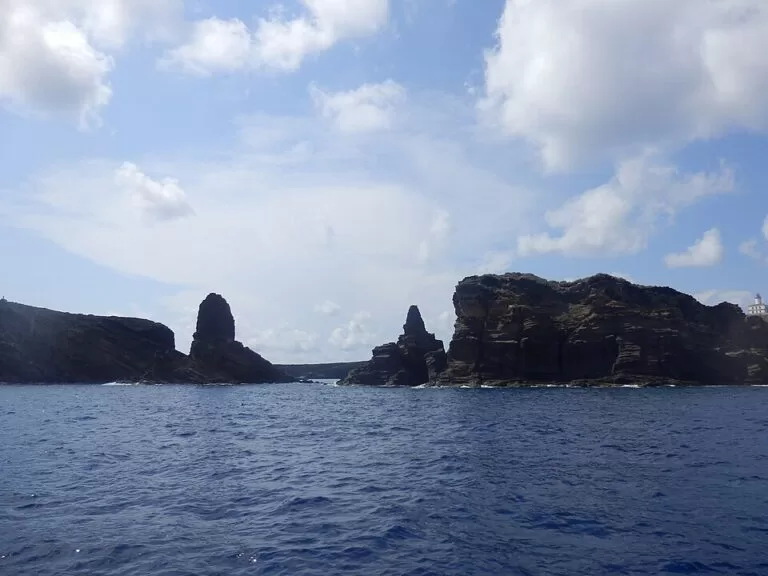
IslandThe Columbretes Islands (Illes Columbretes) are a small group of volcanic islets in the open Mediterranean, about 48 km off the coast of Castellón province and some 57 km in a straight line from the port of Castelló de la Plana, which they belong to. They are a nature reserve and marine reserve with no inhabitants, and only the largest islet, Illa Grossa, can be visited: you get there on a day trip by boat from El Grau de Castelló, about two hours each way. It suits people who like wildlife, snorkelling and diving and do not mind a long day at sea; skip it if you get seasick or want a beach.
Quick facts
- Names: Columbretes Islands in English, Illes Columbretes (or Les Columbretes) in Valencian, Islas Columbretes in Spanish. The name goes back to the Latin coluber, snake (English Wikipedia).
- Where: off the Costa del Azahar; the regional tourist board puts them 48 km from the coast of Castellón province, and a boat operator 30 miles from Castelló port. Administratively part of the municipality of Castelló de la Plana.
- Coordinates (Illa Grossa): 39.8970, 0.6833.
- Main islets: Illa Grossa, Illa Ferrera, Illa Foradada and Illa Carallot (Comunitat Valenciana).
- Size: about 0.19 km² of land in all; the highest point is 67 m above sea level (English Wikipedia).
- Protection: the islands were declared a natural park by the Valencian government in 1988 (Decree 15/1988 of 25 January) and later reclassified as a nature reserve under the Valencian protected areas law of 27 December 1994; the surrounding waters became a state marine reserve by an order of 19 April 1990 (BOE, BOE).
- Visitable: Illa Grossa only; the other islets are too fragile (Comunitat Valenciana).
- Information centre: in the Planetari de Castelló, Paseo Marítimo 1, El Grau de Castelló.
Getting there
There is no public ferry. You go with a private boat company from the port of Castelló. The regional tourist board lists two trips by Charters Casamar from the Real Club Náutico de Castellón, both available all year (checked November 2026):
- Day visit to the natural park, 160 euros: departure at 7:45 am, about two hours at sea, arrival at Illa Grossa around 10:30 am. The operator requests the landing visit; after the guided tour there is time to swim and snorkel in Port Tofiño, the bay of Illa Grossa. Around 1 pm the boat sails about 20 minutes to the islet of La Foradada (La Horadada) for a swim in open water, lunch is served around 2 pm, and the boat is back in port around 6:30 pm. Breakfast, a snack, a paella lunch, drinks and snorkel gear are included (Comunitat Valenciana).
- Two dives in the marine reserve, 135 euros: for certified divers, departure at 8 am and return around 6:30 pm; the transfer, two guided dives, tanks, weights, drinks and fruit are included, with equipment hire and meals at extra cost (Comunitat Valenciana).
Prices and times are as listed by the regional tourist board in November 2026; confirm them with the operator when you book. Other operators also run trips. The tourist board’s Castelló page advises checking the access conditions of the reserve first and then contacting one of the local operators (Comunitat Valenciana).
To the port: the Real Club Náutico is in the port of El Grau de Castelló, about 5 km in a straight line from Plaça Major in the city centre (OpenStreetMap). The Planetari, with the islands’ information centre, is on the seafront about 1 km north of the club.
What to expect
The islands are the remains of volcanoes. Illa Grossa, by far the largest, stands on part of an old crater and has a half-moon shape around its bay (English Wikipedia). The only buildings are a 19th-century lighthouse, a jetty and quarters for the staff of the reserve. People settled on the island when the lighthouse was built around 1856–1860 (Comunitat Valenciana); the lighthouse is now automatic, and only the reserve’s wardens and biologists live there.
Ancient writers called the islands Ophiusa and Colubraria, for the snakes that lived there. The settlers burned the scrub and brought in pigs, and the vipers were extinct by the end of the 19th century (English Wikipedia).
Wildlife: the islands hold one of the most important colonies of Audouin’s gull in the world and one of Spain’s main stable populations of Eleonora’s falcon, and they are a resting point for migrating birds in spring and autumn. A dark lizard, Podarcis atratus, lives only here (English Wikipedia). Under water, the boat operator describes lava canyons, large groupers and lobsters.
Practical details
- Landing is not guaranteed: the operator says the landing depends on the state of the sea.
- Food and drink: there is nothing to buy on the islands. On the day trip, meals are taken on board.
- On board: the day-trip boat lists a microwave, coffee machine, two toilets and a fresh-water shower.
- Rules: it is a nature reserve. Stay with the guide on Illa Grossa and take everything back with you. The park says the landing visit is free and always guided or accompanied by reserve staff, with set times and a daily and monthly cap on visitors under its 2026 public-use resolution; visits are only allowed from two hours after sunrise to two hours before sunset, and you may not eat or smoke on land (Parques Naturales GVA). The guided route from the Port Tofiño jetty to the lighthouse is 1.4 km there and back, takes about 1 hour 30 minutes and climbs 67 m (Parques Naturales GVA).
- Before you go: the information centre in the Planetari de Castelló has an exhibition room about the islands and about fishing (Comunitat Valenciana). The park can be reached at parque_columbretes@gva.es.
Accessibility and safety
This is a long day in open water, roughly 11 hours from departure to return, with about two hours each way. The crossing can be rough, so take seasickness tablets if you need them, and sun protection for a day on deck. Landing is by boat at a jetty and the visit is on foot over rough ground, so it does not suit visitors with reduced mobility. Divers must hold a certification and should check the minimum level with the dive operator.
Best time to visit
Calm, settled weather matters more than the season, because the landing depends on the sea. The operators list their trips as available all year. Spring and autumn are the migration seasons, when birds rest on the islands. Book ahead and keep a spare day: a trip can be called off or the landing cancelled if the sea is rough.
Nearby alternatives
- Castelló Co-Cathedral, 62 km away: the Gothic co-cathedral and El Fadrí tower in the city the islands belong to.
- Oropesa del Mar, 51 km away: the nearest town on the mainland, with beaches on both sides of its cape.
- Benicàssim, 56 km away: beaches, the seafront villas and its railway station.
- Serra d’Irta, 55 km away: the wild coast and marine reserve between Peñíscola and Alcossebre.
- Desert de les Palmes Natural Park, 59 km away: the pine-covered hills and Carmelite monastery behind Benicàssim.
Distances are in a straight line from Illa Grossa.
FAQ
How do I get to the Columbretes Islands?
By private boat from the port of Castelló. Charters Casamar lists a day visit from the Real Club Náutico de Castellón at 160 euros, leaving at 7:45 am and returning around 6:30 pm (checked November 2026). There is no public ferry.
Can you visit the Columbretes Islands?
Yes, but only Illa Grossa, on a guided visit that the boat operator arranges. The other islets cannot be visited. The landing depends on the state of the sea.
How far are the Columbretes from the coast?
The regional tourist board says 48 km from the Castellón coast; a boat operator gives 30 miles from Castelló port, about two hours by boat.
Can you dive at the Columbretes?
Yes, with an operator. Charters Casamar lists two guided dives in the marine reserve for certified divers at 135 euros (checked November 2026).
Where can I learn about the islands without going?
At the Planetari de Castelló in El Grau, which houses the information centre of the Columbretes reserve, with an exhibition room about the islands.
Sources and freshness
Checked 7 November 2026 · 13 sources Show
Checked 7 November 2026. Official: Comunitat Valenciana (regional tourist board) on the Columbretes Islands nature reserve (distance, islets, lighthouse, information centre), the day visit and dive trip listings (prices, times, inclusions), the Planetari de Castelló and Castelló de la Plana. Background: English Wikipedia and Spanish Wikipedia (size, height, history, wildlife, protection dates). Natural park (Generalitat Valenciana): getting there and visit rules, Illa Grossa route, presentation. Legal dates: BOE order of 19 April 1990 (marine reserve) and the 1997 State–Generalitat agreement in the BOE (natural park 1988, reclassified as a nature reserve by Law 11/1994). Corrected 9 November 2026: protection dates (natural park 1988, marine reserve 1990, nature reserve under the 1994 law; the earlier “1990 or 1995” note was wrong) and visit rules from the park’s own pages. Location and distances: OpenStreetMap contributors (ODbL). Photos: Wikimedia Commons, licences as credited.
How this page is made. CostaMap is written with an AI editorial system run by Ebizapple. This page is based on the sources listed above. Last updated 9 November 2026. Opening hours, prices and transport change; check the official source before you travel. How we work · Partner links and ads