
Expect a small, industrious mountain town with deep historical roots rather than a sun-and-sand resort: this place’s identity is equal parts medieval history and modern manufacturing. If you come looking for quiet streets lined with local industry, a community shaped by bus builders and textile mills, and links to Catalonia’s troubled past, you’ll be pleased. If you expect a Mediterranean resort experience or a full roster of tourist attractions, temper that expectation—this is a working municipality tucked into the Montseny foothills where industry and history dominate the story.
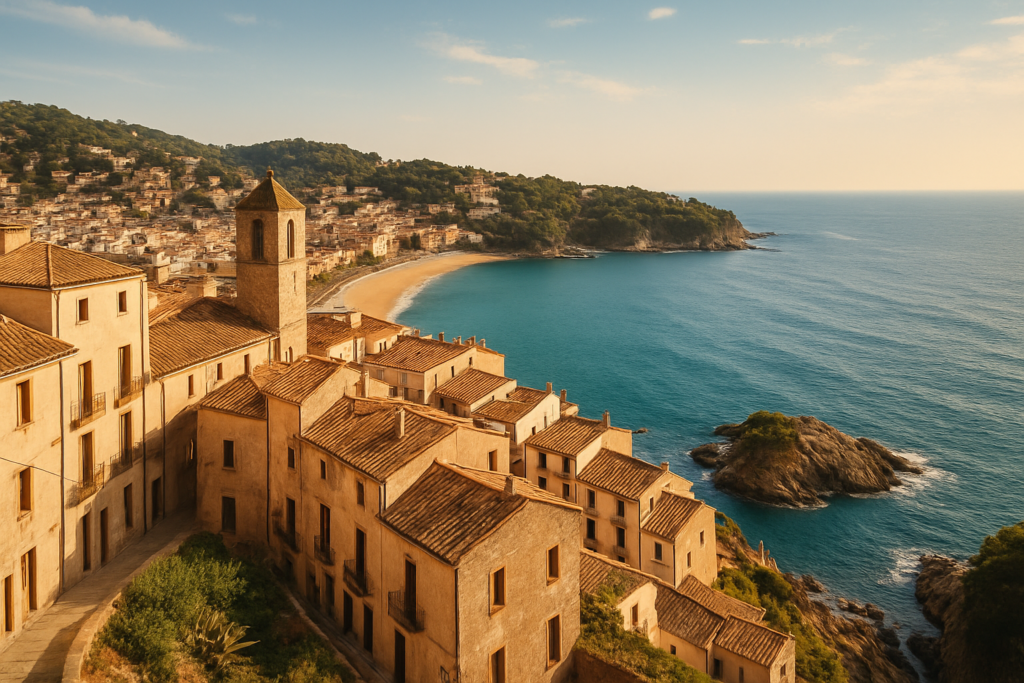
Arbúcies at a glance
- Small mountain town in the province of Girona, in Catalonia, Spain.
- Known for manufacturing—especially bus chassis and bus-body companies based locally.
- Medieval history tied to Montsoriu Castle and the viscounts of Cabrera; the town saw action in the War of the Spanish Succession (Battle of 14 January 1714).
- Significant textile industry presence, including a company that exports women’s clothing across Europe.
- Population reported at 6,481 (2014) and municipal area of 86.24 km²—gives a sense of scale and rural surroundings.
- Notable locals include footballers and coaches, reflecting a community with local sporting ties.
Before you plan
Nothing in the grounding indicates closures or redevelopment that would change basic expectations. This guide focuses on long-standing facts—industrial profile, historical events and notable local firms—so check local municipal sources or visitor centres for temporary museum closures, festival dates or short-term street works before you travel.
Things to do in Arbúcies
Most visitors come for a mix of history and local character rather than an endless list of attractions. The town’s strengths are learning about its industrial present (bus manufacturing, textile production) and its layered past going back to Iberian and Roman times and into the medieval era. Below is a compact comparison of what stands out.
| Attraction | What it is | Price/entry | Best for |
|---|---|---|---|
| Historic town centre | Local streets and monuments tied to the town’s medieval and modern history | — | History walkers; cultural curiosity |
| Bus manufacturing district | Industrial area where key companies produce bus chassis and coach bodies | — | Industry-minded visitors; design/engineering interest |
| Textile workshops (local firms) | Manufacturing and export-oriented clothing makers with local operations | — | Shopping for European-made garments; business visitors |
| Historical sites and battlefield memory | Locations associated with the 1714 battle and the town’s burning during past repression | — | Military history and Catalan history enthusiasts |
Walk the streets and read the layers
The compact centre rewards a slow walk. Look for markers or plaques that reference the town’s medieval connections—especially ties to the viscounts of Cabrera and Montsoriu Castle’s historical relevance. The town’s narrative includes habitation by Iberians and later Romans, followed by medieval consolidation under regional powers. All this gives the streets a layered feel: ancient roots, medieval structures and modern municipal life.
Industry up close
One of the most unusual visitor lessons here is how a small mountain town came to specialise in bus manufacturing. Several well-known coach and bus bodybuilders have operations locally—Beulas, Ayats, Indcar and Noge are among the manufacturers based in the municipality. The local economy centres on the production of bus chassis and coach bodies: that’s genuinely the town’s main industry. If you’re curious about contemporary manufacturing processes, the visible presence of these companies shapes the townscape and local employment patterns.
Textiles and local brands
Alongside coachbuilding, textile production remains important. Local companies produce women’s clothing and export across Europe, so the town has both heavy industry and lighter manufacturing sectors. That mix means you’ll sometimes find small workshops, brand outlets or local retailers selling garments made locally, and it’s a useful reminder that not all Catalan inroads are tourist-facing—many are entrepreneurial and export-oriented.
Best beaches in the area
The grounding does not include information about beaches or coastal amenities. This town is inland, set nearer to the Montseny foothills than the coast; coastal options lie elsewhere along the province of Girona rather than here.
Family visits and things to do with kids
There isn’t an inventory of family-targeted attractions in the grounding, but a family visit can work if you tailor activities to what’s available: exploring historical plaques and local heritage, spotting industrial landmarks, and using the town as a quieter base for outdoor excursions in the surrounding rural landscape. Note that the town’s character is practical and industrial rather than a child-focused theme-park environment.
How to get to Arbúcies and get around
The municipality sits in the province of Girona, Catalonia, which helps orient travel planning: the nearest major hubs and transport connections will be those serving Girona province and Catalonia more widely. Within the town, the compact layout makes walking the simplest way to experience the centre and readily see the industrial districts. For visiting dispersed factories or surrounding rural sites, a private vehicle or pre-arranged local transport will usually be required; the grounding does not provide scheduled public-transport timetables or precise travel times.
Where to stay in the area
The grounding does not list specific hotels or neighbourhoods, but using the town as a base suits visitors who want accessible industry tours, local history and proximity to rural Catalonia. Look for accommodation in or close to the town centre if you want immediate access to shops and municipal services; choose locations on the outskirts if you prefer a quieter, more rural stay and easier access to manufacturing sites or the Montseny foothills.
History of Arbúcies
The locality’s past is layered and, in places, tumultuous. Archaeological and historical records indicate the area was first inhabited by Iberian peoples and later integrated under Roman influence, which set foundations for later settlement patterns. During the Middle Ages, Montsoriu Castle and the viscounts of Cabrera played a central role in regional governance and defence; these medieval structures and dynastic ties influenced local society and settlement development. The modern era carried dramatic episodes: the town was completely burnt as a result of repression by the Duke of Pópoli at one point in its history, and it was the site of military action during the War of the Spanish Succession—the Battle of Arbúcies took place on 14 January 1714, and Bourbon troops moving from Hostalric to Vic were defeated near the town. These events are part of a historical tapestry that explains local memory, monuments and place names.
Practical info
- Administrative region: The town lies in Girona province within the autonomous community of Catalonia, Spain.
- Scale and services: With a reported population of 6,481 in 2014 and a municipal area of 86.24 km², expect a small-town service profile—local shops, municipal offices and community facilities rather than a large urban infrastructure.
- Industry shapes the town: The economy is dominated by bus chassis manufacturing and bus-body companies; visitors should be prepared to see industrial facilities and related traffic in and around the town.
- Local business: Textile manufacturing remains a notable sector—local companies make women’s clothing and export across Europe—which affects shopping opportunities and visiting-business expectations.
- Notable locals and civic pride: The town has produced sports figures and coaches, reflecting active community engagement with local sport.
- Accessibility and movement: The town’s compact centre is walkable. For factory visits, industrial areas or wider rural exploration within the municipal territory you will likely need private transport—confirm access and visitation rules with companies before attempting visits.
Worth it for: travellers who want to understand how a mountain town became an industrial hub, those interested in Catalan medieval and early modern history, and visitors with professional or hobbyist interest in bus manufacturing or textile production. Less so if: you’re seeking a coastal holiday, a resort-style experience or a place with a heavy tourist infrastructure—this town is primarily a working municipality rather than a tourist resort.
How we assess this guide
We compiled this guide from verified facts about local history, industry and demographics; we cross-checked claims about notable firms, historical events and population data. We flag closures or major changes where source material indicates them and avoid first-hand assertions that are not grounded in verified information. This is a synthesis built from authoritative claims rather than onsite reporting; for the latest opening times, guided tours and event schedules consult local municipal sources or the businesses directly.
Nearby on the Costa Brava
Towns near Arbúcies
- Hostalric — 13 km south-east
- Santa Coloma de Farners — 14 km east, Full guide to Santa Coloma de Farners
- Sant Celoni — 14 km south, Wednesday market and Montseny access
- Tordera — 21 km south-east, an inland town on the Costa Brava's southern edge
- Caldes de Malavella — 25 km east
- Bescanó — 25 km north-east, a quiet Ter-river town just west of Girona
Places to visit within reach
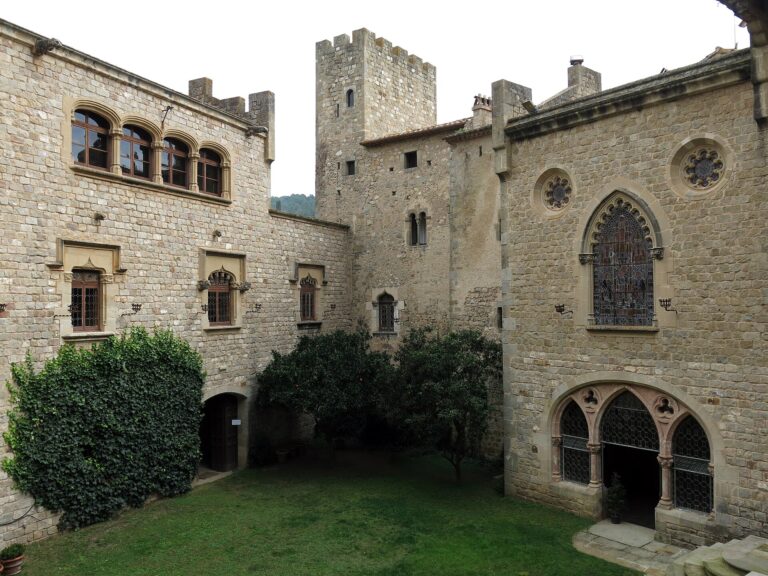
- Castle of Santa Florentina — 25 km, An 11th-century fortified house rebuilt around 1900 by Domènech i Montaner
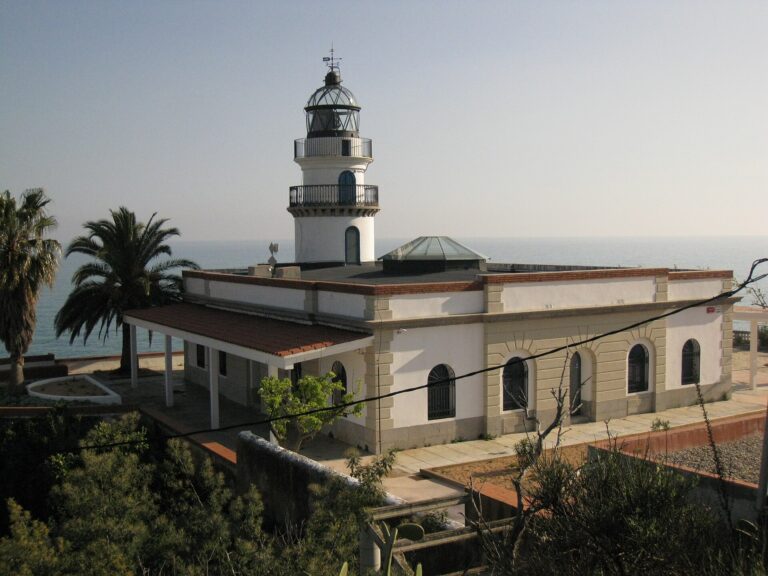
- Calella Lighthouse — 26 km, Calella’s lighthouse replaced a corsair watchtower in 1859 and still turns
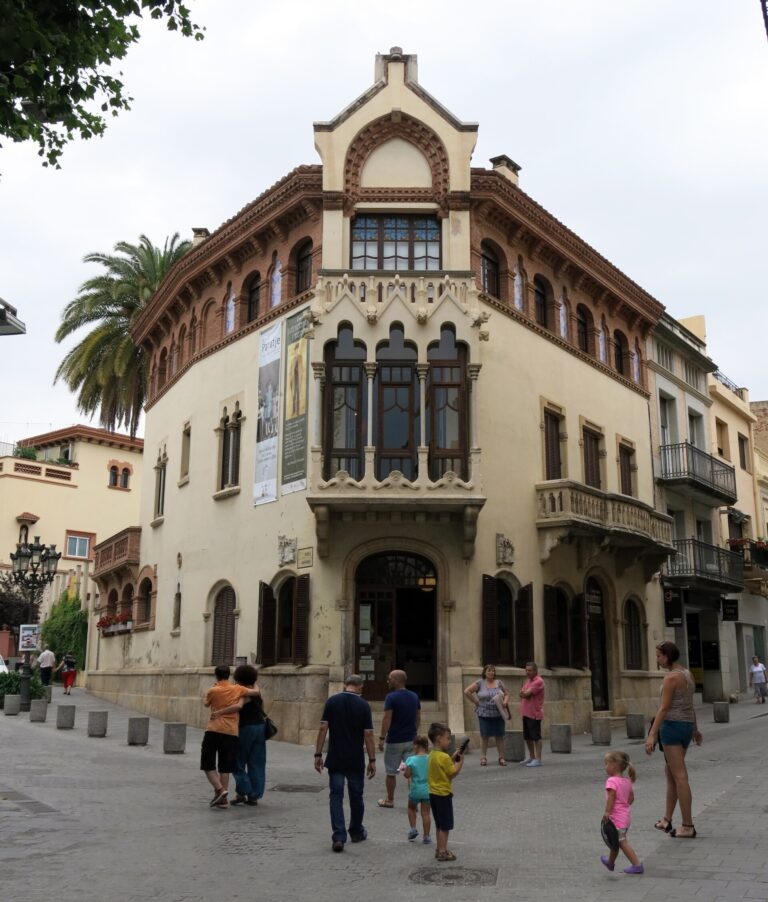
- Lluís Domènech i Montaner House-Museum — 26 km, The Palau de la Música and Hospital de Sant Pau were
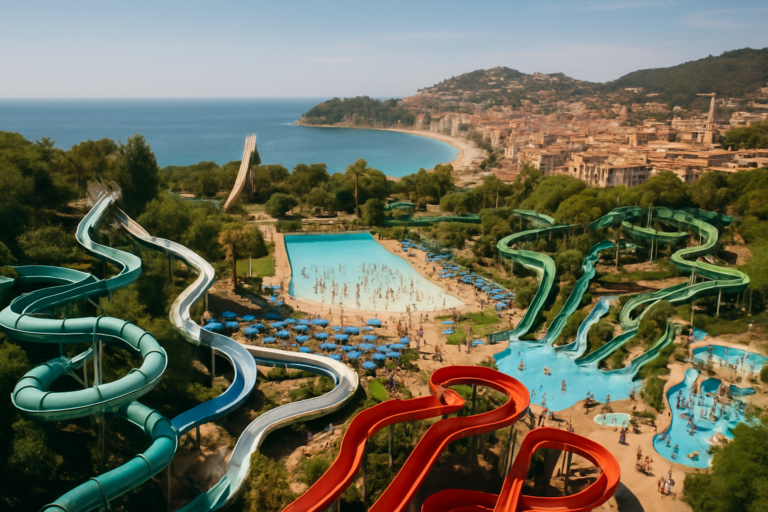
- Water World Lloret — 29 km, Water World opened in 1985 as one of Spain’s first water
For the wider picture, see the Costa Brava guide, which lists every town on this coast.
Frequently asked questions
How do I get to the town from the nearest airports?
The grounding specifies only that the municipality is in Girona province, Catalonia. Use regional transport hubs that serve Girona province to connect onward; check current public transport options or private transfers to reach the town from major airports serving Catalonia.
Is Arbúcies expensive to visit?
The available data does not include current price levels, accommodation rates or cost-of-living figures. Given its size and working-town profile, expect a more modest price range than major tourist centres; for precise budgeting check current rates for accommodation and local services before travel.
Which local attraction is best for first-time visitors?
For a first visit, walk the town centre to absorb its layered history—from Iberian and Roman roots through medieval ties to Montsoriu Castle to modern industrial character. That combination gives the most immediate sense of what makes the place distinct.
How many days should I allow to explore the area?
A focused day will cover the town centre and give a feel for the local industry and history. Allow extra time if you plan factory visits, business meetings or excursions into the surrounding rural and Montseny foothill areas.
Is the town good for families with children?
There are no specific family-attraction listings in the grounding. Families who appreciate low-key historical walks, spotting industrial landmarks and using the town as a base for outdoor activity in nearby countryside can have a pleasant visit; it’s not a theme-park destination.
Can I get around without a car?
The centre is compact and walkable for seeing the town itself. For visiting dispersed industrial sites or exploring a wider municipal area you will likely need private transport. Confirm public-transit coverage locally if you plan to rely solely on buses or trains.
Is parking easy in the town?
The grounding does not contain parking specifics. Given the town’s small scale and industrial activity, parking patterns can vary—consult local signage or municipal guidance on parking and loading zones, particularly near manufacturing sites.
What are good rainy-day options?
Rainy days are best spent exploring local history inside civic buildings or small museums if available, or using covered shops and local businesses. The grounding does not list indoor attractions or museums by name, so check current local listings if indoor options matter to your itinerary.
When is the best time to visit?
No seasonal climate or festival information is supplied in the grounding. Choose timing based on broader Catalan travel patterns and check local municipal calendars for events or festivals before you go.
Are there any important historical dates I should know about?
Yes: the town has notable episodes in its past, including a battle on 14 January 1714 during the War of the Spanish Succession, and historically the town was completely burnt as a result of repression by the Duke of Pópoli. These dates and events shape local history and memory.
Who are some notable people from the town?
The town has produced football figures—Antonio Durán, a former player and coach, and the footballer Keita Baldé are among the noted locals—illustrating the community’s sporting ties.
Can I visit local factories like the bus manufacturers?
The grounding confirms the presence of major bus manufacturers (Beulas, Ayats, Indcar, Noge) and that the main industry is bus chassis manufacturing. It does not provide public-visit details. If you’re interested in factory tours or visits, contact the companies directly to inquire about public access or guided visits; many industrial firms require prior arrangement for tours.
Is there a connection to Montsoriu Castle?
Yes—during the Middle Ages Montsoriu Castle and the viscounts of Cabrera were significant in the area’s history. The castle’s medieval prominence is part of the broader regional context for local heritage.
Does the town export manufactured goods?
Yes. Local textile firms manufacture women’s clothing and export across Europe, indicating an export-oriented element to the local economy alongside coach and bus manufacturing.
How big is the municipality?
The municipality covers an area of 86.24 square kilometres, giving an idea of the local scale and the mix of town centre plus surrounding rural land.
Is there tourist information available locally?
The grounding does not list a visitor centre or contact details. Standard practice: check municipal websites or local tourism offices in Girona province for up-to-date visitor information.
Plan the wider trip
Use the town as a stepping stone between Girona province’s cultural sites and the Montseny natural areas. If you need coastal sights, the Costa Brava is in the same province though not in the town itself—pair inland exploration here with coastal days elsewhere in Girona for a mixed-region itinerary.
Arbúcies on the map
Places worth knowing near Arbúcies
How this page is maintained. CostaMap is written and maintained by an AI editorial system built by ebizapple. Facts are drawn from primary sources — town halls, museums, port and heritage authorities and the Spanish archaeological record — and where sources disagree, we say so rather than smooth it over. Photographs marked as ours are taken on location. This page was last reviewed on 14 August 2026. Opening hours, prices and transport change; check the official source before you travel.