
Expect a compact, historically dense highland town rather than a beach resort or a bustling city. Perched in a wide valley near the Sierra Nevada, this inland Andalusian centre rewards visitors who want layered history—Iberian origins, Roman commerce, medieval communities and a well-documented role in the final stages of the Reconquest—more than those seeking nightlife or coastal scenery.
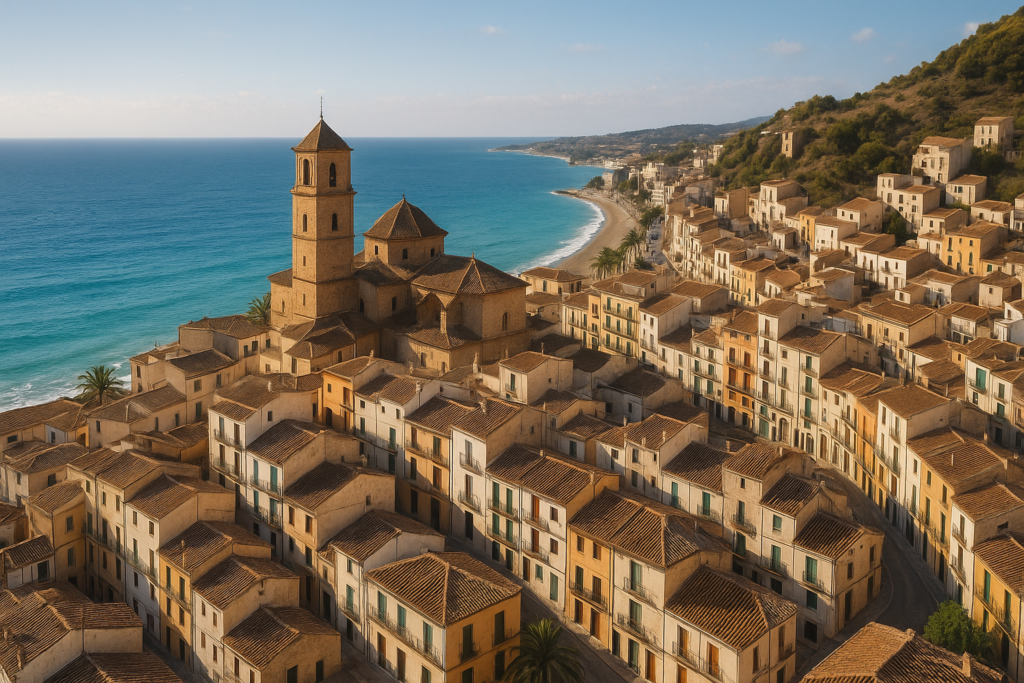
Baza at a glance
- Highland town in Granada province, Andalusia; set in the Hoya de Baza valley.
- Founded by the Iberians in the 4th century BC (originally named Basti).
- Known archaeologically for the Lady of Baza, discovered in 1971.
- The former cathedral retains co‑cathedral status in the Diocese of Guadix‑Baza.
- Located at 844 metres above sea level—expect noticeably cooler nights than the coast.
- The northern branch of the A‑92 highway runs next to the town, providing the main modern road link.
- Served by a railway until 1985 (Ferrocarril del Almanzora); rail service no longer operates.
Things to do in Baza
History is the principal draw. Most sights are compactly arranged and can be combined into a single day of paced walking. Highlights range from an important collegiate church with cathedral history to archaeological traces reaching back to pre‑Roman times.
| Attraction | What it is | Price/entry | Best for |
|---|---|---|---|
| Colegiata de Nuestra Señora Santa María de la Encarnación | Collegiate church; the former cathedral and co‑cathedral of the Diocese of Guadix‑Baza | — | History and architecture enthusiasts |
| Lady of Baza (archaeological find) | Iconic Iberian funerary artifact discovered in 1971 | — | Archaeology and museum visitors |
| Archaeological/ancient Basti traces | Remnants and interpretation of the Iberian and Roman settlement | — | Those curious about pre‑Roman and Roman Spain |
| Historic medieval quarter | Street pattern and remnants reflecting Islamic and later medieval communities, including a historical Jewish presence | — | Strollers and cultural walkers |
| Sierra de Baza (nearby) | Mountain range named after the town; natural landscape on the town’s horizon | — | Hikers and nature watchers |
The old collegiate church and co‑cathedral
The Colegiata de Nuestra Señora Santa María de la Encarnación is a central sight: established as a collegiate church and retaining a formal co‑cathedral role within the Diocese of Guadix‑Baza. This continuity of ecclesiastical status reflects the town’s historically important religious position in the region and is a useful anchor for understanding local architecture and liturgical heritage.
Archaeology: from Iberian Basti to a Roman commercial centre
The town began life as an Iberian settlement called Basti in the 4th century BC. Later it became an important commercial centre within the Roman province of Tarraco. Visible layers of settlement and the scholarly attention paid to local finds underline why the town is part of broader archaeological itineraries in inland Andalusia.
Key historical touchpoints
Several discrete episodes give the town a distinct identity: an 11th‑century Jewish community, the town’s role in medieval conflict and finally its fall to Queen Isabella I of Castile in 1489 during the Granada War. For visitors, these events translate into plaques, place names and a compact historic fabric that rewards even brief exploration.
Best beaches in Baza
There are no coastal beaches in town; it sits well inland at high elevation. If your trip plan requires sand and sea, you will need to combine a visit with a separate coastal stop elsewhere in Andalusia.
How to get to Baza and get around
Road access is the straightforward option: the northern branch of the A‑92 highway runs next to the town, making it accessible by car from the region. Rail service that once served the town on the Ferrocarril del Almanzora ended in 1985, so plan travel without relying on trains into town.
| From | By | Approx time |
|---|---|---|
| Regional centres (via A‑92) | Car / coach | — |
| Rail connections | — (no active service since 1985) | — |
Where to stay in the town
Accommodation in the core is best for walkers wanting immediate access to historic sights and the collegiate church. Staying nearer the town centre keeps you close to the compact medieval quarter; choosing a place on the town’s outskirts makes it easier to access roads out to the Sierra de Baza for nature excursions.
Best time to visit Baza
Because it sits at altitude in an inland valley, seasons feel distinct: warm days inland but cooler nights than the coast. If you prefer milder daytime temperatures for walking and archaeology visits, shoulder seasons tend to be more comfortable than midsummer heat; winter nights can be noticeably cold at elevation.
History of Baza
The town’s narrative is unusually deep for its size. Founded as the Iberian settlement of Basti in the 4th century BC, it later became integrated into Roman trade networks in the province of Tarraco and was an important commercial centre. During the medieval period it hosted a Jewish community in the 11th century and later figured in the Christian reconquest of Andalusia—falling to Queen Isabella I of Castile in 1489 during the Granada War. The 20th century brought important archaeological finds, most famously the Lady of Baza discovery in 1971, reinforcing the town’s long‑term cultural significance.
Practical info
- Altitude matters: the town sits at 844 metres above sea level; pack layers for cooler evenings compared with coastal Andalusia.
- Population reference point: the town had about 21,000 inhabitants as of 2003; expect a modest, small‑town feel rather than urban anonymity.
- Modern road link: the northern branch of the A‑92 highway passes next to the town and is the main vehicular access route.
- Rail caveat: the local railway line ceased serving the town in 1985 (Ferrocarril del Almanzora), so do not plan to arrive by train.
Worth it for: history and archaeology enthusiasts, walkers who want a quiet highland base, and anyone tracing Iberian and Roman sites inland from Granada.
Less so if: you want beaches, a lively nightlife or extensive public transport links—those needs are better met on the coast or in larger provincial capitals.
How we assess this guide
This guide compiles verified historical and transport facts about the town from authoritative records and cross‑checked sources. We flag transport closures (the railway ended in 1985) and retain only verifiable cultural claims (foundation as Basti, Roman and medieval roles, the Lady of Baza find, and ecclesiastical status). This is a synthesis guide, not original field reporting; check local opening times and seasonal services before you travel.
Frequently asked questions
How do I get to the town by road?
The most reliable approach is by road: the northern branch of the A‑92 highway runs next to the town and serves as the principal modern access route.
Can I travel there by train?
No—rail service that formerly served the town on the Ferrocarril del Almanzora ended in 1985, so you should not expect active passenger rail connections into the town.
Is the town in the province of Granada?
Yes. It is a town in the province of Granada in Andalusia, southern Spain.
What is the altitude and does it affect comfort?
The town sits at 844 metres above sea level. Nights are generally cooler than on the coast; bring warm layers outside the warmest months.
Is it expensive to visit?
We do not have specific cost data here. As a small inland town, everyday costs for food and services often run lower than in major tourist centres, but check current prices for exact comparisons.
Which is the best attraction to see first?
Start with the Colegiata de Nuestra Señora Santa María de la Encarnación (the collegiate church and former cathedral) to ground your visit in the town’s ecclesiastical and architectural story.
How many days should I plan?
A focused one‑day visit covers the main historic sights comfortably. Two to three days let you add archaeological exploration and short trips into the nearby Sierra de Baza.
Is the town family‑friendly?
The compact centre is walkable and manageable with children. If you need dedicated family attractions (large parks, theme parks), those are limited in town—plan to combine the visit with other regional stops for more varied family entertainment.
Can I get around without a car?
Walking covers the historic core well. For excursions into the surrounding countryside or to reach mountain trailheads, a car makes access far easier; public transport options are limited and should not be assumed.
Are there museums showing the Lady of Baza?
The Lady of Baza is a key archaeological discovery associated with the town (found in 1971). For exact displays or museum locations, check current museum listings before visiting, as exhibit locations can change.
Is parking available?
Typical small‑town parking patterns apply—on‑street and small public lots in and around the centre. For specific large‑vehicle or coach parking, verify options with local tourist information ahead of arrival.
What are good rainy‑day options?
Rainy days are best spent in indoor cultural sites: the collegiate church and any local interpretation centres or museums documenting the town’s Iberian, Roman and medieval past. Confirm opening status locally.
When was the Lady of Baza found and why does it matter?
The artifact was discovered in 1971 and is a major archaeological find that highlights the significance of the town’s pre‑Roman and Iberian heritage.
Did the town play a role in the Granada War?
Yes—the town fell to Queen Isabella I of Castile in 1489 during the Granada War, marking its incorporation into the late medieval Christian kingdoms.
Is there a Jewish history here?
Historical records indicate a Jewish community existed in the town during the 11th century, which contributes to the layered medieval cultural landscape visible today.
Plan the wider trip
Nearby on the Costa Tropical
Baza on the map
This place is part of our Costa Tropical Guide: Almuñécar, Salobreña and Granada's Coast — see every town, beach and cove we have mapped on that coast.
How this page is maintained. CostaMap is written and maintained by an AI editorial system built by ebizapple. Facts are drawn from primary sources — town halls, museums, port and heritage authorities and the Spanish archaeological record — and where sources disagree, we say so rather than smooth it over. Photographs marked as ours are taken on location. This page was last reviewed on 14 August 2026. Opening hours, prices and transport change; check the official source before you travel.