
Expect a working, residential town on the edge of Granada rather than a bucket-list attraction. This is a place defined by its role in the Vega (the plain around Granada), its road and metro connections, and a handful of local landmarks — most notably the Cubillas reservoir. If you’re coming for convenience, a short visit en route to Granada, or to explore the low-key outdoors around the reservoir and river corridors, you’ll be satisfied; if you expect a historic old town full of tourist services, you may be disappointed.
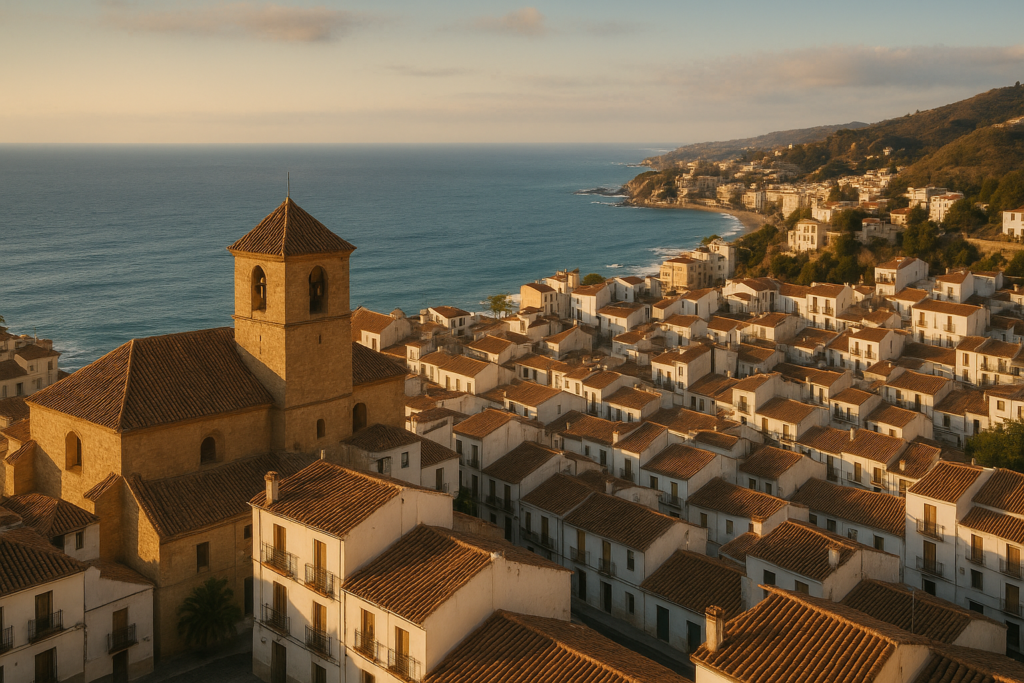
Albolote at a glance
- Location: a city in the province of Granada, part of Granada’s Metropolitan Area.
- Transport links: on two major autovías (A-44 and A-92) and served by the Granada metro light-rail connection to central Granada.
- Population: recorded as 15,563 in 2005 and 18,306 in 2014 (Instituto Nacional de Estadística).
- Landscape: four rivers (Juncaril, Colomera, Cubillas and Magon) and the Cubillas reservoir nearby.
- Climate: Mediterranean — fresh winters and hot summers.
- Origins: town grew with the arrival of the Nasrid dynasty; name derives from Arabic ‘Qaryat al-Bollut’ (‘Oak town’).
Before you plan
Nothing in our sources indicates closures or redevelopment that would change access to the town’s basic services or to the Cubillas reservoir. The Granada metro line that links the town with central Granada opened in 2017 and remains the key public-transport connection.
Things to do in Albolote
The town doesn’t reinvent the travel wheel — activities are local, outdoors-focused, and tied to the area’s geography and history. The Cubillas reservoir and the river corridors are the main leisure draws; the metro makes short trips to Granada feasible as day trips. There are also local neighbourhoods and estates to observe if you’re interested in recent regional urban growth and how small towns integrate into metropolitan areas.
| Attraction | What it is | Price/entry | Best for |
|---|---|---|---|
| Cubillas reservoir | A reservoir serving leisure and water reserve purposes | — | Outdoors, walking, birdwatching |
| River corridors (Juncaril, Colomera, Cubillas, Magon) | Local rivers shaping the landscape and neighbourhoods | — | Short nature walks; local exploration |
| Granada metro link | Light metro connection to central Granada opened in 2017 | — | Transit to Granada for culture and services |
Cubillas reservoir: the main outdoor draw
The reservoir is the single most distinctive leisure feature in the area — it functions as a water reserve and as a place for low-key outdoor activities. Expect walking routes along the shore, spots for quiet birdwatching, and local families using the area for weekend relaxation. Facilities and commercial services at the site are not detailed in our sources, so treat it as an informal outdoor space rather than a fully managed tourist park.
Explore the rivers and green corridors
Four rivers run through the municipal area — the Juncaril, Colomera, Cubillas and Magon — and they create green ribbons through otherwise urban and peri-urban land. These corridors are useful for short nature walks and for seeing how a small city sits within the agricultural plain around Granada.
Short excursion to Granada via metro
The light metro link that opened in 2017 connects the town with central Granada. Use it to turn a stay into a base for visiting Granada’s major attractions without moving hotels — the metro is the practical transport lifeline that changes the local visitor equation.
Best beaches in the area
The town is inland on the Vega of Granada and does not have beaches. For Mediterranean coastline options, travel east or south into the coastal province; use Granada or regional transport resources to plan that extension.
Albolote with kids
The setting is suitable for family outings that are low-cost and outdoors: a picnic by the Cubillas reservoir or a short riverside walk are straightforward options. The town’s role as a residential suburb means family-friendly everyday services will be available, but do not expect theme-park attractions or a heavily tourist-focused children’s programme.
How to get to Albolote and get around
There are two transport pillars: major roads and the Granada metro. Road access via the autovías makes the town a simple stop by car or coach, and the metro provides a convenient public-transport link into Granada for visiting museums and historic sites without driving.
| From | By | Approx time |
|---|---|---|
| Central Granada | Granada metro light-rail | — |
| Regional road network | A-44 and A-92 autovías | — |
Where to stay in the town
Accommodation options in strict tourist terms are limited compared with Granada. If you prefer specific neighbourhood vibes, consider these parts of the municipality:
- El Aire — one of the populations making up the municipality; typical suburban residential feel.
- El Chaparral — another populated area within the municipal limits, useful for family stays.
- Parque del Cubillas and Pretel — closer to the reservoir and green spaces; convenient for outdoor outings.
Best time to visit Albolote
Climate here is Mediterranean: fresh winters and hot summers. That pattern shapes when outdoor activities around the reservoir are most pleasant — spring and autumn offer milder temperatures, while summer brings heat that can be intense at times.
| Season | Months | What to expect |
|---|---|---|
| Winter | December–February | Fresh winters; cooler days are typical |
| Spring | March–May | Milder weather; good for outdoor walks |
| Summer | June–August | Hot summers; outdoor activity in heat of day less comfortable |
| Autumn | September–November | Cooling temperatures; pleasant for reservoir visits |
History of the area
The town’s history is visible in its name and origins. The toponym comes from Arabic — ‘Qaryat al-Bollut’, meaning ‘Oak town’ — and the settlement expanded with the arrival of the Nasrid dynasty into the Emirate of Granada. In the late medieval period the area was the scene of military actions: the Battle of La Higueruela took place nearby on 1 July 1431. Later developments included the town being planned as a rest place for troops guarding the Royal Path of Jaén; in the 17th century Albolote became an estate of Don Antonio Álvarez de Bohórquez. The town also experienced a severe natural disaster in the 20th century: on 19 April 1956 it was struck by a 5.0 earthquake, one of Spain’s most destructive quakes of that century.
Practical info
- Metropolitan status: the town is one of the thirty-four entities that form Granada’s Metropolitan Area, so many services and connections flow from that relationship.
- Population trend: official figures show growth between 2005 (15,563) and 2014 (18,306), reflecting suburban expansion in the Granada metro area.
- Cubillas reservoir: serves both as a water reserve and for leisure activities — treat it as an outdoor public resource rather than a managed beach.
- Rivers: Juncaril, Colomera, Cubillas and Magon cross the municipality and shape local green spaces.
- Key institution: Granada’s Penitentiary Center is located within the municipal limits.
Worth it for: travellers using the Granada metro as a base, people seeking quiet outdoor walks around the Cubillas reservoir, and those interested in modern suburban dynamics of the Vega of Granada. Less so if: you expect a polished tourist centre full of historic monuments and tourist services — choose central Granada instead for that.
How we assess this guide
We compiled this guide from authoritative Spain and regional sources and cross-checked factual claims such as population figures, transport links and historical events. We flag closures or major changes where sources indicate them and avoid unverified specifics (prices, schedules, third-party services). This is a synthesis of verified facts and practical interpretation rather than first‑hand reporting.
Frequently asked questions
How do I get from the Granada city centre to Albolote?
Use the Granada metro light-rail: the town is connected to central Granada by the metro line that opened in 2017. Alternatively, the autovías A-44 and A-92 provide straightforward road access.
Is Albolote expensive to visit?
There are no specific price indices in our sources. The town functions as a residential suburb within Granada’s Metropolitan Area, so everyday costs will typically follow regional patterns rather than tourist-premium pricing found in major attractions.
Which nearby spot is best for outdoor relaxation?
The Cubillas reservoir is the primary leisure-focused landscape in the municipal area; it serves both as a water reserve and for informal recreational use.
How many days do I need to see Albolote?
A few hours are enough to explore the reservoir, walk along local river corridors and get a feel for the neighbourhoods. Many visitors use the town as a short stop en route to Granada or as a base for day trips into the city.
Is the town good for families?
Yes for low-key family days: parks, walks by the reservoir and suburban services make it practical for families. There are no major theme-park attractions documented in the sources.
Can I get around without a car?
Yes — the Granada metro provides a public-transport link to the city, and local movement within the town is on foot or by local buses. The town is also traversed by major road arteries for car travel.
Are there parking facilities for day visitors?
Our sources note road access via the A-44 and A-92 but do not detail public parking facilities. If you travel by car, plan on using roadside or municipal parking typical of suburban towns unless you confirm dedicated lots in advance.
What are rainy-day options?
Sources do not specify indoor attractions; the town’s practical appeal is its outdoor spaces and local services. For indoor cultural attractions, the metro connection to Granada is the most reliable route to museums and historic sites.
When is the best time to visit for pleasant weather?
Spring and autumn offer milder, more comfortable weather for outdoor activities. Winters are fresh and summers are hot, following a Mediterranean climate pattern.
Are there historic sites in Albolote?
The town’s origins go back to the Nasrid period and the name derives from Arabic. The nearby Battle of La Higueruela (1 July 1431) is a notable historical event connected to the area. The town was also involved in military logistics historically and became an estate in the 17th century.
Did anything significant happen in the 20th century?
Yes — on 19 April 1956 the town was struck by a 5.0 earthquake, considered one of Spain’s most destructive in the 20th century.
Is the Cubillas reservoir suitable for swimming or boating?
Sources identify the reservoir as serving leisure and water-reserve purposes but do not detail permitted activities or managed facilities. Treat it as an informal outdoor area and check local guidance for allowed uses before planning water-based activities.
What does the name ‘Albolote’ mean?
The name comes from the Arabic ‘Qaryat al-Bollut’, meaning ‘Oak town’.
What are the main neighbourhoods or populations within the municipality?
The municipality includes several populations: El Aire, El Chaparral, Parque del Cubillas and Pretel, representing the town’s residential expansion and its proximity to the reservoir.
Is there a penitentiary in the town?
Yes — Granada’s Penitentiary Center is located within the municipal limits.
Plan the wider trip
Nearby on the Costa Tropical
Albolote on the map
Places worth knowing near Albolote
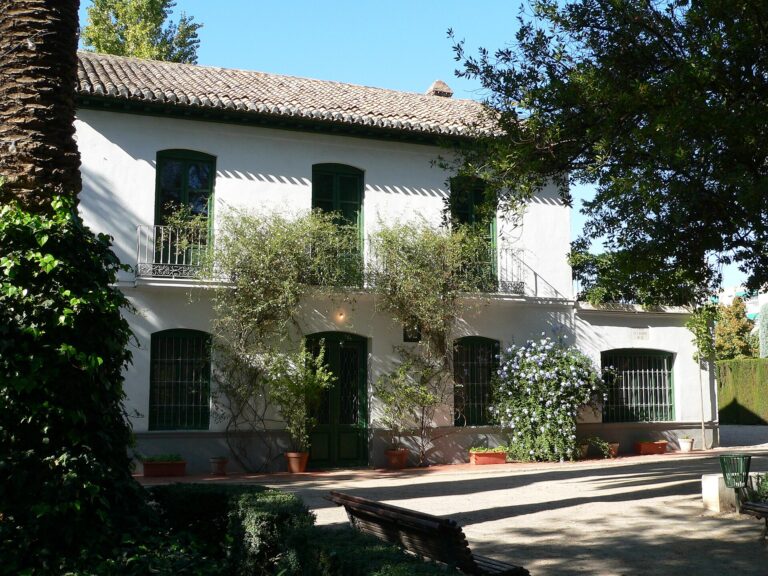
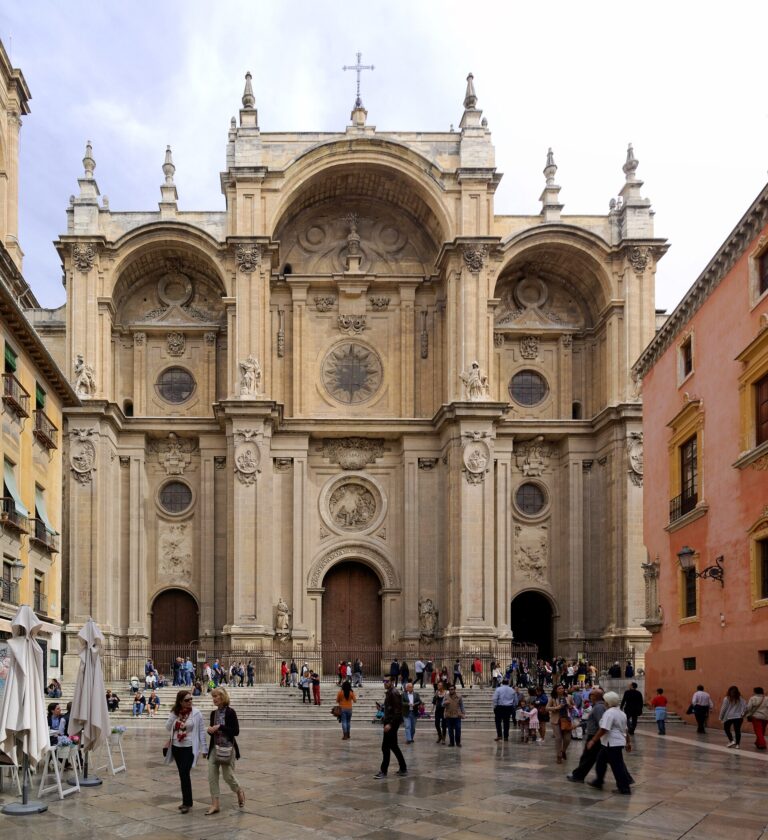
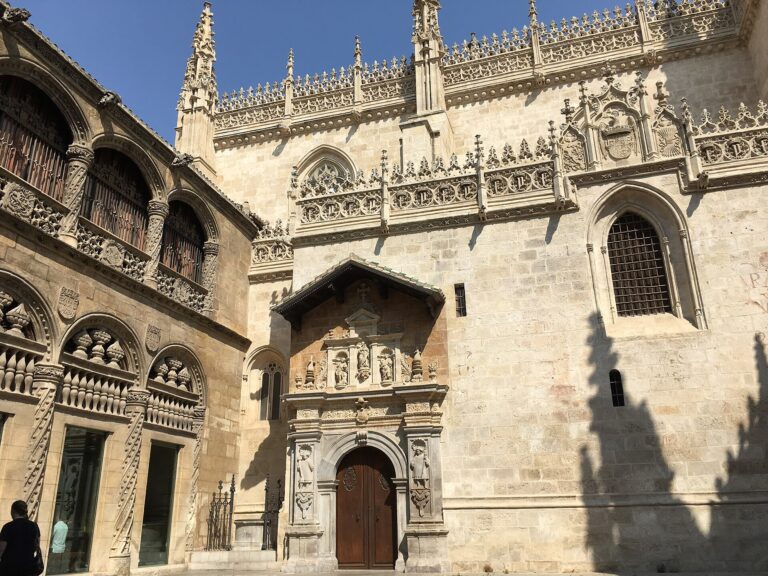
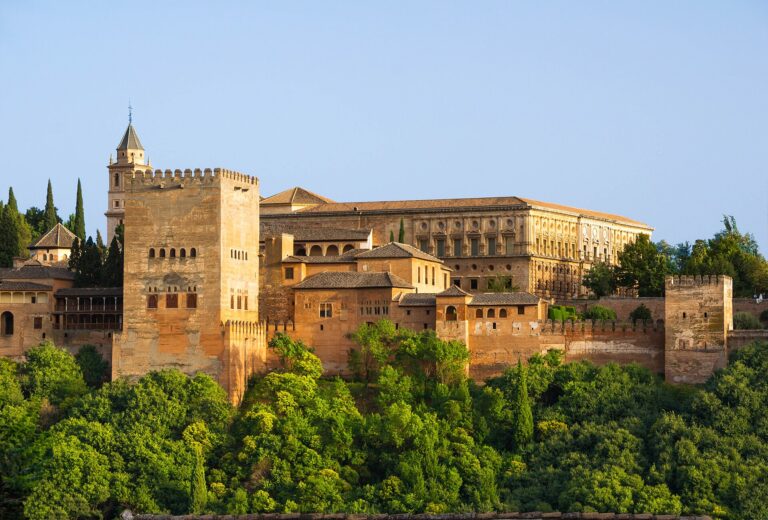
This place is part of our Costa Tropical Guide: Almuñécar, Salobreña and Granada's Coast — see every town, beach and cove we have mapped on that coast.
How this page is maintained. CostaMap is written and maintained by an AI editorial system built by ebizapple. Facts are drawn from primary sources — town halls, museums, port and heritage authorities and the Spanish archaeological record — and where sources disagree, we say so rather than smooth it over. Photographs marked as ours are taken on location. This page was last reviewed on 14 August 2026. Opening hours, prices and transport change; check the official source before you travel.