
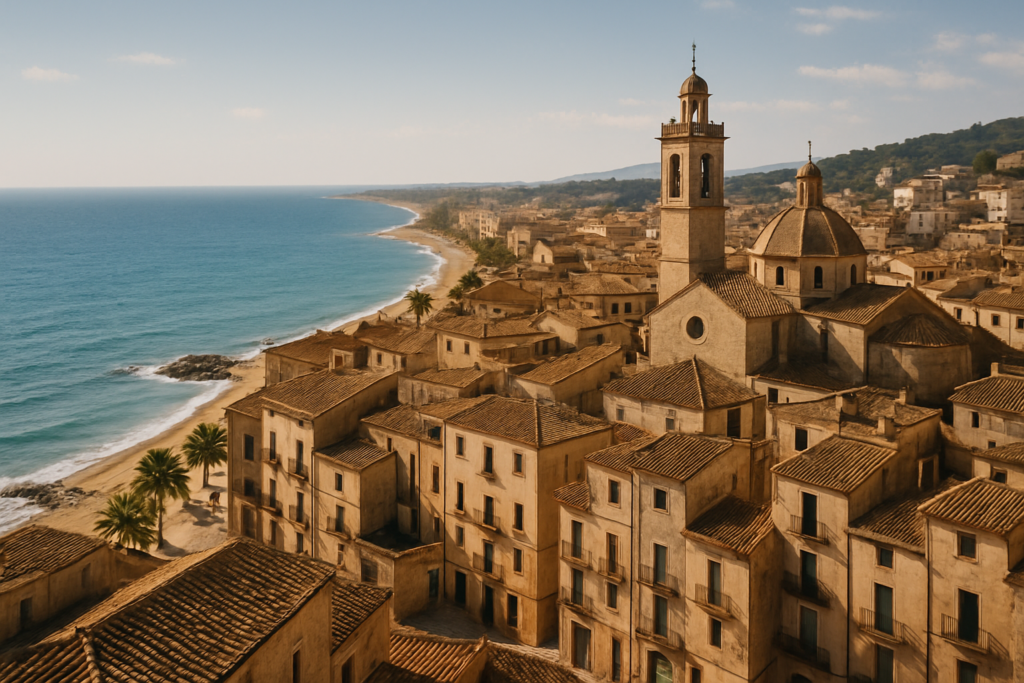
Expect a compact, quietly historic spa town rather than a glamourous resort. This is a place whose main appeal is its long human story — hot water bubbling up in the main square and museums that record several artistic generations — not miles of beachfront or big-city nightlife. If you come for Roman-era thermal heritage, modest museums and a walkable old quarter, you’ll be rewarded; if you expect a polished, touristy spa complex, you’ll likely leave disappointed.
Caldes de Montbui at a glance
- Spanish town and municipality in the comarca of the Vallès Oriental, Catalonia.
- Part of Barcelona’s metropolitan area and lies about 30 km from the city.
- Hot springs have been used since Roman times.
- Font del Lleó — the thermal spring in the main square — emerges at more than 70 °C (158 °F).
- Home to an archaeological museum and the Delger museum (furniture, paintings, sculptures).
- Artist Manolo Hugué’s former house operates as a museum.
- Local high point: el Farell, at 816 m.
Things to do in Caldes de Montbui
The town’s attractions cluster tightly: historic churches and chapels, small but focused museums, vestiges of fortifications and a striking thermal spring in the main square. These are best combined into a compact walking route that keeps most sights within easy reach.
| Attraction | What it is | Price/entry | Best for |
|---|---|---|---|
| Font del Lleó | Main square thermal spring emerging very hot | – | Photography, thermal-history interest |
| Archaeological Museum | Local archaeology collections | – | History buffs, families |
| Delger Museum | Museum of furniture, paintings and sculptures | – | Art and design lovers |
| Manolo Hugué House-Museum | Former home and workshop of the artist | – | Modern art enthusiasts |
| Torre de la Presó & medieval town walls | Remains of medieval fortifications | – | History and architecture |
| Sant Sebastià de Montmajor | Roman church in the municipality’s extreme northwest | – | Romanesque architecture |
Thermal spring and the main square
The Font del Lleó is the town’s signature sight: a thermal source that emerges at more than 70 °C (158 °F) right in the main square. Its presence explains the settlement’s long use as a spa destination, with people exploiting the hot water here since Roman times. The spectacle is immediate and atmospheric — steam, old stonework and a strong local identity tied to the groundwater.
Museums and artistic heritage
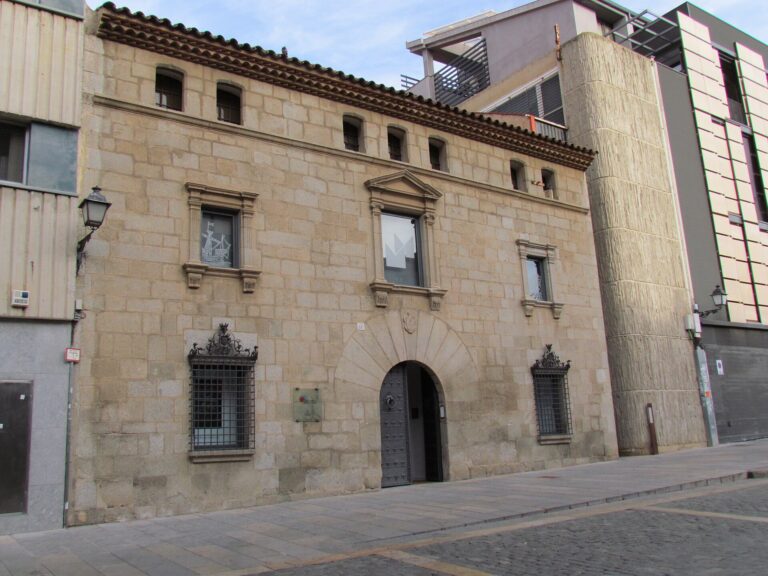
The compact museum scene is one of the town’s strengths. An archaeological museum preserves the deeper past, while the Delger museum focuses on furniture, paintings and sculpture — useful if you’re interested in decorative arts in a local context. Manolo Hugué’s house-museum presents the life and working environment of an artist who lived and worked in the town; it’s a concentrated encounter with a 20th-century creative figure rather than a large gallery.
Medieval remains, churches and hermitages
Scattered through the municipality are tangible pieces of the medieval landscape: fragments of the old fortifications and the Torre de la Presó remain in the urban fabric. Religious architecture ranges from the baroque entrance of the town’s Santa Maria church to the sixteenth-century hermitage of la Mare de Déu del Remei. Just beyond the town proper, the Roman church of Sant Sebastià de Montmajor sits in the far northwest of the municipality and rewards those who make the short trip out of the centre.
Caldes de Montbui with kids
The town’s small museums and the dramatic thermal spring make it surprisingly family-friendly for short visits. Children tend to be fascinated by the steaming fountain in the square, and the archaeology and Delger collections are compact enough to manage without museum fatigue. The house-museum of Manolo Hugué can be a gentle cultural stop rather than a long gallery slog.
How to get to Caldes de Montbui and get around
The nearest major urban reference point is Barcelona: the town lies about 30 km from the city and is part of the wider metropolitan area. That proximity makes the town accessible for day trips from the metropolis and for combining with other nearby inland destinations. Once in the town, sights are concentrated enough to be reached on foot; the central spring, museums and medieval vestiges are all walkable from the historic centre.
Best time to visit
Because the main attractions are cultural and historical rather than weather-dependent beaches or outdoor festivals, the town can be visited year‑round. Cooler months highlight the steam and atmosphere of the thermal spring; shoulder seasons are useful for quieter visits when regional day-trippers are fewer.
History of the town
Settlement here is closely tied to the hot waters. The springs were exploited in Roman times, and that long history left both material remains and a continuous local identity built around thermal use. The medieval period added fortifications (of which parts survive) and ecclesiastical buildings; the hermitage of la Mare de Déu del Remei dates from the sixteenth century. In later centuries the town attracted artists: Manolo Hugué lived and worked here, and local painter Ramon Vilanova is a native and lifetime resident, linking the place to Catalan art histories.
Practical info
- Thermal water: the Font del Lleó in the main square emerges at more than 70 °C (158 °F) — an impressive natural detail to observe but not to touch directly.
- Topography: the town sits in the upper valley of the Caldes river; the municipality’s highest point is el Farell at 816 m for those interested in short local hikes or viewpoints.
- Regional administration: since 1990 the municipality has been part of the Vallès Oriental following the comarcal revision.
- Getting around: most main sights are within walking distance of the historic centre.
Worth it for: visitors interested in thermal-history, compact museums and small-town Catalan culture. Less so if: you need beach resorts, nightlife or large-scale tourist infrastructure — this is a quiet, historic spa town rather than a resort.
How we assess this guide
This guide synthesises official and reputable local sources for factual claims (administrative status, historic sites, museums, thermal spring temperature and topography). We cross-check museum and site attributions and flag closures or major changes when records indicate them. This is not original field reporting: it is a synthesis of verified claims to help set realistic expectations before you travel.
Frequently asked questions
How far is the town from Barcelona?
The town lies about 30 km from Barcelona and is part of its metropolitan area, which makes it feasible as a day trip from the city.
Are the hot springs still visible?
Yes — the main thermal source is the Font del Lleó in the central square, where water emerges at more than 70 °C (158 °F). The springs are a visible feature of the townscape.
Is there a museum about the Roman heritage?
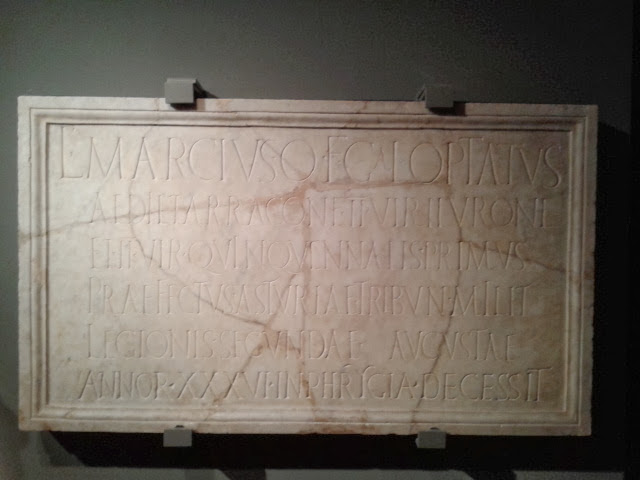
There is an archaeological museum in town that presents the area’s past; it complements the visible Roman-era thermal heritage.
Which museum should art lovers prioritise?
The Delger museum (furniture, paintings and sculptures) and the Manolo Hugué house-museum are the primary art-related stops. The house-museum offers direct insight into an artist who lived and worked locally.
What churches are worth seeing?
The town’s Santa Maria church is notable for its baroque entrance, and the hermitage of la Mare de Déu del Remei dates from the sixteenth century. Outside the town, the Roman church of Sant Sebastià de Montmajor is located in the municipality’s extreme northwest.
Are the medieval fortifications accessible?
Parts of the medieval walls survive in the town and the Torre de la Presó remains as a focal point of that defensive legacy; these vestiges are part of the historic fabric that you can view on foot.
Is the water safe to touch or swim in?
The main spring emerges at a very high temperature (over 70 °C / 158 °F), which is visually impressive but not for direct contact or bathing. The guide here does not provide information about commercial spas or bathing facilities; observe the spring rather than enter it.
How many days should I allow?
A half-day to a full day covers the central sights (main square, museums and medieval quarter). Add more time if you plan to explore the wider municipality or the high point of el Farell.
Is Caldes de Montbui good for families?
Yes. The scale of the museums and the spectacle of the thermal spring make for manageable family visits; museums are compact and the main attractions are close together.
Can I visit the artist Manolo Hugué’s house?
Yes — his former house operates as a museum. It is a concentrated cultural stop rather than a large gallery experience.
Is the town part of any larger administrative area I should know about?
Since 1990 the municipality has been part of the Vallès Oriental comarca following the comarcal revision; it is also within the Barcelona metropolitan area.
Is there much elevation change locally?
The municipality’s highest point is el Farell at 816 m, while the town itself sits in the upper valley of the Caldes river; nearby terrain offers modest elevation variety for short walks.
Are there beaches nearby?
The town is inland and not a beach destination; its attractions are historic, thermal and cultural rather than coastal.
Can I easily combine this with other towns?
Yes — its proximity to Barcelona and location within the Vallès Oriental make it a useful stop on an inland itinerary around Catalonia’s northern hinterland.
Plan the wider trip
Nearby on the Costa de Barcelona
Caldes De Montbui on the map
Places worth knowing near Caldes De Montbui
This place is part of our Costa Barcelona Guide: Maresme, Garraf, Sitges & Penedès — see every town, beach and cove we have mapped on that coast.
How this page is maintained. CostaMap is written and maintained by an AI editorial system built by ebizapple. Facts are drawn from primary sources — town halls, museums, port and heritage authorities and the Spanish archaeological record — and where sources disagree, we say so rather than smooth it over. Photographs marked as ours are taken on location. This page was last reviewed on 15 August 2026. Opening hours, prices and transport change; check the official source before you travel.