
Expect a functional, local Catalan town rather than a souvenir-lined tourist magnet. This is a place where a lively municipal market, walkable streets and a surprising hinterland of protected farmland combine with fast rail links into Barcelona — ideal if you want authentic daily life, outdoor walks and a low-key base for day trips. If you need beaches, nightlife or monuments on a grand touristic scale on your doorstep, plan accordingly: those are a short train or car ride away, not inside the town itself.
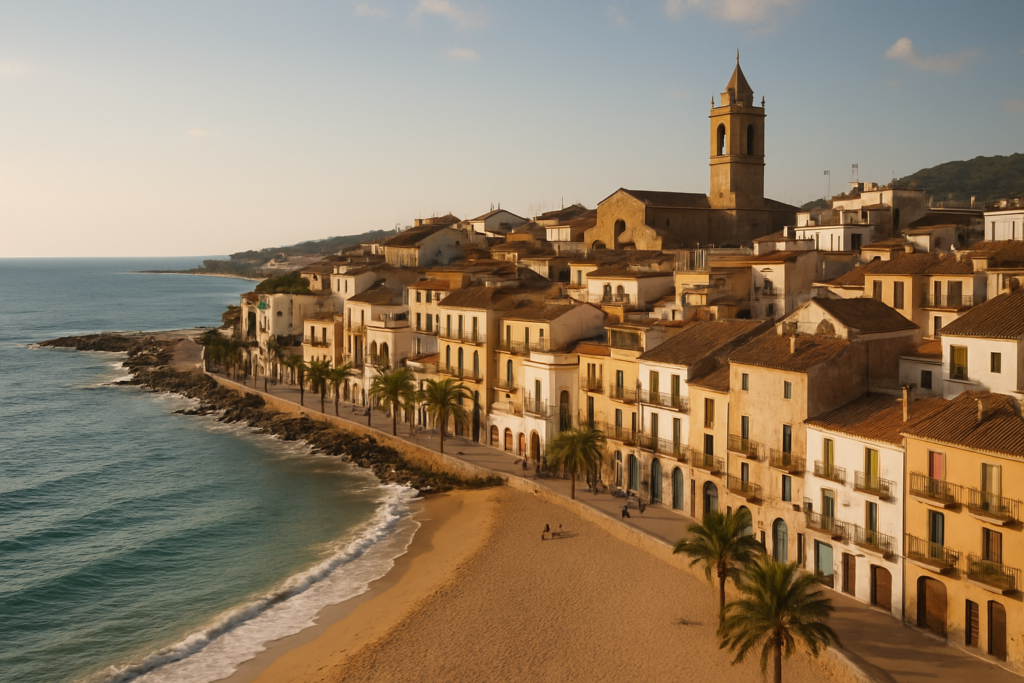
Mollet del Vallès at a glance
- About 17 km north of Barcelona, with direct commuter-rail links — roughly 25 minutes to the city centre by train.
- Two Rodalies lines serve the area (R2 and R8); major roads AP-7 and C-17 are close by.
- Mercat Municipal and the surrounding shopping streets are the heart of local commerce.
- Gallecs: a large protected agricultural and natural zone beside the town with organic farming, trails and a Romanesque church.
- Parc de Can Mulà is the main green space, featuring an artificial lake and paths for walking.
- Local cuisine leans Vallès-style: expect botifarra, mongetes (white beans) and cargols.
- No shoreline here — the Maresme coast (Premià, El Masnou) is about a 25-minute trip away.
Before you plan
Everything referred to in this guide is currently active: the Mercat Municipal, Parc de Can Mulà, Museu Abelló and the Gallecs protected area are functioning parts of local life. If a particular venue closure or redevelopment is announced elsewhere, check local sources before you travel, but there are no known permanent closures among these highlights at the time of publication.
Things to do in Mollet del Vallès
The appeal here is understated: markets and municipal life, a compact museum with a significant private collection, green urban parks and a surprisingly agricultural protected landscape on the doorstep. Use this town as a relaxed base for Barcelona or as a staging point for gentle countryside walking and seasonal markets in Gallecs.
| Attraction | What it is | Price/entry | Best for |
|---|---|---|---|
| Mercat Municipal | Local covered market and lively shopping streets | — | Food shoppers, people-watching |
| Museu Abelló | Art collection (Joan Abelló) spanning medieval to modern works | — | Art lovers, quiet indoor time |
| Parc de Can Mulà | Urban park with a lake and walking paths | — | Families, walkers |
| Gallecs | Large protected agricultural and natural area with organic farms, trails and a Romanesque church | — | Hikers, cyclists, market shoppers |
| Festa Major (Sant Vicenç) | Annual local festival with correfoc and street life | — | Visitors interested in local festivals |
Museu Abelló — surprisingly significant art in a modest setting
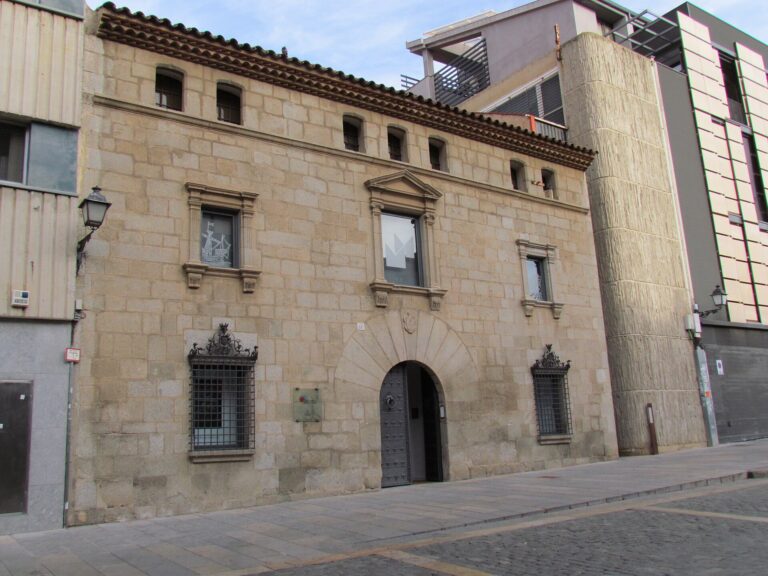
This municipal museum houses the Joan Abelló collection, notable for its range from medieval to modern pieces. It’s the cultural counterpoint to the daily life of the market and is a compact visit that rewards those who want art without the scale of a capital-city museum.
Gallecs — farmland, markets and quiet walks
Gallecs is one of the town’s best-kept secrets: a large, protected agricultural area immediately adjacent to the urban grid. It supports organic farming — even producing its own flour and bread — and hosts a Sunday market focused on local produce. Trails cut through fields and vineyards and there is a small Romanesque church tucked into the landscape. It’s the place to see the agricultural roots of the Vallès and to buy hyper-local ingredients.
Mercat Municipal and the central streets
Daily commerce here feels local and unhurried. The municipal market is the go-to for fresh produce, and the surrounding centre streets keep business and neighbourhood life lively without the crowds of tourist-heavy markets in larger cities. For eating out, the region’s Vallès cuisine is the draw: expect local sausages like botifarra, hearty bean dishes (mongetes) and dishes featuring snails (cargols) at traditional places.
Best beaches in the area
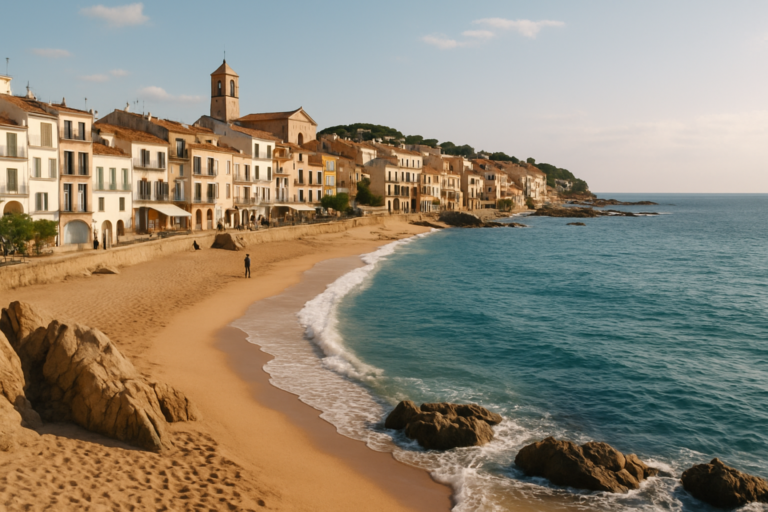
The town itself has no coastline; the nearest beaches lie on the Maresme coast, an easy trip away for a day at the sea.
| Beach | Character | Facilities/Blue Flag |
|---|---|---|
| Premià (Maresme) | Typical Maresme long sandy beach, accessible from the coast towns | — |
| El Masnou | Popular coastal town with beaches and marina | — |
Mollet del Vallès with kids
Families will find straightforward places to keep children occupied: Parc de Can Mulà’s paths and lake are ideal for running around and short strolls, while the open spaces of Gallecs serve well for longer, low‑difficulty walks and seasonal outdoor markets where kids can taste local produce. The compact town centre means short walks between market, cafes and parks, which is convenient with strollers or small children.
How to get to Mollet del Vallès and get around
Getting here and moving around is one of the town’s clear advantages: it’s an established commuter hub with strong links by both rail and road. The short rail ride to Barcelona makes it a convenient base if you plan multiple day trips to the capital. Within the town, the market and main sights are walkable; Gallecs is accessible by short local trips or bike.
| From | By | Approx time |
|---|---|---|
| Barcelona centre | Rodalies commuter train | About 25 minutes |
| Maresme coast (Premià / El Masnou) | Regional train or car | About 25 minutes |
Where to stay
Accommodation clusters are small and practical rather than glamorous. Consider these neighbourhood options depending on your priorities:
- Town centre and around the Mercat Municipal — best for walking to shops, cafés and everyday life.
- Near the rail station — ideal if you plan frequent trips into Barcelona or along the regional rail network.
- On the edge toward Gallecs — suitable for visitors prioritising countryside access, walking and markets.
Best time to visit Mollet del Vallès
Spring and autumn are the most pleasant seasons for exploring both town and surrounding countryside: temperatures are moderate and the agricultural landscape is active. Summers are hot and noticeably drier here than on the coast, so expect warm conditions if you visit then. Use the shoulder seasons for walking and markets; summer if you want combined beach days on the nearby Maresme coast.
| Season | Months | What to expect |
|---|---|---|
| Spring | Spring months | Good for walking in Gallecs and outdoor markets |
| Summer | Summer months | Hotter and drier than the coast; pair visits with Maresme beaches |
| Autumn | Autumn months | Comfortable temperatures, harvest season activity in farmland |
| Winter | Winter months | Quieter town life; indoor visits like Museu Abelló suit this time |
History of the town
The area grew as part of the Vallès region’s agricultural and industrial development. The nearby Gallecs landscape preserves older layers of rural life, including a Romanesque church that hints at medieval roots. In more recent times the town evolved into a commuter and logistics hub, benefitting from rail and motorway links that tie it to Barcelona while its market and municipal institutions maintain a distinct local rhythm.
Practical info
- Language: Catalan is the dominant language locally; Spanish is also widely spoken.
- Transport links: Two Rodalies lines (R2 and R8) serve the town; AP-7 and C-17 motorways are nearby, making car travel to surrounding areas straightforward.
- Food and markets: The Mercat Municipal and local restaurants serve Vallès cuisine staples — botifarra, mongetes and cargols are regional dishes to try.
- Green spaces: Parc de Can Mulà provides an urban green centre with a lake; Gallecs offers protected farmland, trails and a Sunday market with local produce and products such as bread and flour made from locally milled grain.
Worth it for: travellers seeking an authentic, non-touristy Catalan town with quick access to Barcelona, walkers and food shoppers who enjoy weekly markets and local ingredients, and families wanting green urban parks and nearby countryside. Less so if: you want a beach resort feel on site, or a place where nightlife and major tourist monuments are your primary aim.
How we assess this guide
This guide was assembled from verified local and regional sources and cross-checked for operational status of markets, parks and museums. We flag closures and major changes where known and avoid unverified details such as specific opening hours or ticket prices; check local listings for those before you travel. This is not first-hand field reporting but a synthesis intended to set realistic expectations and help plan a visit focused on local life and easy trips to Barcelona.
Frequently asked questions
How long does it take to get to Barcelona from here?
The commuter train takes approximately 25 minutes to reach Barcelona city centre, making the town a convenient base for day trips to the capital.
Is Mollet del Vallès expensive to visit?
Costs are generally lower than staying in central Barcelona; the town functions as a residential and commuter centre with local markets and everyday services rather than tourist pricing. Exact expenses depend on your accommodation and dining choices.
Which nearby beach is best for a day trip?
The Maresme coast is the closest beach area. Towns such as Premià and El Masnou on the Maresme are about a 25-minute trip away and provide sandy beaches and coastal amenities.
How many days should I spend here?
One to three days works well: a day to explore the market, Museu Abelló and Parc de Can Mulà; another for Gallecs and local markets or a relaxed base for Barcelona day trips. Extend your stay if you plan repeated trips to the coast or surrounding towns.
Is this town good for families?
Yes — Parc de Can Mulà and the open spaces of Gallecs offer family-friendly outdoor activities, and the compact centre keeps walks short. Markets and local eateries are convenient for children.
Can I get around without a car?
Yes. The town centre is walkable, and regional trains connect to Barcelona and the coast. Gallecs and some rural areas are reachable by bike or short local trips.
Is parking difficult?
Parking tends to be more straightforward than in central Barcelona, reflecting the town’s residential character. For specific parking rules or paid zones, check local municipal information.
What are good options for rainy days?
Indoor options include Museu Abelló for art and leisurely exploration of the Mercat Municipal covered market and neighbouring streets for cafés and shops.
When is the local Festa Major?
The town celebrates a Festa Major around Sant Vicenç, featuring correfoc and lively street activity. Exact dates change year to year, so consult the local events calendar when planning.
Which language should I use?
Catalan is the dominant local language; Spanish is also widely understood. A few Catalan phrases are appreciated in local interactions.
Is Gallecs worth visiting?
Yes. Gallecs is a protected agricultural and natural area with organic farming, a Sunday market, walking trails and a Romanesque church — it offers a pastoral contrast to urban visits and is notable for local food production like flour and bread.
How accessible are the town’s green spaces?
Parc de Can Mulà is the main urban green area with paths around an artificial lake; Gallecs provides more extensive rural trails. Both are used by locals for walking and outdoor activities.
Are there good local food specialities to try?
Local Vallès cuisine includes botifarra (sausage), mongetes (white beans) and cargols (snails). Markets and traditional restaurants are the places to try them.
Is the town a good base for exploring the Vallès region?
Yes. Its transport links and location about 17 km north of Barcelona make the town a practical hub for exploring the wider Vallès Oriental and neighbouring towns or for commuting into the capital.
Can I visit both the town and nearby beaches in one trip?
Yes. The Maresme coast beaches are about a 25-minute trip away, allowing easy combination of inland town visits, countryside walks and seaside days.
Plan the wider trip
- Granollers
- Mataró
- Esplugues de Llobregat
- Pallejà
- Gavà
- Vic
Nearby on the Costa de Barcelona
Mollet Del Valles on the map
Places worth knowing near Mollet Del Valles
This place is part of our Costa Barcelona Guide: Maresme, Garraf, Sitges & Penedès — see every town, beach and cove we have mapped on that coast.
How this page is maintained. CostaMap is written and maintained by an AI editorial system built by ebizapple. Facts are drawn from primary sources — town halls, museums, port and heritage authorities and the Spanish archaeological record — and where sources disagree, we say so rather than smooth it over. Photographs marked as ours are taken on location. This page was last reviewed on 11 August 2026. Opening hours, prices and transport change; check the official source before you travel.