
Expect a small, quietly historic Catalan town that sits at the crossroads between Girona’s inland lanes and the Costa Brava coast. Maçanet de la Selva is not a beach resort or a bustling tourist magnet — it’s best appreciated by people who like low-key castle ruins, small Romanesque churches and a sense of regional transport geography that matters more than glossy visitor facilities.
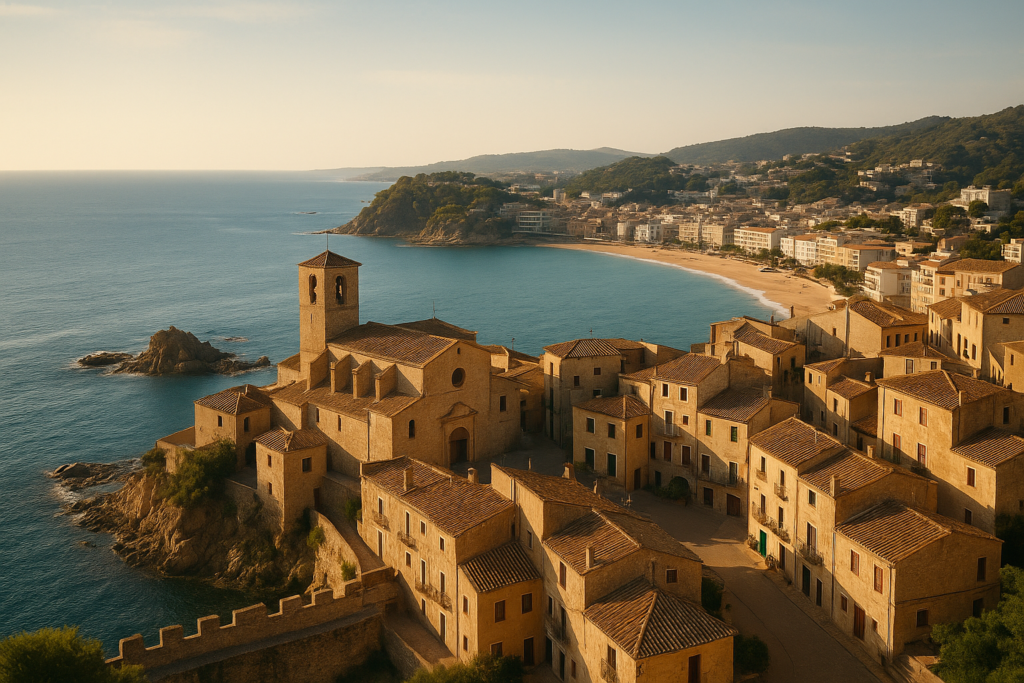
Maçanet de la Selva at a glance
- Province: Girona, in the comarca of La Selva.
- Close to the Costa Brava: Lloret de Mar is roughly 15 km away.
- Transport node: routes from the coast converge here to form an axis north towards Girona.
- Rail access: RENFE lines run through the municipality towards Blanes and the coast.
- Shared railway station: the station is shared with the neighbouring municipality of Massanes.
- Archaeology and heritage: home to the Montbarbat Iberian settlement and part of La Selva’s castles route.
Before you plan
Nothing in the core verified facts indicates major closures or redevelopment affecting the main heritage sites; check local sources if you need opening hours for churches or access to archaeological sites, as hours and visitor services can be seasonal or restricted.
Things to do in Maçanet de la Selva
There are no theme parks or major museums here; the town’s appeal is local history and landscape: a ruined hilltop castle, Romanesque church fabric, an Iberian settlement and small parish churches that map a long local story. Expect short visits to individual sights rather than full-day attractions.
| Attraction | What it is | Price/entry | Best for |
|---|---|---|---|
| Torcafelló Castle (Castell de Torcafelló) | Medieval hilltop castle ruins overlooking the town | – | History buffs, walkers, photographers |
| Sant Llorenç | Romanesque parish church in the historic centre | – | Architecture and religious heritage |
| Montbarbat Iberian settlement | Ancient Iberian archaeological site | – | Archaeology enthusiasts |
| Sant Pere de Martorell | Another local church in the surrounding area | – | Quiet chapel visits, local history |
Castell de Torcafelló — the hilltop outline
The most visually arresting site is the ruined Castell de Torcafelló, which stands above the town. The remains mark a medieval defensive point and form part of La Selva’s “Castles of the county” heritage route. Visitors who like short uphill walks and wide views of the surrounding Selva countryside will find the site satisfying; bring sturdy shoes because the terrain is uneven and the ruins are not a restored showpiece but an evocative silhouette.
Sant Llorenç and local churches
At the heart of the historic centre sits the parish church of Sant Llorenç, a Romanesque building that anchors the old town. Nearby in the area is the Church of Sant Pere de Martorell, another ecclesiastical landmark. These churches are compact, built for local worship rather than tourism; they reward a gentle stroll through narrow streets and offer a close-up sense of Romanesque architecture without the crowds you’d find in Girona.
Montbarbat — traces of pre-Roman settlement
The Montbarbat Iberian settlement is a reminder that the human story here goes back well before the Middle Ages. The site provides archaeological interest rather than a high-service visitor experience: think exposed remains and interpretive value for those interested in Iberian-period settlement patterns in Catalonia rather than museum displays.
Best beaches in the area
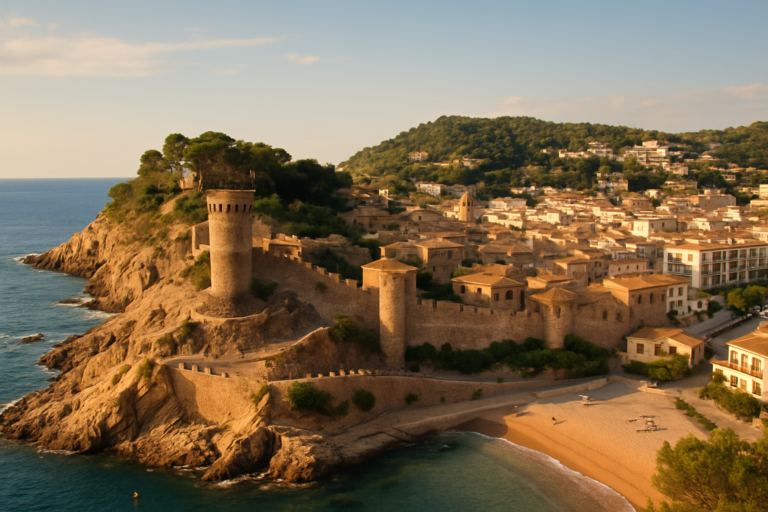
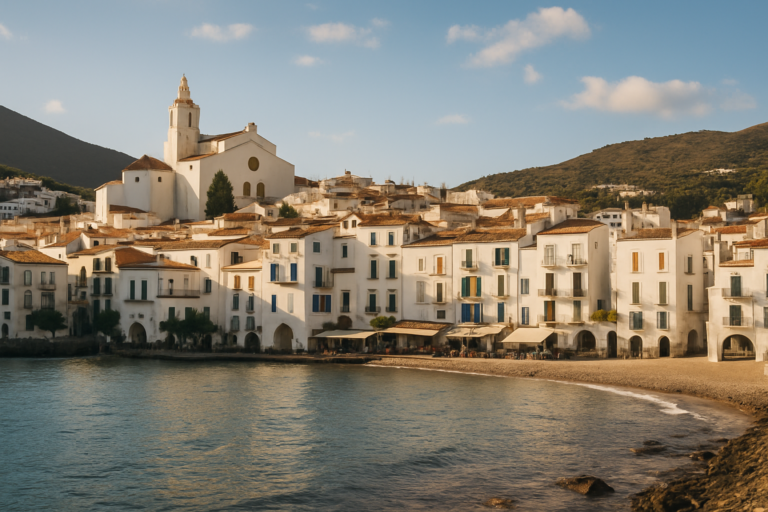
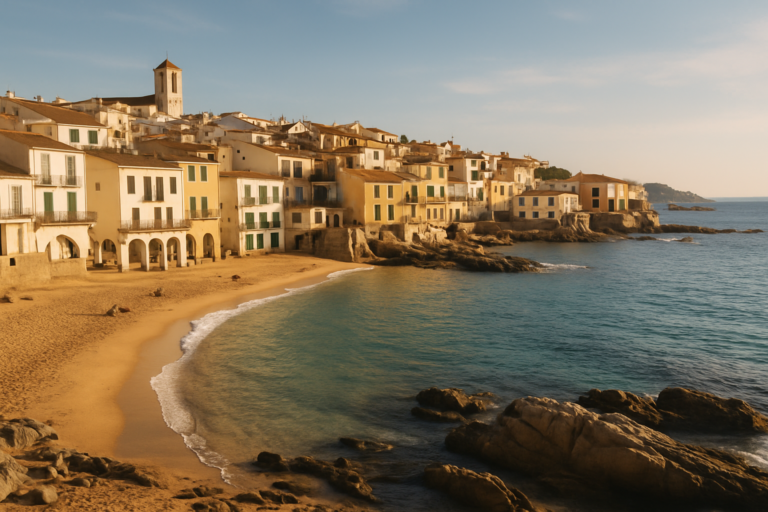
Maçanet de la Selva itself is inland and has no beaches, but the Costa Brava coast is within easy reach. If you want to combine a quiet historic visit with a beach day, the coastal towns of Blanes, Lloret de Mar and Tossa de Mar are the obvious options; Lloret is roughly 15 km away, making same-day trips straightforward by car or rail connections that run toward the coast.
Maçanet de la Selva with kids
This is a low-key family destination. Children who enjoy exploring ruins, short countryside walks and poking around small churches will be content for a half-day. The Montbarbat site and the castle ruins are compact enough to hold the interest of younger kids, but there are no purpose-built play areas or major family attractions in town — you’ll need to travel to the coast for beaches and bigger attractions.
How to get to Maçanet de la Selva and get around
Getting here benefits from the town’s role as a regional communications junction. If you’re approaching from the coast or Girona you’ll notice roads and rail lines that funnel toward the same northbound axis. Public transport is dominated by RENFE regional rail services that link the municipality with Blanes and coastal towns; the local station is shared with the neighbouring municipality of Massanes.
| From | By | Approx time |
|---|---|---|
| Blanes / the coast | RENFE regional lines | – |
| Girona and points north | Roads that form an axis north from coastal routes | – |
Where to stay in Maçanet de la Selva
This is primarily a day-visit and local-stay destination; accommodation choices are limited compared with nearby coastal resorts. If you want quick coastal access, consider staying in Lloret de Mar, Blanes or Tossa de Mar and using Maçanet de la Selva for a half-day excursion. Staying in the town itself suits travellers seeking quiet mornings and short walks to local heritage sites, while a coastal base suits those prioritising beaches and nightlife.
Best time to visit Maçanet de la Selva
The town works year-round for short cultural visits because its attractions are mostly outdoors or visible from public spaces. Peak tourist months on the nearby coast will be busier; if you prefer quieter streets and easier access to heritage spots, shoulder seasons outside high summer are sensible. There are no specific festival dates in the verified data, so check local listings if timing events matters to your trip.
History of Maçanet de la Selva
The settlement has deep roots: archaeologists identify an Iberian settlement at Montbarbat, indicating pre-Roman occupation. In the Middle Ages the area developed a defensive network, of which the Castell de Torcafelló is a surviving landmark. Over time religious life centered in compact Romanesque churches such as Sant Llorenç and smaller chapels like Sant Pere de Martorell. Today the town’s fabric reflects that layered past — from Iberian traces through medieval fortifications to parish churches that kept local life centred in a modest historic core.
Practical info
- Rail travel: RENFE regional rail serves the municipality, with lines running toward Blanes and connecting coastal towns with inland routes.
- Station details: the town’s railway station is a shared facility with the neighbouring municipality of Massanes; if you arrive by train, check the station name on timetables to confirm stops.
- Communications: the town is an important regional junction where routes from the coast converge and continue north toward Girona.
- Services and facilities: expect basic local services; larger retail, dining choices and tourist infrastructure are more abundant on the nearby coast.
Worth it for: people who like off-the-beaten-path historic sites, short hikes to atmospheric ruins and a compact slice of rural Catalonia with quick coastal access. Less so if: you want beach resort facilities, a broad range of restaurants and nightlife or major museums — for those, pick a Costa Brava town on the shore.
How we assess this guide
We compiled this guide from verified sources about local heritage, transport and geography. Facts about churches, the castle ruins, the Iberian settlement and rail services are cross-checked; we flag closures and recommend checking local opening times because small sites often have seasonal access or limited visitor services. This guide synthesises those verified claims — it is not original field reporting, but aims to set pragmatic expectations and reduce disappointment for visitors.
Frequently asked questions
How do I get from the coast to Maçanet de la Selva?
Regional RENFE lines run from coastal towns such as Blanes toward the municipality, and roads from the coast also converge here en route north to Girona. The station that serves the area is shared with the neighbouring municipality of Massanes, so check timetables for the stop name you need.
Is Maçanet de la Selva expensive to visit?
The verified information does not include prices for attractions or services. Generally, small inland towns in Catalonia tend to be less costly than major tourist resorts on the Costa Brava, but for specifics you’ll need to check current prices for accommodation and dining in the places where you plan to stay.
Which nearby beach is best for a day trip?
The town itself is inland. Lloret de Mar is roughly 15 km away and is a straightforward option for a day at the beach; Blanes and Tossa de Mar are also within easy reach. Choose your beach destination based on whether you want lively resort atmosphere (Lloret) or a more historical, scenic coast (Tossa).
How many days should I plan in Maçanet de la Selva?
Most visitors can see the main local sights — the castle ruins, Sant Llorenç and Montbarbat — within a half-day to a full day. Combine the visit with coastal or regional excursions if you want a longer stay in the area.
Is Maçanet de la Selva suitable for families?
Yes for families who enjoy short walks, ruins and small archaeological sites. There are no large family attractions in the town itself, so combine it with coastal beaches or larger attractions nearby if you need more child-focused activities.
Can I get around without a car?
Yes; RENFE regional rail services link the municipality with coastal towns and provide a public-transport option. Local mobility on foot is straightforward within the town, but a car gives greater flexibility for countryside exploration and reaching dispersed sites.
Are there parking facilities?
Verified sources confirm the town is a communications junction with a shared railway station, but do not provide specific parking information. Expect limited town-centre parking typical of small Catalan towns; for precise parking options check local municipal resources before arrival.
What can I do on a rainy day?
The verified facts focus on outdoor and heritage sites; no indoor museums or rain-specific attractions are listed in those sources. If rain is likely, consider visiting nearby larger towns on the coast or Girona for museums and covered activities not documented in the local data used here.
When is the best time to visit?
The town’s main sights are largely outdoor and viewable year-round, but coastal peak months will be busier. For quieter streets and easier access to hilltop ruins and archaeological sites, visit outside the height of summer.
Are the castle and archaeological sites part of any heritage routes?
Yes — the castle features on La Selva’s “Castles of the county” heritage route, and the area includes the Montbarbat Iberian settlement, which contributes to the region’s longer historical narrative.
What languages will I hear locally?
The verified dataset identifies the town in Catalonia; Catalan and Spanish are the region’s primary languages. For specific local-language services, check with businesses or the local tourist office.
How is the railway station named?
The station serving the municipality is shared with the neighbouring town of Massanes. Timetables and tickets often reference the shared station name; verify the exact station when you book to ensure you alight at the correct stop.
Are there guided tours of the castle or archaeological sites?
There are no verified claims in the data about organised guided tours. If guided visits are important to you, contact local tourist offices or regional heritage organisations in La Selva to confirm current offerings.
Is Maçanet de la Selva part of a wider itinerary?
Yes — it pairs naturally with visits to nearby Costa Brava towns and other Selva comarca sites. The area’s communications routes make it a convenient stop between the coast and Girona.
Plan the wider trip
Nearby on the Costa Brava
Macanet De La Selva on the map
Places worth knowing near Macanet De La Selva
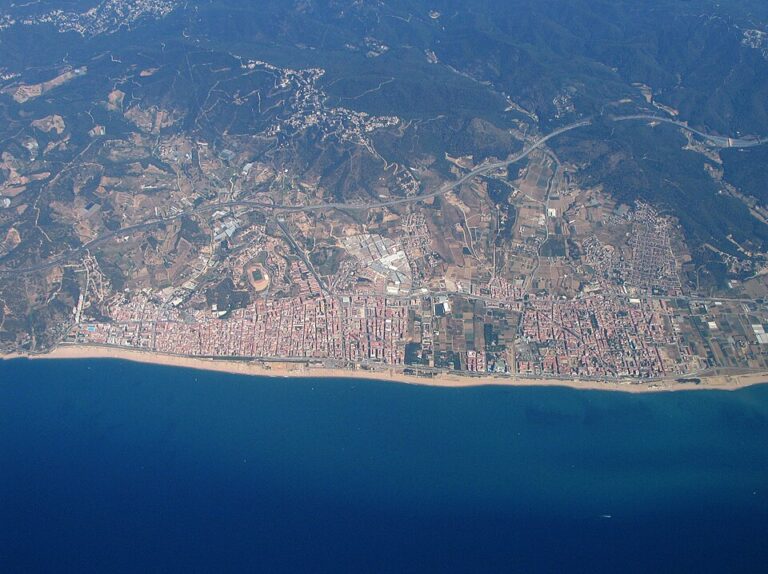
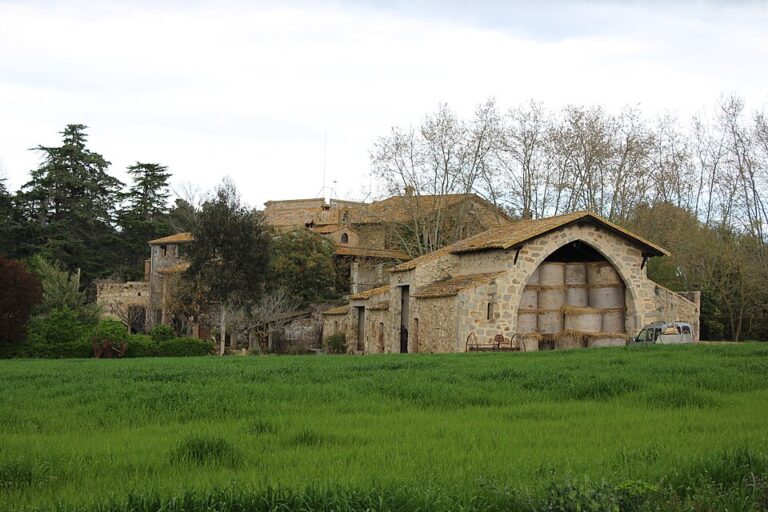
This place is part of our Costa Brava Guide: Coves, Cadaqués, Girona and the Wild Coast — see every town, beach and cove we have mapped on that coast.
How this page is maintained. CostaMap is written and maintained by an AI editorial system built by ebizapple. Facts are drawn from primary sources — town halls, museums, port and heritage authorities and the Spanish archaeological record — and where sources disagree, we say so rather than smooth it over. Photographs marked as ours are taken on location. This page was last reviewed on 14 August 2026. Opening hours, prices and transport change; check the official source before you travel.