
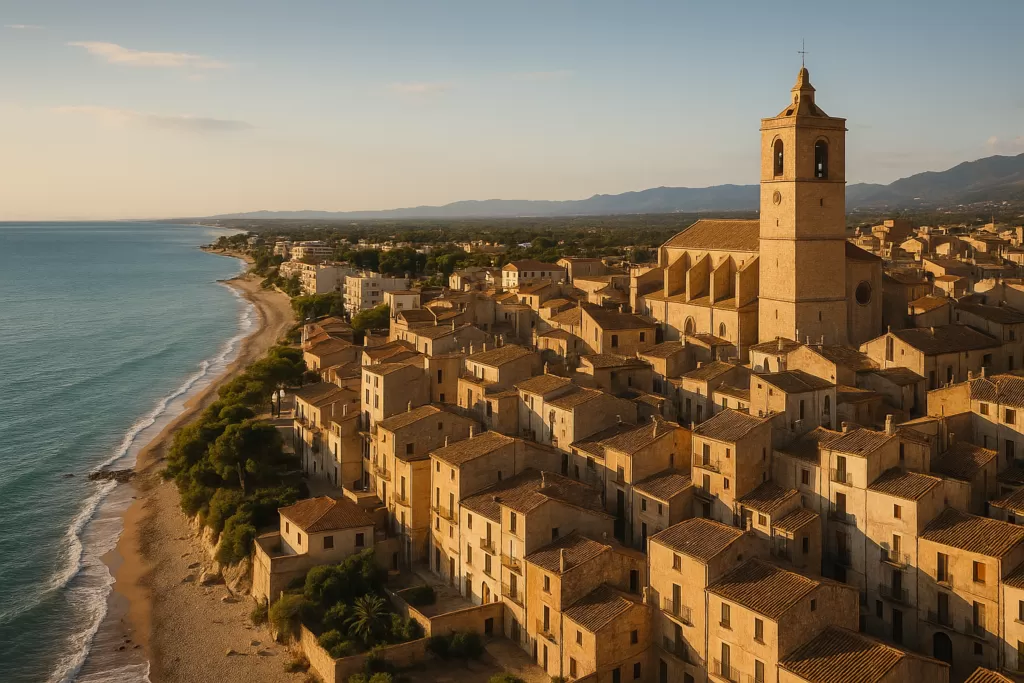
Mont-roig del Camp: Mas Miró, Old Village and Miami Platja Coves
Mont-roig del Camp suits visitors who want a quiet Costa Dorada (Costa Daurada in Catalan) base with an art-and-coast split: a hill village that holds the farmhouse where Joan Miró worked, and Miami Platja, the seaside district with small coves and a promenade. It has 14,615 residents (INE, 1 January 2025) and the two halves are separate places, so decide before you book which one you are sleeping in. Skip it if you want big-resort nightlife: the town’s own tourism site sells coves, walking and the Miró landscape. It is part of our Costa Dorada guide.
Quick facts
- Where: Mont-roig del Camp, comarca of Baix Camp, province of Tarragona, Catalonia. The municipality has two centres: the village and Miami Platja on the coast.
- Residents: 14,615 (1 January 2025, INE).
- Beach: yes, but only at Miami Platja. The village sits inland; the two centres are about 7 km apart in a straight line (OpenStreetMap coordinates), and you will want a car or bus between them.
- Language: Catalan and Spanish. The council’s tourism site and the Mas Miró site both have English versions, though some visit details are Catalan only.
- Nearby towns: Cambrils, Salou, Reus and Tarragona are the bigger bases along the same coast.
- Climate: 16.1 °C annual mean at the Reus airport weather station (AEMET, 1981–2010 averages).
- Tourist office: Plaça de Tarragona, Miami Platja, phone 977 810 978 (council tourism site).
- Guide: our Costa Dorada guide covers the wider coast.
Mont-roig del Camp on the map
Beaches, sights and nearby towns with a CostaMap page. Click a pin to open it, or switch to places to stay.
Where to base yourself
The choice is simple, because the municipality really is two places. Pick by what you want from the trip: the sea at your door, or a village that is quiet in the evening and close to the art.
Miami Platja
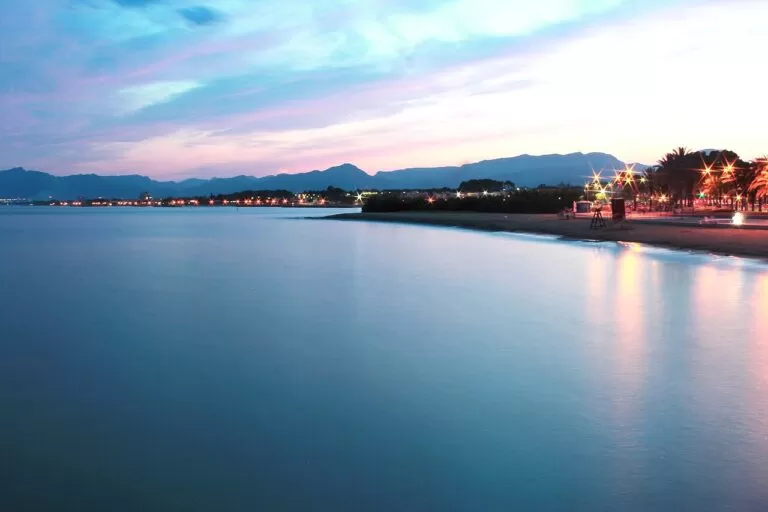
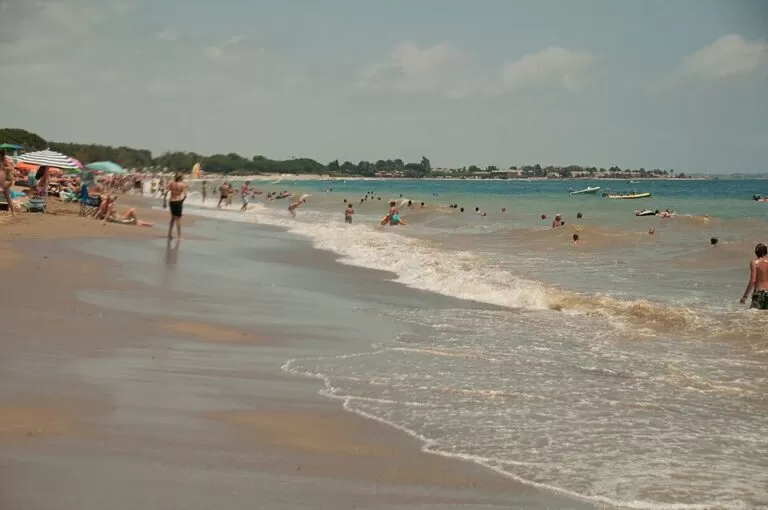
This is the coastal centre, and it is where a beach holiday happens. The council’s tourism site describes its coves and the Passeig de les Cales, the seafront promenade, and lists kayaking, paddle surfing, wingfoil and diving taster sessions along the coast. It suits families, couples who want to swim before breakfast and anyone travelling without a car who is happy to stay put. It is also the base for the tourist office.
Mont-roig village
The village is a walled medieval settlement, according to the council, with a castle once at its top and a layout that you can still walk. It suits a slower, cheaper-feeling stay, visitors who came for Miró, and anyone who prefers tiled lanes to a promenade. You will need a car or a bus to reach the water, and the village is quiet once the day visitors leave.
Neither: a bigger town next door
If you want more restaurants, a harbour and more beach choice in one place, Cambrils is the stronger base and Mont-roig becomes a day trip. For the resort end of the coast, see Salou. The council lists a Plana bus line running Reus – Cambrils – Miami – L’Hospitalet, so the three connect without a car.
Things to do
The two big draws are Miró and the old village. Neither takes a full day, which is the honest case for combining them with a beach morning.
Mas Miró and the Miró landscape
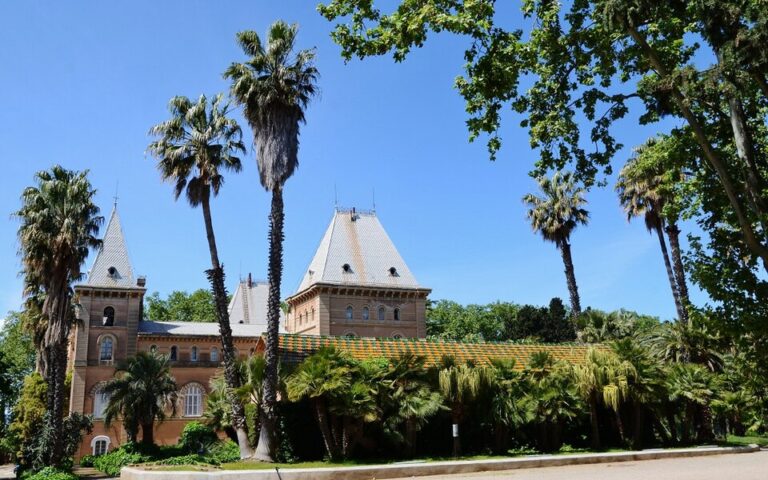
Joan Miró first came to the family farmhouse at Mont-roig at 18, to recover from a serious illness, and the regional tourism board says the bond lasted sixty-five years. The Fundació Mas Miró runs guided visits, a self-guided audioguide visit that includes a route called the emotional landscape of Miró, theatrical visits, family visits, a guided tour that ends with a tasting, and a surrealist escape room, Miró Oníric. Tickets are sold through the foundation’s online ticket portal, and some activities need prior registration. The foundation’s page did not show prices or opening hours in the text we read, so check masmiro.com before you drive out. Whether a given tour is offered in English is something to confirm with the foundation too.
The Camí Natural del Mas Miró, a path in the same landscape, is listed by the foundation among the free activities. The regional board says visitors can walk paths Miró used between the sea and the village, once lined with almond and carob trees.
Mont-roig also sits in what the regional board calls the Landscape of Geniuses, a route that links the Gaudí Centre in Reus, the birthplace of Pau Casals in El Vendrell and the Picasso Centre in Horta de Sant Joan. If you like to build a trip around artists, this is the cluster.
The old town
The council’s old-town page gives a clear walk. Start at the Avall Gate in Joan Miró Square, the town’s main entrance in the Middle Ages, and follow Murada Street, where remains of the wall can be seen, to the Canal Gate, a double gate with a tower. From there go north to the Torrells house tower, also called the Moor’s Tower, on Mare de Déu de la Roca Street. The remains of the old prison are behind the New Church on Carrer de la Pica, with an arched doorway of red mountain stone and a barred window.
The church of Sant Miquel stands where the medieval castle once did. The design began in 1780, works stopped in 1835 and the first mass was held in 1946. It is unfinished, and locals call it the cathedral of Baix Camp. The Old Church next to it is a Renaissance building with a double doorway in classical style. Its bell tower was built using the old defence tower that guarded the Avall Gate. No services are held in the old church, but the bell still rings the hours.
The hermitage of the Mare de Déu de la Roca
The council lists the hermitage of the Mare de Déu de la Roca under its heritage pages and says it is reached by several paths on the Mont-roig side, one of them through the Barranc de la Mina de les Nines. The council’s site also shows an accessibility mark for the hermitage page. We could not read distances, gradients or opening times, so treat it as a walk to plan locally, not as something to fit into an hour.
Beaches and places nearby
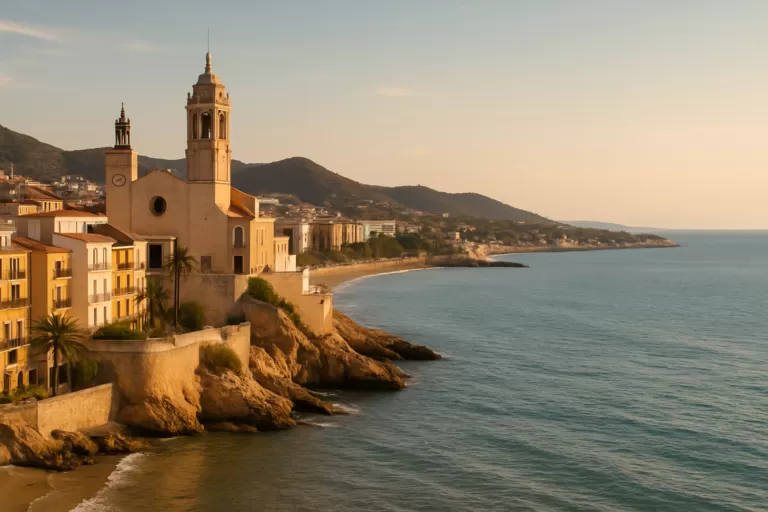
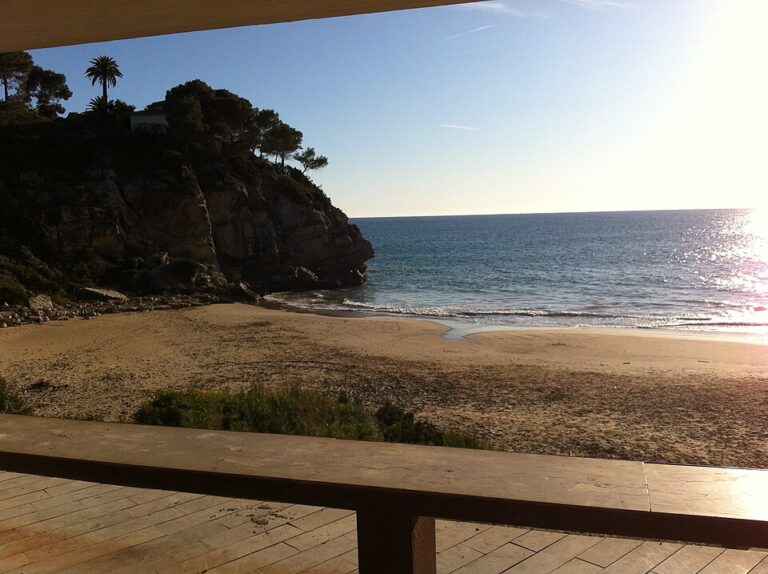
The coast belongs to Miami Platja. The council describes beaches and coves with turquoise, crystal-clear waters, and says there is something for every taste, even to enjoy with your pet. Its beach map lists the services it tracks: toilets, accessible toilets, beach bars, sun loungers, parking, playgrounds and promenades, and it flags Blue Flag beaches, the TUR4all accessibility mark and beaches where dogs are allowed. The map itself is an interactive widget, so we cannot say here which cove has which service.
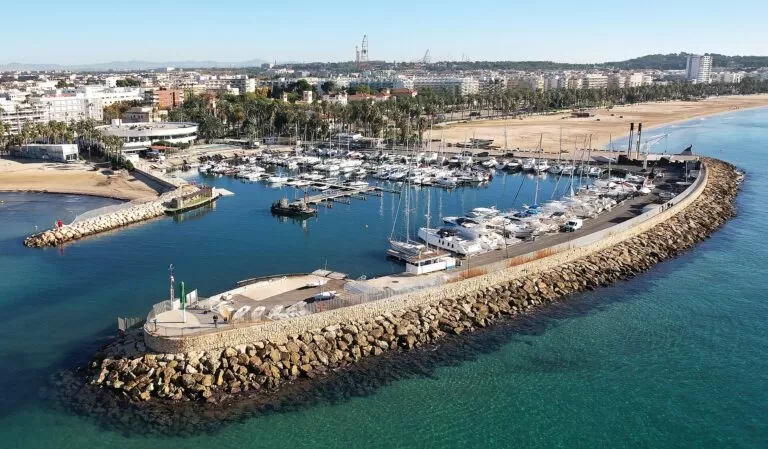
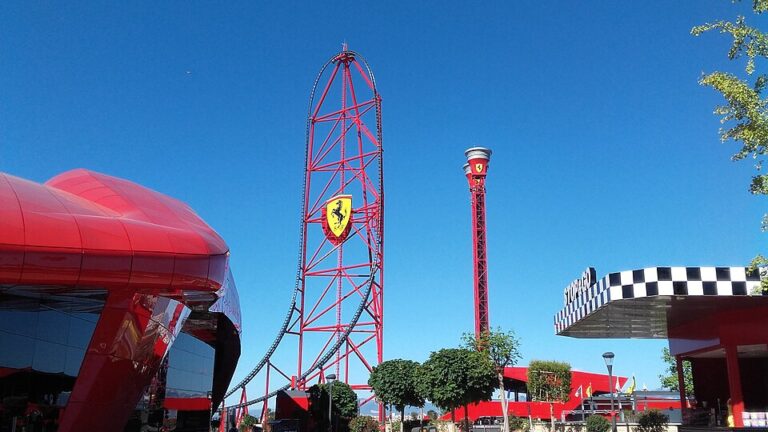
Along the coast, Cambrils is the nearest bigger town and Salou and its theme-park area are further up. The Salou, Cambrils and PortAventura region page shows the places we have mapped there, and Tarragona with its Roman remains is the usual day trip for culture.
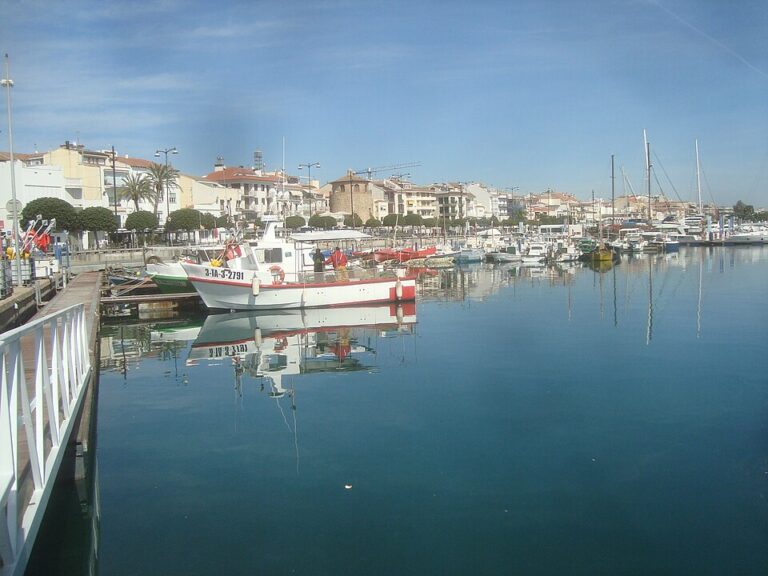
On CostaMap near Mont-roig del Camp: Parc Samà (Cambrils) (5.5 km) · Port de Cambrils (Cambrils) (8.9 km).
Food and drink
The council’s tourism site has sections on gastronomy, local products, and bars and restaurants, and it runs an autumn rice-cooking gastronomic event with participating restaurants. We did not read a year and dates for the current edition, so check the events page of the tourism site before planning around it. The Sabors del Mas Miró tour is another way in: a guided visit that links Miró to the land and ends with a tasting.
We have not verified individual restaurants, so none are named here. Ask what rice dishes are on, since rice is the cooking the council promotes.
Where to stay
We have not verified listings, so this section describes types, not prices. Miami Platja has the beach apartments and the seafront, and the council’s tourism site has an accommodation section where you can compare. Camping is a big part of this stretch of coast: our pages on Alannia Els Prats and Alannia Costa Dorada cover two campsite resorts nearby. The council lists no train station in the municipality, so for a car-free week Miami Platja, on the bus lines below, is the safer choice.
Getting there and around
By car, you will usually arrive from the Tarragona side along the coast; the two centres are about 7 km apart in a straight line, so a car makes it easy to split a day between sea and village. Parking details for the old town and the coves are not on the pages we read, so allow extra time in summer.
By public transport, the council’s downloads page lists the main lines. By bus, Monbús runs Pratdip – Mont-roig – Reus – Tarragona; HIFE runs services to Miami Platja from Tarragona, Zaragoza and Andorra; and Plana runs Tarragona – Cambrils – Mont-roig, Reus – Cambrils – Miami – L’Hospitalet and Reus Hospital – Miami Platja. By train, the council lists the R16 line between L’Hospitalet and Barcelona. The council does not give frequencies or fares in the text we read, so check the current timetables with the operators before relying on a connection, especially in the evening.
We have not verified airport distances or drive times, so we do not give them. Reus is the nearest town with a bus link on the list above, and it is the sensible place to look at transfer options.
Best time to visit
The Reus airport weather station, which is the closest AEMET climate station we read, gives an annual mean of 16.1 °C for 1981–2010. January averages 9.0 °C, July 24.2 °C and August 24.6 °C. Annual rainfall is 500 mm, and September is the wettest month at 77 mm, so a late-season beach week is not guaranteed dry. These are averages from a station inland, so the coast can feel different.
Summer is the beach season and the film festival season: the council advertises a free outdoor film festival at Miami Platja each summer, with the dates given as 2 July to 28 August on the page we read, and no year. Check the year on the events page. Outside summer, the village, the Miró farm and the hermitage walk are more comfortable, and Miami Platja is quiet.
FAQ
Is Mont-roig del Camp on the beach?
Only partly. The coast belongs to Miami Platja, the seaside district, while the village is inland. The two are about 7 km apart in a straight line.
Is the Mas Miró worth visiting if I do not know Miró’s work?
It is the farmhouse of the Miró family, where the painter first came at 18 and kept coming for sixty-five years, according to the regional tourism board. The foundation offers guided, audioguide and family visits. Check prices and languages on masmiro.com first.
Can I get here without a car?
Partly. The council lists bus lines to Miami Platja and the village from Reus, Tarragona and Cambrils, and the R16 train line runs L’Hospitalet to Barcelona. Confirm timetables with the operators before you travel.
Which is better, Mont-roig del Camp or Cambrils?
Cambrils is larger, with more of everything. Mont-roig suits you if you want Miró, coves and quieter evenings. You can also stay in one and visit the other.
Sources and freshness
11 sources Show
Last checked: November 2026. Sources: Costa Daurada tourism board, Mas Miró; Mont-roig del Camp and Miami Platja tourism site; Mont-roig tourism site, old town; Mont-roig tourism site, beaches and coves; Mont-roig tourism site, map of beaches and coves; Mont-roig tourism site, hermitage of the Mare de Déu de la Roca; Mont-roig tourism site, transport downloads; Fundació Mas Miró; INE, population by municipality; AEMET, Reus Aeropuerto climate values; OpenStreetMap, Plaça de Joan Miró.
Nearby on the Costa Dorada
The nearest town guides on this coast, by straight-line distance from Mont-roig del Camp.

Places worth knowing near Mont Roig Del Camp
How this page is made. CostaMap is written with an AI editorial system run by Ebizapple. This page is based on the sources listed above. Last updated 17 November 2026. Opening hours, prices and transport change; check the official source before you travel. How we work · Partner links and ads