
Expect a layered visit: a steep, compact old town of stone streets and a dominant cathedral, riverfront scenes shaped by rice paddies downstream, and a strong local identity tied to the Ebro. This guide tells you what really matters—what’s reliable, what’s seasonal, and what helps avoid disappointment—so you can plan time for the town’s history, the surrounding wetlands, and the hills beyond rather than chasing imagined amenities.
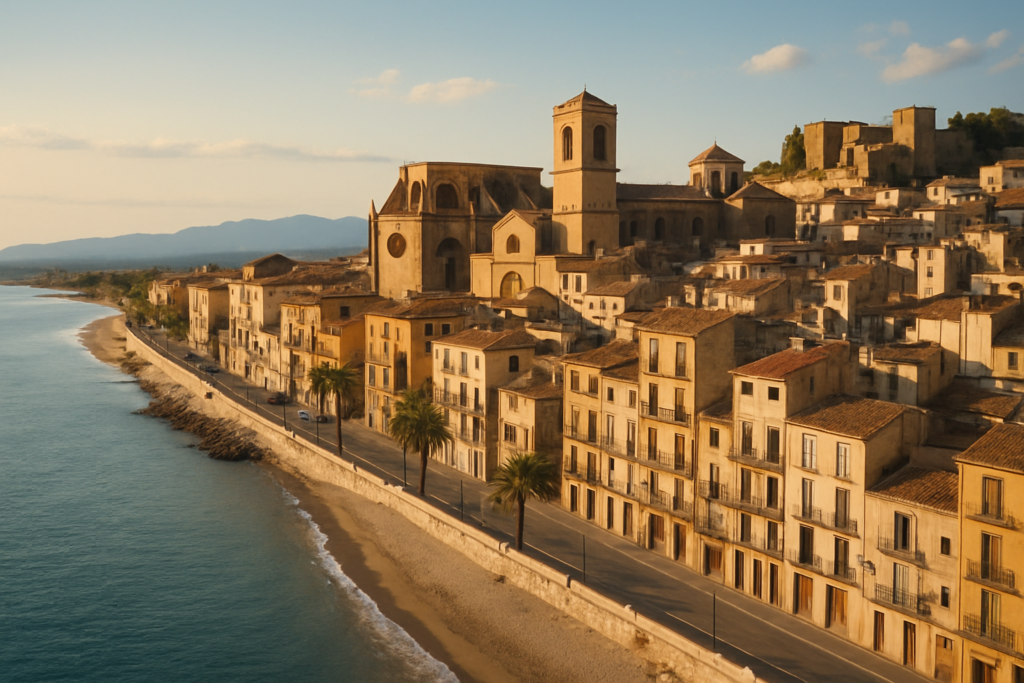
Tortosa at a glance
- Historic centre crowned by a hilltop castle that now houses a Parador hotel with valley views.
- A Gothic cathedral (Santa María) built between the 14th and 18th centuries dominates the old town skyline.
- Modernista riverside market: an early-20th-century iron-and-glass building beside the Ebro.
- Close to the Ebro Delta Natural Park — a top western Mediterranean wetland for rice landscapes and birdwatching.
- Annual Renaissance Festival in summer fills the streets with period costume and markets.
- Good access to hiking and gorges in the nearby Ports de Tortosa-Beseit mountains.
- Local cuisine is rice-centred, with dishes such as arròs a banda and delta eel specialties.
Before you plan
There are no verified closures among the attractions noted here, but note that key experiences are seasonal: the Renaissance Festival occurs each summer and birdwatching in the Ebro Delta is tied to migration and breeding seasons. Boat trips run downstream toward the delta; check local providers for current timetables and availability before you go.
Things to do in Tortosa
The town rewards slow exploration: follow the old town lanes, visit the cathedral and college complex, buy food at the Modernista market, and use the Ebro as a starting point for nature outings. Beyond the centre lie wetlands teeming with birds and a mountain range offering real wilderness. Below is a quick comparison of principal attractions to help you prioritise.
| Attraction | What it is | Price/entry | Best for |
|---|---|---|---|
| Castell de la Suda / Parador | Hilltop castle of Moorish origin, site of a Parador hotel with views over the Ebro valley | – | History, panoramas, staying in a landmark building |
| Tortosa Cathedral (Santa María) | Large Gothic cathedral built between the 14th and 18th centuries on a former mosque site | – | Architecture, religious art, history |
| Modernista Municipal Market | Early-20th-century iron-and-glass riverside market | – | Food shopping, local produce, photography |
| Reials Col·legis | Renaissance college complex founded in the 16th century | – | Renaissance architecture, historic interiors |
| Ebro Delta Natural Park | Important wetland with rice paddies and birdlife including flamingos | – | Birdwatching, nature photography, rice-culture food |
| Ports de Tortosa-Beseit | Rugged mountains and gorges to the west, habitat for wildlife such as Iberian ibex | – | Hiking, gorges, wildlife spotting |
| Old Jewish quarter (Call) | Medieval Jewish quarter preserved within the winding streets of the old town | – | History, heritage walks |
| Boat trips on the Ebro | Downstream navigation toward the delta and its lagoons | – | Birdwatching, relaxed river scenery |
The old town and cathedral
The medieval heart is compact: narrow streets, stone facades and a preserved Jewish quarter sit beneath the cathedral’s silhouette. The cathedral of Santa María, whose construction spanned centuries from the 14th to the 18th century, was raised on the site of a former mosque—this layering is visible in the fabric and urban plot. A deliberate, unhurried walk will reveal Renaissance-era Reials Col·legis tucked among other civic and religious structures; the ensemble explains why the town has long been a regional administrative and religious centre.
Castell de la Suda and the Parador
The castle crowns the town and is an anchor for views over the Ebro valley. Its origin is Moorish, and the site’s elevated position made it a strategic stronghold through successive periods. Today the castle houses a Parador hotel: staying here keeps you in one of the town’s most historic buildings and places you within easy reach of the principal sights and riverfront.
Market life and food
The Modernista municipal market, beside the river, is an architectural highlight—an early-20th-century iron-and-glass building that still functions as a market. Food culture in the area is strongly influenced by rice from the Ebro Delta: local cuisine favours rice dishes such as arròs a banda and lagoon eels from the delta. Visiting the market is a practical and sensory way to connect with that agricultural landscape.
Best beaches in the area
The town itself sits about 20 km inland from the Ebro’s Mediterranean delta. The nearby Ebro Delta Natural Park is the dominant coastal landscape: its wetlands, rice paddies and lagoons form the key seaside attraction rather than an urban beach strip. If your trip expects beach days, use the delta as your coastal base rather than expecting sandy promenades in the old town.
Tortosa with kids
Families can combine short cultural excursions in the old town with nature-based outings that are easier for children: boat trips downstream along the navigable Ebro, gentle birdwatching visits to the delta, and short walks at the river edge. The open spaces of the delta and the sense of discovery in the narrow streets and castle keep are suitable for a range of ages. Note that mountain hikes in the Ports de Tortosa-Beseit are best chosen to match children’s fitness and experience.
How to get to Tortosa and get around
The town sits on the banks of the Ebro about 20 km inland from the river’s Mediterranean delta, which shapes local transport and activity options. The Ebro is navigable near the town and boat trips run downstream toward the delta and its birdwatching lagoons—these boat links are a practical way to reach natural areas without driving. Within the town, the most useful approach is on foot: the historic centre is compact, with major sights concentrated around the cathedral and riverside market. For excursions into the Ports de Tortosa-Beseit and out into the delta, a vehicle or organised tour is the usual option.
Where to stay in Tortosa
Even in a small centre, location matters depending on what you want to do. Here are the most useful bases and whom they suit.
- Castell/Parador (hilltop) — Best for staying in a landmark building, panoramic views, and immediate access to the castle precinct.
- Old town (historic centre) — Suits first-time visitors who want to be within walking distance of the cathedral, Reials Col·legis and the Jewish quarter.
- Riverside / near the Modernista market — Good for food-focused visits and easy departure points for boat trips on the Ebro.
- Outskirts toward the Ports — Practical if your priority is day trips into the mountains and gorges.
Best time to visit Tortosa
Timing depends on priorities. Summer brings the Renaissance Festival and is generally the season for open-air celebrations; spring and autumn are natural choices for birdwatching in the delta and hiking in the mountains when conditions tend to be more temperate. Winter sees fewer visitors and can be a quieter time for architecture and museum visits.
| Season | Months | What to expect |
|---|---|---|
| Summer | – | Renaissance Festival each summer; outdoor events and markets |
| Spring / Autumn | – | Good for birdwatching in the delta and for hiking in the Ports de Tortosa-Beseit |
| Winter | – | Quiet town visits; indoor cultural sights are easier to explore without crowds |
History of Tortosa
The town has deep historical layers. It was the Roman settlement of Dertosa, later developing into an important Moorish city. In 1148 it was conquered by Count Ramon Berenguer IV, marking its incorporation into the medieval Christian realms. Over centuries it accumulated religious and civic monuments: the Gothic cathedral of Santa María was built on the site of a former mosque between the 14th and 18th centuries, while the Reials Col·legis date to the Renaissance era of Emperor Charles V in the 16th century. The town also preserves a medieval Jewish quarter (the call), reflecting the once-multi‑confessional urban makeup. The hilltop Castell de la Suda, with Moorish origins, remained a strategic focal point and today hosts a Parador hotel.
Practical info
- Parking and access: The historic core is best explored on foot; access to the hilltop castle and old town may involve steep streets. If you drive, plan for peripheral parking and a short walk into the centre.
- Costs: Pricing for attractions, boat trips and accommodation varies by season and operator; check local providers for current rates.
- Accessibility: The cathedral and many historic streets are on uneven medieval surfaces; some buildings have steps and slopes that can challenge mobility-impaired visitors.
- Connectivity: The Ebro is navigable nearby and offers boat trips downstream to the delta lagoons; these are an important way to access wetland sites.
- Food and supplies: The riverside Modernista market is the main town food hub and a convenient place to sample local rice-based dishes and delta produce.
Worth it for: travellers who want a compact historic city with strong river-and-delta connections, architecture spanning Gothic and Renaissance periods, and easy access to significant wetlands and mountains. Less so if: you expect a beach resort or a long seaside promenade—coastal attractions are focused on the delta’s wetlands rather than urban beach infrastructure.
How we assess this guide
This guide is compiled from verified regional sources and cross-checks. We prioritise accurate, visit-relevant facts—highlighting seasonal events and noting where activities depend on operators. We flag closures or major changes when confirmed; this article does not rely on first‑hand field reporting but on vetted references to the town’s history, architecture, festivals and natural surroundings.
Nearby on the Costa Dorada
Towns near Tortosa
- Amposta — 12 km south-east, the gateway to the Ebro Delta wetlands
- La Ràpita — 22 km south, a fishing port on Alfacs bay beside the Ebro Delta
- Vinaròs — 38 km south, the famed langostino king prawn, the fortified old-town church
- Benicarló — 45 km south
- Peníscola — 51 km south, the Papa Luna castle, the walled old town
- Santa Magdalena de Polpís — 54 km south
Places to visit within reach
For the wider picture, see the Costa Dorada guide, which lists every town on this coast.
Frequently asked questions
How do I get from the nearest airport to the town?
Specific airports and transfer options are not listed here; however, the town sits on the Ebro about 20 km inland from the Mediterranean delta, and ground or rail links servicing the wider Tarragona province commonly connect visitors to the area. Once in the immediate area, the town is easily reached by road and local transport; check regional timetables for details.
Is Tortosa expensive to visit?
Costs vary by season and choice of accommodation. Staying in the Parador or booking specialised boat trips to the delta will raise your budget; exploring the old town, market and many outdoor sights can be done with modest spending. For up-to-date guidance, check current provider prices.
Which beach or coastal area is best near Tortosa?
The Ebro Delta Natural Park is the nearest coastal landscape and is best known for wetlands, rice paddies and lagoons rather than an urban beach promenade. If you want traditional beach days, plan to base some time in the delta or on the nearby coast beyond the wetlands.
How many days should I spend here?
Plan at least a full day to see the cathedral, the castle precinct and the market at a relaxed pace. Add extra days if you want boat trips into the Ebro Delta, birdwatching sessions, or day hikes into the Ports de Tortosa-Beseit. A two- to three-day stay gives a balanced mix of history and nature.
Is Tortosa good for families with children?
Yes—families often enjoy short cultural walks in the old town combined with nature activities such as boat trips on the river and visits to the delta’s lagoons. Mountain hikes into the Ports can be family-friendly if routes are chosen to suit children’s abilities.
Can I get around without a car?
Within the town, walking is the best way to see the main sights. Boat trips run downstream toward the delta and can replace driving for some nature excursions. For mountain areas or more remote delta sites, organised tours or private transport are practical options.
Is there parking in the historic centre?
The historic streets are narrow and walking is the most convenient way to explore. If you arrive by car, expect to park on the outskirts of the core and walk up—steep streets and medieval surfaces are common.
What can I do on a rainy day?
Focus on indoor cultural attractions: the cathedral and the Reials Col·legis offer architectural and historical interest, and the modernista market provides a sheltered, atmospheric place to explore local food and produce.
When is the Renaissance Festival and what is it like?
The town holds an annual Renaissance Festival each summer that fills the old town with period costume, markets and related events. Because it is a seasonal celebration, check the current year’s schedule for exact dates and programming.
Are there guided birdwatching opportunities in the Ebro Delta?
The Ebro Delta Natural Park is one of the western Mediterranean’s most important wetlands and is renowned for rice paddies and birdlife including flamingos. Guided and self-guided birdwatching is a common activity; look for local providers who run trips into the lagoons and rice landscapes.
What traditional dishes should I try?
Rice is the backbone of local cuisine: arròs a banda is a regional rice dish, and the delta lagoons yield eel dishes that feature in local cooking. Visiting the riverside market is the best way to discover locally produced rice and seafood-based preparations.
Can I take a boat trip from the town into the delta?
Yes. The Ebro is navigable near the town and boat trips run downstream toward the delta and its birdwatching lagoons. Availability depends on operators and the season, so confirm timetables in advance.
What outdoor activities are available in the nearby mountains?
The Ports de Tortosa-Beseit mountains to the west offer hiking, gorges and wildlife watching; the area is rugged and is known for species such as the Iberian ibex. Choose routes and operators suited to your skill level and conditions.
Is there a historic Jewish quarter to visit?
Yes—the medieval Jewish quarter (the call) is preserved within the winding streets of the old town and forms part of the town’s layered historic fabric.
Are there significant Renaissance monuments in the town?
Yes—the Reials Col·legis are a Renaissance college complex founded by Emperor Charles V in the 16th century and are one of the town’s architectural highlights.
Plan the wider trip
- Costa Dorada guide
- Tarragona
- Reus
- Deltebre: Ebro Delta town of rice fields and birdlife
- Mont-roig del Camp: Costa Daurada Beaches, Miro and Miami Platja
- Cambrils
Tortosa on the map
How this page is maintained. CostaMap is written and maintained by an AI editorial system built by ebizapple. Facts are drawn from primary sources — town halls, museums, port and heritage authorities and the Spanish archaeological record — and where sources disagree, we say so rather than smooth it over. Photographs marked as ours are taken on location. This page was last reviewed on 15 August 2026. Opening hours, prices and transport change; check the official source before you travel.