
Expect a small Catalan municipality where art history and beach resort life sit unusually close together. This guide cuts through the brochure images: the inland village is an agricultural place with a notable modernist-art connection, while the coastline is a low-key Costa Daurada resort area with campsites and hotels—useful if you want a quieter seaside base rather than a party town. Read on for what to actually see, where to put your head down, and the realistic limits of visiting both the historic interior and the beach enclave in one trip.
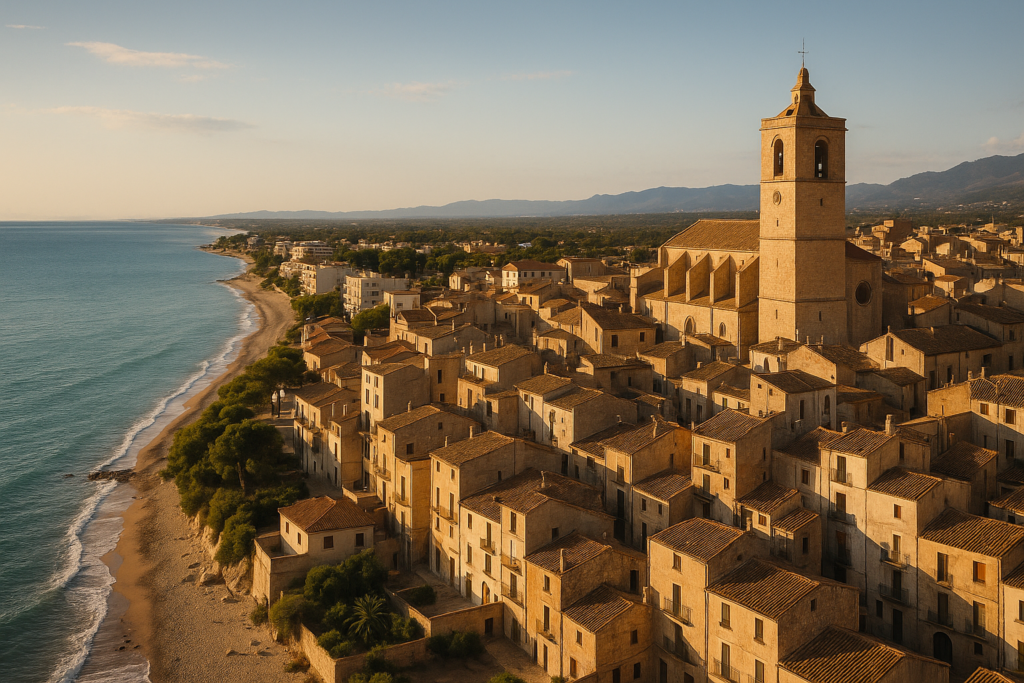
Mont-roig del Camp at a glance
- Two distinct parts: the historic hilltop town and the coastal resort of Miami Platja.
- Joan Miró spent long periods at the family property Mas d’en Miró in Les Pobles from 1911 onwards; the farmhouse appears in several of his early works.
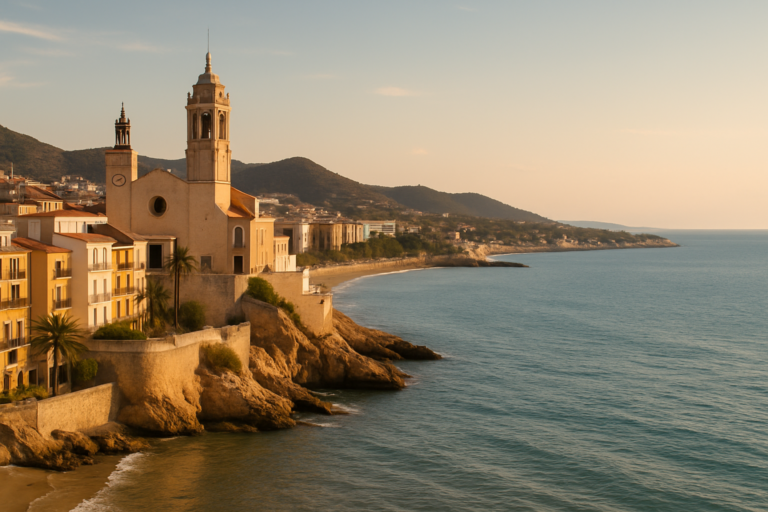
- The parish church of Sant Miquel dates from 1574–1610 and mixes Gothic and Renaissance styles.
- Coastline includes beaches like Platja de Rifà and accommodation clusters in Pins de Miramar and Miami Platja.
- The local economy leans on nuts and olives rather than tourism alone.
- Situated between the Serra de Colldejou and the Mediterranean Sea—easy to combine with neighbouring Costa Daurada towns.
- Municipal population about 14,615 (2025 figure).
Things to do in the area
There are two moods here: the inland town with its religious and cultural sites and the coastline with beaches, campsites and holiday accommodation. A day or two will let you do both—walk the village streets and local church, then switch to sea breezes and sand at the resort districts. Below is an at-a-glance comparison of the main attractions that most visitors come for.
| Attraction | What it is | Price/entry | Best for |
|---|---|---|---|
| Mas d’en Miró | Family farmhouse that featured in Joan Miró’s early paintings | — | Art fans, Miró enthusiasts |
| Our Lady of the Rock / Sant Ramon chapel | Sanctuary and small chapel on an eroded rock outcrop high above the town | — | Views, religious architecture, short hikes |
| Sant Miquel parish church | Historic Gothic-Renaissance church built 1574–1610 | — | History and architecture interest |
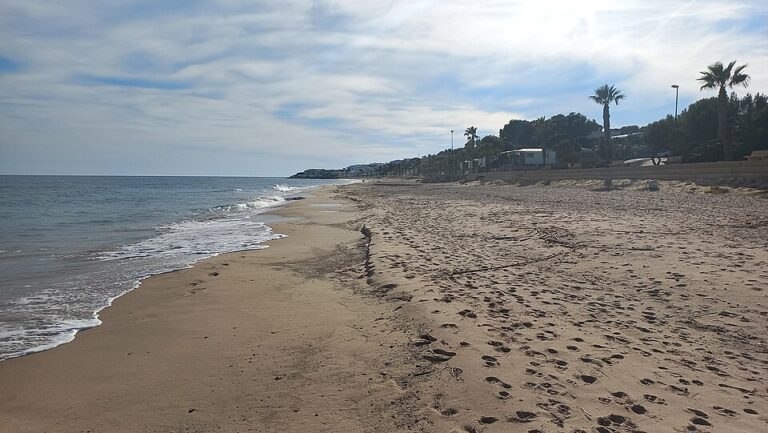
| Platja de Rifà | Beach near the Les Pobles district | — | Swimmers, families wanting quieter sands |
| Miami Platja | Coastal resort on the Costa Daurada with hotels and campsites | — | Sun-and-sea stays, budget accommodation |
Mas d’en Miró and the Miró connection
The farmhouse known as Mas d’en Miró sits in the Les Pobles district and was a working piece of the artist Joan Miró’s family life. He spent extended periods there from 1911 onwards, and the property appears in several of his early paintings such as The Farm and The Tilled Field. If Miró’s formative years and landscapes interest you, a visit to the farmhouse setting helps explain how the local light and rural life shaped his early work.
Sanctuary of Our Lady of the Rock and Sant Ramon chapel
Set high above the town, the sanctuary of Our Lady of the Rock with the little Sant Ramon chapel enjoys a dramatic position on an eroded rock outcrop. The site is as much about the vantage and the rugged geology as it is about religious devotion—expect views over the surrounding plain and a compact, atmospheric chapel perched on weathered stone.
Sant Miquel parish church
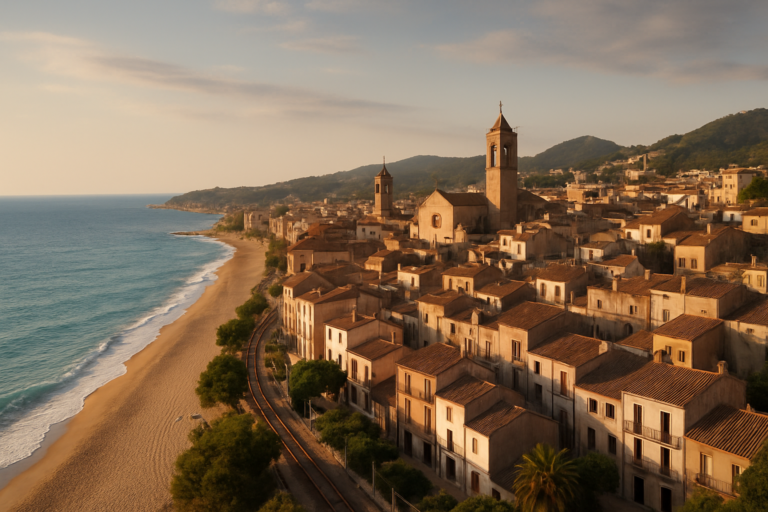
The parish church of Sant Miquel is a tangible slice of local history. Built between 1574 and 1610, the building blends Gothic and Renaissance architectural elements. It’s the historic town’s main religious landmark and a useful anchor for a stroll through the streets of the older settlement.
Coastal walking and low-key resort life
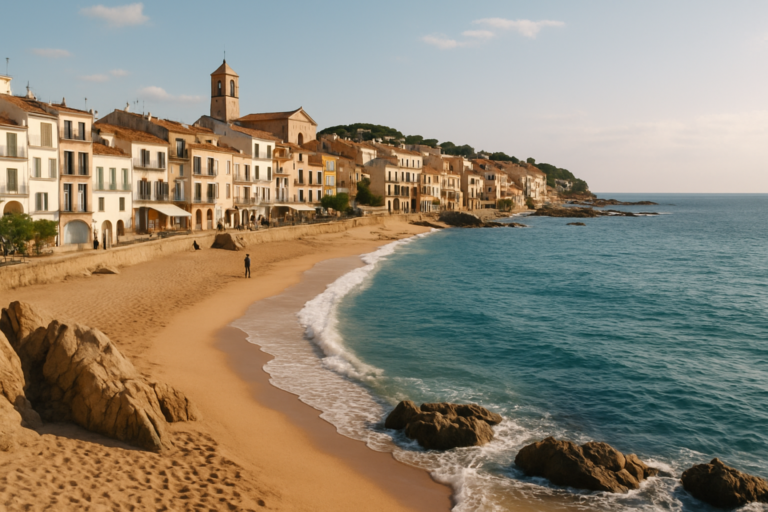
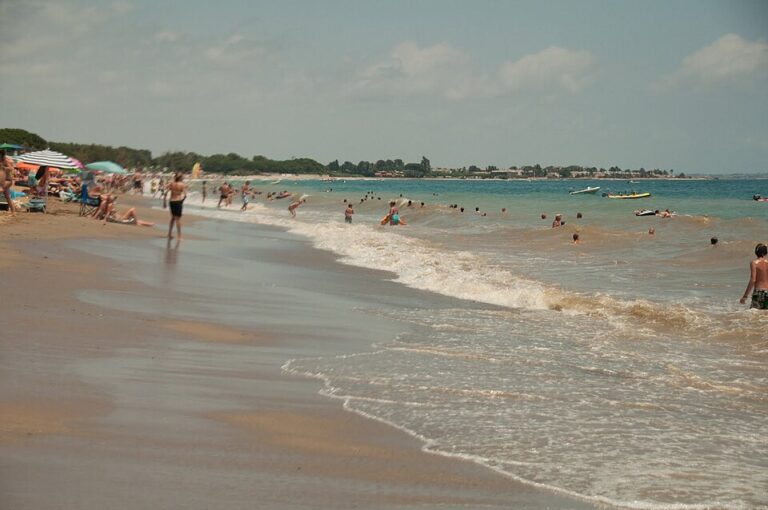
On the coast, the resort area is built for sunbathing and practical family holidays rather than boutique luxury. Miami Platja and the surrounding districts such as Pins de Miramar host campsites and a handful of hotels, giving a range of budget-friendly options that are characteristic of this stretch of the Costa Daurada.
Best beaches in the area
The coastline here doesn’t try to be glamourous; it’s serviceable and family-oriented. If you mix inland culture with a beach day, aim for the sands closest to Les Pobles for an easy combination.
| Beach | Character | Facilities / Notes |
|---|---|---|
| Platja de Rifà | Beach conveniently close to the Les Pobles district | — |
| Miami Platja shoreline | Resort sands serving Miami Platja | Near campsites and hotels in Pins de Miramar and the resort |
The town with kids
This place works for families who want a quiet seaside base plus short cultural detours. Children will respond well to the open spaces around the sanctuary and the easy, shallow beaches. Campsites around Pins de Miramar and Miami Platja make staying with kids straightforward: they offer simple accommodation and direct access to sand and sea without long transfers.
How to get to the area and get around
The municipality sits between the Serra de Colldejou and the Mediterranean Sea, so most access is by road from neighbouring Costa Daurada towns and inland routes. Once here, the division between the historic town and the coastal resort means you’ll be switching from compact village streets to low-density holiday districts—plan transport accordingly, especially if you want to visit Mas d’en Miró and the beachfront in the same day.
Where to stay in Mont-roig del Camp
Accommodation clusters are predictable and practical rather than boutique.
- Historic town (interior) — Suits travellers seeking a quieter, more traditional Catalan village base near churches and cultural sites.
- Miami Platja (coast) — Suits families, campers and holidaymakers who want direct beach access and a resort atmosphere.
- Pins de Miramar — Suits visitors using campsites or budget hotels with easy reach of the shoreline.
Best time to visit
There are no specific climatic records or festival dates cited here, but the dual nature of the place means summers draw beachgoers while shoulder seasons are quieter for inland exploration. If you’d prefer fewer crowds for village walks and easier parking, avoid the peak summer holiday period; for guaranteed beach weather, the summer months are the obvious choice.
History of the town
The municipality’s historic core preserves its religious and rural identity. The parish church of Sant Miquel, constructed between 1574 and 1610, reflects the town’s architectural lineage with Gothic and Renaissance elements. In the 20th century the international reputation of Joan Miró tied the place to the wider story of modern art: his family farmhouse in Les Pobles, Mas d’en Miró, featured in early works and was a formative setting during long periods he spent there from 1911 onwards.
Practical info
- Two populated places: the inland historic town and the coastal resort Miami Platja; plan logistics around that split.
- Accommodation: there are campsites and a few hotels concentrated in Pins de Miramar and Miami Platja, making overnight stays simple for families and budget travellers.
- Economy: the local economy continues to revolve around the cultivation of nuts and olives, so agricultural landscapes remain a part of the area’s character.
- Population: the municipality had a population of about 14,615 in 2025, indicating a small community rather than a busy urban centre.
Worth it for: travellers who want a low-key Costa Daurada beach stay combined with a meaningful Miró connection and a traditional Catalan village atmosphere. Less so if: you expect a bustling nightlife scene or a high-end resort experience—the coastline here is modest and family-focused.
How we assess this guide
We compiled this guide from verified claims about the municipality’s landmarks, districts and cultural associations. We cross-checked historic dates, the Miró connection, coastal districts and economic notes. We flag closures or major changes when sources indicate them; where a detail like an admission price or opening hour is not available in the verified material, we do not invent it.
Frequently asked questions
How do I get from the nearest big towns to the town?
Transport to the municipality is primarily by road: it sits between the Serra de Colldejou and the Mediterranean, making it a short drive from neighbouring Costa Daurada towns. Exact transfer times will depend on your origin and chosen mode of transport.
Is it expensive to stay here?
Accommodation tends toward campsites and a few hotels in the coastal districts, which indicates a range focused on mid-to-budget pricing rather than luxury. The inland town retains a small-community character rather than a high-priced resort market.
Which beach is best for a mixed culture-and-beach day?
Platja de Rifà is convenient for combining a visit to Les Pobles and local Miró-related sites with time on the sand, as it lies close to that district.
How many days should I plan?
A relaxed two-day visit allows time for a village walk (including Sant Miquel church and the Miró farmhouse setting) plus a beach or coastal day at Miami Platja or Platja de Rifà. Add days if you plan to use the place as a base to explore neighbouring Costa Daurada towns.
Is it good for families?
Yes—families gravitate to the campsites and hotels in Pins de Miramar and Miami Platja and to the accessible beaches. The mix of shoreline and short cultural outings is well suited to children.
Can I get around without a car?
Because the municipality comprises an inland town and a separate coastal resort area, having access to road transport makes visiting both in one trip much easier. Walking covers the local village and beachfront promenades, but inter-district transfers are simplest by car or local bus services where available.
Is parking a problem?
Parking pressure is typically higher in peak summer along the coast; the historic town has compact streets but is less congested than major resort centres. Campsites and hotels generally provide parking for guests.
What are rainy-day options?
The town’s indoor attractions are limited to its historic church and small cultural points of interest like the Miró farmhouse setting; rainy days are best spent in nearby larger towns on the Costa Daurada where museums and restaurants are more numerous.
When is the best time to visit?
For beach weather, summer months are the obvious choice. For quieter village exploration and easier parking, the shoulder seasons outside peak summer will be more pleasant.
Are there guided Miró tours here?
Verified information confirms the Miró family farmhouse and the artist’s long periods spent at Mas d’en Miró, but specific guided-tour offerings were not part of the verified material and are therefore not listed here.
Which district should I book if I want the beach close by?
Book accommodation in Miami Platja or Pins de Miramar for immediate beach access and proximity to campsites and hotels.
Is Mont-roig del Camp the same as Miami Platja?
They are part of the same municipality but represent two different populated places: the historic inland town and the coastal resort of Miami Platja. Expect different atmospheres in each.
What cultural sights are must-sees?
Prioritise Mas d’en Miró (the family farmhouse connected to Joan Miró’s early works), the Sant Miquel parish church, and the sanctuary of Our Lady of the Rock with the Sant Ramon chapel for a compact cultural itinerary.
Is agriculture still important here?
Yes; the local economy revolves around the cultivation of nuts and olives, so agricultural landscapes remain a visible part of the area.
How big is the town?
The municipality had a population of approximately 14,615 in 2025, reflecting a small community rather than an urban centre.
Plan the wider trip
Nearby on the Costa Dorada
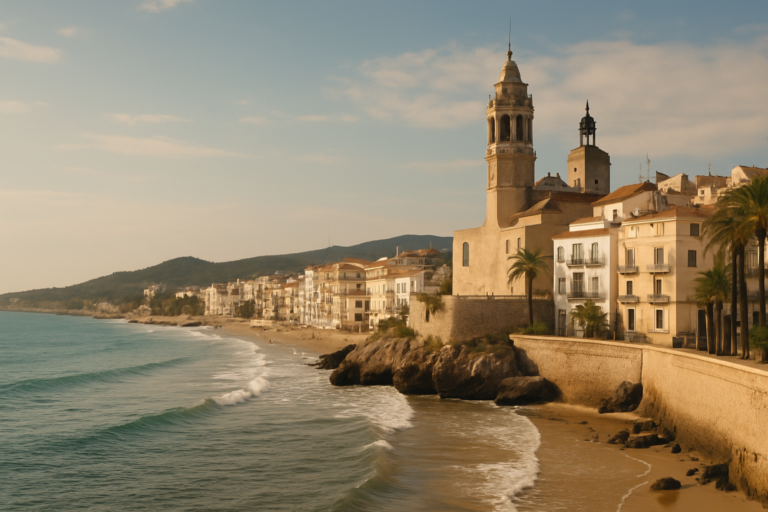
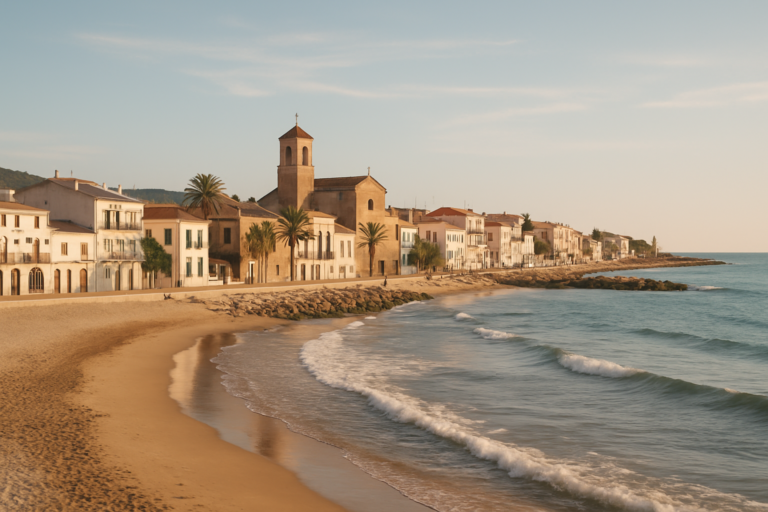
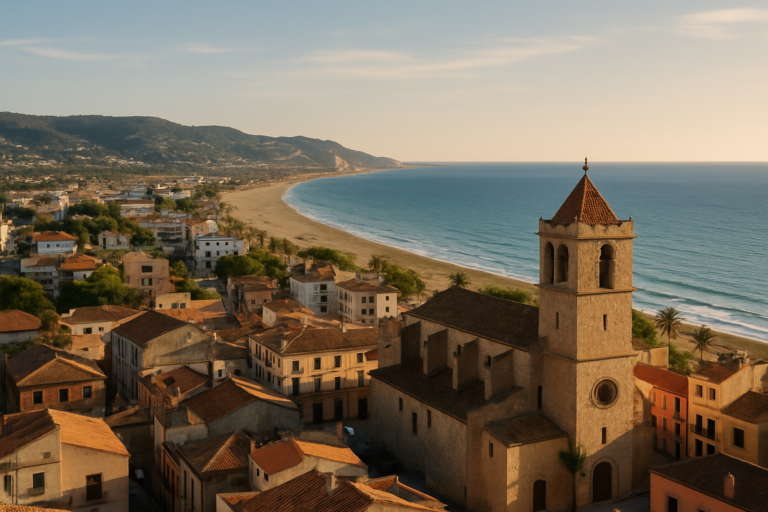
Mont Roig Del Camp on the map
Places worth knowing near Mont Roig Del Camp
This place is part of our Costa Dorada Guide: Beaches, Roman Tarragona and PortAventura — see every town, beach and cove we have mapped on that coast.
How this page is maintained. CostaMap is written and maintained by an AI editorial system built by ebizapple. Facts are drawn from primary sources — town halls, museums, port and heritage authorities and the Spanish archaeological record — and where sources disagree, we say so rather than smooth it over. Photographs marked as ours are taken on location. This page was last reviewed on 14 August 2026. Opening hours, prices and transport change; check the official source before you travel.