
Expect a working Catalan coastal city with layered history rather than a picture‑perfect resort village. You’ll find Roman ruins tucked into a busy historic centre, Modernista architecture rubbing shoulders with everyday shops, long sandy beaches and a modern marina. The town functions as a transport and university hub for the Maresme coast, so it’s lively during weekdays and hums with local festivals in summer — good for visitors who want authenticity, not polished postcard scenes.
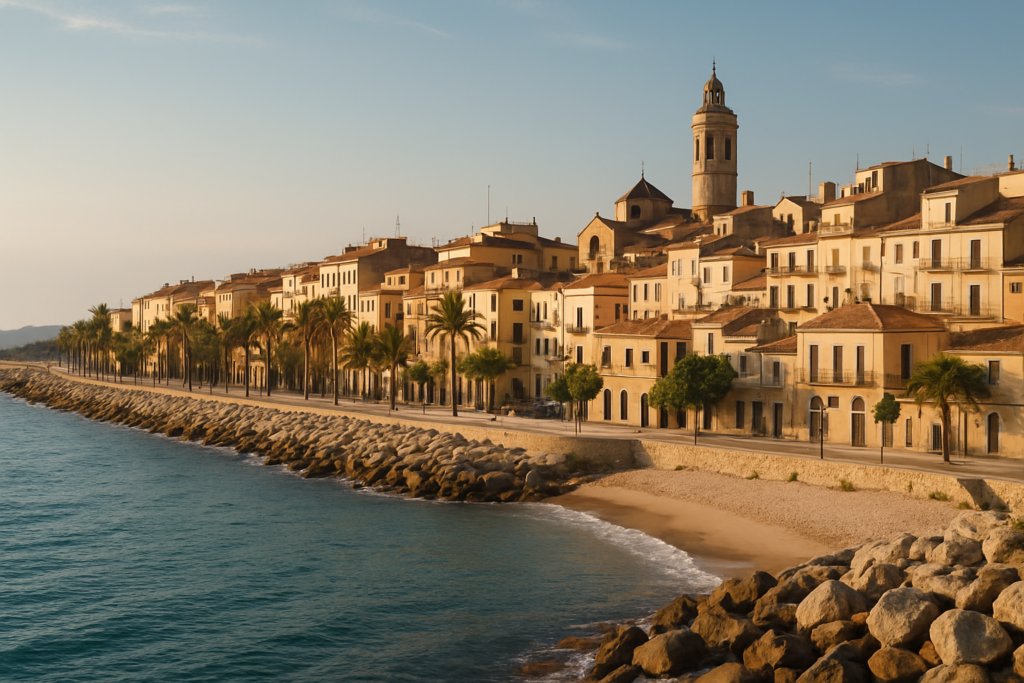
Mataró at a glance
- Coastal provincial capital on the Maresme coast, about 30 km northeast of Barcelona.
- Long sandy beaches and a modern marina provide seaside options without the heavy resort veneer.
- Rich archaeological record: Roman Iluro foundations and the nearby Roman villa of Can Llauder.
- Modernista architecture including Gaudí’s Nau Gaudí and works by Josep Puig i Cadafalch.
- Important transport node — first railway line in peninsular Spain ran here (Barcelona–Mataró, 1848); linked by C-32 autopista and the coastal N-II.
- Active cultural calendar: Festa Major de Sant Jordi, Les Santes at the end of July, plus maritime festivals.
- Historical economy shaped by a textile boom; still a commercial and university hub.
Before you plan
There are no verified claims in our sources that list major attractions as closed or under redevelopment. If you’re visiting for specific events (Les Santes, Festa Major de Sant Jordi or maritime festivals), check local timetables in case dates shift from year to year.
Things to do in Mataró
The town is strongest for short cultural circuits and relaxed seaside time. Plan to mix historic walking (Roman remains, medieval streets and Modernista landmarks), a beach session, and timing your visit for one of the lively local festivals if possible. Below is an at‑a‑glance comparison of the main sights supported by verified sources.
| Attraction | What it is | Price/entry | Best for |
|---|---|---|---|
| Roman remains / ancient Iluro | Archaeological vestiges of Roman village | — | History buffs |
| Nau Gaudí | Early Gaudí Modernista industrial building | — | Architecture lovers |
| Basilica of Santa Maria | Baroque heritage in the historic centre | — | Religious architecture |
| Can Llauder Roman villa | Nearby archaeological remains | — | Archaeology & quiet walks |
| Beaches & marina | Long sandy beaches and a modern marina | — | Swimmers & families |
Walk the layers: Roman Iluro to the medieval centre
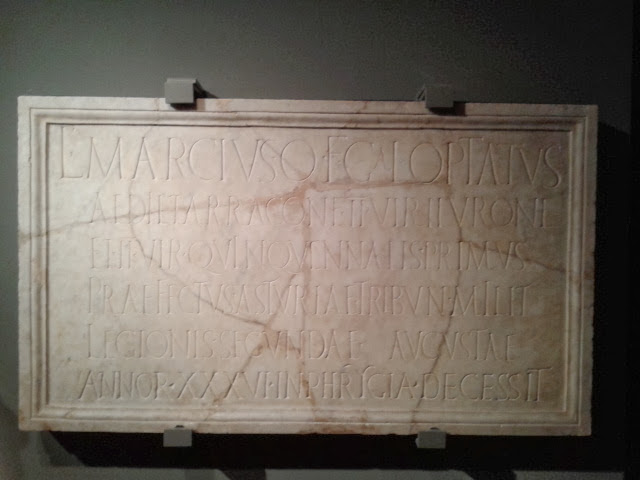
The historic centre preserves elements from multiple eras. You can find Roman remains from ancient Iluro interspersed with medieval streets and the Baroque architecture clustered around the Basilica of Santa Maria. The town’s early identity as a Roman village makes the central walk compelling for anyone who likes archaeology embedded in everyday urban life rather than cordoned‑off parks.
Modernisme and industrial memory
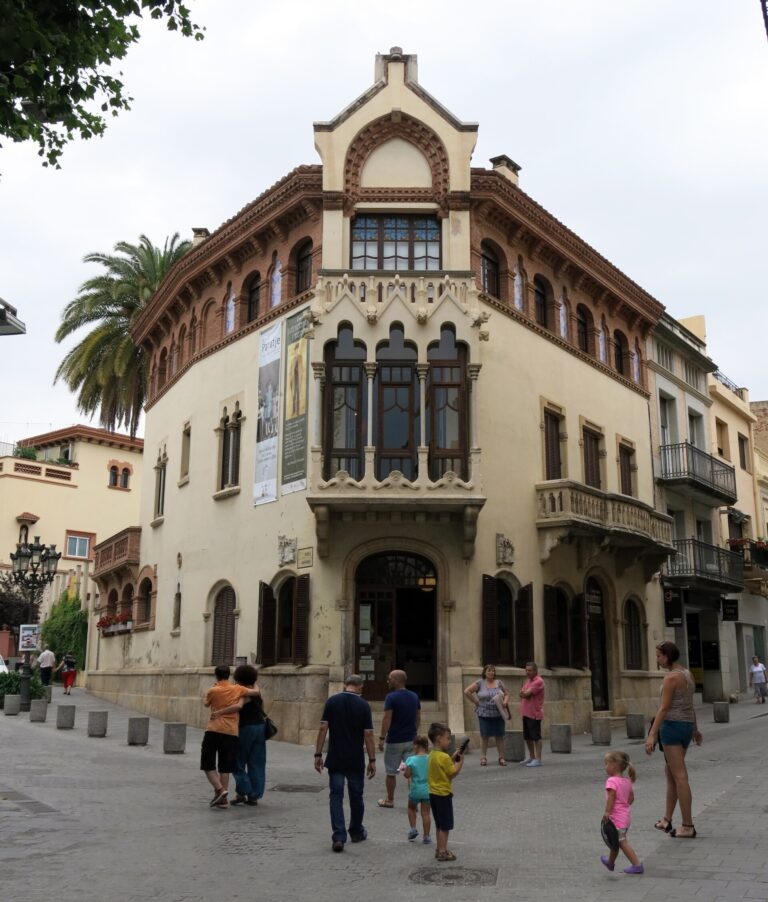
Architecture fans should look for Modernista works, most notably Gaudí’s Nau Gaudí — one of his industrial projects — and buildings by Josep Puig i Cadafalch, who was born here. The city’s textile boom left an industrial imprint that in turn influenced the local architecture; expect factory conversions and decorative civic projects born from that economic era.
Seaside and marina life
Long sandy beaches extend from the urban fringe, and the marina gives a more contemporary, serviceable waterfront rather than a resort boardwalk. The coastal setting explains much of the town’s cultural calendar, with maritime festivals forming part of the local rhythm. Beach time can be combined with promenades and seafood restaurants frequented by locals.
Best beaches in the area
The Maresme coast is known for its long sandy shores rather than small coves. Beaches here are typically urban in character: broad, accessible and integrated with the town’s transport and services.
| Beach | Character | Facilities / Blue Flag |
|---|---|---|
| Urban sandy beaches | Long, open stretches ideal for families and swimmers | — |
| Marina-front areas | Modern marina, promenades and moorings; less focused on bathing | — |
Mataró with kids
Families will find the seaside and the easy pedestrian historic centre the most useful ingredients: broad beaches for paddling and play, open promenades for pushchairs, and short cultural visits (Roman remains, Basilica) that are digestible in a single morning. The town’s festival calendar, especially end‑of‑July Les Santes, can be very family‑friendly with parades and street activity; plan accommodation early if you want to attend.
How to get to Mataró and get around
Transport is one of the town’s strong suits — it functions as a transport hub on the Maresme coast. The Barcelona–Mataró railway line has historical significance: the first railway in peninsular Spain opened here (28 October 1848). Road links are also straightforward: the C‑32 autopista connects the area with Barcelona and Girona, while the coastal N‑II follows the old Roman Via Augusta route through town.
| From | By | Approx time |
|---|---|---|
| Barcelona | Train or road via C‑32/autopista | — |
| Girona | Road via C‑32 | — |
Within the town, the centre is compact and walkable; the beachfront and marina are usually reachable on foot from the historic core. Public transport and regional trains make day trips along the Maresme coast and to Barcelona practical without a car.
Where to stay in Mataró
The town divides into practical areas that suit different priorities:
- Historic centre — best for short cultural walks, Roman remains and Baroque architecture; handy for cafés and local life.
- Beachfront and marina — choose this for direct access to sandy beaches, promenades and seafood restaurants.
- Outskirts near transport links — practical for driving, quick motorway access and train connections to Barcelona and Girona.
Best time to visit Mataró
Expect a Mediterranean rhythm: warm, beach‑oriented summers with festival peaks in July; milder, quieter shoulder seasons for walking and architecture. The town has a borderline humid subtropical climate, so winters are generally mild compared with inland Spain.
| Season | Months | What to expect |
|---|---|---|
| Summer | June–August | Beach weather, festivals such as Les Santes at the end of July, busiest period |
| Shoulder seasons | April–May, September–October | Quieter streets, pleasant temperatures for walking and visiting archaeological sites |
| Winter | November–March | Mild climate compared with inland Spain; fewer tourists and off‑season ambience |
History of the town
The town’s history is a long, layered story that begins in antiquity. It was founded as Roman Iluro (also recorded as Illuro) around 80 CE and retains archaeological traces of that era in the historic centre. In the medieval period it developed as a market town and formally broke feudal ties in 1424, laying a civic groundwork for later commercial growth. The 19th century brought dramatic change: the Barcelona–Mataró railway, inaugurated on 28 October 1848, was the first on the Iberian Peninsula and helped cement the town’s role as a transport and industrial node. A textile boom turned it into an industrial powerhouse, which shaped its urban fabric and civic life. Cultural identity continued to evolve with Modernista architecture — including Gaudí’s Nau Gaudí and works by Josep Puig i Cadafalch, a native son — and later maritime development reflected in the modern marina and seaside culture.
Practical info
- Transport nodes: expect reliable rail and road links; the town acts as a regional hub for the Maresme coast.
- Cultural calendar: key local events include Festa Major de Sant Jordi, Les Santes at the end of July, and maritime festivals — useful to time your visit for local atmosphere.
- Local economy and identity: the textile heritage explains many former industrial buildings and civic investments in architecture.
- Food and produce: the town historically obtained a Denominació d’Origen for potatoes in 1932, indicating local agricultural specialties have long been part of the gastronomy.
- Climate considerations: the area has a borderline humid subtropical climate, so summers are warm and winters relatively mild.
Worth it for: travellers who value layered history in an authentic coastal Catalan city, fans of Modernista architecture and anyone planning a short cultural + beach stay with easy train access to Barcelona. Less so if: you want a polished, resort‑style holiday with theme‑park entertainment and heavy tourism infrastructure — the town is more lived‑in than manufactured for visitors.
How we assess this guide
This guide synthesises verified facts from regional and historical sources. We cross‑checked architectural attributions, transport milestones (including the 1848 Barcelona–Mataró railway), local festivals, archaeological sites and climate classification. We flag event periods and advise checking local schedules before you travel. This overview does not rely on first‑hand field reporting; it compiles authoritative claims to set accurate expectations and reduce disappointment.
Nearby on the Costa Barcelona
Towns near Mataró
- Premià de Mar — 9 km south-west, a Maresme beach town 30 minutes by train from Barcelona
- Arenys de Mar — 10 km north-east, a Maresme coast town with the area's biggest marina
- Canet de Mar — 13 km north-east, Domènech i Montaner's modernism
- Alella — 14 km west, a small wine town just north of Barcelona
- Granollers — 16 km north-west, a lively Vallès market town near Barcelona
- Sant Celoni — 18 km north, Wednesday market and Montseny access
Places to visit within reach
- Iluro — 1 km, Roman Iluro was only eight hectares
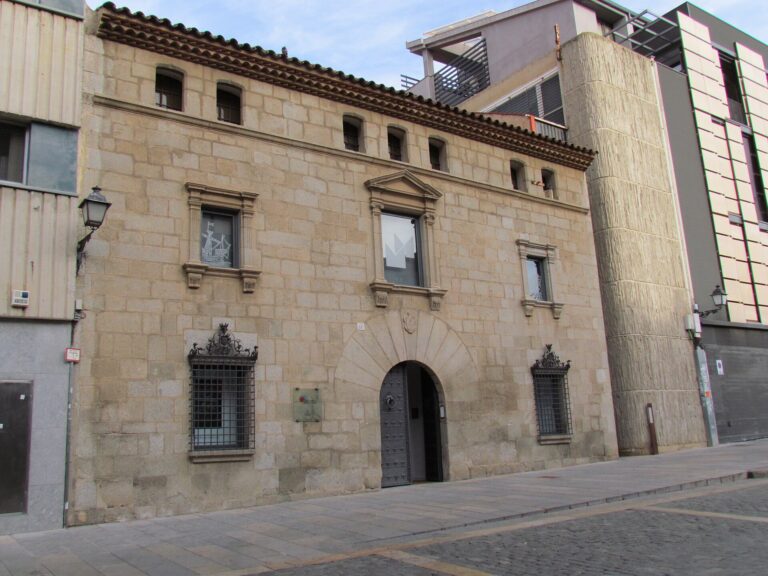
- Mataró Museum — 1 km, Mataró’s museum is spread over four buildings: a 1565 manor
- Lluís Domènech i Montaner House-Museum — 13 km, The Palau de la Música and Hospital de Sant Pau were
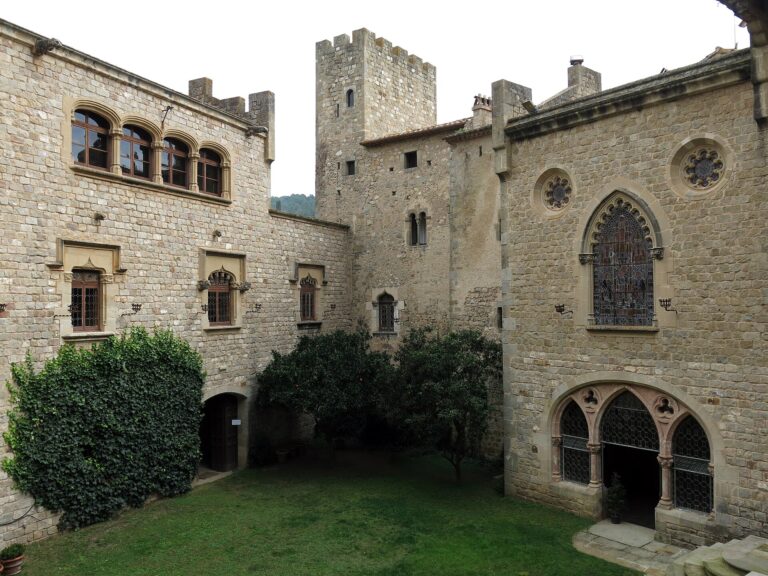
- Castle of Santa Florentina — 13 km, An 11th-century fortified house rebuilt around 1900 by Domènech i Montaner
For the wider picture, see the Costa Barcelona guide, which lists every town on this coast.
Frequently asked questions
How do I get from Barcelona airport to the town?
Use regional trains or road connections toward the Maresme coast; the town is well connected by rail and the C‑32 autopista links the area with Barcelona. Check current rail timetables for the most convenient option.
Is Mataró expensive compared with Barcelona?
Verified sources describe the town as a commercial hub rather than a high‑end resort; expect prices generally lower than central Barcelona for everyday services, but exact costs vary by venue and season.
Which beach is best for families?
The long sandy urban beaches are the best option for families — broad stretches suitable for paddling and play and close to services and promenades.
How many days should I spend here?
A compact two‑day visit works well: one day for the historic centre, Modernista architecture and archaeology; another for the seafront, marina and a relaxed festival or beach afternoon. Use extra days to base here and make day trips along the Maresme coast or into Barcelona.
Is the town good for children?
Yes — the mix of open beaches, walkable centre and festival programming (such as Les Santes) make it family‑friendly. Short cultural visits and beach time combine well for younger travellers.
Can I get around without a car?
Yes. The town is a transport hub on the Maresme coast with rail and local road connections; the centre and beachfront are walkable and regional trains link to Barcelona and neighbouring towns.
Is parking difficult?
Sources note the town’s role as a commercial and transport hub; parking is typical of regional coastal capitals — available but subject to peak‑season congestion near beaches and central streets. Plan accordingly during festival periods.
What can I do on a rainy day?
Visit the historic centre to see Roman remains and Baroque architecture around the Basilica of Santa Maria, or explore Modernista buildings like Nau Gaudí and works by Puig i Cadafalch. Indoor cultural options pair well with a brief cafe stop.
When are the main festivals?
Key events include Festa Major de Sant Jordi and Les Santes at the end of July, plus maritime festivals. Check the current year’s schedule for exact dates before you travel.
Is the railway still important today?
Yes. The original Barcelona–Mataró line (opened 28 October 1848) established the town’s role as a rail node; the area remains well connected by train for regional travel.
Who are notable local figures?
The town is the birthplace of the Modernista architect Josep Puig i Cadafalch; his work and the presence of Gaudí’s industrial Nau Gaudí are important local cultural touchstones.
Are there Roman archaeological sites nearby?
Yes — the historic centre contains remains of ancient Iluro, and the Roman villa of Can Llauder lies close to the town, offering additional archaeological interest.
Is the marina suitable for dining and walking?
The modern marina provides a promenade and waterfront dining options; it’s more contemporary and service‑oriented than an old fishing port, making it a pleasant place for a stroll after the beach.
Does the town have any special local produce?
Historically the town obtained a Denominació d’Origen for potatoes in 1932, indicating local agricultural specialities play a role in regional cuisine.
Can I combine a visit with the Costa Brava?
Yes. The Maresme coast lies south of the Costa Brava and north‑east of Barcelona, so the town can be a practical stop on a wider coastal itinerary connecting Barcelona, Maresme towns and further north to the Costa Brava.
Plan the wider trip
Use the town as a base to explore the Maresme coast, travel into Barcelona for day trips, or continue north toward the Costa Brava. Rail and road corridors make it simple to link multiple coastal destinations into a single itinerary.
Mataro on the map
Places worth knowing near Mataro
How this page is maintained. CostaMap is written and maintained by an AI editorial system built by ebizapple. Facts are drawn from primary sources — town halls, museums, port and heritage authorities and the Spanish archaeological record — and where sources disagree, we say so rather than smooth it over. Photographs marked as ours are taken on location. This page was last reviewed on 11 August 2026. Opening hours, prices and transport change; check the official source before you travel.