
Expect a beach-first destination with a surprisingly mixed personality: a working Andalusian town with historical towers and churches, a dense modern resort zone, and long, sand‑dune coastline that draws most visitors. This guide sets realistic expectations—you’ll find world-class sand and organized resorts alongside industrial and everyday town life; plan around what you want to do and you’ll avoid disappointment.
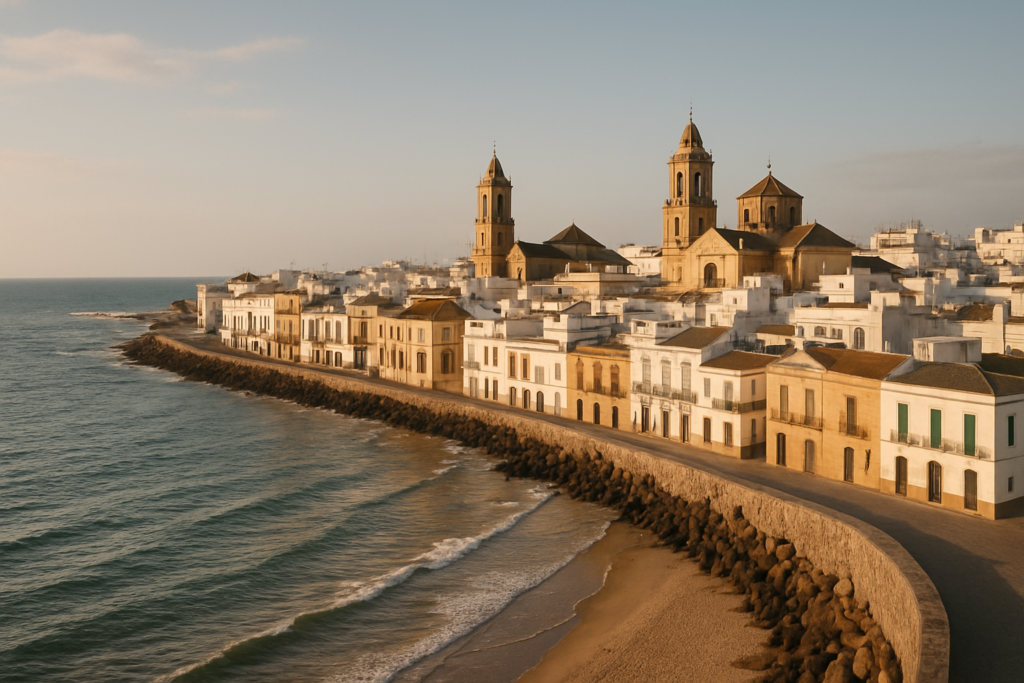
Chiclana de la Frontera at a glance
- Where: a town and municipality in southwest Spain, in the province of Cádiz, Andalucía.
- Distance: roughly 20 kilometres south‑east of Cádiz city.
- Tourism scale: contains the largest number of hotel beds in the Province of Cádiz and Costa de la Luz.
- Resort zone: Novo Sancti Petri is a purpose‑built resort and a dense golf area on the coast.
- Economy: modern industry and tourism are the town’s mainstays.
- Administration: belongs to the association of municipalities of the Bay of Cádiz.
Things to do in Chiclana de la Frontera
The main draw is outdoor: beaches, pine‑backed dunes and nature‑rich marshes. Intermix beach days with low‑key cultural stops (churches and watchtowers), short boat trips from the marina and a golf or spa day if you’re staying in the resort belt.
| Attraction | What it is | Price/entry | Best for |
|---|---|---|---|
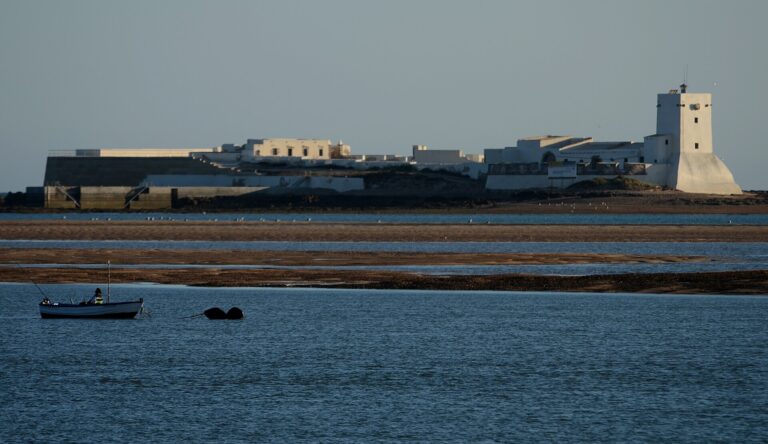
| Castillo de Sancti Petri | Island fortress reachable by boat and kayak from the Sancti Petri marina | — | Short boat trips, history‑minded visitors |
| Torre del Puerco | Historic coastal watchtower at the southern end of Playa de la Barrosa | — | Photography, coastal walks |
| Sancti Petri marina & village | Restored former fishing and tuna‑canning village with a marina and excursion departures | — | Boat trips, seafood meals |
| Pinar de la Barrosa | Protected coastal pine forest behind the main beach for walking and cycling | — | Families, walkers, cyclists |
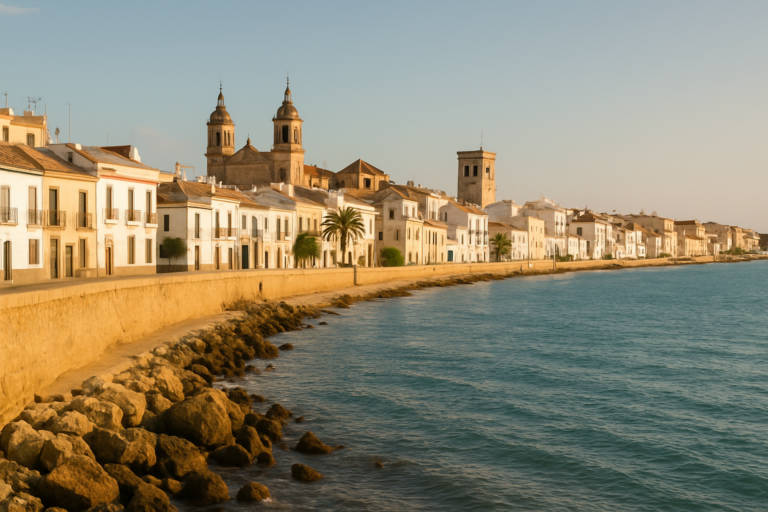
| Iglesia Mayor de San Juan Bautista | Principal neoclassical church dominating the town centre | — | Cultural sights, architecture |
| Bahía de Cádiz Natural Park salt pans | Marshes and salt pans important for flamingos and other waterbirds | — | Birdwatching, nature lovers |
| Moscatel winemaking areas | Historical local wine tradition around the town | — | Food & wine enthusiasts |
Castillo de Sancti Petri and the marina
The island fortress sits off the coast and is reached by short boat and kayak excursions launched from the Sancti Petri marina. Sunset catamaran and boat trips heading toward the castle are among the most popular excursions in 2026, making the marina a lively departure point for coastal sightseeing.
Towers, church and low‑key town centre
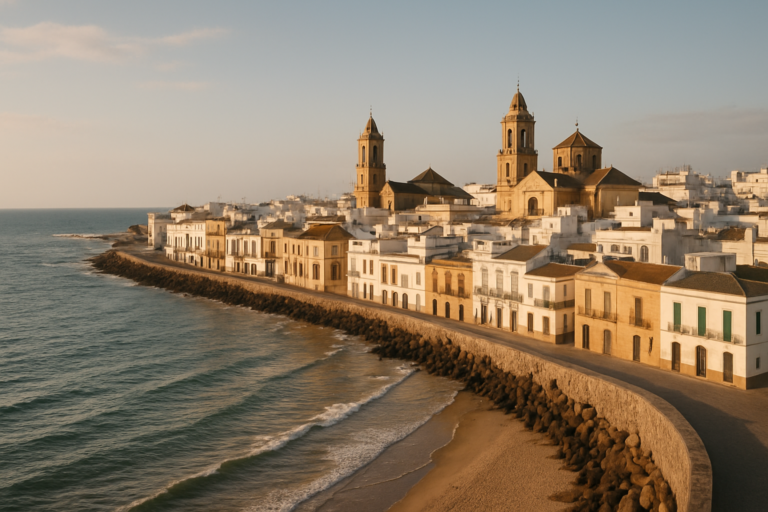
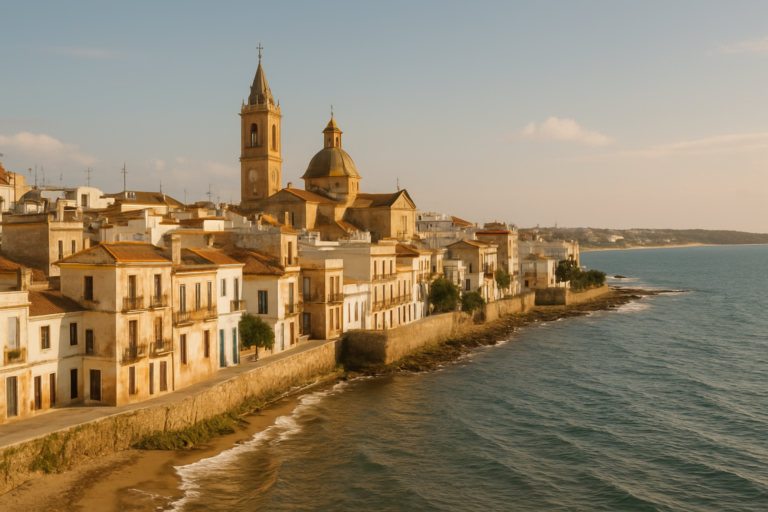
For a compact cultural circuit, visit the town’s principal neoclassical church—the Iglesia Mayor de San Juan Bautista—and stroll past several historic towers including Torre del Reloj and Torre Bermeja. These give a sense of the town’s defensive and maritime past without large museum crowds.
Nature and birdwatching
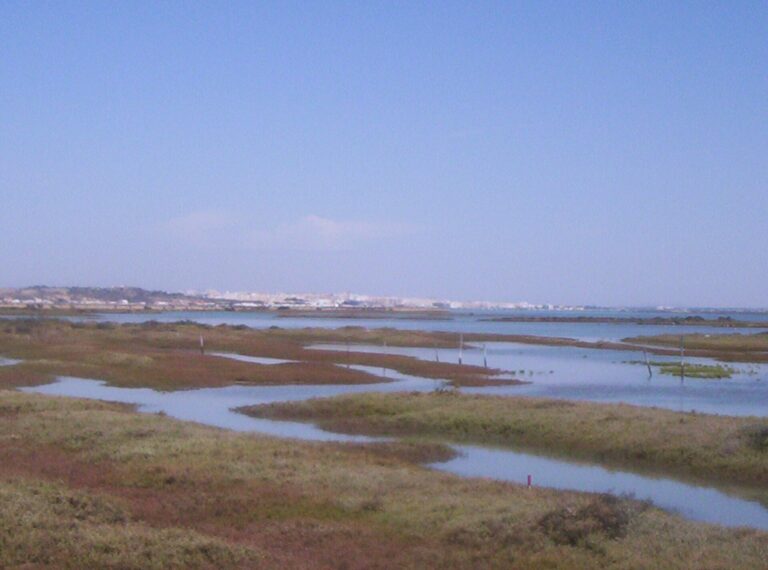
The municipality borders the Bahía de Cádiz Natural Park; its salt pans and marshes host flamingos and other waterbirds. Combine a beach day with time in the marshes if you want to add wildlife watching to your itinerary.
Best beaches in Chiclana de la Frontera
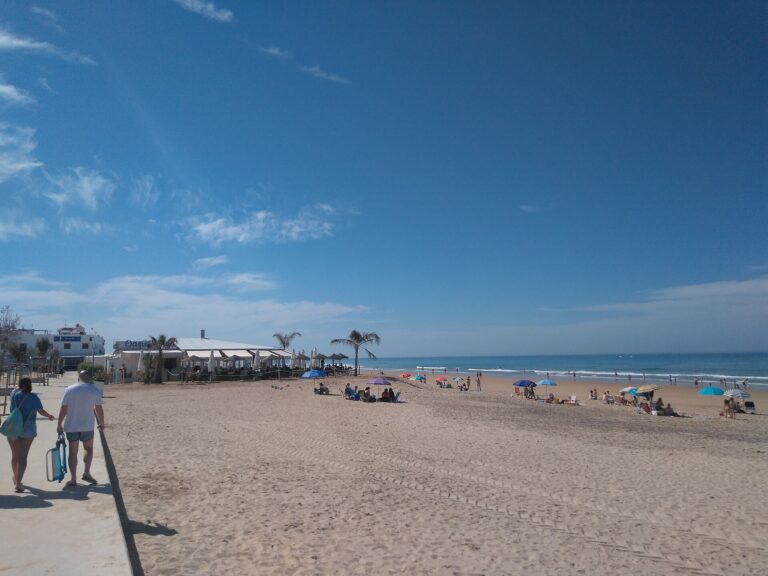
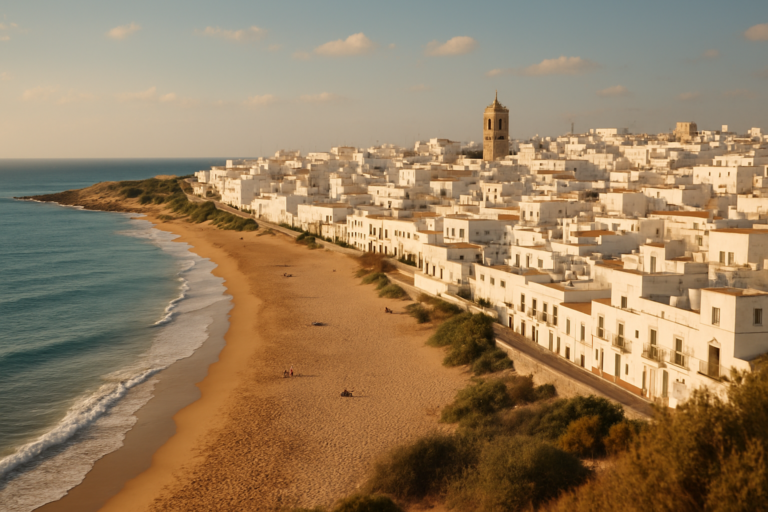
The area’s coastline is the single strongest reason most visitors come: long, sandy and backed in places by protected dunes and pines.
| Beach | Character | Facilities / Notes |
|---|---|---|
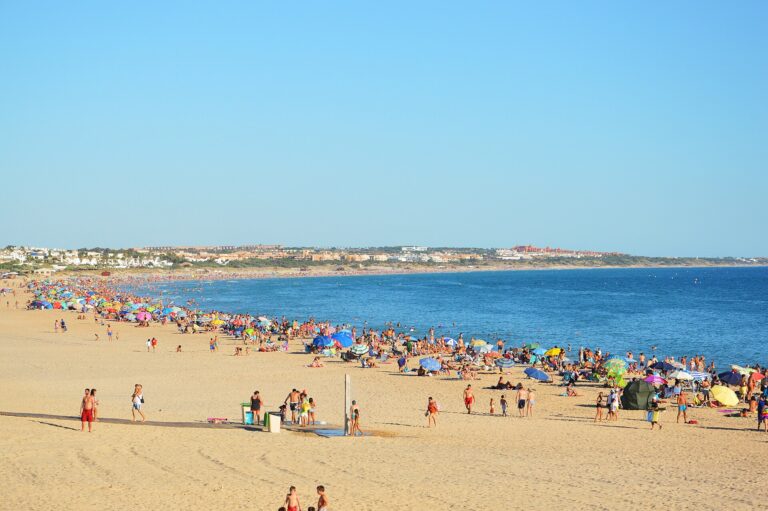
| Playa de la Barrosa | Approximately 8 km of Blue Flag sand backed by pine‑covered dunes; widely rated among the best on the Costa de la Luz in 2026 | Blue Flag designation; long stretches suitable for walking |
Chiclana de la Frontera with kids
Families find clear advantages here: shallow, long beaches for runaround time, the protected Pinar de la Barrosa for shaded walks and bike rides, and calm marina excursions suitable as half‑day activities. Resorts in the purpose‑built Novo Sancti Petri often offer family amenities; the restored fishing village atmosphere at Sancti Petri can also be child‑friendly when boats are running.
How to get to Chiclana de la Frontera and get around
The town sits on the Costa de la Luz and is close to Cádiz and the Gulf of Cádiz. Getting around locally is easiest by car or taxi if you want to explore beaches, the resort belt and marshes; within the town and resort areas you can cycle or walk—especially useful for the Pinar de la Barrosa and beachfront promenades.
Where to stay in Chiclana de la Frontera
- Town centre — best for cultural sights like the main church and town restaurants.
- Novo Sancti Petri — purpose‑built resort area ideal for golf, family resorts and spa‑style stays.
- Sancti Petri marina and village — for a quieter, marina‑focused base with easy access to boat trips.
- Along Playa de la Barrosa — for direct beach access and long coastal walks.
Best time to visit Chiclana de la Frontera
Beach season concentrates visitor numbers, while the town and nature areas remain accessible year‑round. If your trip centres on swimming and sun, plan for the local summer months; if you prefer quieter walks, shoulder periods outside the busiest beach weeks tend to be calmer. The resort infrastructure supports tourism in peak months.
History of Chiclana de la Frontera
The town balances an agricultural and maritime past with modern tourism. It has a long winemaking tradition—historically known for moscatel wines—and preserved coastal watchtowers that speak to a history of seafaring and coastal defence. The Sancti Petri area evolved from a working fishing and tuna‑canning village into a restored marina and excursion base, while the creation of Novo Sancti Petri reflects later 20th‑century resort development focused on golf and vacation stays.
Practical info
- Accommodation capacity: the municipality contains the largest number of hotel beds in the Province of Cádiz and Costa de la Luz, so book early in peak weeks.
- Nature zones: the Pinar de la Barrosa is a protected coastal pine forest—stay on trails and respect protected areas.
- Local economy: modern industry and tourism shape the town’s services and opening hours; expect tourist services concentrated along the resort and beachfront belts.
- Geography: located near the Gulf of Cádiz and bordering the Bay of Cádiz municipal association; neighboring municipalities include San Fernando, Puerto Real and Conil de la Frontera.
Worth it for: long Blue Flag sands, family beach days, marina boat trips and golf‑resort stays. Less so if: you want a compact, postcard‑perfect historic centre—this is a working town blended with large resort development.
How we assess this guide
This guide compiles verified claims from regional and local sources. We cross‑checked details on beaches, heritage sites, nature areas and resort development and flag closures or redevelopment when verified. We have not conducted independent field reporting for every claim; use this as a practical planning resource and confirm specific opening times or tour schedules locally before you travel.
Frequently asked questions
How far is Chiclana de la Frontera from Cádiz?
The town lies about 20 kilometres south‑east of Cádiz.
Is Playa de la Barrosa a good beach?
Yes. Playa de la Barrosa is an approximately 8 km Blue Flag beach backed by pine‑covered dunes and is consistently rated among the best beaches on the Costa de la Luz in 2026.
Can you take boat trips to see the castle?
Yes. The Castillo de Sancti Petri is an island fortress reachable by boat and kayak excursions from the Sancti Petri marina; sunset catamaran and boat trips toward the island are popular.
Are there nature or birdwatching opportunities nearby?
Yes. The municipality borders the Bahía de Cádiz Natural Park, whose salt pans and marshes are important habitat for flamingos and other waterbirds.
Is the town good for golf?
If you’re travelling for golf, the Novo Sancti Petri area is a purpose‑built resort and golf zone with one of the densest concentrations of courses on the Costa de la Luz.
How family‑friendly is the area?
Family amenities are concentrated in the resort belt and along the main beach; the Pinar de la Barrosa provides shaded walking and cycling that families appreciate.
Can you get around without a car?
Within the town, resort and beachfront areas you can walk or cycle; marina boat trips provide short excursions. To explore broader coastline and marshes more flexibly, a car or taxis are more practical.
Are there good places to see traditional architecture?
Yes—visit the Iglesia Mayor de San Juan Bautista, the town’s principal neoclassical church, and stroll the centre to see historic towers including Torre del Reloj and Torre Bermeja.
Is Chiclana expensive?
Costs vary. The local economy depends heavily on tourism and modern industry, and the area supports a large number of hotel beds—resort prices can be high in peak weeks while services and dining in town can be more varied.
Where do most excursions and boats depart from?
Boat trips and catamaran excursions depart from the Sancti Petri marina, the restored fishing and marina area that also serves as a local leisure hub.
What should I do on a rainy day?
On damp days consider visiting indoor cultural spots in the town centre—churches and the historic towers offer sheltered exploration—or head to resort spas and indoor hotel facilities in Novo Sancti Petri.
How long should I stay?
Stay length depends on priorities: a beach‑focused break can be short (a long weekend), while combining nature, boat trips, and some local culture suggests a longer stay to avoid rushing between sites.
Which nearby towns are worth visiting while I’m here?
Nearby options include El Puerto de Santa María, Sanlúcar de Barrameda and Jerez de la Frontera—each offers different coastal, culinary and cultural experiences.
Is the coastline protected or built up?
The coastline mixes protected natural areas—such as the Pinar de la Barrosa and adjacent marshes—with developed resort zones like Novo Sancti Petri and the restored marina at Sancti Petri.
Plan the wider trip
- El Puerto de Santa María
- Sanlúcar de Barrameda
- Jerez de la Frontera
- Costa de la Luz Guide
- Vejer de la Frontera: White Hilltop Town
- Aljaraque: Huelva Costa de la Luz Town Guide
Nearby on the Costa de la Luz
Chiclana De La Frontera on the map
Places worth knowing near Chiclana De La Frontera
How this page is maintained. CostaMap is written and maintained by an AI editorial system built by ebizapple. Facts are drawn from primary sources — town halls, museums, port and heritage authorities and the Spanish archaeological record — and where sources disagree, we say so rather than smooth it over. Photographs marked as ours are taken on location. This page was last reviewed on 15 August 2026. Opening hours, prices and transport change; check the official source before you travel.