
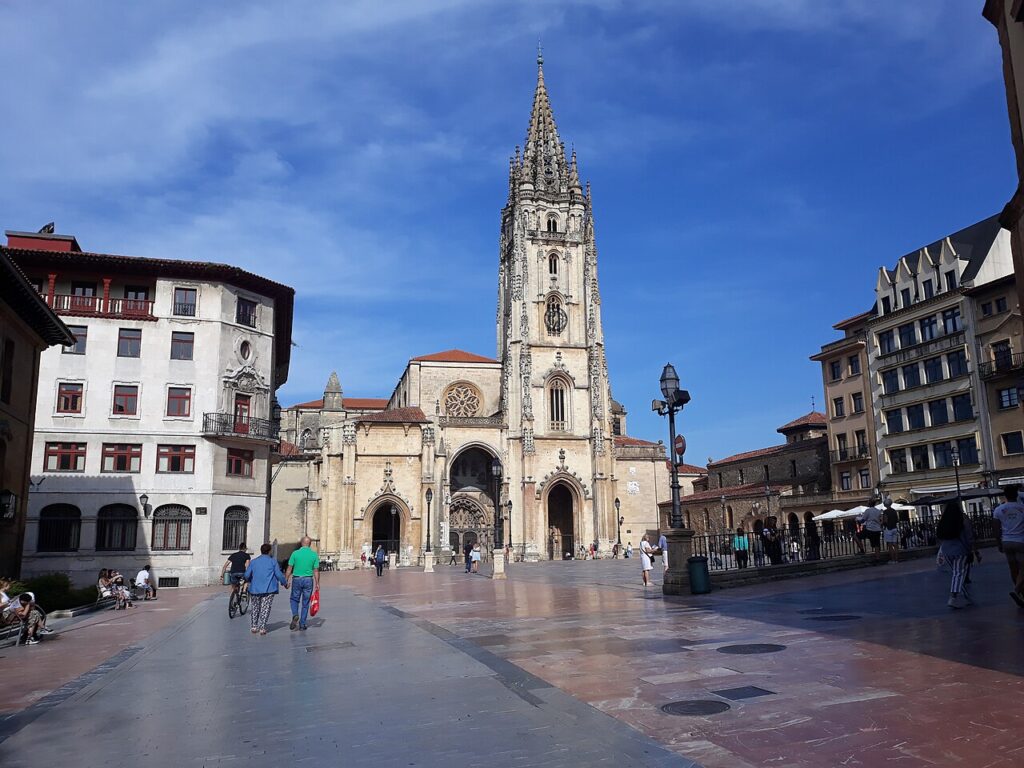
Oviedo
The Asturian capital sits about 25 km inland, and keeps six ninth-century pre-Romanesque monuments that have been UNESCO-listed since 1985.
The Asturian capital sits about 25 km inland, and keeps six ninth-century pre-Romanesque monuments that have been UNESCO-listed since 1985.
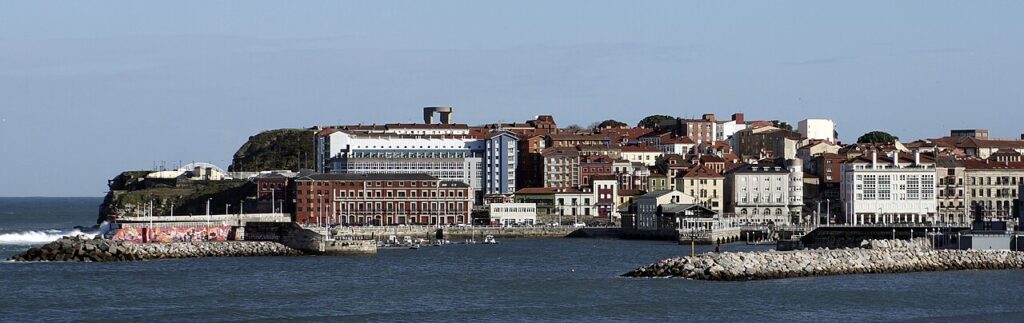
Asturias’s largest city, built around a headland with a 1,550-metre beach on one side, a working port on the other and Roman baths underneath.
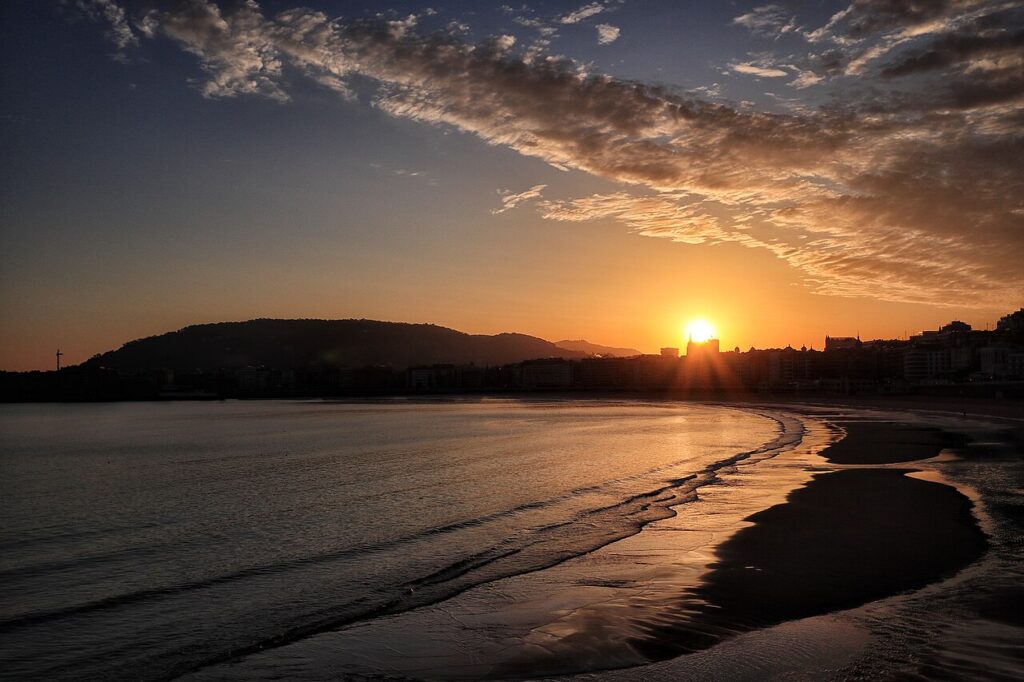
A Belle Époque city wrapped around La Concha, 1,350 metres of sand in an almost closed bay, with 19 Michelin stars within 25 km.
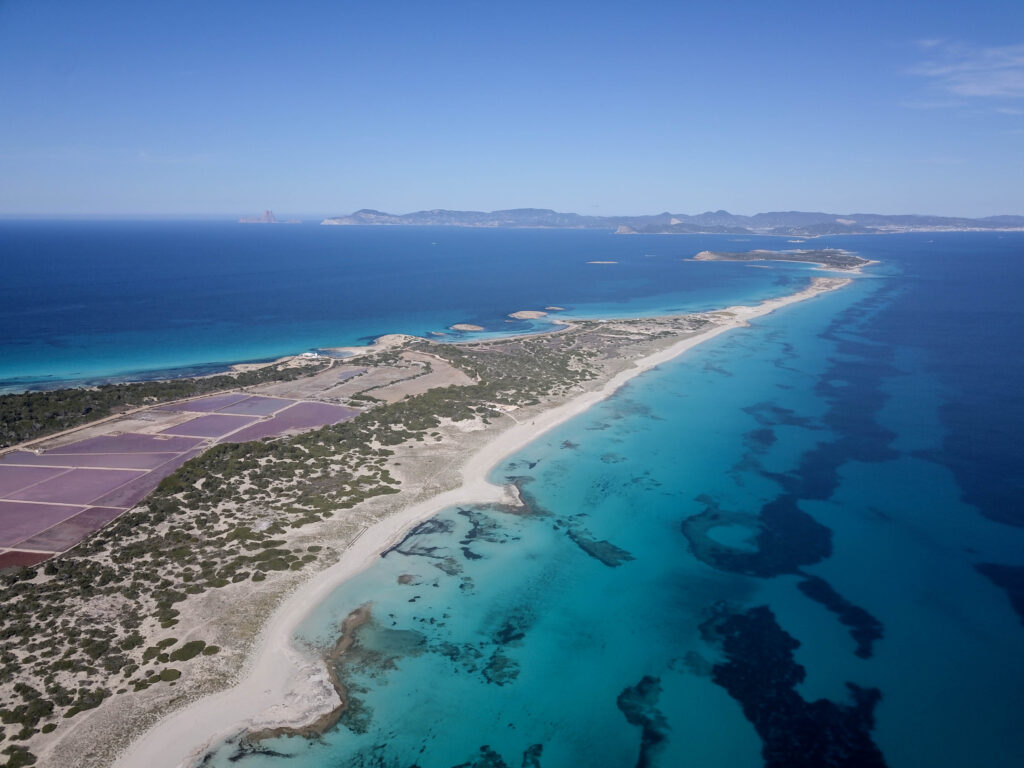
Formentera’s best-known beach: over 450m of white sand on the Es Trucadors peninsula, inside the Ses Salines natural park.
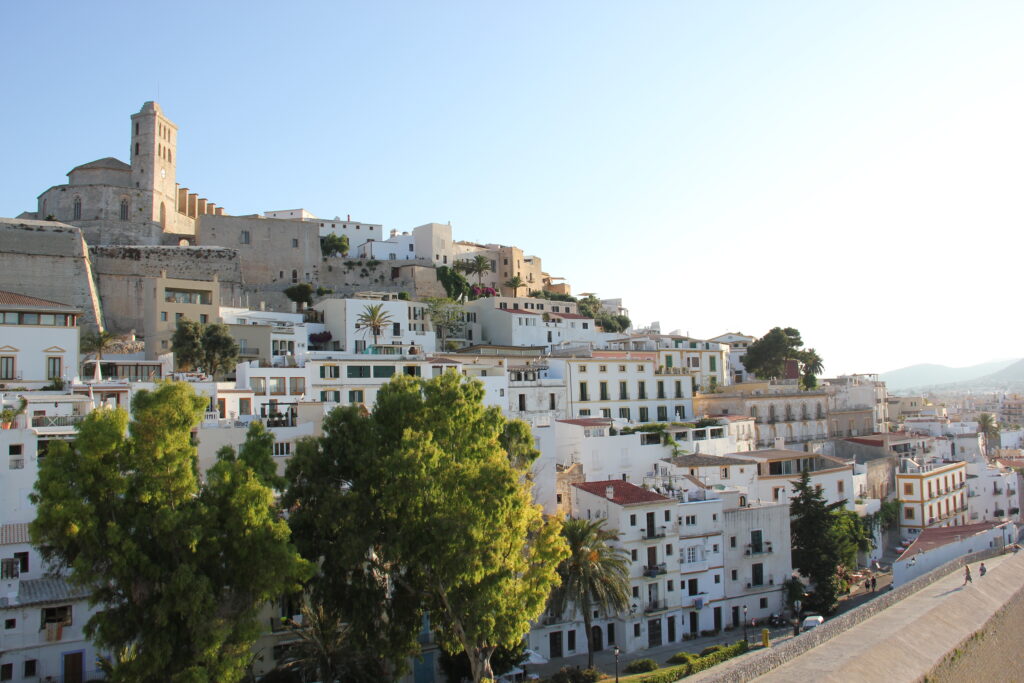
The walled upper town of Ibiza, ringed by seven Renaissance artillery bastions begun in the 1550s and UNESCO-listed in 1999.
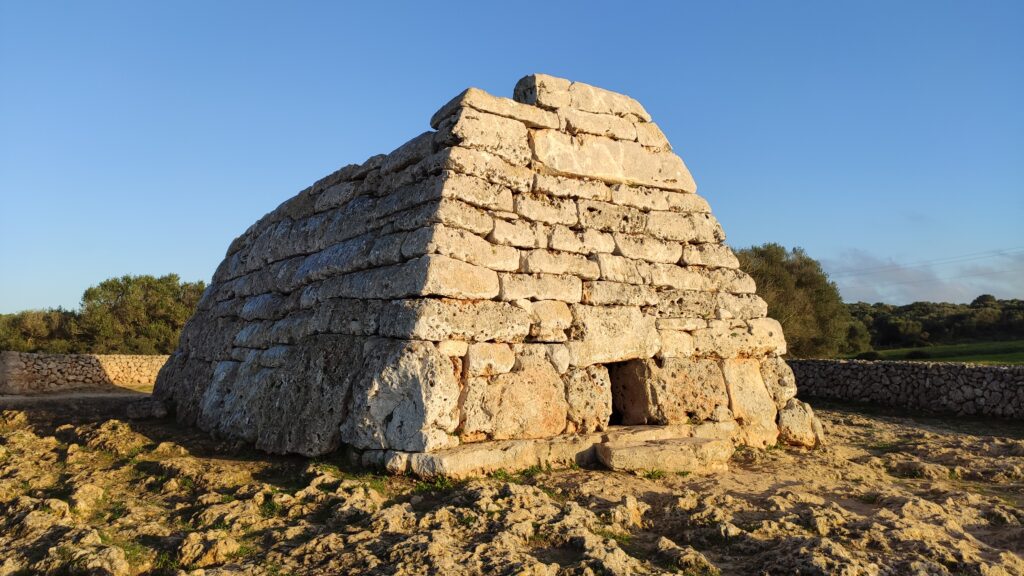
A two-storey dry-stone burial monument near Ciutadella, used as a collective ossuary between about 1200 and 750 BC.
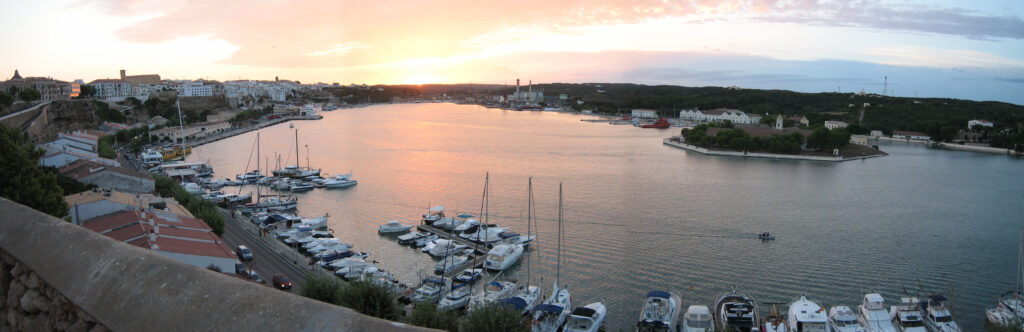
Menorca’s capital sits above one of the longest natural harbours in the world, about 5km long and shaped by a century of British naval occupation.
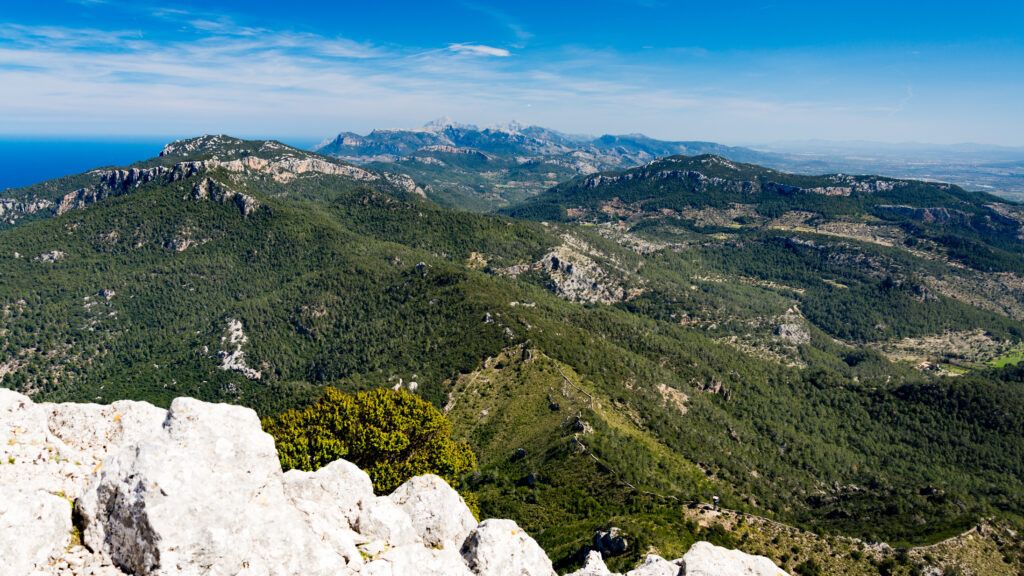
Mallorca’s northern mountain range, a UNESCO cultural landscape of dry-stone terraces and water channels, pinned at Fornalutx above Soller.
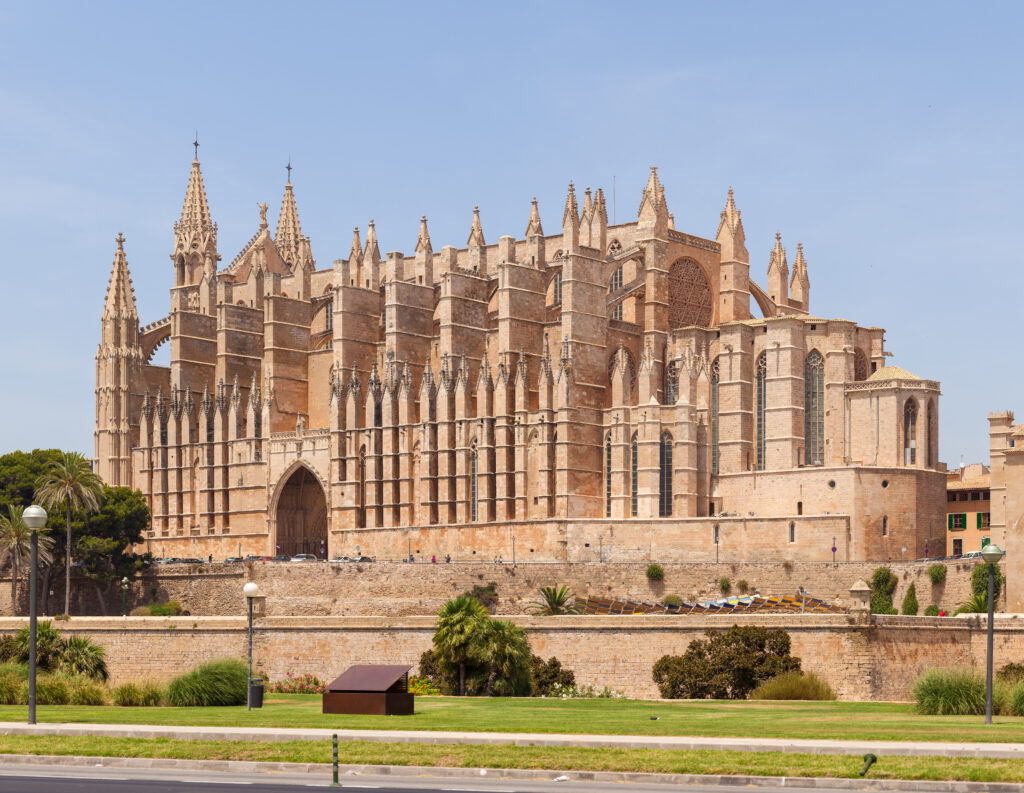
Mallorca’s Gothic cathedral, begun after the 1229 conquest and consecrated in 1601, standing on the old sea wall above the Parc de la Mar.
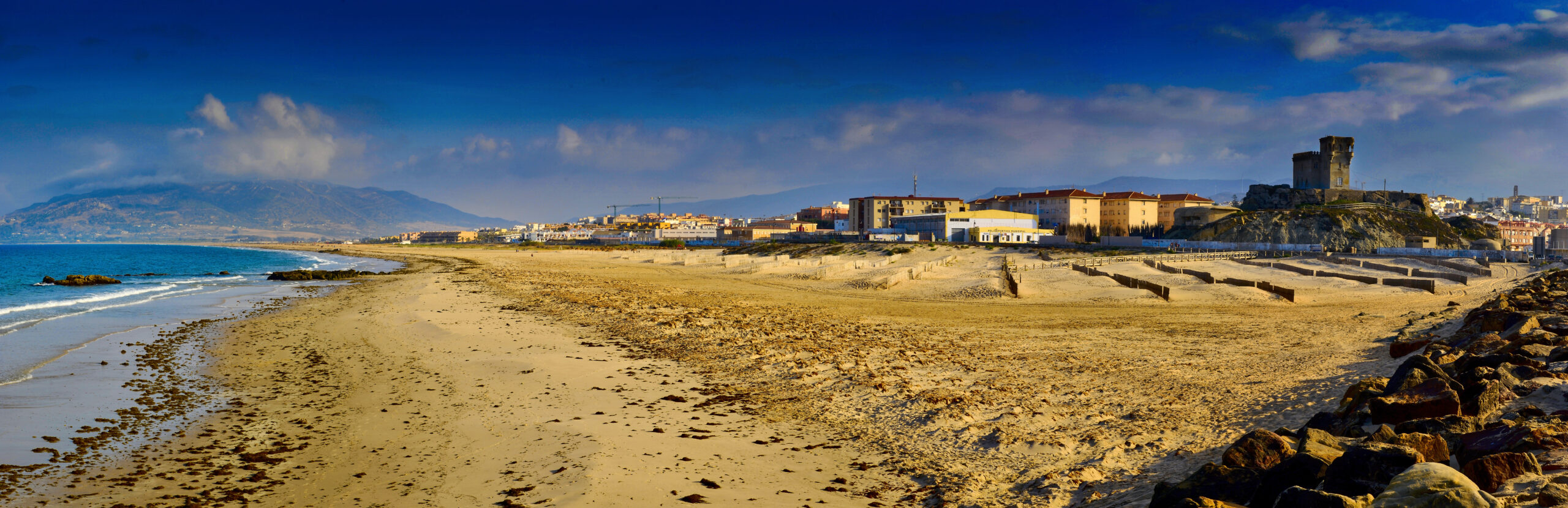
Mainland Europe’s southernmost town, where the Strait of Gibraltar narrows to 14.2 km and the Levante wind made a kitesurfing capital.