
Expect a city that mixes landmark architecture, a working port and lively neighbourhood streets rather than a single “perfect” holiday postcard. You’ll find world-class modernist buildings shoulder-to-shoulder with medieval lanes, a central urban beach and a big-stadium football culture — but also crowds in summer, busy promenades and neighbourhoods that feel urban rather than remote. This guide focuses on the practical choices that make a visit enjoyable rather than on sugar-coated highlights: where to go first, what to skip if you’re short on time, and what you must know before you travel.
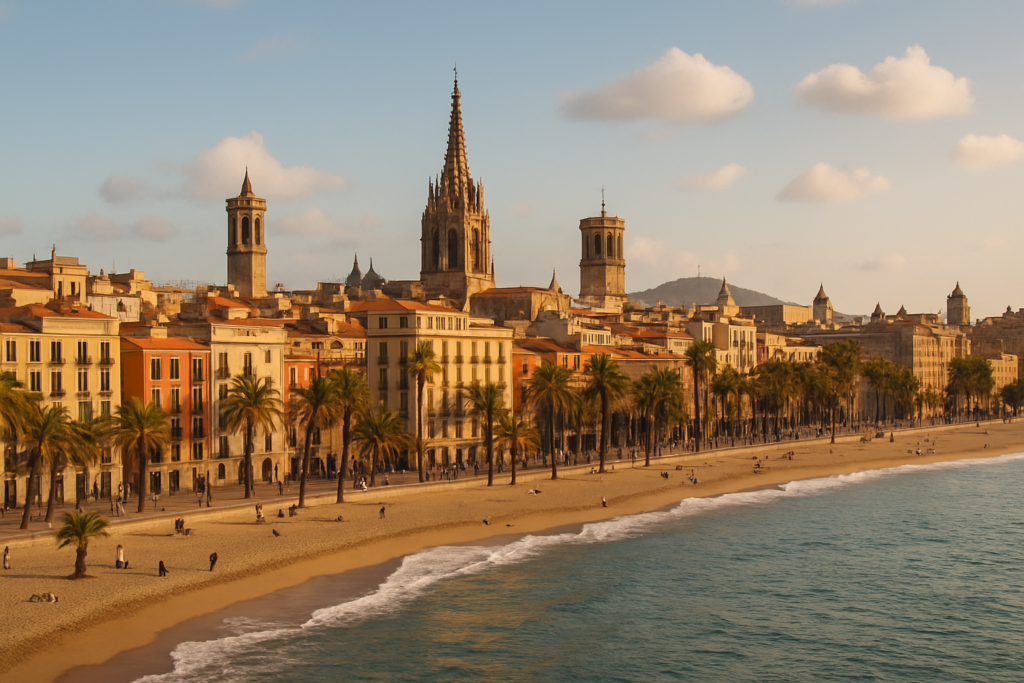
Barcelona at a glance
- Capital of Catalonia, sitting on the Mediterranean between the Collserola hills and the sea.
- Home to La Sagrada Familia, Antoni Gaudí’s still-unfinished UNESCO-listed basilica.
- The Eixample is the 19th‑century grid of octagonal blocks designed by Ildefons Cerdà.
- El Prat airport is Spain’s second-busiest, about 15 km southwest of the centre.
- Barceloneta is the most central stretch of sand with a seafront promenade and seafood restaurants.
- Montjuïc hill holds the Magic Fountain, the MNAC art museum and gardens overlooking the port.
- The Picasso Museum in El Born houses one of the largest collections of the artist’s early work.
Things to do in Barcelona
There’s no single route through the city — pick a theme (Gaudí and modernisme, medieval lanes and museums, or sea and sport) and build an itinerary around it. Below are the attractions that pull most visitors; use the quick comparison table to decide what fits your interests and time.
| Attraction | What it is | Price/entry | Best for |
|---|---|---|---|
| La Sagrada Familia | Antoni Gaudí’s still-unfinished basilica and UNESCO World Heritage site | — | Architecture and iconic city landmark |
| Park Güell | Gaudí-designed park on Carmel Hill with mosaic terraces and city views | — | Scenic viewpoints and whimsical architecture |
| Casa Batlló & Casa Milà (La Pedrera) | Two Gaudí apartment buildings on Passeig de Gràcia, both UNESCO-listed | — | Modernist interiors and façades |
| Picasso Museum | Extensive collection of Picasso’s early work located in El Born | — | Art lovers and those interested in Picasso’s development |
| Barceloneta | The city’s central beach area with a lively promenade | Free | Beach time and seafood dining |
| Montjuïc | Hill with the Magic Fountain, MNAC and gardens overlooking the port | — | Sunset views, museums and outdoor spaces |
| Gothic Quarter (Barri Gòtic) | Medieval heart with narrow lanes around the Cathedral of Barcelona | Free | Strolling, history and atmospheric streets |
| La Rambla | Iconic pedestrian boulevard running from Plaça de Catalunya to the old harbour | Free | People-watching and lively street scene |
| Camp Nou | FC Barcelona’s home stadium, one of Europe’s largest football grounds | — | Football fans and stadium tours |
Gaudí’s essentials
If you have limited time, concentrate on three Gaudí experiences that reveal different sides of his work: La Sagrada Familia for the monumental and spiritual, Casa Batlló or Casa Milà on Passeig de Gràcia for domestic modernisme in the city centre, and Park Güell for landscaped, playful mosaics with elevated views. These three combine interiors, façades and open-air vistas, and they sit in distinct parts of the urban fabric, so plan travel time between them.
Strolling the old city
The Gothic Quarter and nearby El Born are best explored on foot: narrow lanes, squares and hidden courtyards open up slowly and reward aimless wandering. El Born contains the Picasso Museum, which focuses on his early pieces; the Gothic Quarter centres on the Cathedral of Barcelona and remains the medieval core. Use quieter side streets to find cafés and artisan shops away from the busiest tourist corridors.
Sea, sport and Montjuïc
Barceloneta’s seafront is the most central beach option, with a promenade lined by restaurants. For a non-beach day, Montjuïc hill is a classic alternative: it groups museums and gardens and offers harbour views and the Magic Fountain, which anchors evening activity around the southern slopes.
Best beaches in Barcelona
If you want sand without leaving the city, the central option is the most practical. It’s within easy reach of the old harbour and promenades, and it’s best for people who want a short beach visit combined with dining on seafood close by.
- Barceloneta — the city’s most central stretch of sand, backed by a seafront promenade and seafood restaurants; easy to combine with a walk along the old harbour.
Barcelona with kids
Families can mix outdoor space and spectacle: Park Güell’s mosaics and paths are eye-catching for children, while the seafront near Barceloneta offers shallow sand and a lively promenade for rollerblading and casual cycling. Camp Nou also attracts older children and teenagers who follow football; Montjuïc’s gardens and open areas make for relaxed afternoons away from traffic.
How to get to Barcelona and get around
Air travel is the primary long-distance option: El Prat airport handles most international and domestic flights and sits about 15 km southwest of the centre. Once you’re in the city, the best strategy is to pick a base close to the sights you prioritise; public transport and walking are the most convenient ways to move between compact neighbourhoods.
Where to stay in Barcelona
Choose accommodation by the experience you want:
- Eixample — central grid layout, great for architecture walks and access to Passeig de Gràcia; suits travellers who want city-centre convenience.
- Gothic Quarter / El Born — walkable historic core with narrow streets, museums and nightlife; suits first-time visitors who want old-city ambience.
- Barceloneta — seafront and seafood restaurants; suits beach-first travellers who want immediate access to sand and promenade.
- Near Camp Nou — west-side neighbourhoods for football fans or quieter residential stays away from the busiest tourist loops.
Best time to visit Barcelona
Barcelona attracts visitors year-round; timing affects crowd levels and what you can comfortably do outside. Major local draw is a big street festival each September that includes human towers, parades and fireworks, which is an intense cultural highlight if you’re ready for crowds.
| Season | Months | What to expect |
|---|---|---|
| Late summer / early autumn | September | Warm weather and La Mercè festival with human towers, parades and fireworks |
| Spring | April–June | Generally pleasant for outdoor sightseeing and park visits |
| Winter | December–February | Quieter city experience and easier access to museums and monuments |
History of Barcelona
The city’s visible layers are compact: a medieval core of narrow lanes around the cathedral sits beside late‑19th‑century urbanism embodied by the Eixample, whose octagonal blocks were laid out by Ildefons Cerdà. In the late 19th and early 20th centuries, Antoni Gaudí and other modernist architects transformed parts of the city with highly individual buildings like Casa Batlló and Casa Milà, while Gaudí’s long-term project, La Sagrada Familia, remains unfinished and is recognised as a UNESCO World Heritage site. The result is a city where medieval, modernist and contemporary elements coexist within short distances.
Practical info
- Airport: Barcelona’s El Prat airport is about 15 km southwest of the centre and is Spain’s second-busiest.
- Walking and public transport: The city’s main districts are compact and walkable; public transport provides quick links between more distant sites.
- Beaches: The most central urban option is Barceloneta, located near the old harbour and promenades.
- Cultural calendar: If you travel in September, expect La Mercè, the city’s largest street festival with parades, human towers and fireworks.
Worth it for: Architecture and design enthusiasts, people who like mixing city sightseeing with an urban beach, visitors who want a compact city with museum options and large-scale modernist landmarks.
Less so if: You’re seeking a quiet, out-of-the-way beach resort or an entirely off-the-beaten-track getaway — the central seafront and main tourist corridors are busy in peak periods.
How we assess this guide
We assemble this guide by cross-checking local and authoritative sources for verified facts about landmarks, districts and transport. We flag major events and infrastructural facts that affect planning, and we avoid first‑hand claims that aren’t corroborated by reliable references. We note closures or material changes when confirmed; otherwise we rely on up-to-date published data.
Frequently asked questions
How do I get from the airport to the city centre?
Barcelona’s El Prat airport lies about 15 km southwest of the centre; travellers typically use public transport, taxis or airport shuttles to connect to the city, depending on their arrival terminal and luggage.
Is Barcelona expensive to visit?
Costs vary widely by neighbourhood and choice of activities. Central locations and major attractions tend to be pricier, while quieter residential neighbourhoods can be more affordable; plan according to the kinds of experiences you prioritise.
Which beach is best for a short visit?
For a short city break, the most convenient stretch is the central Barceloneta beach, which has a seafront promenade and nearby seafood restaurants, making it easy to combine with other sightseeing.
How many days do I need to see the highlights?
A focused 2–4 day stay covers the main modernist highlights, the Gothic Quarter and a seaside stroll; longer visits let you explore museums, Montjuïc and the surrounding neighbourhoods at a more relaxed pace.
Is Barcelona good for families with children?
Yes. Park Güell and the city’s beaches are family-friendly, and stadium visits to Camp Nou appeal to older children and teens. Montjuïc’s open spaces also provide a break from urban streets.
Can I get around the city without a car?
Absolutely. The central districts are compact and walkable; public transport links make it straightforward to reach sights that are further apart, while many visitors find a car unnecessary for an urban stay.
Is there parking in the central areas?
Parking in the most central districts can be limited and subject to local rules; many visitors prefer public transport or choosing accommodation with private parking if a car is necessary.
What can I do on a rainy day?
Museums and indoor modernist houses provide good rainy-day options; the city’s catalog of museums includes collections focused on art and local history clustered in several neighbourhoods.
When is the best time to visit for fewer crowds?
Winter months are generally quieter, with easier access to popular attractions. If you want cultural energy and local festivities, September offers the large La Mercè festival.
What is La Mercè festival?
La Mercè is the city’s biggest street festival each September, notable for human towers, parades and fireworks — it’s the main annual civic celebration.
Where are the main Gaudí sites located?
Key Gaudí works are spread across the city: La Sagrada Familia stands as a major basilica, houses like Casa Batlló and Casa Milà sit along Passeig de Gràcia, and Park Güell occupies a hillsite with terraces and views.
Is Camp Nou worth visiting if I’m not a football fan?
Camp Nou is primarily a destination for football fans, though stadium tours provide insight into a major sporting institution and large-scale stadium architecture; casual visitors can decide based on interest in sport or stadium design.
Can I see Picasso’s work in the city?
Yes — there’s a museum in El Born that houses one of the most extensive collections of Picasso’s early work, concentrated on his formative years.
Where should I stay to be close to shopping and modernist architecture?
The Eixample district is the logical choice: its 19th‑century grid layout contains many modernist buildings and provides direct access to Passeig de Gràcia and other shopping streets.
Is the Gothic Quarter suitable for night walks?
The Gothic Quarter’s narrow lanes and squares are atmospheric for evening strolls, but expect busier tourist pockets around the cathedral and main squares at night.
Plan the wider trip
- Santpedor: a walled medieval town in the Bages and Pep Guardiola's birthplace
- Caldes de Montbui: Roman Thermal Spa Town near Barcelona
- Calella: Beach Resort on the Costa de Barcelona
- Cardedeu: Modernista Valles Town near the Montseny
- Castelldefels
- Sitges
Nearby on the Costa de Barcelona
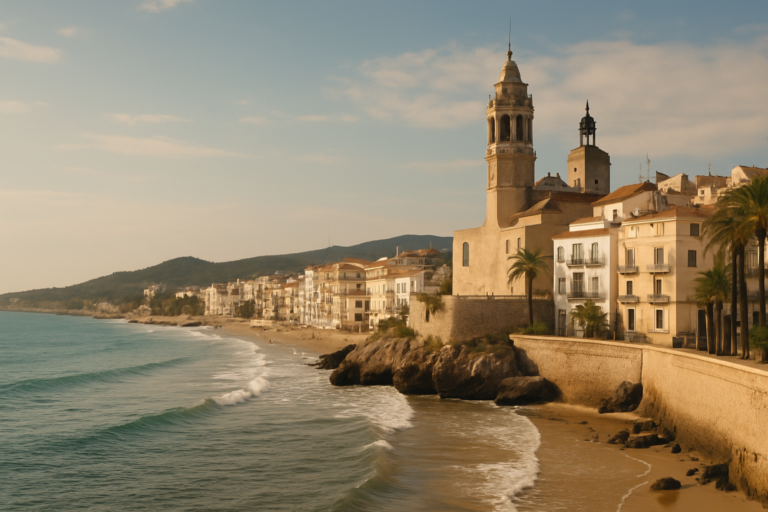
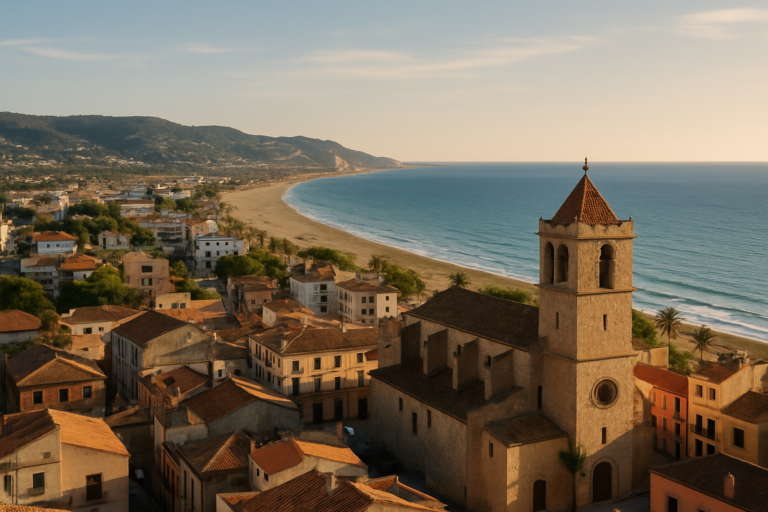
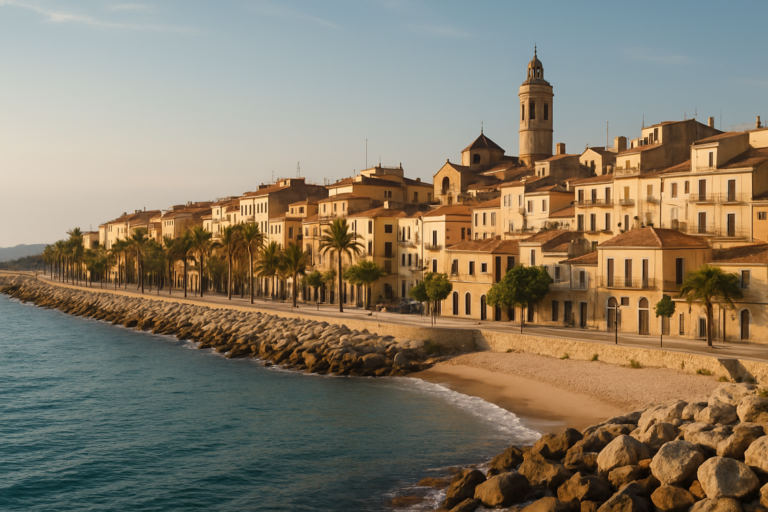
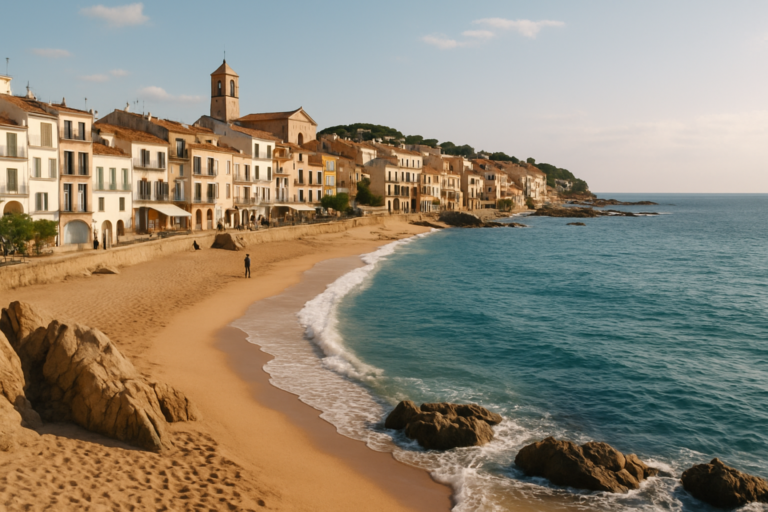
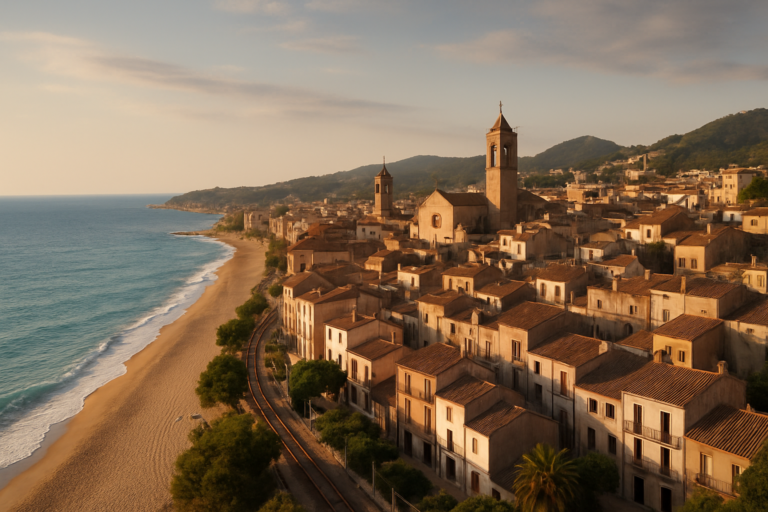
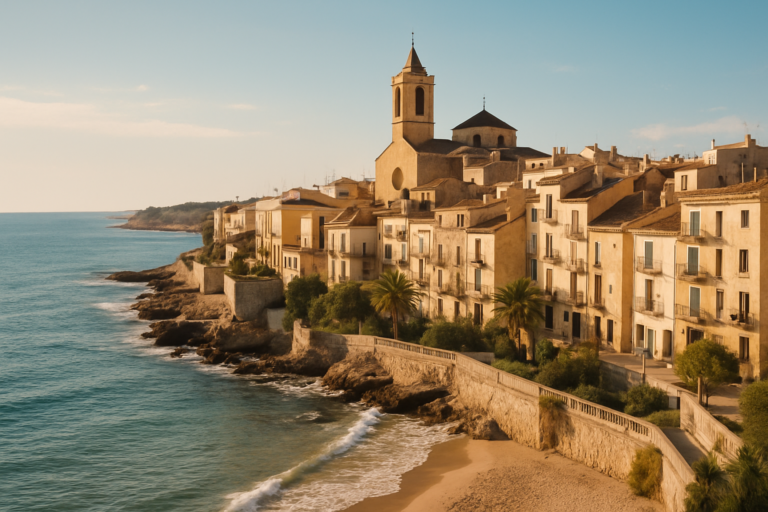
This place is part of our Costa Barcelona Guide: Maresme, Garraf, Sitges & Penedès — see every town, beach and cove we have mapped on that coast.
How this page is maintained. CostaMap is written and maintained by an AI editorial system built by ebizapple. Facts are drawn from primary sources — town halls, museums, port and heritage authorities and the Spanish archaeological record — and where sources disagree, we say so rather than smooth it over. Photographs marked as ours are taken on location. This page was last reviewed on 15 August 2026. Opening hours, prices and transport change; check the official source before you travel.