
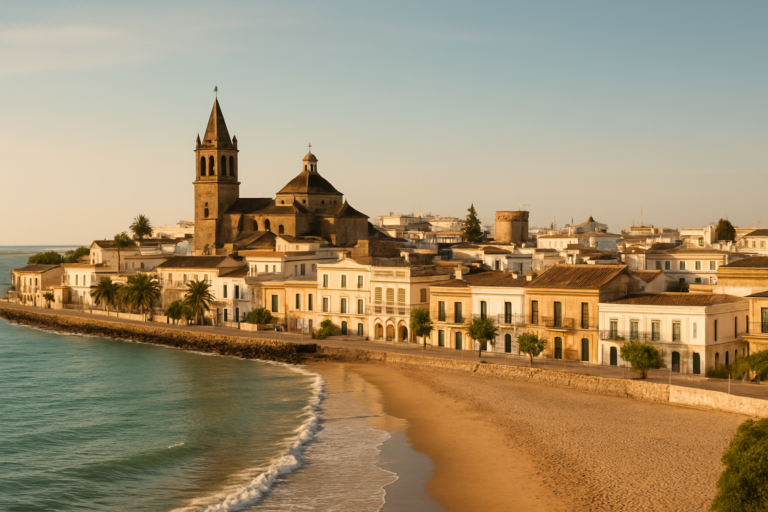
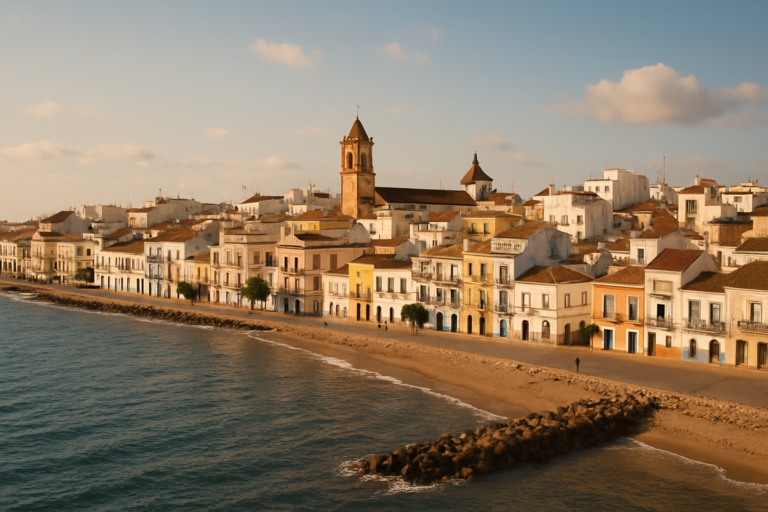
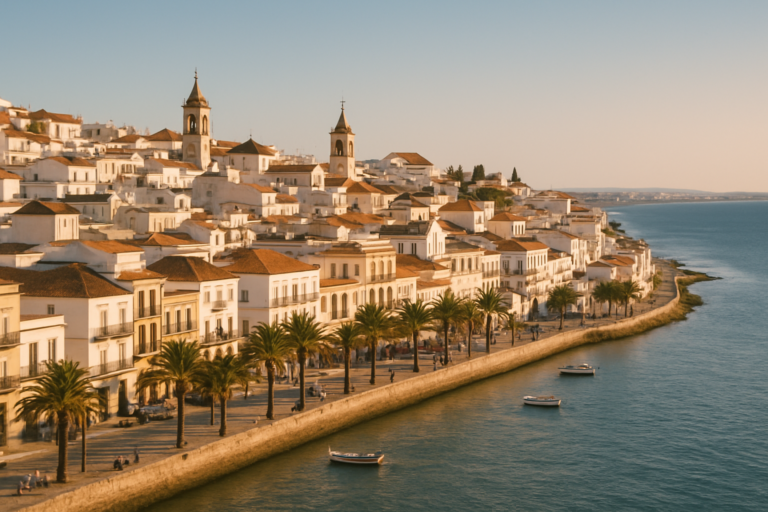
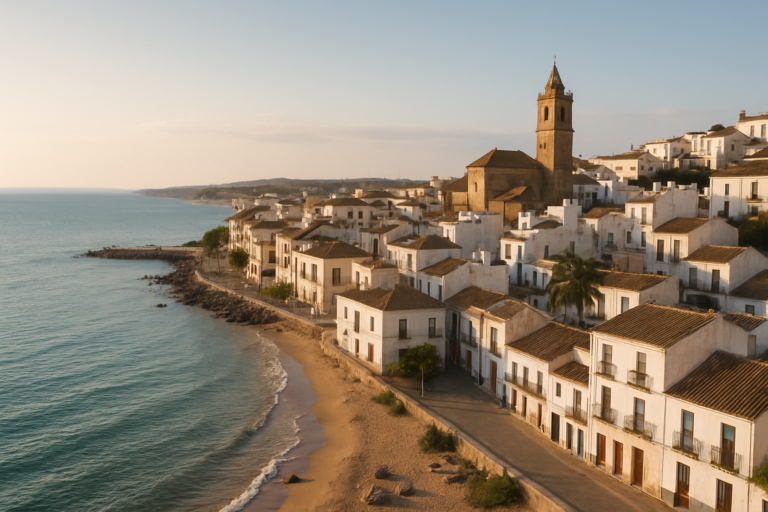
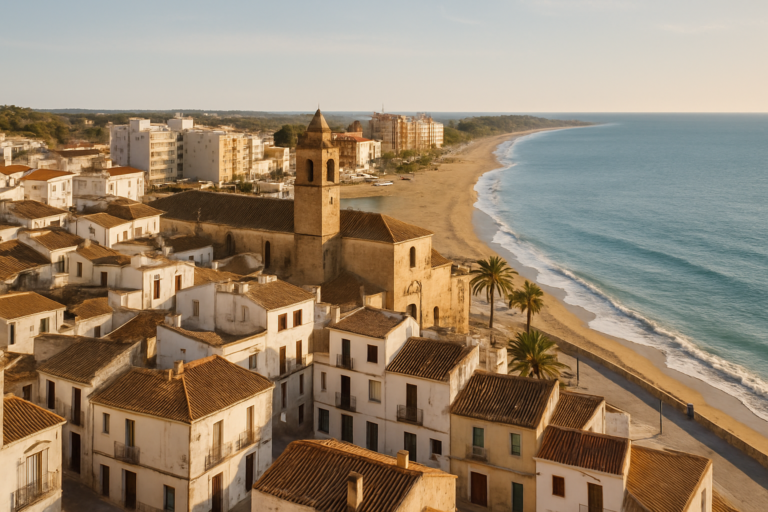
Expect a working fishing town with long Atlantic sands, a vital seafood economy and an energetic Carnival rather than a polished resort. This is a place where nets, canneries and birds share the shoreline; the beaches are wide and wind-blown, the gastronomy is seafood-first, and the marshes are as important to the experience as the promenade. If you arrive expecting boutique façades and neon nightlife you’ll be disappointed; if you come for honest coastal Andalusia, fresh prawns and wide skies, you’ll be rewarded.
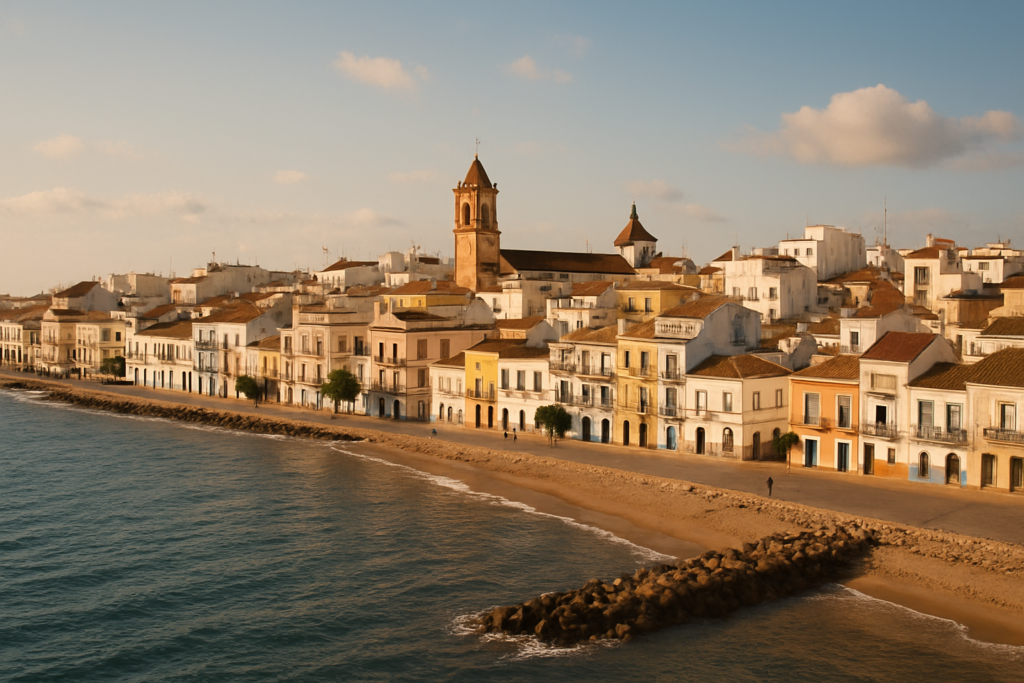
Isla Cristina at a glance
- Coastal town on the Costa de la Luz in Huelva province, near the Portuguese border.
- A historic fishing port and centre for sardines, tuna and shellfish.
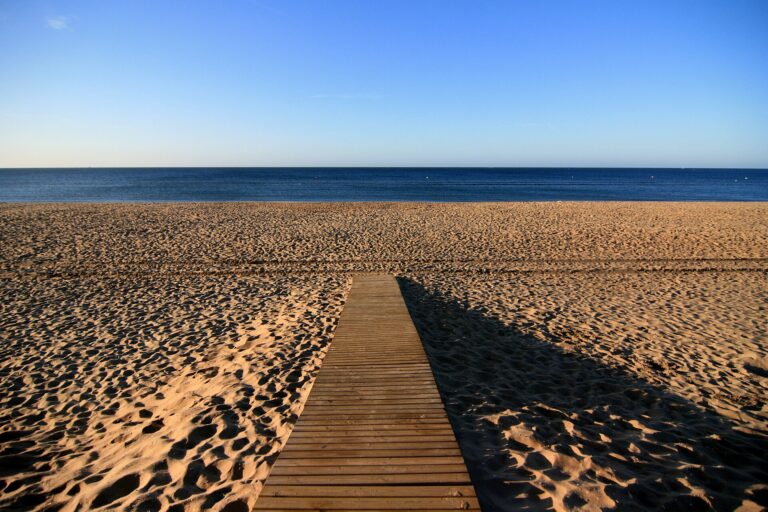
- Long Atlantic beaches—Playa Central and Playa del Hoyo—backed by pine and dunes.
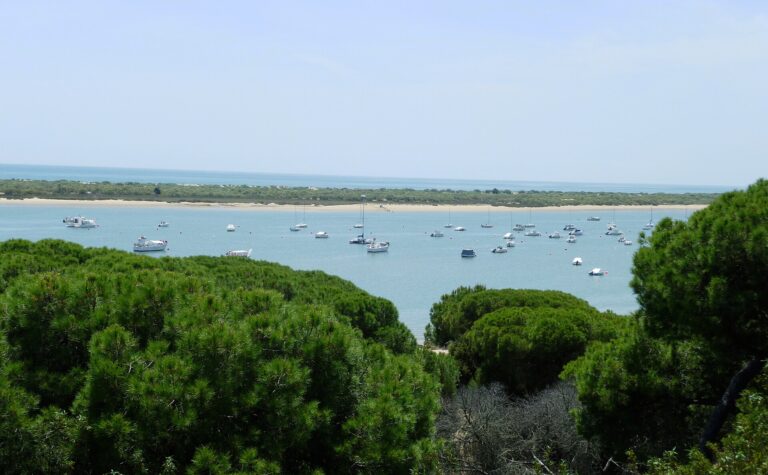
- Sits among the marshes and channels of the Marismas de Isla Cristina natural area.
- Home to a canning and salting industry that traditionally processed the catch.
- Hosts one of Andalusia’s most celebrated Carnivals, declared of national tourist interest.
Things to do in Isla Cristina
Activities here divide roughly between nature and working-port culture. Birdwatch the protected marshes, walk or cycle the pine-backed spit to reach wide beaches, follow the town’s fishing history through markets and seafood restaurants, and time a visit for Carnival if you want pageantry. Expect informal visitor infrastructure: facilities exist but the draw is authenticity rather than slick tourist staging.
| Attraction | What it is | Price/entry | Best for |
|---|---|---|---|
| Marismas de Isla Cristina | Protected wetlands and birdlife-rich channels | – | Birdwatchers, nature walks |
| Playa Central | Long Atlantic beach backed by pine and dunes | – | Beachgoers who like wide sands |
| Playa del Hoyo | Another long Atlantic beach; similar character | – | Beach walks, kite-friendly conditions |
| Fishing port and markets | Active harbour specialising in sardines, tuna and shellfish | – | Seafood lovers, maritime culture |
| Carnival | Annual festival with deep local importance | – | Festival-goers, cultural visitors |
| Canning and salting industry | Traditional processing sector linked to local cuisine | – | Food-history enthusiasts |
Explore the Marismas
The wetlands that frame the town are a paraje natural — protected and alive with waders, ducks and other coastal birds. Paths and channels create small pockets of habitat; the landscape is low and watery, and birdlife often forms the highlight for visitors who bring binoculars. The marshes are also the reason for the town’s layout: channels and tidal plains influence how roads and beaches connect to the urban centre.
The working fishing port
Don’t treat the harbour as a backdrop. This is one of Spain’s important fishing ports and you’ll see the infrastructure: boats landing sardines, tuna and shellfish, and a civic economy shaped by that catch. Fish markets and seafood eateries nearby offer a direct route from quay to plate—the culinary scene here is built on what comes in each day.
Carnival — big, local and very visible
Isla Cristina’s Carnival ranks among Andalusia’s liveliest and has been declared of national tourist interest. For visitors who want local colour, costume and processions, timing a trip around Carnival changes the trip profoundly: the town’s population energy, street life and evening activity all rise during the festival.
Best beaches in Isla Cristina
The beaches are the area’s main leisure asset: long, Atlantic-facing and accessed across the marshes and a pine-backed spit. They are expansive rather than intimate, making them excellent for walks, family days and wind sports when the Atlantic breeze kicks in.
| Beach | Character | Facilities / Blue Flag |
|---|---|---|
| Playa Central | Long sandy shore; pine-dune backing | – |
| Playa del Hoyo | Extended sands, dunes and pine areas | – |
Isla Cristina with kids
Families find the wide beaches ideal for running and sand play; the sheltered pine strips give shade away from the sand. Younger children tend to enjoy the birdlife in the marshes as simple wildlife viewing; older kids may appreciate watching the harbour activity. Carnival also offers family-friendly spectacles, though the best experience requires planning around event dates.
How to get to Isla Cristina and get around
The town sits on the Costa de la Luz in western Huelva province, about 50 km west of Huelva city and close to Ayamonte and the Portuguese border. The beaches are reached from the town via a road that crosses the marshes and the pine-backed spit; expect a short drive or cycle from the urban centre to the sand. Getting around locally is easiest by car, bicycle or on foot for the town centre and beachfront.
Best time to visit Isla Cristina
Seasonality is straightforward: summer is beach season, when seaside activity and swimming are most appealing. Spring and autumn are quieter and attractive for birdwatching in the marshes when migratory patterns make wetlands particularly rewarding. Carnival is a peak cultural moment — it dramatically alters the town’s atmosphere and is the reason many visitors time a trip.
| Season | Months | What to expect |
|---|---|---|
| Summer | June–August | Beach activity at its busiest; seaside atmosphere and seafood dining |
| Spring/Autumn | April–May / September–October | Better for birdwatching; milder temperatures and fewer crowds |
| Carnival period | Annual (date varies) | High local energy and parades; prime time for cultural visitors |
History of Isla Cristina
The settlement grew in the 18th century as a fishing community founded largely by Catalan and Ligurian Italian fishermen. Over time it developed into a major fishing port with a canning and salting industry that processed the day’s catch. The town’s identity remains tethered to this maritime economy: harbour, canneries and fisheries shaped the urban fabric and the cuisine visitors find today.
Practical info
- Access to beaches: Beaches are reached from the town by a road that crosses the marshes and a pine-backed spit—plan for a short transfer from the centre to the shoreline.
- Wildlife and protection: The surrounding wetlands are a protected paraje natural, so stick to marked paths and respect wildlife areas while birdwatching.
- Food costs: The local gastronomy centres on fresh seafood—sardines and white prawns are culinary highlights; menus and prices are market-led and tie closely to the harbour catch.
- Working port: Expect working-harbour activity; safety and operations take precedence over visitor access in quay zones.
Worth it for: seafood-focused travellers, birdwatchers, people who prefer authentic working ports to polished resorts, and visitors who like long Atlantic beaches. Less so if: you want boutique shopping, high-end resort glitz, or guaranteed calm, sheltered bathing year-round.
How we assess this guide
This guide brings together verified facts about the town’s geography, history, economy and natural areas from authoritative sources. We flag major events and conservation statuses and avoid presenting closed or changed sites as open. We do not rely on single, unverified reports, and we do not include invented prices, times or claims—where exact figures or schedules aren’t available in our sources we explicitly omit them.
Frequently asked questions
How do I get from Huelva city to Isla Cristina?
The town lies about 50 km west of Huelva city. Travel options typically include driving or regional buses; the route runs west toward Ayamonte and the Portuguese border.
Is Isla Cristina expensive to visit?
Costs reflect a working fishing town rather than a luxury resort. Culinary spending focuses on seafood, and many visitors find value in local markets and eateries where the catch determines the menu.
Which beach is best in the area?
Playa Central and Playa del Hoyo are the primary long Atlantic beaches. They are characterised by wide sands backed by pine and dunes and serve different uses—from long walks to family beach days.
How many days do I need to see the town?
A long day can cover the harbour, a beach visit and a short birdwatching session. Two to three days lets you relax on the sand, explore the marshes and enjoy local seafood without rushing.
Is the area good for families with children?
Yes. The wide beaches and pine-backed dunes make for safe play areas, and the town’s local festivals, especially Carnival, offer family-friendly spectacles when scheduled.
Can I get around without a car?
Within the town and beachfront areas walking and cycling work well. Reaching more remote parts of the marshes or transferring luggage to the spit-style beaches is easier by car or short local taxi rides.
Is parking available near the beaches?
Beaches are reached from the town by road across the marshes and the pine-backed spit; parking is available near access roads but expect beach access to require a short walk from car parks in high season.
What are rainy-day options?
Indoor options are limited compared with big cities; however, seafood restaurants, the harbour area and strolling the town’s streets provide alternatives. Cultural highlights concentrate on markets and local festivities rather than museums.
When is Carnival and why go for it?
Carnival is an annual highlight and has been declared of national tourist interest. Attending brings colourful parades and a strong local flavour—plan trips around the festival if you want the liveliest experience, but check exact dates locally as they change each year.
Are the wetlands accessible for birdwatching?
Yes. The Marismas de Isla Cristina natural area is protected and rich in birdlife; birdwatching and nature walks are principal reasons many visitors come. Respect protection measures and stick to marked areas.
What seafood should I try while here?
Local cuisine highlights include sardines and white prawns, reflecting the town’s role as a major fishing port for those species. The culinary scene is closely linked to the harbour catch and traditional processing like salting and canning.
Is the canning industry still visible?
Yes. A canning and salting industry has long processed the catch, and the sector’s presence remains part of the town’s character and economy.
Is it near Portugal—can I visit across the border easily?
The town is close to the Portuguese border and near Ayamonte; cross-border day trips are common in the wider area, but specific transport and border conditions should be checked depending on your itinerary.
Are the beaches suitable for wind sports?
The long Atlantic beaches and open exposure create favourable conditions for wind sports when breezes are present. The character of the coastline suits activities that use wind, though availability of equipment rentals varies.
Will I see working fishing boats and markets?
Yes. This is one of Spain’s important fishing ports with active landings of sardines, tuna and shellfish. Observing port activity and visiting markets gives insight into the town’s maritime economy.
Plan the wider trip
Nearby on the Costa de la Luz
Isla Cristina on the map
Places worth knowing near Isla Cristina
How this page is maintained. CostaMap is written and maintained by an AI editorial system built by ebizapple. Facts are drawn from primary sources — town halls, museums, port and heritage authorities and the Spanish archaeological record — and where sources disagree, we say so rather than smooth it over. Photographs marked as ours are taken on location. This page was last reviewed on 27 July 2026. Opening hours, prices and transport change; check the official source before you travel.