
Expect a compact, mostly low-key place that’s defined by two things: horchata and the sea. This town sits a breath away from Valencia’s bustle and feels part suburb, part coastal village. If you arrive expecting dramatic old‑town streets or an isolated resort, you’ll be disappointed; if you come for fresh orxata, canals, short beach strolls and a glimpse of irrigated farmland tucked up against a city, you’ll leave satisfied.
Alboraya at a glance
- Only about 5 km north of central Valencia; well served by tram and within the metro/tram network.
- Home of horchata (orxata) made from locally grown chufa (tiger nuts); traditional horchaterías still serve it with fartons.
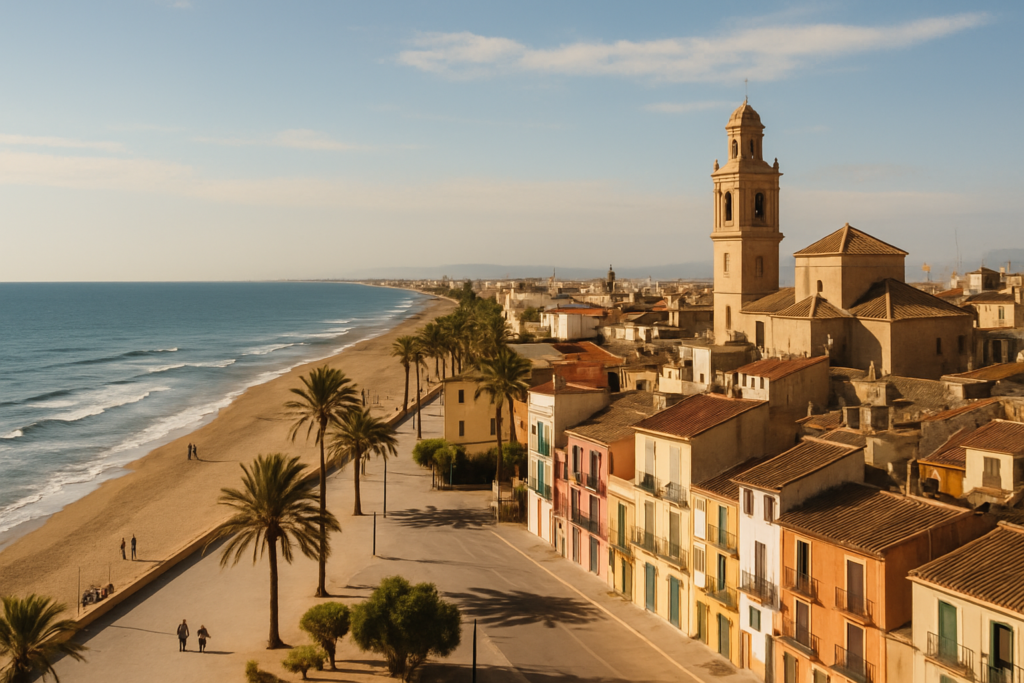
- Port Saplaya: a colourful canal marina nicknamed “little Venice”, with pastel houses beside a beach.
- Platja de la Patacona forms an extension of Valencia’s seafront and has a long promenade lined with restaurants.
- The surrounding chufa fields (camps de xufa) carry Denomination of Origin protection and are part of the Horta de València irrigated landscape.
- The parish church of the Assumption anchors the historic centre; the Ermita dels Peixets is a small pilgrimage site.
Things to do in Alboraya
Activities here fall into a few clear categories: food and drink (horchata and rice/seafood restaurants along the promenade), low-key seaside time at Patacona and Port Saplaya, and local heritage — the church and small pilgrimage sites, plus the agricultural landscape that produces chufa. Most visits are short: people combine Alboraya with Valencia city sightseeing or come for a single experience such as a horchata tasting and a beach walk.
| Attraction | What it is | Price/entry | Best for |
|---|---|---|---|
| Port Saplaya | Canal-front marina area with pastel houses beside the beach | — | Strolling, photos, coastal dining |
| Platja de la Patacona | Long Mediterranean beach and promenade aligned with restaurants | — | Beach walks, paella and seafood meals |
| Traditional horchaterías | Local cafés serving fresh horchata and fartons | — | Tasting local specialities |
| Chufa fields (camps de xufa) | Protected agricultural landscape producing tiger nuts | — | Agricultural interest, photography |
| Parish church of the Assumption | Historic church anchoring the town centre | — | Local architecture, short cultural stop |
| Ermita dels Peixets | Small pilgrimage chapel commemorating a eucharistic legend | — | Pilgrimage interest, religious heritage |
Port Saplaya: the canals and the beach
Port Saplaya is the single most recognisable corner of the area. The pastel-coloured houses and canals give it a different, village-like flavour compared with the rest of the municipality, and the canals run beside a narrow beach and marina. It’s built to be photogenic and to host restaurants along the water; many visitors come simply to stroll, eat seafood or sit watching boats. Because it’s contiguous with Alboraya’s coastline, the atmosphere is relaxed rather than purpose-built like a large resort.
Horchata and the chufa landscape
Horchata (orxata) is the reason many people come: the drink is made from chufa, a tuber grown in the surrounding fields. Those chufa plots carry Denomination of Origin protection and are part of the Horta de València irrigated market gardens that define the region’s agricultural heritage. Eating-wise, traditional horchaterías in the area still serve fresh horchata with fartons pastries — a simple pairing and a local ritual rather than a tourist gimmick.
Short cultural stops: church and chapel
The parish church of the Assumption anchors the historic centre and gives a quick and easy cultural stop for visitors exploring the town on foot. Nearby, the Ermita dels Peixets is a small pilgrimage site commemorating a local eucharistic legend — not a grand monument, but of interest if you’re tracing local religious traditions.
Best beaches in Alboraya
The municipality shares a coastline that feels like an extension of Valencia’s seafront rather than a standalone beach resort. Expect long promenades and restaurants serving rice dishes and seafood more than beach‑only amenities.
| Beach | Character | Facilities / Notes |
|---|---|---|
| Platja de la Patacona | Long sandy beach with a wide promenade; an extension of Valencia’s seafront | Restaurants and bars line the promenade; seaside dining focuses on rice and seafood |
| Port Saplaya beach | Small beach beside a marina and canal-front houses | Canal-side restaurants make it popular for dining and short seaside walks |
Alboraya with kids
Families generally enjoy the relaxed beaches and short, safe strolls along promenades. Children who like boats and canals will appreciate Port Saplaya’s colourful marina; those who prefer open sand will find Patacona’s long shore suitable for paddling and sand play. The horchaterías are also a family-friendly stop — kids often like the sweetness of orxata paired with a farton.
How to get to Alboraya and get around
One of the area’s practical advantages is proximity: it borders Valencia’s public-transport network, making the trip from the city centre straightforward by tram or bus, or even by bike via dedicated lanes. Once you’re here, the compact layout and promenades mean walking or cycling are the most convenient ways to move between the main sights and beaches.
| From | By | Approx time |
|---|---|---|
| Valencia city centre | Tram, bus, bike lane | — |
Where to stay in Alboraya
If you choose to stay here rather than in central Valencia, your options cluster around three areas, each with a different feel:
- Port Saplaya — suits visitors who want a seaside setting, canals and easy access to coastal restaurants.
- Platja de la Patacona — best for people prioritising beach time and promenades; it feels like a beachfront neighbourhood.
- Historic centre — closer to local life, the parish church and the town’s small squares; a practical base if you want quieter evenings away from the promenade.
Best time to visit Alboraya
Most people pair a visit with Valencia’s warmer months so they can combine horchata stops with beach time. Festivals honouring the town’s patron and the chufa harvest are local highlights — check local calendars if you want to time your trip for a celebration or agricultural event.
| Season | Months | What to expect |
|---|---|---|
| Warm season | — | Beach promenades and coastal restaurants are busiest; ideal for combining horchata with seaside meals |
| Festival/harvest times | — | Local festivals honour the patron saint and the chufa harvest — good for experiencing local culture |
History of Alboraya
The area sits within the Horta de València, a long-established irrigated market-garden landscape that shaped the local economy and settlement patterns. That irrigation tradition is why chufa cultivation took hold here and why horchata became a signature product. The parish church of the Assumption and small pilgrimage sites like the Ermita dels Peixets reflect the town’s local religious and communal history, while Port Saplaya’s canals and marina post‑date the agricultural core and give the municipality a coastal, recreational layer.
Practical info
- Public transport: The town lies at the edge of Valencia’s metro and tram network, making it an easy trip from the city without a car.
- Connectivity: Frequent tram and bus links connect the area with Valencia; there are also bike lanes that link the two places, enabling cycling as a viable option for short trips.
- Food and drink: Expect restaurants along the Patacona and Port Saplaya promenades to specialise in rice dishes, seafood and paella, plus traditional horchaterías in the town centre.
- Agriculture: The chufa fields around the town have Denomination of Origin protection, so the landscape and its produce are both locally important and regulated.
Worth it for: anyone who wants a short coastal escape from Valencia with fresh horchata, canal-side cafes and promenade dining. Less so if: you’re seeking a remote, all-day resort with theme-park attractions or a large historic city centre to explore on its own.
How we assess this guide
We compiled this guide using verified local facts about the town’s transport links, agricultural protections, main sights and food traditions. We cross-checked claims about the chufa denomination, the presence of Port Saplaya and the town’s place in the Horta de València. We flag closures or material changes when they are recorded; this guide does not include first‑hand field reporting but relies on authoritative, verifiable sources where available.
Nearby on the Costa Valenciana
Towns near Alboraya
- Valencia — 4 km south-west, What Valencia is really like
- Foios — 4 km north, a Valencian huerta town just north of the city
- Burjassot — 5 km west, the historic Los Silos granary
- Moncada — 6 km north-west
- Mislata — 6 km south-west, What Mislata is really like
- Paterna — 8 km west, What Paterna is really like
Places to visit within reach
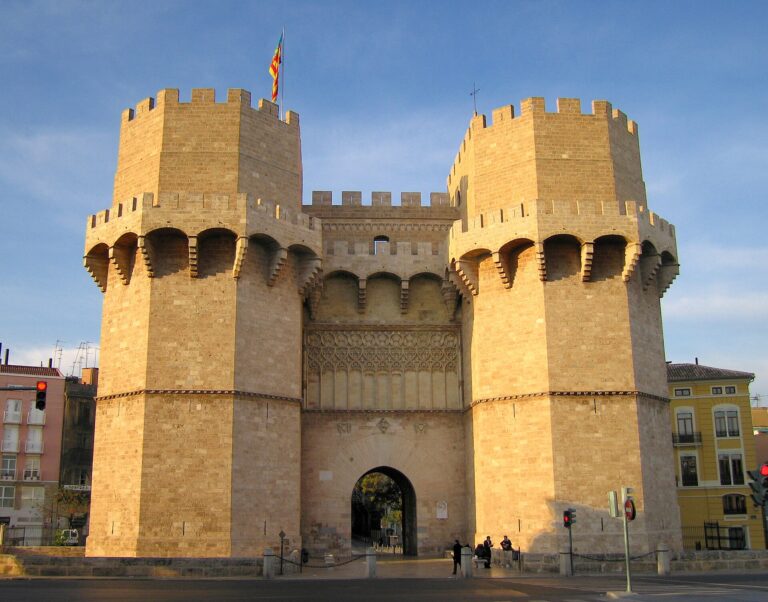
- Torres de Serranos — 3 km, Torres de Serranos survived Valencia’s demolished city walls largely because it
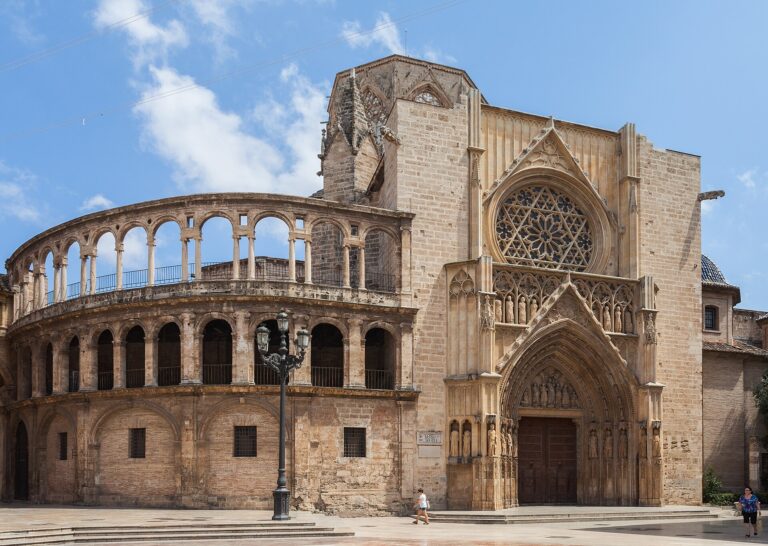
- Valencia Cathedral — 4 km, Valencia Cathedral hid Renaissance frescoes for 357 years
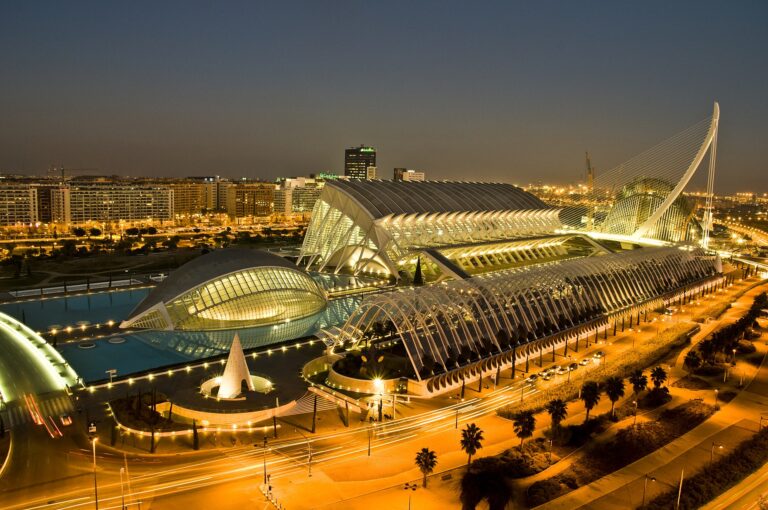
- City of Arts and Sciences — 5 km, Valencia’s City of Arts and Sciences exists because a 1957 flood
- Albufera — 19 km, The Albufera is the Costa Valenciana’s natural wonder
For the wider picture, see the Costa Valenciana guide, which lists every town on this coast.
Frequently asked questions
How do I get from Valencia airport to the town?
There are straightforward public-transport and road options into the city, and once you’re in Valencia the town is about 5 km north and sits at the edge of the metro and tram network — a tram or bus will get you there from the city centre.
Is Alboraya expensive to visit?
Costs vary by choice of restaurant and season. The area’s appeal is its food and beaches rather than luxury shopping, and many visitors combine affordable horchatería visits with seaside meals along the promenade.
Which beach is best for families?
Platja de la Patacona is the go-to for a longer sandy stretch and a wide promenade; Port Saplaya’s small beach is good for canal watching and short strolls. Both are family-friendly in tone.
How many days do I need to see the highlights?
A half-day to a full day is often enough to taste horchata, stroll Port Saplaya and walk the Patacona promenade. Many visitors plan the town as a short excursion from Valencia.
Is Alboraya good for children?
Yes. The beaches, promenades and canal views entertain most children, and horchata is a kid-friendly treat. Everything is compact and walkable, which helps with young families.
Can I visit the chufa fields?
The chufa fields are an agricultural landscape surrounding the town and carry Denomination of Origin protection. They form part of the local scenery and agricultural heritage; organised visits depend on local offers, so check local providers if you want a focused agricultural tour.
Are there good restaurants along the coast?
Yes. The beaches and promenades of Patacona and Port Saplaya are lined with restaurants that focus on rice, seafood and paella — staples of the area’s coastal dining.
Is the tram the best way to get here from Valencia?
The tram (and bus) is convenient because the town lies at the edge of Valencia’s tram and metro network. Cycling is also an option via the bike lanes between the city and the coast.
Do I need a car to explore the area?
No. The proximity to Valencia’s public-transport network and the compact, walkable layout mean you can visit without a car. A vehicle only becomes useful if you plan to use the town as a base to explore a wider rural area beyond the immediate coast.
Is Port Saplaya a separate town or part of Alboraya?
Port Saplaya is a district within the municipality, known for its canals and pastel-hued houses. It forms the coastal, marina side of the area rather than a separate municipality.
When are the local festivals?
The town celebrates festivals honouring its patron and events connected to the chufa harvest. Dates vary by year; consult local listings if you want to plan a trip around a particular celebration.
What’s the parish church here like?
The parish church of the Assumption anchors the historic centre and provides a quick cultural stop — it’s a local focal point rather than a major regional monument.
Can I cycle between Valencia and the town?
Yes. There are bike lanes linking the two, and cycling is a common way to make the short trip from the city to the coastline.
Are there pilgrimage sites worth seeing?
The Ermita dels Peixets is a small pilgrimage site commemorating a local eucharistic legend. It’s modest in scale but of interest if you’re following local devotional traditions.
Plan the wider trip
Alboraya on the map
Places worth knowing near Alboraya
How this page is maintained. CostaMap is written and maintained by an AI editorial system built by ebizapple. Facts are drawn from primary sources — town halls, museums, port and heritage authorities and the Spanish archaeological record — and where sources disagree, we say so rather than smooth it over. Photographs marked as ours are taken on location. This page was last reviewed on 11 August 2026. Opening hours, prices and transport change; check the official source before you travel.