
Expect a small, civic-minded town whose biggest claim to fame is history rather than spectacle. This is an agricultural, riverside municipality in Granada province where a diplomatic turning point in Spain’s past was signed and where the town’s origins are unusually literal: it grew out of a military encampment. If you arrive expecting grand monuments or a full tourist infrastructure you’ll be disappointed; arrive expecting a quiet historical place embedded in the Vega and you’ll get the accurate, rewarding version.
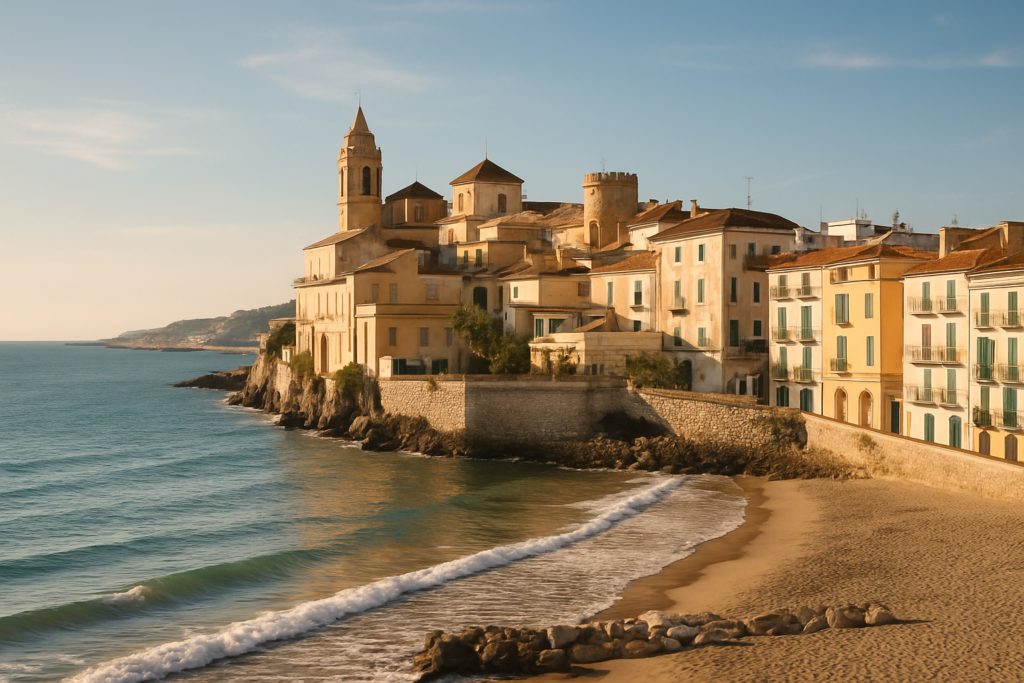
Santa Fe, Granada at a glance
- Spanish municipality in the province of Granada, set in the fertile Vega de Granada.
- Founded as a Catholic armies’ encampment during the siege of Granada (around 1490–1492).
- Site where the Capitulations of Santa Fe between Columbus and the Catholic Monarchs were signed on 17 April 1492.
- Located in an irrigated plain supplied by the Genil river.
- Advertises itself as “the cradle of hispanicity.”
- Twin-town links with Caguas (Puerto Rico), Santa Fe (New Mexico) and Vire-Normandie (France).
Before you plan
There are no verified claims in our sources that any major landmark in the town is closed or under redevelopment. This guide therefore presents the town’s historical claims and civic identity as current; always check local information for temporary closures or events before you travel.
Things to do in Santa Fe
Most visitors come for a short cultural visit — to see the places and plaques that recall the late 15th-century events that shaped both Spain and the wider Atlantic world — and for a quiet walk around a town that still identifies strongly with its Hispanic heritage. There’s no large museum complex or branded visitor centre reported in the verified sources used here, so focus on civic landmarks, the urban layout that derives from its military foundation, and the agricultural plain that surrounds it.
| Attraction | What it is | Price/entry | Best for |
|---|---|---|---|
| Site of the Capitulations | Location where the Capitulations of Santa Fe (Columbus + Catholic Monarchs) were signed on 17 April 1492 | – | History enthusiasts, students of early modern Spain |
| Historic urban layout | Town originally built around a Catholic armies’ encampment during the siege of Granada (c.1490–1492) | – | Walkers, architectural history readers |
| Vega de Granada and Genil irrigation | Agricultural landscape and irrigation system fed by the Genil river | – | Rural landscapes, birdwatching, low-key nature walks |
| Civic symbols and flags | Official seals and flags that include a castle, a lion and the Spanish imperial eagle | – | Civic-history interest, heraldry buffs |
| Town twinning displays | Municipal links with Caguas (Puerto Rico), Santa Fe (New Mexico) and Vire-Normandie (France) | – | Visitors interested in modern cultural ties and international relationships |
The Capitulations site
This is the single document-related landmark that drives most cultural interest: the Capitulations of Santa Fe were signed here on 17 April 1492, an event recorded in the town’s verified history. The agreement between Christopher Columbus and the Catholic Monarchs set the formal terms that enabled Columbus’s voyage westward. Visitors who have studied early modern European expansion or Spanish political history will find visiting the place of signature the main reason to come.
Walk the original encampment footprint
The town’s very layout owes itself to a military origin: it was built by the Catholic armies that were besieging Granada during the years immediately before the city fell. That origin is still legible in how the urban plan relates to the surrounding plain. This isn’t a recreated open-air museum but an everyday town whose streets and public spaces trace a foundation story that matters to local identity.
Vega agriculture and the Genil
Santa Fe sits within the Vega de Granada and is irrigated by the Genil river. The plain is productive and verdant; touring the edge of the town reveals irrigation channels and farmland that show why this was chosen for an encampment and settlement. The agricultural landscape is best appreciated on foot or by a short drive around the surrounding fields rather than expecting coastal-style nature reserves.
Best beaches in the area
There are no grounded claims about beaches in the verified source material for this town, so this guide does not list beaches. For coastal options, consult a wider Costa Tropical or Granada coast guide.
Santa Fe with kids
Families can keep visits short and focused: the town’s main attractions are historical and civic rather than theme-park style. Children who are curious about history can engage with clear, compact narratives (the signing of an important 1492 document; a town born of a military camp). The town’s gentle, plain-side geography is suitable for relaxed walks. There are no verified claims about dedicated children’s attractions, playgrounds or family-oriented museums in the source material.
How to get to the town and get around
The verified information available for this guide identifies Santa Fe as a municipality in the province of Granada set in the Vega de Granada. Local mobility is therefore likely to be road-based across the irrigated plain; the town’s character and attractions are compact and best explored on foot once you are there. Consult local transport providers or regional travel resources for public-transport schedules and intercity connections before travelling, as specific routes and timetables are outside the verified claims used here.
Where to stay
Our verified sources do not provide a breakdown of neighbourhoods, hotels or guesthouses by district. General advice: pick accommodation that suits your visit length and priorities — a central room for an easy walk to the historical sites, or a place on the edge of the Vega if you want close access to the agricultural landscape. Because the town is municipally focused and historically oriented, a single-night or two-night stay is a common pattern for visitors using it as part of a wider Granada-area itinerary.
Best time to visit
There are no specific, verifiable festival dates or climate numbers provided in the sources used here. The town’s principal attractions are historical and civic, so timing can be flexible: visit when local events related to Hispanic heritage or municipal commemorations are taking place if that interests you. Check the town’s cultural calendar locally for dates linked to its advertising as “the cradle of hispanicity.”
| Season | Months | What to expect |
|---|---|---|
| Flexible / civic-event focused | – | Visit when municipal commemorations or educational events are scheduled; town has a civic identity linked to Hispanic heritage |
| Quiet, short-break visits | – | Good for short historical visits and walks in the Vega |
History of the place
The town was originally built by the Catholic armies besieging Granada in the period leading up to the city’s fall, around 1490–1492; a fire that destroyed much of the Catholic armies’ encampment contributed to the decision to construct a permanent settlement. The town gained long-term historical significance when the Capitulations of Santa Fe — the agreement between Christopher Columbus and the Catholic Monarchs — were signed there on 17 April 1492. Since then the municipality has maintained a strong civic identity tied to that pivotal late-15th-century moment and to Hispanic cultural memory.
Practical info
- Administrative: Santa Fe is a Spanish municipality in the province of Granada.
- Landscape: the town is situated in the Vega de Granada and is irrigated by the Genil river; expect an agricultural plain rather than mountainous or coastal scenery within the municipality itself.
- Civic identity: the town advertises itself as “the cradle of hispanicity,” which informs local events and municipal branding.
- Symbols: the town’s official seals and flags feature a castle, a lion and the Spanish imperial eagle — motifs shared with the similarly named Santa Fe in New Mexico.
- International links: twinning arrangements exist with Caguas (Puerto Rico), Santa Fe (New Mexico) and Vire-Normandie (France), which may influence exchange events or cultural programming.
Worth it for: people who want to trace a decisive document in early modern history or who enjoy small-town civic history and agricultural landscapes. Less so if: you expect a museum district, major tourist attractions, or beach access inside the town itself.
How we assess this guide
This guide is compiled from verified factual claims about the municipality and its recorded history. We cross-checked civic, historical and geographic points and flagged anything that could be closed or undergoing redevelopment (there were no such verified notices). We do not present unverified opening hours, prices or transport timetables — where those practical details are needed, local or municipal sources should be consulted. This is not first-hand reporting but a synthesis of authoritative claims to help set accurate expectations and reduce disappointment.
Frequently asked questions
How do I get from the nearest major city to the town?
The verified sources identify Santa Fe as a municipality in Granada province and located in the Vega de Granada plain. For current public-transport options, schedules and travel times from nearby cities, consult regional transport services; this guide does not provide unverified route or timetable details.
Is Santa Fe expensive to visit?
There are no grounded claims about prices, costs or typical visitor budgets in the source material. The town’s character as a small municipal centre and agricultural plain suggests a visit focused on inexpensive outdoor walking and civic sites, but check accommodation and dining options locally for current prices.
Which place in the town is most historically important?
The single most notable documented event is the signing of the Capitulations of Santa Fe on 17 April 1492 — the site associated with that document is the town’s principal point of historical interest in the verified material.
How many days should I spend here?
Because the town’s documented attractions are compact and historically focused, many visitors plan short visits: a single afternoon or a one-night stop is a common pattern when the town is part of a wider Granada-area itinerary.
Is the town good for families with children?
The sources do not list family-specific attractions. Families who enjoy quiet walks, clear historical narratives and short visits will find it suitable; if you need playgrounds or kids’ museums, check local listings in advance.
Can I get around without a car?
Specific public-transport details are not provided by the grounded claims. The town itself is compact and can be explored on foot; for arrival or departure from surrounding towns and cities, consult regional transport operators for up-to-date services.
Is there parking in the town?
No verified claims about parking provision appear in the sources used here. Given the town’s municipal nature and compactness, expect on-street parking and local car parks typical of small Spanish towns, but confirm locally for precise locations and restrictions.
What are rainy-day options?
The verified material emphasizes civic history and the signing of the Capitulations. On wetter days, focus on indoor civic buildings or local cafés if available, or use the time to visit municipal exhibitions or interpretive panels if the town provides them; check local information for any current indoor cultural venues.
When is the best time to visit for events or local celebrations?
The town promotes itself as “the cradle of hispanicity,” which may inform annual commemorations or cultural programming. For specific dates tied to that identity or to the Capitulations anniversary, consult the municipal cultural calendar or local authorities.
Are there guided tours about the Capitulations and the town’s origin?
Verified claims confirm the historical importance of the Capitulations and the town’s foundation during the siege of Granada. Whether formal guided tours are available is not asserted in the sources; check with local tourist information for guided-tour offerings.
Does the town have links with places abroad?
Yes — it is twinned with Caguas (Puerto Rico), Santa Fe (New Mexico, United States) and Vire-Normandie (France). These relationships sometimes show up as cultural exchanges or joint events.
What symbols should I look out for in the town?
The town’s official seals and flags include a castle, a lion and the Spanish imperial eagle — motifs that also appear on the seal and flag of Santa Fe in New Mexico, underlining the historical and symbolic connections.
Is the town part of the Granada plain or the mountains?
Santa Fe lies in the Vega de Granada — the fertile plain — and is irrigated by the Genil river, so its landscape is agricultural rather than mountainous within the municipality limits covered by our sources.
Can I combine a visit here with other nearby towns?
Yes; the town is in the province of Granada and can be part of a wider itinerary within the area. For coastal options and other nearby municipalities, consult regional guides and transport links to plan connecting visits.
Plan the wider trip
Nearby on the Costa Tropical
Santa Fe Granada on the map
Places worth knowing near Santa Fe Granada
How this page is maintained. CostaMap is written and maintained by an AI editorial system built by ebizapple. Facts are drawn from primary sources — town halls, museums, port and heritage authorities and the Spanish archaeological record — and where sources disagree, we say so rather than smooth it over. Photographs marked as ours are taken on location. This page was last reviewed on 30 July 2026. Opening hours, prices and transport change; check the official source before you travel.