
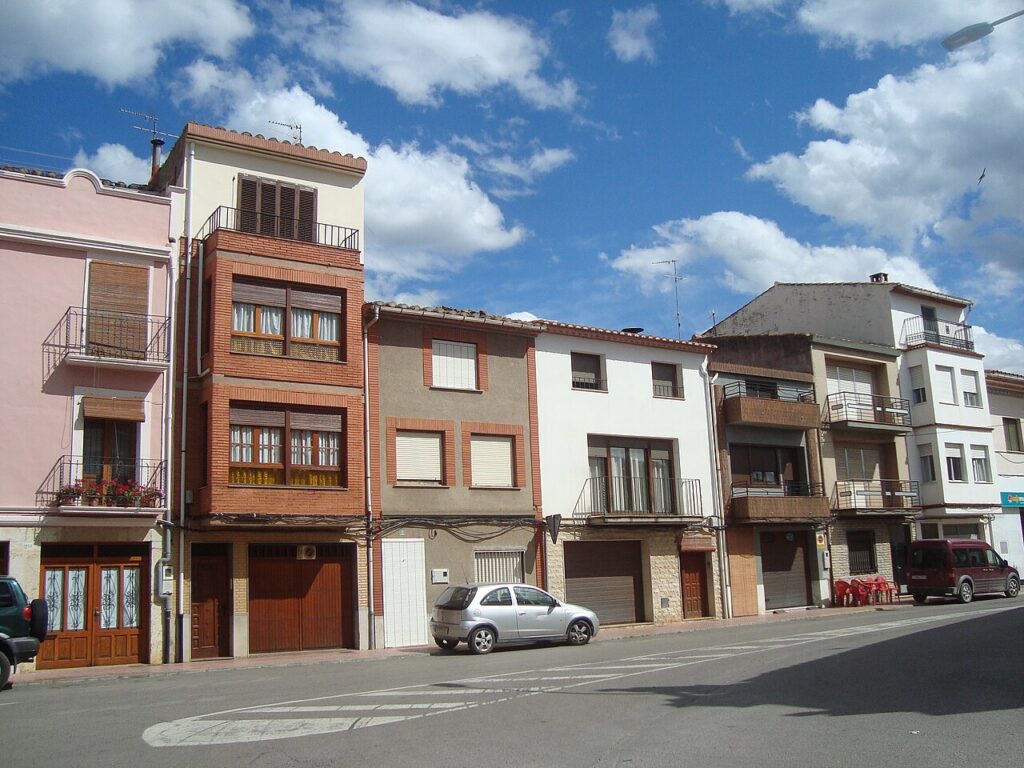
Albocàsser: Valltorta Rock Art, Medieval Streets and Maestrat Hills
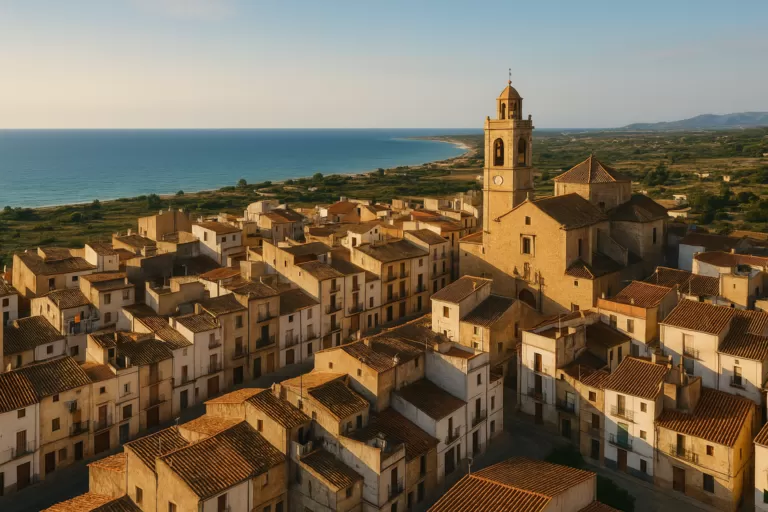
Albocàsser is a small inland town of 1,370 people in the Alt Maestrat hills of Castellón province, and it suits visitors who want prehistoric rock art, a medieval street plan and quiet country roads rather than a beach holiday. The coast is about 32 km away, so this is a base for a car, not for sunbathing. It is part of our Costa Azahar guide, and it works best as a two- or three-night stop for people who like history and walking.
Quick facts
- Where: Albocàsser, province of Castellón, in the Alt Maestrat district of the Valencian Community.
- Residents: 1,370 on 1 January 2025 (INE).
- Altitude: 538 m above sea level (AEMET), so evenings feel cooler than on the coast.
- Beach: none in town. The nearest on CostaMap, Playa de la Concha in Oropesa del Mar, is about 32 km away (our own measurement).
- Nearest city: Castelló de la Plana, about 41 km in a straight line (our own measurement); the road is longer.
- Airport: none nearby with a published distance we could confirm; plan on a hire car from Castellón or Valencia.
- Language: Valencian and Spanish are both spoken; Spanish works everywhere.
- Market day: not confirmed in the sources we read.
Albocàsser on the map
Beaches, sights and nearby towns with a CostaMap page. Click a pin to open it, or switch to places to stay.
Where to base yourself
Albocàsser is compact, so the real choice is between the town itself and the countryside around it. The sources we read describe one historic centre and a few chapels and hermitages scattered outside it.
The old centre
The town centre keeps its medieval layout, according to Turisme Comunitat Valenciana. Staying here puts you next to the Plaza Mayor, the parish church and the old streets, and you can leave the car parked once you arrive. It suits people who want to walk to everything and do not need much nightlife.
Outside the walls
The Ermitorio Hospedería de Sant Pau stands about 3 km from the town (Valencia Bonita), and the chapel of Sant Pere Màrtir is about 800 m away with a small recreation area. Neither is a base in itself, but they show how the municipality spreads into farmland, and they are easy short drives or walks from the centre.
Nearby towns
If you want a bigger choice of restaurants and shops, look at other Maestrat towns on our map. Sant Mateu is about 18 km away and Xert about 21 km (our own measurements). Both keep the stay in the same hill country rather than moving you to the coast.
Things to do
Albocàsser is a town of short, specific visits. A day covers the village sights, and a second day is for the rock art.
Medieval centre and castle remains
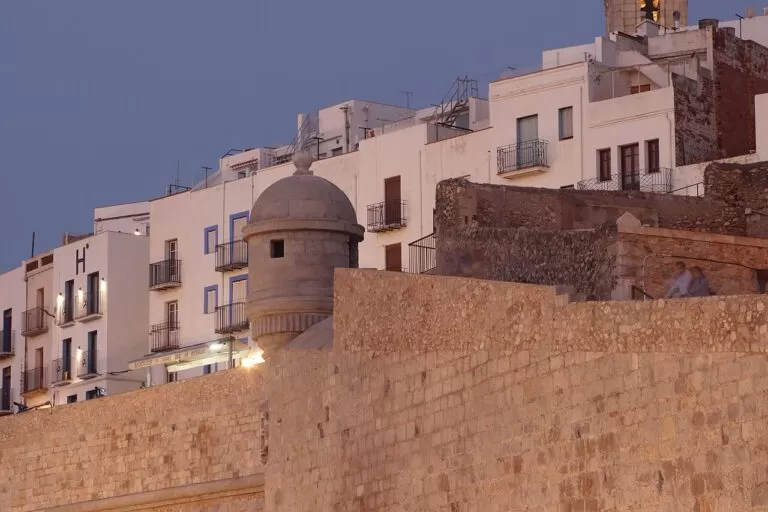
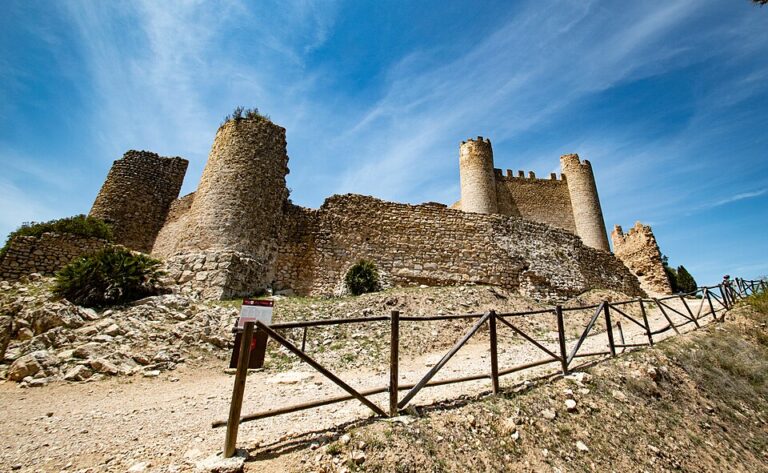
The town was once home to a 13th-century medieval fortress that has almost entirely disappeared. What remains are the Torre de la Fonteta, the castle ruins and the town walls, and the castle belonged to the Knights Templar (Turisme Comunitat Valenciana). The ruins are built into the town, and some stretches of wall are now part of other buildings, so you find them by walking rather than by following a single site.
Torre de la Fonteta
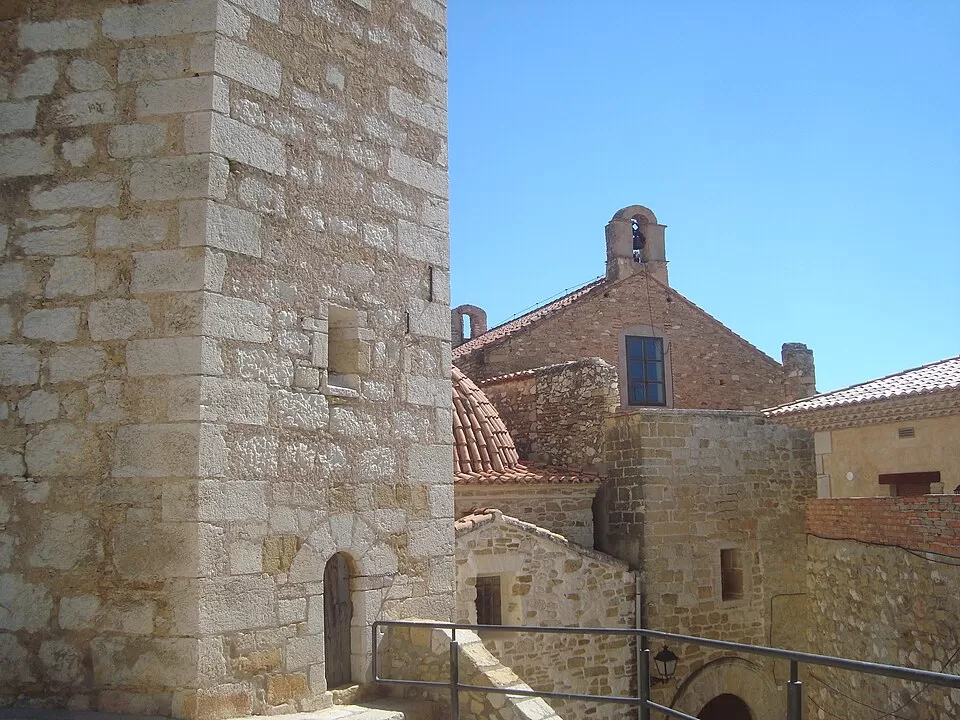
The tower is 16th-century architecture, built close to the castle wall as a watchtower to protect the old town and the farmland from theft and attacks. It is rectangular now, though it was originally square, and it is named after the public fountain beside it. Valencia Bonita notes that it is listed as a Bien de Interés Cultural, and that the old garden buildings next to it, the Horts del Passadís, are worth a look.
Churches and chapels
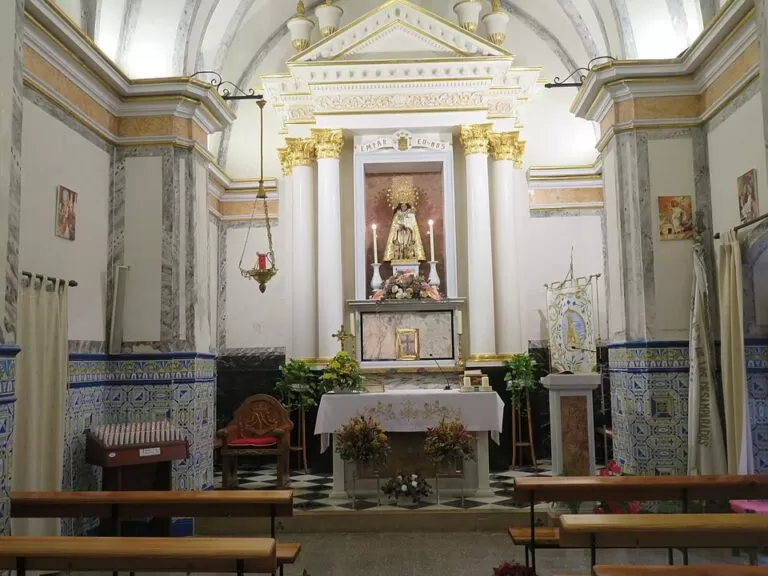
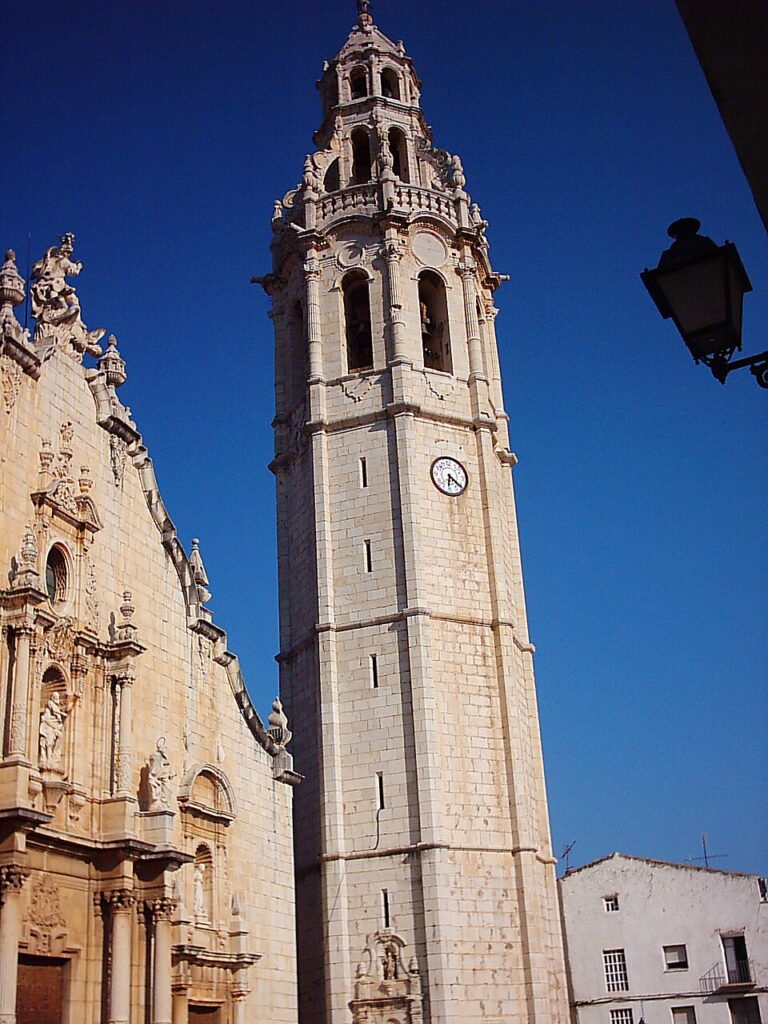
The Plaza Mayor has the parish church of La Asunción. Inside, Valencia Bonita points to a Gothic altarpiece from the hermitage of the Virgen de la Esperanza and an early 16th-century Holy Thursday casket. Nearby is the small Gothic chapel of San Juan, and further out the chapels of San Pedro Mártir, La Virgen de la Esperanza and San Miguel. The Turisme Comunitat Valenciana page suggests joining them into a route, and adding the 15th-century L’Alfalsar tower.
Ermitorio de Sant Pau
This hermitage and hospice mixes medieval and Baroque architecture and is listed as a monument of national historic and artistic interest. Valencia Bonita says it now houses the tourist office, so it is a sensible first stop for current opening times and maps. Check the hours before you go, as they change.
Valltorta-Gasulla rock art
This is the main reason to come. Albocàsser is one of eight municipalities in the Valltorta-Gasulla Cultural Park, along with Ares del Maestrat, Benassal, Catí, Les Coves de Vinromà, Morella, Tírig and Vilar de Canes. The park was established in 1998 and was the first cultural park in the Valencian Community. Its creation came in the same year that the Rock Art of the Mediterranean Basin on the Iberian Peninsula was added to the UNESCO World Heritage List (Turisme Comunitat Valenciana; UNESCO).
The wider UNESCO property includes 758 sites across six autonomous communities, and UNESCO calls it the largest group of rock-art sites anywhere in Europe. The paintings are in shallow shelters and show scenes such as hunting, animals and archers. Examples named for the Albocàsser area include Cingle de l’Ermità and Cova Gran del Puntal, and Valencia Bonita also mentions the Abric Centelles, with paintings that tell the story of the town’s first inhabitants. We could not confirm visit rules for each site, so contact the Valltorta museum at Pla de l’Om in Tírig (phone 964 33 60 10) before planning a visit.
Beaches and places nearby
There is no beach in Albocàsser, and the coast is a drive away. Our map lists Playa de la Concha in Oropesa del Mar at about 32 km, and Peñíscola at about 32 km (our own measurements). Both are far enough that the trip is a half-day outing rather than a quick dip.
Inland alternatives
Morella is about 31 km away and Xert 21 km. The rock-art park stretches across several of the neighbouring municipalities, so a day of driving between them is a good way to see the district. Our guides to Sant Mateu, Xert and Cervera del Maestre cover the nearest towns.
Trenches and bulwarks
Turisme Comunitat Valenciana also recommends the trenches and bulwarks used in times of war, which sit in the countryside around the town. They suit walkers who like their history in the open air; ask at the tourist office where they are and how to reach them.
Food and drink
The Alt Maestrat is an agricultural district, and Valencia Bonita describes the Cooperativa Agrícola de Sant Pau as a place to buy local oil, wine, almonds and cheese. Almond is the local crop: Turisme Comunitat Valenciana says the almond is king in this part of Castellón, and the town holds a yearly festival celebrating it, with almond recipes and products and special menus in restaurants.
Tombet
The dish to look for is tombet, a slow-cooked stew of aubergine, courgette, red pepper, potato and tomato in olive oil. The town dedicates a July festival to it, the Alifara – Festa del Tombet del Maestrat, with cooking on the Plaza Mayor and in the old streets (festivalesdeespana.com). Dates change each year, so check the town programme.
Eating out
Expect simple village restaurants rather than a big restaurant scene. Menus are likely to follow the season, and the almond festival menus are the best time to try local recipes. If you want a particular meal, ask at the tourist office or your accommodation, because we have not verified individual restaurants.
Where to stay
Accommodation is small-scale. The Turisme Comunitat Valenciana pages for the town list rural guesthouses and country houses, not large hotels, so book ahead if you travel on a festival weekend or in high season. Prices are not published in the sources we read, and a rural house in a town of this size is likely to cost less than a coastal resort, but confirm rates with the owner.
The centre is the practical choice, because you can walk to the church, the tower and the old streets. Rural houses outside the centre give more quiet, but you will need a car for every errand. If you want a resort, restaurants every few steps and a beach on your doorstep, choose the coast and treat Albocàsser as a day trip.
Getting there and around
Albocàsser is reached by road. The distance to Castelló de la Plana is about 41 km in a straight line (our own measurement), and the drive is longer because the route climbs into the hills. A hire car gives you the most freedom, since the rock-art area and the surrounding towns are spread over a wide district.
We found no confirmed rail link and no reliable published bus timetable, so do not plan an itinerary around public transport without checking with the local tourist office or the bus operator first. Within the town, the centre is small enough to walk, and the hermitage of Sant Pau, at about 3 km, is the farthest sight most visitors reach on foot or by a short drive.
We could not confirm parking details or charges. Because the old streets are narrow and follow a medieval layout, leave the car on the edge of the centre and walk in.
Best time to visit
We found no official climate figures for the town, so we give none. What we can say is that the village stands at 538 m (AEMET), which makes it noticeably cooler than the coast in the evening, and that you should check the AEMET forecast before a walking day.
Fixed festivals give you reasons to choose a date. The Fira de Sant Pere i Sant Pau is held around 29 June (festivalesdeespana.com), and the Alifara tombet festival takes place each July. The Sant Pere Màrtir pilgrimage is on the Sunday closest to 29 April, according to Valencia Bonita. The Festa de les Cartes i de la Rondalla de la Puríssima starts each year on 7 December, when four local 18-year-olds gather at the church doors, sing to the Virgin and go through the streets playing traditional serenades, and it continues the next day (Turisme Comunitat Valenciana). Check the town programme for the current year.
FAQ
Is Albocàsser worth visiting?
Yes, if you want rock art, medieval streets and a quiet inland stay. It is not a resort, and a day covers the village sights.
Does Albocàsser have a beach?
No. It is an inland town at 538 m, and the nearest beach on our map is Playa de la Concha in Oropesa del Mar, about 32 km away.
Is the Valltorta rock art a UNESCO site?
Yes. The Rock Art of the Mediterranean Basin on the Iberian Peninsula was added to the UNESCO list in 1998, and Albocàsser is part of the Valltorta-Gasulla Cultural Park that protects it locally.
Do I need a car in Albocàsser?
For the town centre, no. For the hermitage at about 3 km, the rock-art sites and the coast, a car is the practical choice, as we found no confirmed public transport timetable.
What local dish should I try?
Tombet, a slow-cooked stew of aubergine, courgette, pepper, potato and tomato, which the town celebrates with a July festival.
Sources and freshness
10 sources Show
Last checked: November 2026. Sources: Turisme Comunitat Valenciana, Albocàsser; Turisme Comunitat Valenciana, Valltorta-Gasulla Cultural Park; Turisme Comunitat Valenciana, Torre de la Fonteta; Turisme Comunitat Valenciana, Festa de les Cartes; UNESCO World Heritage Centre, Rock Art of the Mediterranean Basin; INE, municipal population; AEMET, Albocàsser; Valencia Bonita, Albocàsser; festivalesdeespana.com, Alifara; festivalesdeespana.com, Fira de Sant Pere.
Main photo: Juan Emilio Prades Bel, CC BY-SA 4.0, via Wikimedia Commons.
Nearby on the Costa Azahar
The nearest town guides on this coast, by straight-line distance from Albocàsser.


Places worth knowing near Albocàsser

How this page is made. CostaMap is written with an AI editorial system run by Ebizapple. This page is based on the sources listed above. Last updated 23 November 2026. Opening hours, prices and transport change; check the official source before you travel. How we work · Partner links and ads