
Expect an easygoing Mediterranean coastal town that doubles as a practical Barcelona suburb rather than a full-on resort escape. You’ll find a very long sandy beachfront, straightforward transport links to Barcelona and the airport, and a handful of sights that add local character — a castle with surprising medieval origins and an Olympic legacy that’s quieter than the brochure suggests. This guide focuses on what matters for a trip: how to get here, where to go, what’s realistically enjoyable, and the handful of local quirks that can make or break a visit.
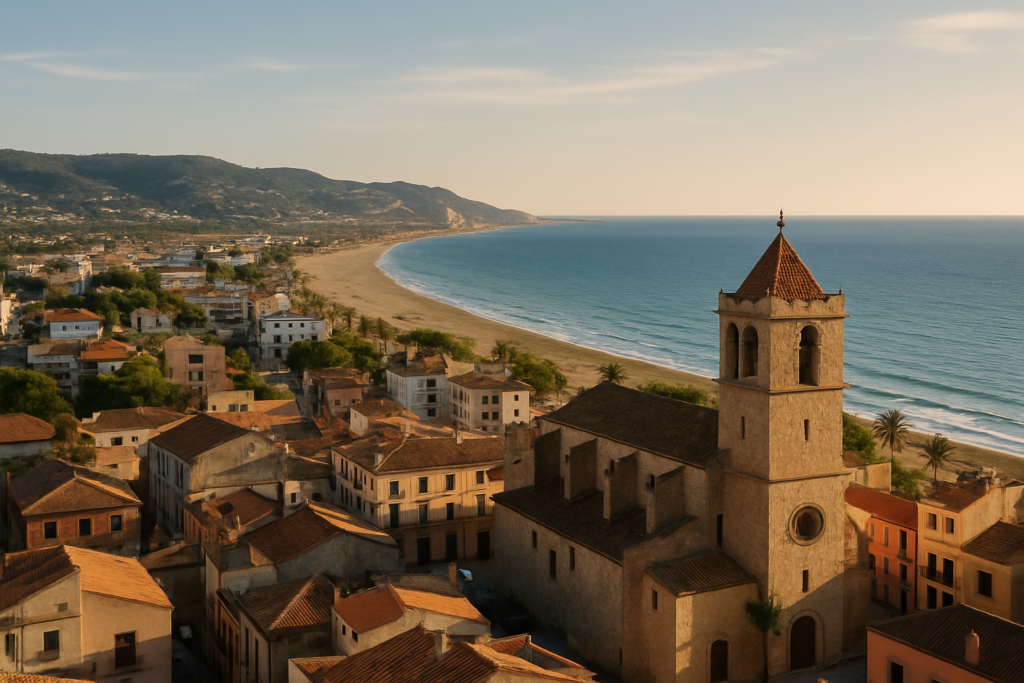
Castelldefels at a glance
- Seafront hotels and beachfront urban lodging are available right on the sand.
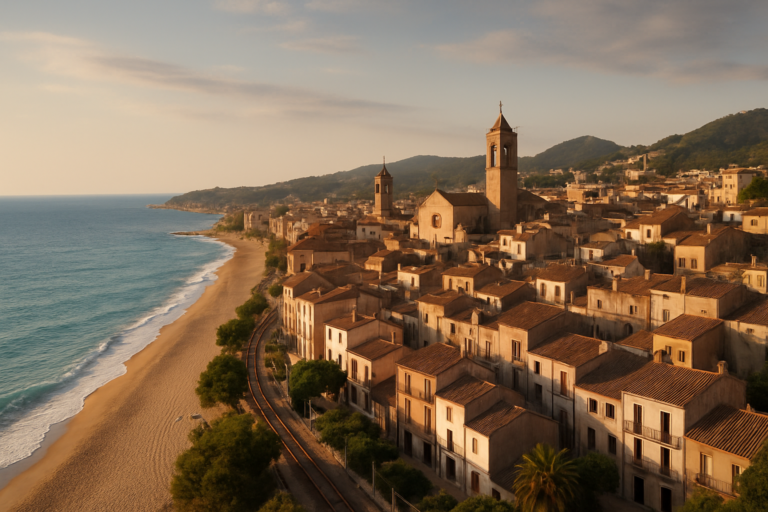
- Long sandy beach stretching for more than 5 km — wide and family-friendly.
- Two Renfe Rodalies R2 Sud stations serve the town: Castelldefels and Platja de Castelldefels.
- Close to Barcelona/El Prat (El Prat) airport — roughly 15 km away.
- Part of Barcelona’s Zone 1 for public-transport fares.
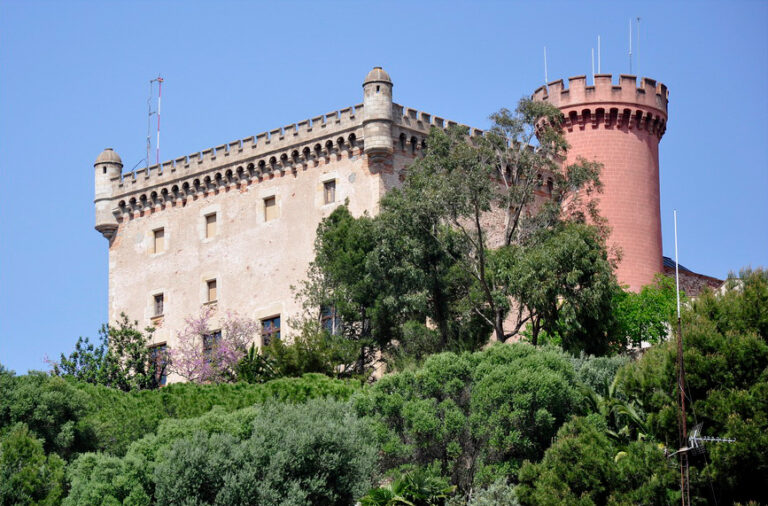
- Historic castle with origins in the 10th century housing a small piracy museum.
- Good bus connections with Barcelona on lines L94, L95 and L97.
Things to do in Castelldefels
Most visitors come for the beach and use the town as an easy base for Barcelona or the wider coast. Beyond sunbathing and tapas, there are a few compact attractions worth scheduling: the castle and its museum, the legacy Olympic canal, and the long shoreline that invites walking, wind sports and casual dining. Below is a quick comparison to help plan a one- or two-day visit.
| Attraction | What it is | Price/entry | Best for |
|---|---|---|---|
| Castelldefels castle | Medieval fortress with a museum dedicated to piracy | — | History fans, short cultural stop |
| Olympic canal | Rowing and watersports facility built for the 1992 Olympics | — | Sports-minded visitors, light walking |
| Platja de Castelldefels (the beach) | More than 5 km of sandy shoreline | — | Families, sunbathers, windsurfing |
Castelldefels castle and the piracy museum
Perched above the town, the castle’s oldest parts date from the 10th century, making it the clearest historical anchor for a visit. Inside there’s a small museum with a local focus on piracy — an offbeat topic that gives a flavor of coastal Catalonia’s maritime past. It’s compact, so plan for a brief stop rather than a full-day itinerary.
The Olympic canal
The canal was constructed for the 1992 Summer Olympic Games and remains as a quiet sporting facility. It’s a practical spot for short walks, spotting local rowing clubs and understanding the town’s role in the region’s recent sporting history. Don’t expect major attractions or large crowds — it’s more of a local amenity than a tourist showpiece.
The long beach and beachfront promenade
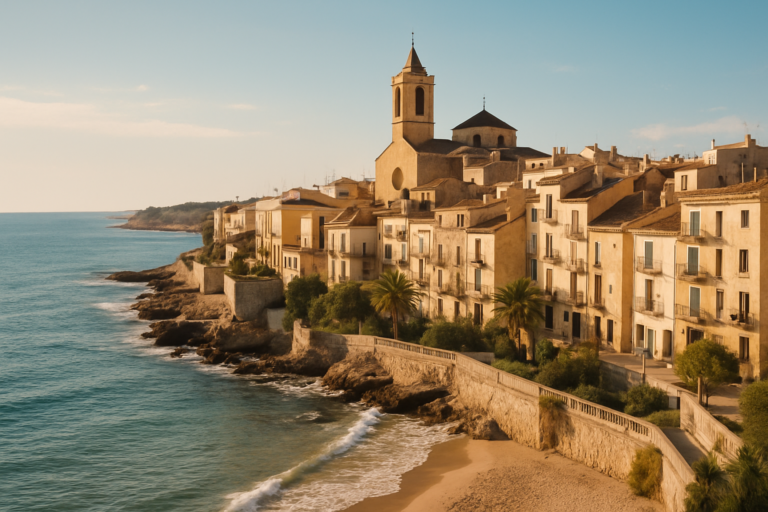
The shore is the main draw: more than 5 km of sand, suitable for families and long walks. The beachfront also hosts a line of hotels right on the seafront, so you can stay with sea views without needing to move around much. Dining options close to the sand tend toward casual seafood and paella.
Best beaches in Castelldefels
The area’s defining physical asset is its long sandy coastline. Different stretches suit different moods — quieter family sections or more active wind- and water-sports zones. Facilities vary along the length; some parts are lined with hotels and restaurants while others feel more residential.
| Beach | Character | Facilities / Blue Flag |
|---|---|---|
| Platja de Castelldefels | Long, sandy and family-friendly; stretches for several kilometres | Hotels and beach services near the main access points |
| Seafront near the urban centre | Busy, convenient for restaurants and promenades | Urban facilities and hotel frontage |
Castelldefels with kids
Families do well here: the beaches are wide with gentle slopes, and the town’s quiet residential feel keeps things low-stress. The Olympic canal provides an open-air point of interest for older children who like sports; short visits to the castle add a simple historical element that’s manageable with young attention spans. Practical advantages include nearby airport access and Zone 1 public-transport fares if you want to take a train into Barcelona for a museum or Gaudí day.
How to get to Castelldefels and get around
Getting here is straightforward by rail, bus or car. The nearest international airport is Barcelona/El Prat de Llobregat; the town sits close enough that transfers are short. Once in town, the two Renfe stations and local buses make it easy to move along the shore or reach Barcelona without a car.
| From | By | Approx time |
|---|---|---|
| Barcelona/El Prat airport | Car or taxi; public transport links via trains and buses | Approximately 15 km away |
| Barcelona city | Rodalies R2 Sud train or L94/L95/L97 buses | — |
Where to stay
Stay on the seafront if your priority is beach time and easy promenading; there are boutique and urban beachfront hotels that put the sand on your doorstep. If you want quieter residential streets with local cafés, look a little inland; the town’s transport links then make Barcelona day trips quick and convenient.
- Seafront hotels — ideal for families and beach-focused stays.
- Urban beachfront lodging — good for short stays and easy dining options.
- Inland residential zones — quieter, better for longer stays and local life.
Best time to visit
Summer is the obvious peak for beach weather, but the town’s proximity to Barcelona makes it a practical choice year-round for short trips. You’ll encounter the most activity during the high season; off-peak months offer quieter beaches and lower hotel demand while still keeping easy access to the city.
| Season | Months | What to expect |
|---|---|---|
| Summer | Mid-year months | Busy beaches and active coastal promenade |
| Shoulder seasons | Spring and autumn months | Quieter beach days and easier transport into Barcelona |
History of Castelldefels
The town’s historical narrative is most visible in its castle, whose oldest fabric dates back to the 10th century. During the early Middle Ages the settlement stood on a frontier between the County of Barcelona and territories under Moorish control, which shaped its defensive role. Over the centuries the castle evolved from a strategic medieval stronghold into a local landmark housing cultural exhibits, including a museum dedicated to piracy that speaks to the area’s coastal interactions.
Practical info
- Transport zone: The town falls within Zone 1 for public-transport ticketing, simplifying short trips to Barcelona on integrated fares.
- Rail: Two Renfe Rodalies R2 Sud stations serve the area (named Castelldefels and Platja de Castelldefels), providing direct connections north into the city.
- Bus: Regular lines (L94, L95 and L97) connect with Barcelona, offering alternatives to the train.
- Airport proximity: The nearest international airport is Barcelona/El Prat de Llobregat, approximately 15 km away — helpful for short transfers.
- Dining note: Local restaurants include seafood specialists and paella-focused venues; one well-known spot in town is Restaurante Cel Blau, noted for its paellas.
- Education and institutions: The town hosts campuses of international schools and technical institutions, such as the British School of Barcelona’s Castelldefels and Nexus campuses and a School of Technology offering aeronautics and telecommunications courses.
- Safety memory: The town’s rail history includes a tragic accident at Platja de Castelldefels station on 23 June 2010; it remains a notable event in local recent history.
Worth it for: Beach-focused visitors seeking a long sandy shore within easy reach of Barcelona, families who want straightforward coastal amenities, and sports fans curious about the Olympic canal. Less so if: You expect a compact historic core with lots of museums — the cultural offer is limited and focused on a few local sites rather than a dense museum network.
How we assess this guide
We compiled facts from verified local and transport sources and cross-checked historical and institutional claims. We flag major incidents and distance / zone details that affect trip planning. This guide synthesizes those sources rather than first-hand reporting; check individual attraction opening times with local operators before you travel.
Frequently asked questions
How do I get from Barcelona/El Prat airport to the town?
The nearest international airport is Barcelona/El Prat de Llobregat, about 15 km away. You can reach the town by car or taxi, and public-transport links (train and bus) provide alternative options for the transfer.
Is Castelldefels expensive compared with Barcelona?
Costs are generally comparable to a Barcelona suburb with hotel options on the seafront and local dining. Beachfront lodging tends to carry a premium, while inland residential areas are more budget-friendly.
Which beach is best for families?
The long sandy stretch known as Platja de Castelldefels is the most family-friendly section, offering wide sand areas and gentle access for children.
How many days do you need to see it?
A focused day trip or an overnight stay is sufficient to experience the beach, visit the castle and stroll the promenade; if you plan day trips into Barcelona, allow two to three days overall.
Is it a good destination for a family holiday?
Yes — the accessible beaches, calm feel and proximity to Barcelona make it a practical family choice, especially for those who want a beach base with city-day options.
Can you get around without a car?
Yes. The town is served by two Renfe R2 Sud stations and bus lines L94, L95, and L97, and it lies in Zone 1 for integrated public transport tickets, making train and bus travel to Barcelona and nearby areas convenient.
Is there parking near the beach?
There are public and hotel-related parking options along the seafront and near main access points; availability varies with season and local events.
What are good rainy-day options?
Indoor options are limited compared with a major city — the castle’s museum offers a short cultural stop and local cafés and restaurants near the promenade provide shelter. For a broader museum day, take the train into Barcelona.
When is the best time to visit for beach weather?
Mid-year months bring the most reliable beach weather and the busiest atmosphere. Shoulder seasons offer quieter beaches while remaining pleasant for walks and short swims.
Are there any notable local restaurants?
Local dining includes seafood and paella specialists. Restaurante Cel Blau is one well-known establishment in town noted for its paellas.
What’s the nearest train connection to Barcelona?
Rodalies de Catalunya’s R2 Sud line serves the town via two stations: Castelldefels and Platja de Castelldefels, providing direct links north into the city.
Is the town part of Barcelona’s metropolitan area?
Yes, it is a suburban municipality within the Metropolitan Area of Barcelona and administratively lies in the province of Barcelona.
Are there any sports or Olympic sites to see?
Yes — the Olympic canal was constructed for the 1992 Summer Olympic Games and remains a local sporting facility and point of interest.
Are there international schools or technical colleges in the town?
Yes. The town hosts the Castelldefels and Nexus campuses of the British School of Barcelona as well as a School of Technology offering higher education in aeronautics and telecommunications technology.
Any notable local residents?
The town has been the residence of several well-known sportsmen, including Lionel Messi and Luis Suárez, which has contributed to its profile among football fans.
Plan the wider trip
- La Garriga: Thermal Spa Town and Modernista Valles Escape
- Sitges
- Manlleu: The Ter River and Osona's Textile Past
- Mollet del Vallès: Gallecs, kunst og Barcelona rett ved
- Montcada i Reixac: Roman ruins and river valleys near Barcelona
- Piera: Anoia Wine Country, Fontanet Castle and Modernisme
Nearby on the Costa de Barcelona
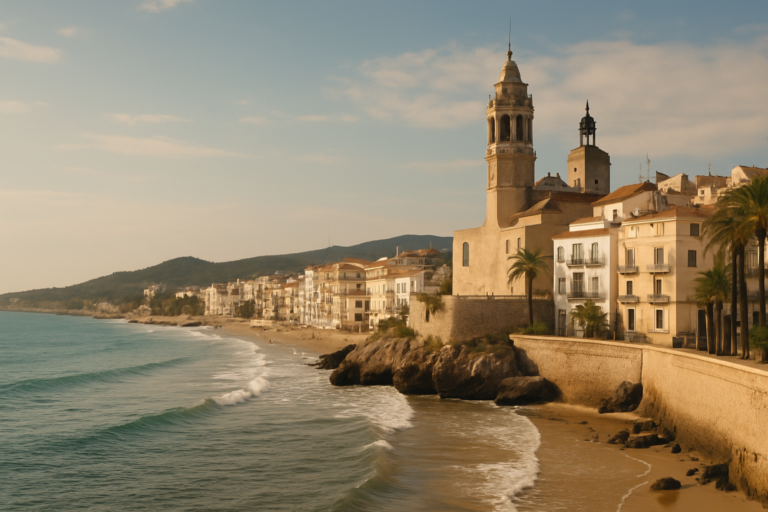
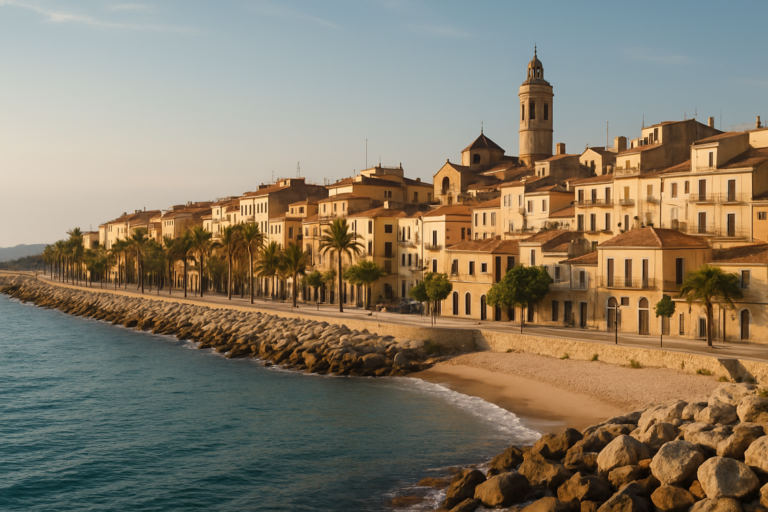
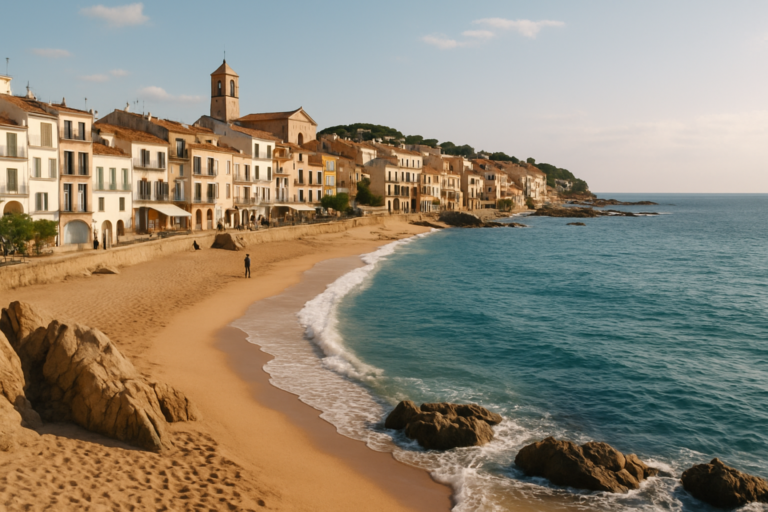
Castelldefels on the map
Places worth knowing near Castelldefels


This place is part of our Costa Barcelona Guide: Maresme, Garraf, Sitges & Penedès — see every town, beach and cove we have mapped on that coast.
How this page is maintained. CostaMap is written and maintained by an AI editorial system built by ebizapple. Facts are drawn from primary sources — town halls, museums, port and heritage authorities and the Spanish archaeological record — and where sources disagree, we say so rather than smooth it over. Photographs marked as ours are taken on location. This page was last reviewed on 15 August 2026. Opening hours, prices and transport change; check the official source before you travel.