
Expect glamour and easy sunshine, but also heavy development and a tourism-first feel. This guide tells you what parts deliver on the promise—old streets, beaches and mountain backdrops—and what to expect instead of imagining untouched coastline or a sleepy Spanish village. Read on for practical realities, standout sights and how to plan so you won’t be disappointed.
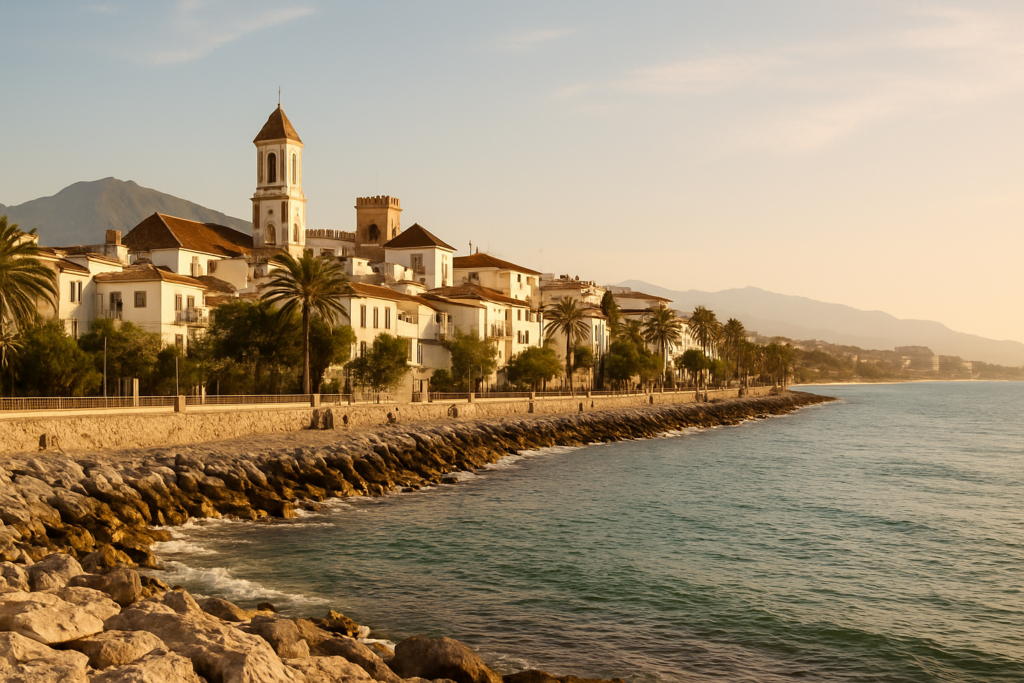
Marbella at a glance
- Coastal city on the Costa del Sol with 44 kilometres of municipal coastline.
- Subtropical Mediterranean climate: mild winters and hot, dry summers.
- Historic centre (Casco Antiguo) centred on the Plaza de los Naranjos and parts of ancient city walls.
- Topography includes sandy beaches and the nearby Sierra Blanca foothills.
- Economy dominated by tourism, hospitality, real estate and related services.
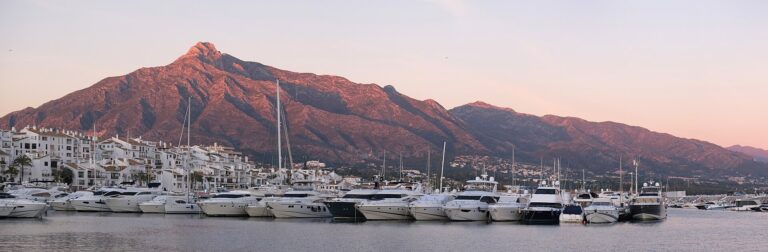
- Stretch known as the Golden Mile links the western edge of the city to Puerto Banús and features luxury villas and hotels.
- Fast-growing city in Andalusia with a 2023 population of 156,295 and a municipal area of 117 km².
Things to do in Marbella
There’s a clear split between strolling the compact Old Town, lounging on urban beaches, and seeing the upmarket developments along the Golden Mile. Below are the main categories of attractions you can reasonably expect to find and how they differ.
| Attraction | What it is | Price/entry | Best for |
|---|---|---|---|
| Old Town (Casco Antiguo) | Historic core with the Plaza de los Naranjos and ancient city walls | – | Walking, cafés, historic atmosphere |
| Golden Mile | Upscale stretch from the city’s west edge to Puerto Banús with luxury hotels and villas | – | Luxury hotels, people-watching, affluent architecture |
| Sierra Blanca foothills | Mountain backdrop with natural areas and Mediterranean flora | – | Views, nature, birdwatching |
| Beaches and coastline | Sandy beaches along an urbanised coast | – | Sunbathing, sea |
| Archaeological sites | Roman and Moorish ruins and related heritage | – | History enthusiasts |
Wandering the Old Town
The compact historic centre is where the town’s human scale survives amid the wider urbanisation. Expect narrow streets, plazas and the Plaza de los Naranjos—this is the place to linger, shop for small local crafts and sit in a shaded café. Important ruins and sections of old city walls are part of the fabric here, so plan time for slow wandering rather than a checklist of monuments.
The Golden Mile and luxury coastal developments
The Golden Mile is a linear experience: luxury hotels, private villas and manicured gardens. It begins at the western edge of the city and stretches to Puerto Banús, showcasing why the area is known for upmarket tourism and real estate activity. Don’t expect secluded beaches here; the coastline is heavily urbanised with residential areas and golf courses nearby.
Nature and the Sierra Blanca
Step away from the seafront and the foothills of Sierra Blanca provide a contrasting landscape with protected natural areas and Mediterranean flora—pines, chestnut and cherry trees—and a range of bird species. Use these sections for short hikes or birdwatching to escape the built-up coast.
Best beaches in Marbella
The municipality’s coastline is predominantly sandy but also heavily urbanised. Beaches here are part of a resort landscape rather than remote coves; that’s the trade-off for easy access, facilities and seafront promenades.
| Beach | Character | Facilities / Blue Flag |
|---|---|---|
| General sandy coastline | Urban, long stretches suitable for sunbathing and promenades | – |
| Beaches near the Golden Mile | Developed seafronts adjacent to luxury hotels and beach clubs | – |
Marbella with kids
Families benefit from the predictable, resort-style layout: sandy beaches close to amenities, easy promenades and manageable distances in the Old Town. The natural foothills also offer short nature escapes suitable for older children who can walk trails. Be aware that much of the economy caters to tourists, so expect family-friendly commercial services but also areas that prioritise luxury clientele.
How to get to Marbella and get around
Highways along the coast are the main entrances to the municipality, so driving is straightforward if you’re arriving by road. The town’s urbanised coast and the compact Old Town make short trips on foot practical once you’ve parked or reached central areas. Public transport and car hire support the tourism economy; the layout favours visitors who plan a base and make short local trips rather than those seeking unspoiled wilderness.
Where to stay in Marbella
Choose a base according to what you prioritise:
- Old Town (Casco Antiguo) — best for history, cafés and a walkable centre.
- Golden Mile — suits travellers who want proximity to luxury hotels, high-end restaurants and easy access to the upmarket seafront.
- Western coastline / Puerto Banús edge — good if you want to be near the marina lifestyle and high-end shopping and leisure.
- Residential stretches along the coast — practical for families seeking apartment-style accommodation with beach access.
Best time to visit Marbella
The climate is a major draw: warm-to-hot dry summers and very mild winters. That makes shoulder seasons attractive for fewer crowds and pleasant walking weather, while summer guarantees beach conditions—at the cost of higher visitor numbers and a more intense resort vibe.
| Season | Months | What to expect |
|---|---|---|
| Summer | June–August | Hot, dry weather and peak tourist season with busy beaches and resorts |
| Shoulder seasons | Spring / Autumn | Mild temperatures ideal for walking, sightseeing and fewer crowds |
| Winter | December–February | Very mild conditions compared with much of Europe; quieter tourism season |
History of Marbella
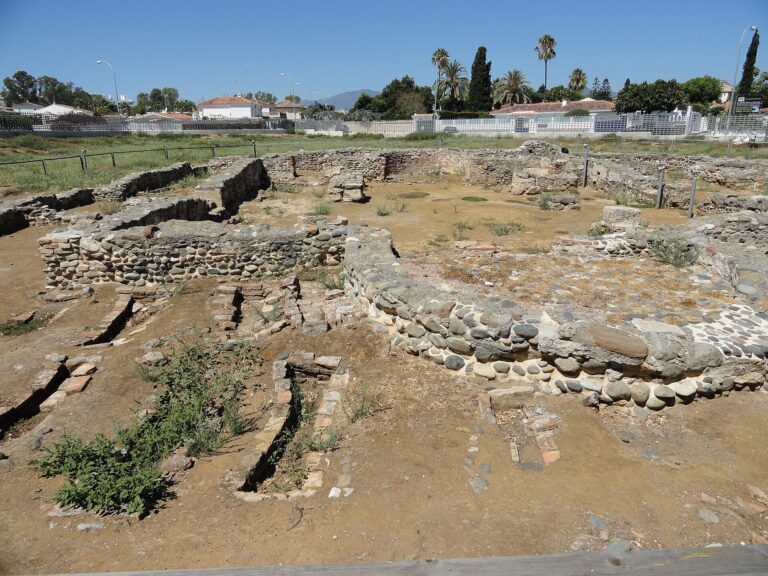
The town has layered archaeological heritage, with Roman and Moorish ruins and remnants of ancient city walls threaded through the Old Town. This sequence of Mediterranean civilizations gives the historic core its compact layout of plazas and winding streets around the Plaza de los Naranjos.
Practical info
- Access: Coastal highways are the primary road approach to the municipality; plan routes accordingly if driving.
- Tourism-driven costs: The local economy is heavily oriented to hospitality and real estate, so expect prices aligned with a prominent resort market, especially along the Golden Mile and near marina areas.
- Protected natural areas: Parts of the nearby foothills are protected and host varied flora and birdlife—these are good options for low-impact nature visits.
- Urbanisation: Much of the coastline within municipal limits is urbanised and includes residential developments and golf courses; truly secluded beaches are rare inside the municipality.
Worth it for: visitors who want a blend of historic Spanish streets, reliable beach weather and polished resort amenities. Less so if: you’re looking for untouched nature, remote beaches or an off-the-beaten-path rural experience.
How we assess this guide
This guide is compiled from verified source material and municipal-level facts. We cross-checked climate and geography data, heritage claims and economic profiles. We flag closures or major changes when sources indicate them; this piece does not include independent on-the-ground reporting but synthesises authoritative references to set expectations and avoid disappointment.
Nearby on the Costa del Sol
Towns near Marbella
- Coín — 20 km north-east, a green Guadalhorce-valley town of citrus groves
- Alhaurín el Grande — 22 km north-east, a whitewashed Costa del Sol town in the Guadalhorce valley
- Fuengirola — 23 km east, Fuengirola on the Costa del Sol is a family-friendly beach
- Mijas — 24 km north-east
- Estepona — 26 km west
- Benalmádena — 31 km east, beaches, Puerto Marina, the Calamorro cable car and family attractions
Places to visit within reach
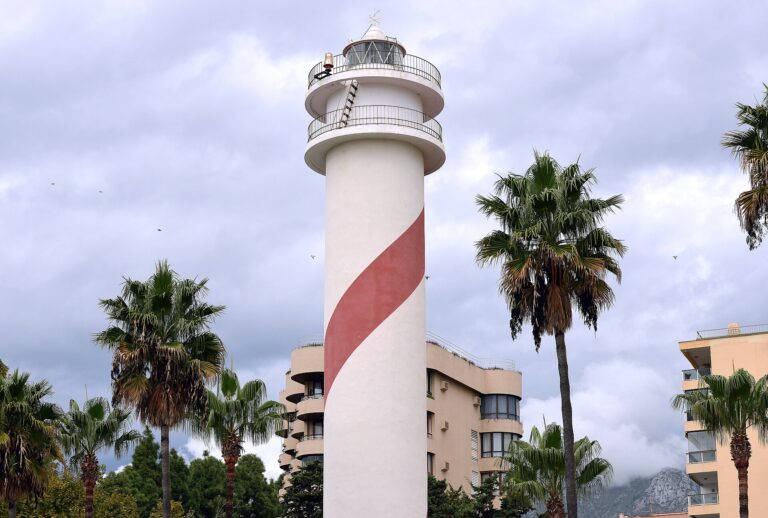
- Marbella Lighthouse — 1 km, A light has burned at Marbella since
- Sierra Blanca — 6 km, La Concha shields Marbella and creates its microclimate
- Puerto Banús — 7 km, Puerto Banús was meant to be high-rise blocks
- Basílica de Vega del Mar — 11 km, Specialists still disagree on whether this basilica had one apse
For the wider picture, see the Costa del Sol guide, which lists every town on this coast.
Frequently asked questions
How do I reach Marbella by road?
Highways that run along the coast are the main road entrances to the municipality, so driving via coastal routes is the usual approach.
Is Marbella expensive?
The local economy is heavily tourism- and real estate-driven, and the presence of luxury developments along the Golden Mile and marina areas means costs in those zones tend to be higher than average.
Which beach is best for families?
The municipality’s sandy, urban beaches are generally family-friendly because they offer easy access and nearby amenities; choose central or residential stretches for straightforward facilities and promenades.
How many days should I spend here?
Plan at least a couple of full days to explore the Old Town, experience a seaside promenade and visit a nearby natural area in the foothills; more time is useful if you want to sample the wider coast or relax at beach clubs.
Is the Old Town worth visiting?
Yes. The historic core with the Plaza de los Naranjos and sections of ancient city walls is the best place to experience the town’s human scale and heritage.
Can I get around without a car?
Once you’re based in the Old Town or a central seafront area, walking covers many highlights. For reaching outlying districts and the foothills, a car or local transport is more practical because highways are the main approaches.
Is parking difficult?
Because the municipality is heavily urbanised and tourism-oriented, parking demand will be higher in central and beachfront zones, particularly during peak season; plan accordingly.
What are winter conditions like?
Winters are very mild compared with much of Europe, making the off-season pleasant for sightseeing without the summer crowds.
Are there notable festivals?
The area hosts several annual events, including the Marbella International Opera Festival, reflecting its role as a significant Costa del Sol tourist city with a calendar of cultural offerings.
Are there archaeological sites to see?
Yes. The town has Roman and Moorish ruins and related heritage visible within and around the Old Town.
How developed is the coastline?
The coastline inside the municipality is largely urbanised, with residential areas, golf courses and resort infrastructure along its 44 kilometres of coastline.
Can I combine beach time with mountain walks?
Yes. The foothills of Sierra Blanca provide nearby natural areas and trails, so a single trip can include both seaside relaxation and short nature excursions.
Is it a good destination for luxury travel?
Yes. The Golden Mile and areas near the marina culture emphasize luxury hotels, villas and upscale services, which underpin a high-end tourism segment.
How big is the municipality?
The municipal area covers 117 square kilometres and had a population of 156,295 inhabitants in 2023, reflecting its significant urban and residential development.
Is the natural environment protected?
Certain natural areas and foothill zones are protected and host diverse flora—chestnut and cherry trees, several species of pine—and birdlife that can be observed in less built-up sections.
Plan the wider trip
Marbella on the map
Places worth knowing near Marbella
How this page is maintained. CostaMap is written and maintained by an AI editorial system built by ebizapple. Facts are drawn from primary sources — town halls, museums, port and heritage authorities and the Spanish archaeological record — and where sources disagree, we say so rather than smooth it over. Photographs marked as ours are taken on location. This page was last reviewed on 11 August 2026. Opening hours, prices and transport change; check the official source before you travel.