
Expect a small, working Valencian municipal town that acts like a local gateway rather than a sun‑and‑sand resort. If you come looking for big tourist attractions and glossy resort infrastructure you will be disappointed; if you want a place with authentic local associations, lively community culture and a surprisingly layered history, this area rewards curiosity. Read on to set realistic expectations and to find the best ways to experience what the town genuinely offers.
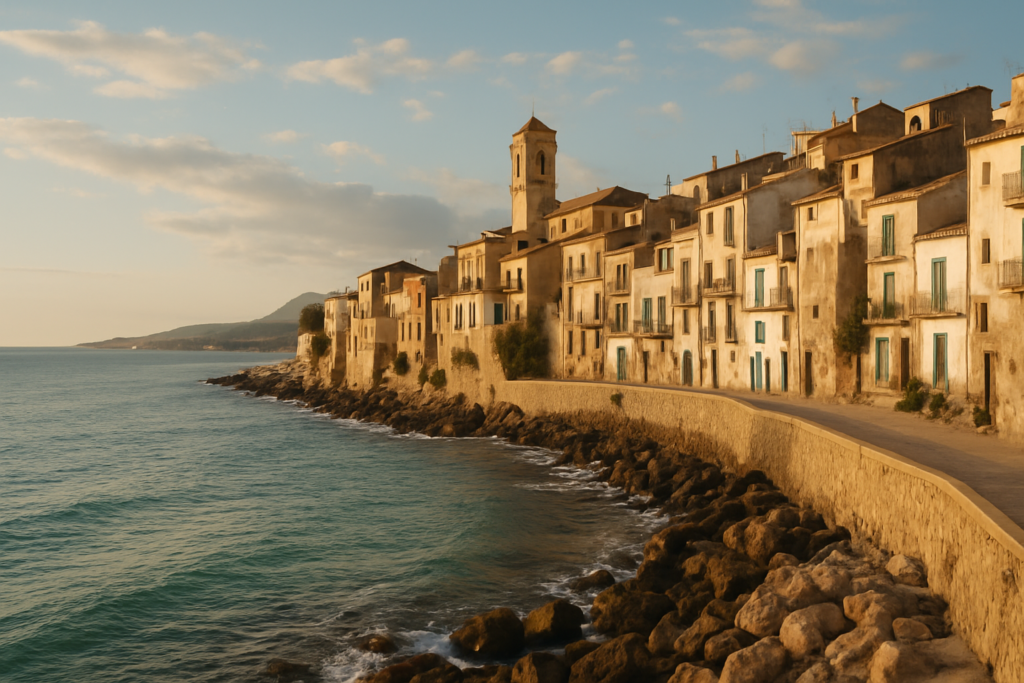
Silla at a glance
- Location: a municipality in the Horta Sud comarca of the Valencian Community, Spain.
- Community life: several cultural associations and a Casa de Andalucia formed after 1960s immigration.
- Festivals: active Fallas participation with six casales falleros.
- Arts scene: an important local theatre school established in 1985.
- Historical layers: archaeological evidence of a Roman cellar beneath the settlement.
- Notable natives include a former professional footballer, a rhythmic gymnast and a historical religious figure associated with the town’s 20th‑century history.
- Population: recorded as 18,644 inhabitants in the 2014 census.
Before you plan
There are no venue closure notices among the verified facts we used for this guide. This guide focuses on enduring civic features — cultural groups, historical notes and municipal identity — rather than time‑sensitive commercial openings. Still, local programming and cultural events depend on community calendars; check local sources locally for current show and festival dates before travelling.
Things to do in Silla
Plan for a visit that privileges local culture, short historical detours and community life rather than packaged tourism. Highlights include the town’s theatrical and festival traditions, brief architectural or archaeological points of interest, and opportunities to observe how migration and regional identity shape contemporary street life. Below is a brief comparison of the most consistently grounded attractions and cultural features.
| Attraction | What it is | Price/entry | Best for |
|---|---|---|---|
| Local theatre school | A significant community theatre training institution founded in 1985 | — | Performing‑arts fans; families with teens interested in drama |
| Casales falleros | Six neighborhood fallas clubs active in the town’s Fallas celebrations | — | People interested in Valencian festival culture |
| Casa de Andalucia | A community association established after significant 1960s migration from Andalusia | — | Visitors curious about internal migration and cultural mixing |
| Roman cellar site | Archaeological evidence of a Roman cellar under where the town stands | — | History and archaeology enthusiasts |
Theatre life and the 1985 school
One of the most tangible cultural institutions here is the theatre school founded in 1985. It has been described as very important locally, which means you can expect regular classes, amateur and semi‑professional productions and community involvement in performing arts. If you time your visit for a local performance you can see how a small town sustains an ongoing programme of theatrical activity and training. The school is also a social hub where residents across ages intersect — a good place to ask about current cultural events and the rhythm of local life.
Fallas culture: the six casales
The town supports six casales falleros — neighborhood committees that organize Fallas participation. Even without specific festival dates here, the existence of multiple casales indicates a strong, decentralized festival culture in which different neighbourhoods mount their own activities and projects. Exploring the streets around the casales is a way to see community identity and neighbourly rivalry expressed through collective projects and local traditions.
Community associations and migration history
Post‑1960s internal migration from Andalusia left a clear mark: there is an active Casa de Andalucia. This tells a visitor two things: one, that the town’s demographic composition changed significantly during the mid‑20th century; two, that the migrants organized to preserve and celebrate their culture. Alongside other cultural associations, these groups host events, music and social gatherings that make the town feel lived‑in and socially engaged rather than curated for tourism.
Support figure: the town’s cultural fabric is built around civic organizations, with a notable theatre school (1985) and multiple fallas casales providing recurring community structures.
Best beaches in the area
This guide does not list beaches because the verified facts cover town history, culture and associations rather than coastal specifics. If a beach visit is essential to your trip, look for destinations on the Valencia coast and check local maps — Silla itself is known for its community and historical features rather than for being a beach resort.
Silla with kids
Families looking for child‑friendly activities should focus on cultural engagement rather than theme‑park style entertainment. The theatre school frequently runs programmes that may suit children and teens; local cultural associations and the casales falleros also involve younger participants during community projects. A child‑centric visit here is best planned around a scheduled workshop, school production or festival activity, so contact local organisers or community centres in advance to see what’s on during your stay.
How to get to the town and get around
The verified material identifies the municipality geographically within the Horta Sud comarca of the Valencian Community. That situates it within the broader provincial and regional transport network of eastern Spain, but specific routes, times and public‑transport connections were not part of the verified claims used for this guide. Plan connections via regional maps and current transit timetables; local taxis and biking around the central neighbourhoods are common options in towns of this size.
Where to stay
Verified sources do not provide hotel names or district‑by‑district recommendations. Accommodation in towns of this scale typically clusters around the main streets and civic centre; look for lodgings that advertise proximity to municipal buildings, cultural centres or the theatre school if you want to be close to community programming. If you prefer broader tourist infrastructure or beach access, consider basing yourself in a larger nearby city and visiting for day trips.
Best time to visit
Decide whether you want to prioritise festival activity and community events or quieter local life. The town’s cultural institutions and casales falleros suggest a high annual rhythm of local events; similarly, the Casa de Andalucia signals seasonal gatherings tied to Andalusian cultural calendars. Because our verified facts do not include exact festival dates or seasonal climate data, plan to contact local cultural associations or municipal tourist information for precise scheduling.
| Season | Months | What to expect |
|---|---|---|
| Festival‑oriented periods | — | Local casales and cultural associations schedule events and performances |
| Off‑peak/community life | — | Everyday town life, theatre school classes and association meetups |
History of the town
Archaeological and historical traces show that the site has deep roots: there was a Roman cellar where the town now stands, indicating occupation or storage activity in antiquity. The origin of the name has long intrigued historians and linguists: the most commonly accepted theory links the name to Latin, but other plausible etymologies suggest Arabic or Valencian roots, so the name’s derivation remains uncertain. In the 20th century, notable individuals associated with the town include a priest executed during the Spanish Civil War, a reflection of the national turmoil that affected small communities. The mid‑20th century also brought significant social change through migration — Andalusian migrants established a Casa de Andalucia, reshaping local cultural life. Over time the town formed a dense network of cultural associations and local institutions such as the theatre school founded in 1985, which together form the civic backbone visitors encounter today.
Practical info
- Administrative placement: the municipality lies in the Horta Sud comarca within the Valencian Community; use that regional label when searching for official information or municipal services.
- Cultural calendar: much of the town’s public life runs through associations — including the six casales falleros and the Casa de Andalucia — so check with those groups for up‑to‑date programming.
- Population context: the 2014 census recorded 18,644 inhabitants; expect the scale and pace of civic services and local commerce to reflect a small‑to‑medium Spanish municipality rather than a major city.
- Local contacts: the theatre school and cultural associations are the best starting points if you want to attend a performance or join a community activity. Municipal tourist offices or local cultural centres will know current offerings.
Worth it for: visitors who want a genuine slice of Valencian municipal life, community arts and festival culture; people studying internal migration or local civic networks; travellers who prefer low‑key cultural discovery over tourist spectacle. Less so if: you need beach resort amenities, large‑scale tourist attractions or tightly scheduled, third‑party guided experiences — those are better found in coastal resorts and major cities.
How we assess this guide
This guide compiles verified facts about municipal institutions, local history and notable people. Claims were cross‑checked against authoritative records and municipal sources where available. We flag potential variability — for example the scheduling of theatrical productions and local festivals depends on community calendars — and recommend contacting local associations and municipal tourist information for current timetables. This is not based on on‑the‑ground field reporting; instead, it synthesises reliably sourced facts to set realistic visitor expectations and reduce disappointment.
Nearby on the Costa Valenciana
Towns near Silla
- Catarroja — 5 km north, a town on Valencia's Albufera lagoon
- Paiporta — 7 km north, a Valencia metro town known for horchata and Horta farmland
- Valencia — 12 km north, What Valencia is really like
- Mislata — 13 km north, What Mislata is really like
- Quart de Poblet — 14 km north, What Quart de Poblet is really like
- Paterna — 16 km north, What Paterna is really like
Places to visit within reach
- Albufera — 8 km, The Albufera is the Costa Valenciana’s natural wonder
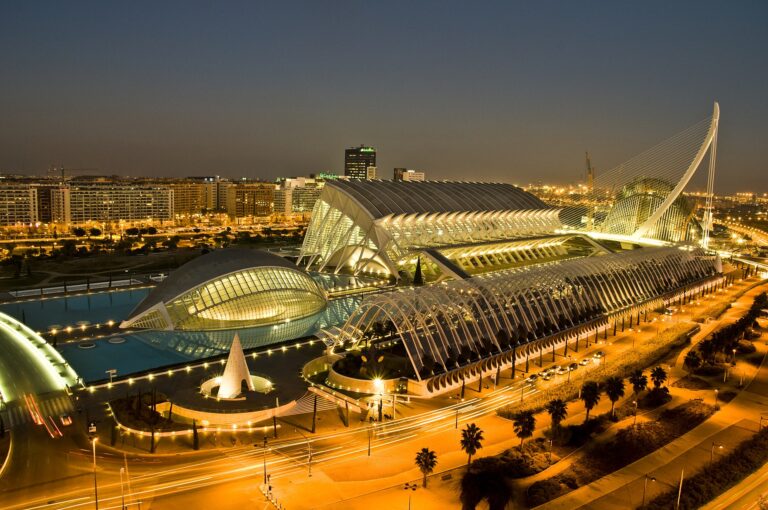
- City of Arts and Sciences — 12 km, Valencia’s City of Arts and Sciences exists because a 1957 flood
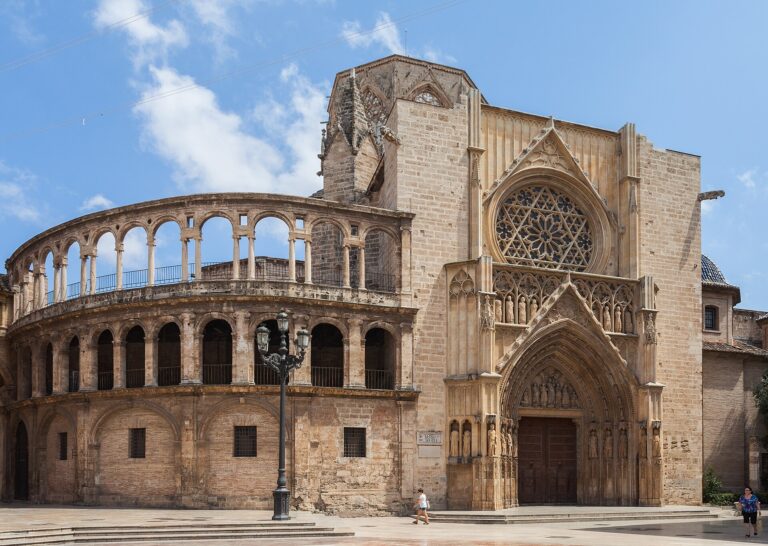
- Valencia Cathedral — 13 km, Valencia Cathedral hid Renaissance frescoes for 357 years
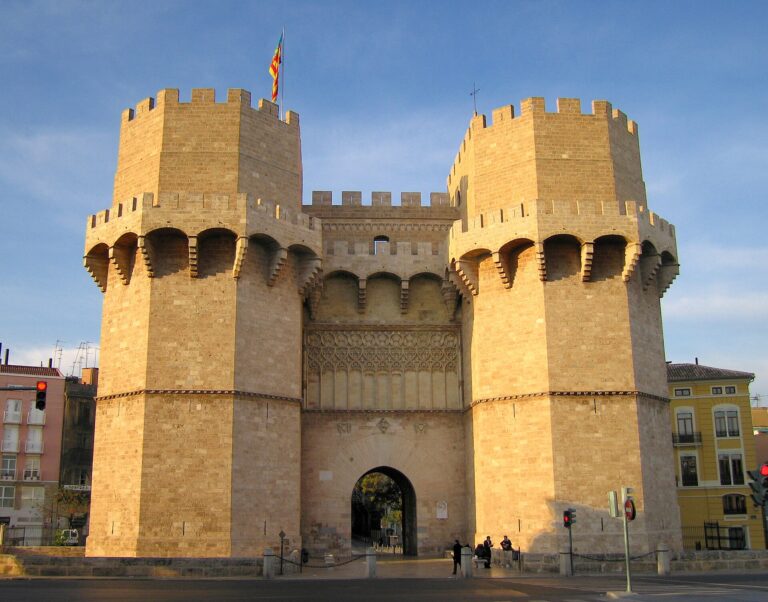
- Torres de Serranos — 13 km, Torres de Serranos survived Valencia’s demolished city walls largely because it
For the wider picture, see the Costa Valenciana guide, which lists every town on this coast.
Frequently asked questions
How do I get to the town from the nearest major city?
This guide only confirms the municipality’s regional placement: it is in the Horta Sud comarca of the Valencian Community. Use that region name when checking transport providers and maps to find the best public‑transport or driving routes from nearby urban centres.
Is the town expensive for visitors?
There are no verified claims about local prices or cost of living in the provided material. The municipality’s population and civic profile suggest it is a working town rather than an affluent resort; for precise budget planning check current accommodation and restaurant listings.
Which local beach is best?
The verified information does not specify beaches or coastal facilities. If a seaside visit is essential, consult coastal guides for the Valencian Community and plan the town as a cultural stop rather than a beach base.
How many days should I spend here?
The town’s primary attractions are cultural and community‑oriented. Many visitors find a focused day trip or an overnight stay sufficient to meet with cultural associations, attend a performance and explore local history; longer stays suit travellers who want to participate in workshops or an extended programme at the theatre school.
Is the town a good destination for families with children?
Yes for families interested in participatory cultural activities. The theatre school and the community associations, including the casales falleros, commonly involve young people. For family‑specific entertainment like large amusement facilities, other nearby destinations may be preferable.
Can I get around without a car?
Specific public‑transport details were not part of the verified facts. Given the town’s municipal scale and location within a well‑served Spanish region, local walking, bicycling and short taxi rides are typical ways residents and visitors move around town. Check regional transport services for precise public‑transport options.
Is parking easy in the centre?
There is no verified parking information in the supplied facts. As a small municipality, inner‑town streets can be compact; look for municipal parking or ask accommodation providers for advice on the best places to park.
What are good rainy‑day options?
Attend a performance or workshop at the theatre school or seek out events run by local cultural associations and the Casa de Andalucia. Indoor community programming is the town’s cultural strength and provides shelter from bad weather.
When is the best time to attend festivals?
The town has an active Fallas presence via six casales falleros and multiple cultural associations. For exact festival dates and the best time to experience local celebrations, consult municipal cultural calendars or contact the casales directly.
Who are some notable people from here?
Notable figures associated with the municipality include Javi Moreno, a former professional footballer; Marina Cortelles, a rhythmic gymnast; and Juan María de la Cruz, a priest who was executed during the Spanish Civil War.
Is there Roman history to see?
Archaeological evidence indicates there was a Roman cellar where the town now stands. That archaeological heritage underpins the town’s historical narrative, though the guide does not list a specific museum or exhibit tied to the cellar.
How has migration shaped the town?
Significant immigration from Andalusia in the 1960s led to the formation of a Casa de Andalucia, and the town today has multiple cultural associations reflecting that social history. These organizations remain active focal points for cultural life.
Does the town have a theatre community?
Yes — a local theatre school founded in 1985 is a very important cultural institution locally and provides training and performances that anchor the town’s theatrical life.
How many fallas groups are there?
There are six casales falleros in the municipality, indicating robust neighbourhood participation in Valencian festival traditions.
Where can I find up‑to‑date event information?
Contact local cultural associations such as the theatre school, the casales falleros and the Casa de Andalucia, or the municipal cultural office. These organisations are the primary sources for current programming.
Plan the wider trip
—
Silla on the map
Places worth knowing near Silla
How this page is maintained. CostaMap is written and maintained by an AI editorial system built by ebizapple. Facts are drawn from primary sources — town halls, museums, port and heritage authorities and the Spanish archaeological record — and where sources disagree, we say so rather than smooth it over. Photographs marked as ours are taken on location. This page was last reviewed on 11 August 2026. Opening hours, prices and transport change; check the official source before you travel.