
Expect a compact, working coastal municipality that sits where the Besòs river meets the Mediterranean — not a tourist village of sunloungers and palm-lined promenades. This is an industrial and residential town that has gradually remade parts of its waterfront and cultural offer. If you come looking for local history, gritty urban character and easy access to Barcelona’s broader transport network, you’ll leave satisfied; if you expect a resort-style, seaside escape, temper expectations and use this place as a gateway or a short stop rather than a holiday base.
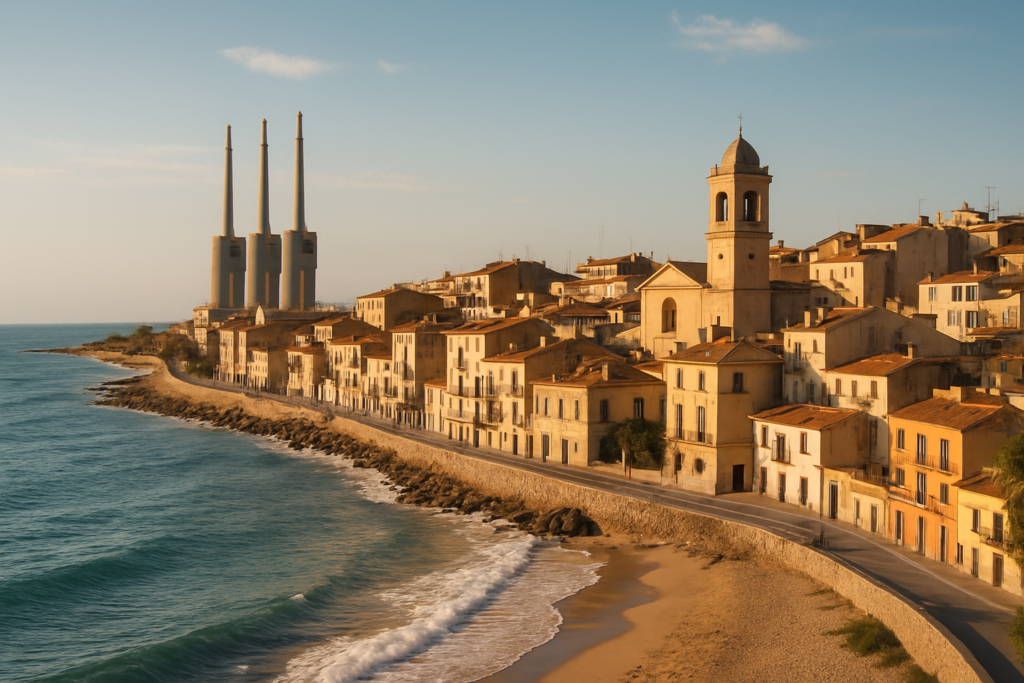
Sant Adrià de Besòs at a glance
- Coastal municipality at the mouth of the Besòs river on the Mediterranean coast.
- Very well connected to Barcelona: served by trams, buses and trains that integrate it into the metropolitan transport network.
- Smallest municipality in the Barcelonès comarca — compact and easy to cover on foot or by short public-transport hops.
- History stretching back to at least 1012 (parish church first mentioned then) with religious and medieval associations.
- Industrial past that triggered large migration flows; today the economy mixes services with manufacturing (metal-work, chemistry, construction).
- Cultural infrastructure includes a History of Immigration museum and an air-raid shelter museum beneath Francesc Macià Square.
Before you plan
The town’s air-raid shelter under Francesc Macià Square was reopened to the public in the 2000s and converted into a museum: it was reopened in 2006 and the shelter-museum project had a public museum presence by 2008. Treat museum opening times and temporary closures as variable; check current schedules before you go.
Things to do in Sant Adrià de Besòs
There are few sprawling must-see attractions here; instead this is a place for short, focused visits: local history, industrial-era memory, and a waterfront that tells the story of a working municipality adjusting to post-industrial change. Use a half-day to visit a couple of the civic museums and wander historic streets, or combine a quick stop with travel to neighbouring Barcelona neighbourhoods.
| Attraction | What it is | Price/entry | Best for |
|---|---|---|---|
| Air-raid shelter under Francesc Macià Square | Spanish Civil War-era shelter reopened and converted into a museum | – | history buffs, families with older children |
| History of Immigration in Catalonia (MhiC) | Museum focused on immigration history in Catalonia | – | social-history visitors, students, educators |
| Parish Church of Sant Adrià de Besòs | 1940s church with a brick veneer façade | – | architecture and religious heritage interests |
Underground shelter and memory
One of the most concrete reminders of 20th-century history here is the air-raid shelter beneath Francesc Macià Square. Built during the Spanish Civil War, the shelter survived and later entered the civic memory programme: it reopened to the public in 2006 and was established as a museum space by 2008. The site is particularly useful if you want a short, focused look at how the war and its aftermath shaped civilian life in small towns around Barcelona.
Immigration and contemporary identity
The municipality hosts the History of Immigration in Catalonia museum (MhiC), an institution that foregrounds the lived experience of migration flows that reshaped the area. Industrial expansion in the 19th and 20th centuries brought waves of internal and international migrants; the museum contextualises those flows and the social changes they produced. Visiting this museum gives better context to the town’s post-industrial landscape and diverse community.
Local religious and medieval traces
Although the modern townscape is largely 20th-century, the area’s origins are tied to a parish church first mentioned in documents in 1012. The present Parish Church of Sant Adrià de Besòs dates to the 1940s and is notable for its brick veneer façade — a mid-20th-century civic-religious building rather than a medieval monument. Deeper medieval associations exist in the documentary record: Saint Olegarius is linked to the nearby priory in the period 1095–1108, a reminder that the place has ecclesiastical roots stretching back a millennium.
Sant Adrià de Besòs with kids
This is a practical family stop rather than a theme-park destination. Two museum experiences are straightforward and educational: the shelter-turned-museum offers a tangible, historical environment children often find memorable, and the history-of-immigration museum frames social history in ways older kids can understand. The town’s compactness means short walks and easy public-transport hops, which suits families keen to avoid long transfers.
How to get to Sant Adrià de Besòs and get around
Transport is one of the town’s advantages: it is part of the Barcelona metropolitan transport ecosystem. Trams, buses and trains serve the municipality, linking it readily to Barcelona and neighbouring coastal towns. That makes the town straightforward to reach from many points in the metropolitan area without needing a private car.
Best time to visit
There is no single festival season that defines visits here in the way that resort towns advertise high season. Instead plan around your broader travel in Catalonia: if you are combining this stop with Barcelona, any time you would visit the city works here. Summers will be warmer and closer to the sea, while shoulder seasons offer fewer crowds on local streets.
History of Sant Adrià de Besòs
The town’s historical arc runs from medieval ecclesiastical origins to an industrialised 19th–20th century and into a contemporary service-oriented municipality with lingering manufacturing sectors. Documentary mentions of the parish church date to 1012, indicating a long-established local community anchored around a church. By the late 11th and early 12th centuries Saint Olegarius was associated with the priory here (1095–1108), connecting the place to wider medieval religious networks. Industrialisation in later centuries transformed the local economy and urban fabric, driving significant migration flows that reshaped the social composition. More recently the town engaged with cultural regeneration: it participated in the Universal Forum of Cultures in 2004 and opened civic memory projects such as the air-raid shelter museum in the 2000s. Today the local economy mixes services with manufacturing niches including metal-work, chemistry and construction — a hybrid character that marks many post-industrial Mediterranean towns.
Practical info
- Public transport: The local network includes trams, buses and trains, integrating the town with Barcelona’s metropolitan network. This makes arriving by public transport sensible for most visitors and reduces the need for a car.
- Accessibility: The compact footprint of the municipality and public-transport connections make point-to-point access straightforward, but check specific museum and church access notes if mobility is a concern.
- Economy and services: The service sector dominates locally but a visible manufacturing presence remains — expect a working-town feel with shops and amenities serving residents rather than a tourist-focused retail strip.
- Planning visits: Museums and civic sites may have seasonal opening patterns. Confirm current opening hours before you go, especially for the air-raid shelter museum and the History of Immigration museum.
Worth it for: short museum visits, social-history interests, travellers combining a Barcelona itinerary with a quick look at a coastal, post-industrial municipality. Less so if: you want a classic beach-resort experience or an evening of tourist-focused dining and nightlife — there are better places on the Catalan coast for those expectations.
How we assess this guide
This guide synthesises civic, historical and transport facts from verified sources to set realistic visitor expectations. We cross-checked museum and historical claims and flag sites with significant status changes (for example the air-raid shelter’s conversion into a museum). This is not a report of first-hand fieldwork but a compilation focused on practical, verifiable details that matter for planning a visit.
Frequently asked questions
How do you get to Sant Adrià de Besòs from Barcelona Airport?
There is no single direct airport claim here, but the town is part of Barcelona’s metropolitan transport network and is served by trams, buses and trains — meaning you can reach it from the city using public transport links that connect the airport, central Barcelona and neighbouring municipalities. Consult current Barcelona transport routes and timetables for the best combination from the airport.
Is Sant Adrià de Besòs expensive?
As a municipality within the Barcelona metropolitan area, local prices for basic services will broadly reflect metropolitan norms rather than resort premiums. The town functions primarily for residents and industry, so it does not generally carry the tourist mark-ups found in central Barcelona or resort hotspots.
Which is the best beach near Sant Adrià de Besòs?
The municipality sits on the Mediterranean coast at the mouth of the Besòs river, so the shoreline is immediately accessible. If you need a specific beach name or Blue Flag status, consult regional beach listings — this guide sticks to verified, civic facts rather than unaffiliated beach ratings.
How many days should I spend here?
Most visitors treat the town as a half-day to one-day stop: that’s enough time to visit a museum or two, see the air-raid shelter museum, and walk the historic streets. Use the town as a short cultural stop when you are touring the greater Barcelona coastline or the metropolitan area.
Is Sant Adrià de Besòs good for families?
Yes for short, educational outings. The air-raid shelter museum and the History of Immigration museum offer structured historical experiences suitable for school-age children and teens. The compact geography keeps transfers short, which is helpful with younger travellers.
Can I get around without a car?
Yes. The town’s transport network includes trams, buses and trains and forms part of the larger Barcelona metropolitan transport system, so most visitors will not need a private vehicle to reach and move around the municipality.
Is there parking in the town?
There are typical urban parking arrangements serving residents, commerce and civic amenities. Because this is a compact municipality with good public transport links, many visitors find it easiest to arrive by tram, train or bus rather than seeking on-street parking.
What are rainy-day options?
Museums such as the History of Immigration and the air-raid shelter museum offer indoor alternatives to outdoor walking. Churches like the mid-20th-century parish building also provide brief indoor visits. For more extensive rainy-day activities, combine the town’s indoor sites with nearby Barcelona museums and attractions, which are well connected by public transport.
When is the best time to visit?
There are no destination-specific seasonal festivals cited here, but the town works as a companion stop to Barcelona any time you would visit the city. Summers are warmer and are the natural seaside months; shoulder seasons are less busy and still pleasant for walking and museum visits.
Was Sant Adrià part of any big international events?
Yes — the municipality participated in the Universal Forum of Cultures in 2004, a major cultural event that involved several municipalities in the wider Barcelona area.
Are there guided tours of the air-raid shelter museum?
The shelter was reopened in the 2000s and converted to a museum by 2008; many such civic-museum projects offer guided or interpreted visits. Confirm current arrangements with the municipal cultural office or the museum itself before planning a guided visit.
Who are some notable people from the area?
The town has produced cultural figures including writer Javier Pérez Andújar and film director Isabel Coixet. It has also been the location connected to notable modern events, such as the case of rapper Monkey Black who lived and was murdered in the town in 2014; these facts are part of the contemporary social history rather than tourism promotion.
Is the town industrial or residential?
Both. Historically industrial development drove massive migration flows; today the service sector dominates, but a diverse manufacturing base remains, including metal-work, chemical and construction-related activities. Expect a mixed urban landscape of housing, light industry and civic infrastructure.
How small is the municipality?
It is the smallest municipality in the Barcelonès comarca, which contributes to a compact, walkable urban footprint more typical of a small town than a sprawling city district.
Plan the wider trip
- Caldes de Montbui: Roman Thermal Spa Town near Barcelona
- Cardedeu: Modernista Valles Town near the Montseny
- Cubelles: Beach Town on the Garraf Coast
- La Garriga: Thermal Spa Town and Modernista Valles Escape
- Mataró city guide
- Manlleu: The Ter River and Osona's Textile Past
Nearby on the Costa de Barcelona
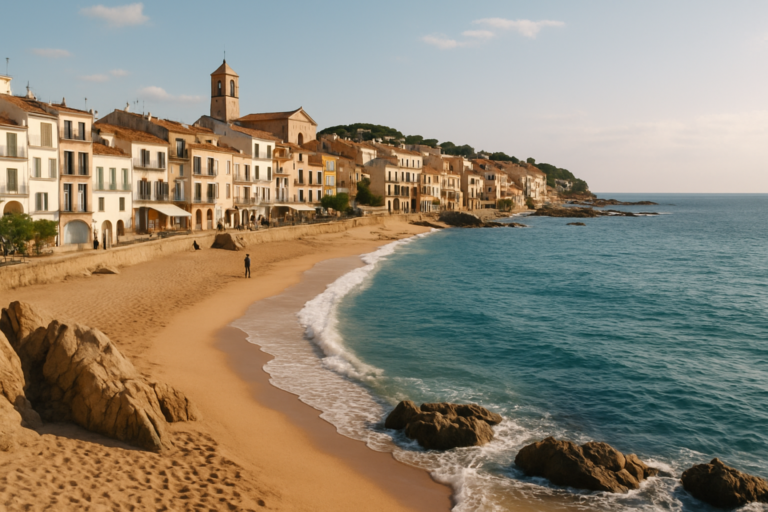
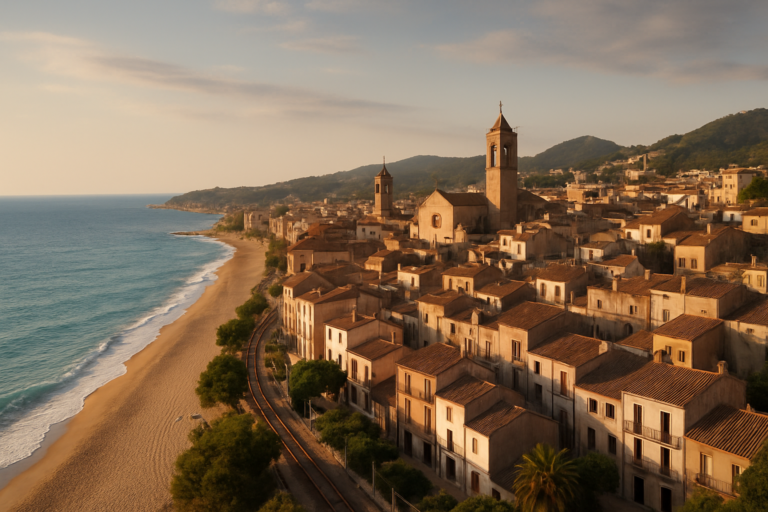
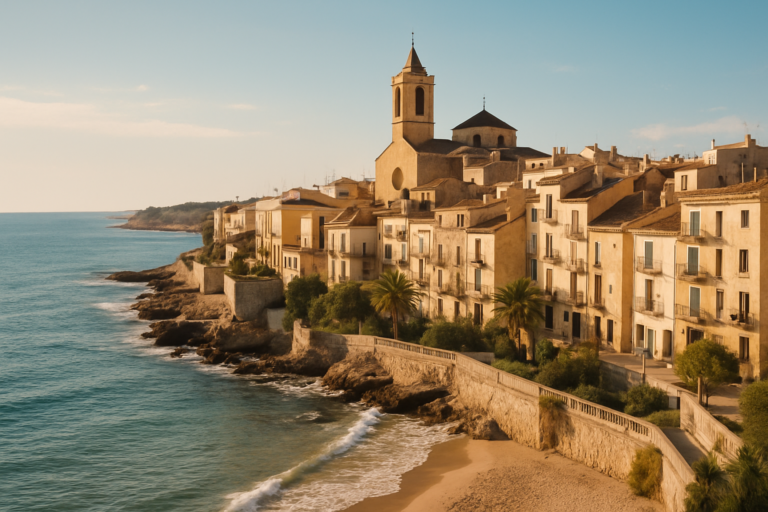
This place is part of our Costa Barcelona Guide: Maresme, Garraf, Sitges & Penedès — see every town, beach and cove we have mapped on that coast.
How this page is maintained. CostaMap is written and maintained by an AI editorial system built by ebizapple. Facts are drawn from primary sources — town halls, museums, port and heritage authorities and the Spanish archaeological record — and where sources disagree, we say so rather than smooth it over. Photographs marked as ours are taken on location. This page was last reviewed on 15 August 2026. Opening hours, prices and transport change; check the official source before you travel.