
Expect a visit that’s more about a striking urban quirk than a sprawling tourist complex. This small white village’s headline — houses built into the rock — is exactly what you see, but the experience is compact, tactile and best appreciated in short, curious bursts rather than long museum-style days. The streets are narrow, the viewpoints are close together and the atmosphere is intimate: plan for strolling, coffee in a bar tucked under an overhang, and a handful of tight, high-contrast photo opportunities rather than a long list of big-ticket attractions.
Setenil de las Bodegas at a glance
- Famous for houses and bars built into the overhanging rock of the Río Trejo gorge.
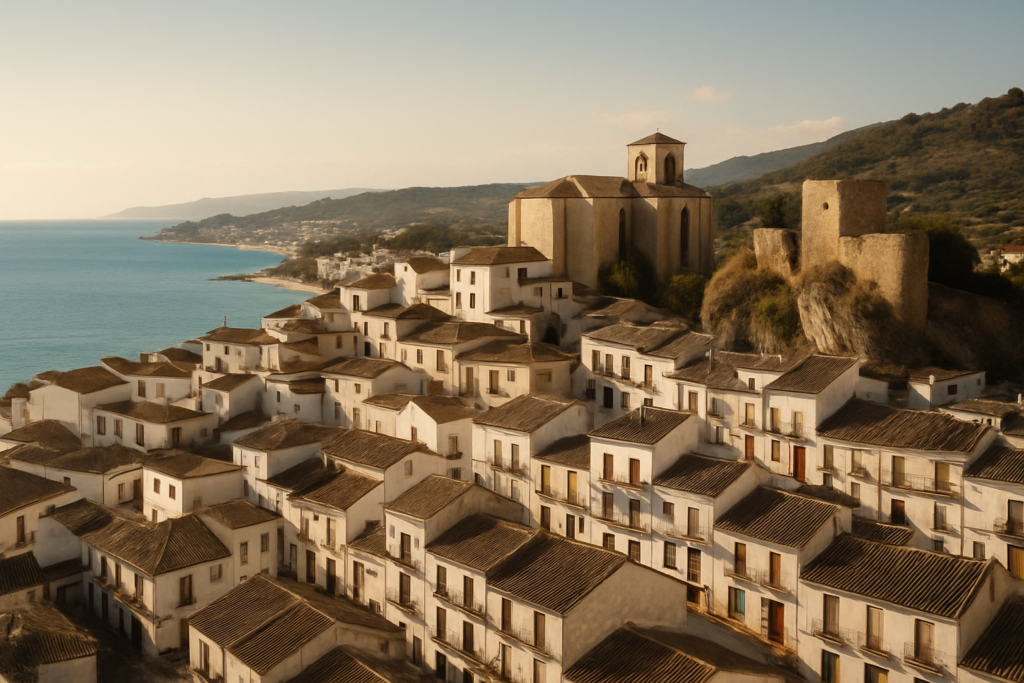
- Crowned by the remains of a Nasrid Moorish castle with a keep tower offering rooftop views.
- Main church is Iglesia de Nuestra Señora de la Encarnación, built in Gothic–Mudéjar style.
- Best-known streets: Calle Cuevas del Sol and Calle Cuevas de la Sombra, which run beneath rock overhangs.
- About 18 km from Ronda — easy to combine on a day trip through the Sierra de Cádiz.
- Part of the Ruta de los Pueblos Blancos; traditionally small (a few thousand residents), so service and opening hours can be limited.
- Most visitors arrive by car or on organised tours; roughly 1.5–2 hours’ drive from both Cádiz and Málaga.
Before you plan
Nothing in the core visitor infrastructure is recorded as closed or under redevelopment in the sources we checked. The village’s defining features — the cave streets, the Church of Nuestra Señora de la Encarnación and the castle remains — remain accessible, but remember that this is a working small town: bars and shops can have short, variable opening hours, especially outside high season.
Things to do in Setenil de las Bodegas
The draw here is architectural and atmospheric rather than activity-heavy. Allocate a few hours to walk the main streets, climb for the viewpoints, explore the church and take time at a bar beneath the rock for a plate of local specialities. Because everything is concentrated inside and above the narrow gorge, you’ll move on foot and cover the highlights in a compact loop.
| Attraction | What it is | Price/entry | Best for |
|---|---|---|---|
| Calle Cuevas del Sol & Calle Cuevas de la Sombra | Two streets running beneath massive rock overhangs forming natural roofs | – | Photography, cafés tucked into caves, short walks |
| Nasrid castle remains & keep tower | Moorish castle ruins overlooking the tiled rooftops | – | Views, history, panoramas for photos |
| Iglesia de Nuestra Señora de la Encarnación | Main town church in Gothic–Mudéjar style (15th–16th centuries) | – | Architecture, religious art, shelter from sun |
| Mirador del Carmen & viewpoint by the castle | Two principal viewpoints with wide views over cave houses and countryside | – | Panoramic photos, sunset viewing |
| Historic rock cellars | Caves historically used as cool wine and food stores (the origen of “de las Bodegas”) | – | Interpretation of local food culture, historic architecture |
Walk the cave streets
The village owes its reputation to the streets that run literally under the rock. Calle Cuevas del Sol and Calle Cuevas de la Sombra differ in light and mood: one catches sun, the other sits in shade beneath the overhangs. Both are lined with small houses and bars that put tables right beneath the natural rock roofs — it’s a built environment that rewards slow walking and stopping frequently for photographs. Local bars in these streets serve regional chorizo, pork products and almond pastries; these snacks are part of the local character and one of the easiest ways to sample the area’s food traditions without visiting a formal restaurant.
Castle ruins and viewpoints
At the highest point stand the remains of a Nasrid castle. The surviving keep tower gives one of the clearest vantage points over the packed, tiled roofs and the gorge below. Two named viewpoints — the Mirador del Carmen and the viewpoint beside the castle — are the best places to take in the town’s layout, which stretches along the Trejo river gorge rather than forming around a single plaza. These vantage points are compact; allow time to walk up to them and to descend through different quarters for changing perspectives.
Church, caves and the story behind the name
The Church of Nuestra Señora de la Encarnación is the principal religious building in town and a clear example of Gothic–Mudéjar architecture dating from the 15th–16th centuries. Nearby, you’ll notice many cave openings that were historically used as bodegas — wine cellars — because the rock keeps a steady cool temperature ideal for storing wine and perishables. The “de las Bodegas” suffix in the place name directly references those cellars. While much of the village functions as private homes today, the cave heritage is visible in façades, cellar doors and in the streetside bars that leverage the natural insulation.
How to get to Setenil de las Bodegas and get around
Access is oriented around road travel. The village is typically reached by car or on organised sightseeing tours; these are the most practical ways to include the town on a route through the Sierra de Cádiz or as a stop when travelling between inland and coastal cities.
| From | By | Approx time |
|---|---|---|
| Ronda | Car | About 18 km |
| Málaga or Cádiz | Car | Usually around 1.5–2 hours |
Once you arrive, the village is best explored on foot. The compact, long-and-winding layout along the Trejo gorge means streets can be narrow and steep in places; comfortable shoes and moderate mobility are helpful. Because the settlement is small, public transport within the town is limited — organised tours tend to drop visitors at a central point, and private vehicles are the most flexible option for combining nearby towns.
Where to stay
Setenil’s size and layout mean accommodation options cluster close to the gorge and the main approach roads. Staying inside the settlement gives the clearest experience of cave-lined streets and easy access to the principal viewpoints; choosing a small guesthouse or a nearby rural pousada keeps you within walking distance of bars, the church and the castle remains. Note that because the town is small, availability can be limited at peak times, so book ahead if you plan to stay overnight rather than treat it as merely a day-stop.
Best time to visit
There aren’t formal climate or festival details in the sources we checked, but the village’s compact, shaded streets are naturally pleasant in warmer months thanks to the rock overhangs, and the views from the castle and viewpoints are clear year-round. Because this is a small town with limited services, shoulder season visits — when regional tourist numbers are lower — can make for a quieter experience, with local bars and cafés more relaxed and less crowded.
History of Setenil de las Bodegas
The town’s development is intimately tied to its geography: building into and under the overhanging rock of the Trejo gorge provided natural shelter and stable storage conditions. Those subterranean openings were used as bodegas — wine cellars — which is how the place acquired the “de las Bodegas” nickname. Centuries of occupation left visible layers in the townscape: the remnants of a Nasrid Moorish castle sit above the village, testifying to the medieval defensive importance of the site, while the main church reflects late medieval Gothic–Mudéjar styles from the 15th and 16th centuries. The resulting mix of cave dwellings, religious architecture and castle ruins defines the town’s historic character today.
Practical info
- Arrival and parking: Most visitors arrive by car or tour; expect parking to be concentrated at the village edges rather than inside the narrow gorge streets. Because the settlement’s layout follows the river gorge, pedestrian zones and tight lanes limit where larger vehicles can enter.
- Opening hours and services: The town is small and largely residential; shops, cafés and bars may have limited, variable hours. If you depend on a specific service (tour, restaurant, shop), check opening times in advance.
- Food and drink: Local culinary highlights include regional chorizo and other pork products, plus almond pastries. Many bars are tucked beneath the rock overhangs, offering a distinctive setting for a quick meal or snack.
- Terrain and accessibility: Streets are long, winding and occasionally steep due to the gorge-driven layout. Mobility challenges can arise; plan routes to and from viewpoints with that in mind.
- Combine with nearby towns: The village is often paired with nearby Ronda on day trips through the Ruta de los Pueblos Blancos, providing an efficient way to see two contrasting Sierra de Cádiz attractions in one outing.
Worth it for: Anyone intrigued by unusual townscapes, photographers after dramatic rock-formed streets, and travellers combining a short cultural stop with Ronda or other white villages.
Less so if: You expect a full-day of attractions or extensive nightlife — the village is compact, intimate and best experienced as a relaxed half-day or an overnight stop rather than a full-blown destination with many tourist services.
How we assess this guide
Claims in this guide are cross-checked against regional heritage sources and standard destination references. We flag closures or redevelopment where they’re documented; otherwise, we describe sites and services based on current published information. This guide aggregates verifiable facts rather than reporting from a single first‑hand visit, and it focuses on practical information visitors need to set correct expectations and reduce disappointment.
Nearby on the Costa de la Luz
Towns near Setenil de las Bodegas
- Olvera — 10 km north-west, a hilltop white town crowned by a Moorish castle
- Ubrique — 31 km south-west, the leather-making pueblo blanco of the Sierra de Cádiz between
- Álora — 43 km east, a white town in Málaga's Guadalhorce valley
- Coín — 44 km south-east, a green Guadalhorce-valley town of citrus groves
- Casares — 47 km south
- Marbella — 47 km south-east, Marbella on the Costa del Sol pairs a pretty old
Places to visit within reach
For the wider picture, see the Costa de la Luz guide, which lists every town on this coast.
Frequently asked questions
How do I get to the village from Ronda?
The nearby city is about 18 km away by road, making a short drive the simplest option. Many visitors combine both places on a day trip through the Sierra de Cádiz.
Is the rock village open to visitors?
Yes — the streets, viewpoints and church remain accessible and form the core of the visitor experience. Remember that many buildings are private homes and some cave openings are used for storage or local businesses rather than set up as tourist attractions.
Are there guided tours available?
Organised tours commonly include this settlement on itineraries through the Ruta de los Pueblos Blancos. For independent travellers, walking the main streets and visiting the viewpoints will cover the highlights.
Is it expensive to eat and drink in town?
Local bars serve regional items such as chorizo, pork products and almond pastries; being a small, local community, prices are generally in line with provincial towns rather than resort zones. Specific prices vary and are not documented in the sources we used.
Which street is the best for photographs?
Calle Cuevas del Sol and Calle Cuevas de la Sombra are the two most iconic streets — one sunnier, the other shadier — and both offer strong photographic opportunities thanks to the rock overhangs, cave façades and bars set beneath the natural ceilings.
How long should I plan to stay?
A half-day is sufficient to see the primary sights — the cave streets, the church, the castle remains and the viewpoints — but an overnight stay gives a quieter evening and morning atmosphere and allows for a more relaxed meal in a caveside bar.
Is the town suitable for families with children?
Yes for short visits: the compact layout and short walking distances make it manageable for families. However, watch for narrow lanes and occasional steep sections; children should be supervised around edges and viewpoints.
Can you do this visit without a car?
While possible on an organised tour, independent visitors without a car have fewer options. Public transport within the area is limited; tours or private transfers are the most straightforward car-free alternatives.
Is there parking near the gorge?
Parking is available at the approaches and edges of the settlement rather than within the narrow streets under the rock. Because the town follows a long, winding layout along the gorge, plan to walk from parking areas into the central streets and viewpoints.
What are rainy-day options?
The shaded cave streets offer some shelter from light rain, and the church provides an indoor stop; however, the town’s appeal is primarily architectural and visual, so heavy rain can limit outdoor viewpoints and street photography.
When is the best time of year to visit?
There are no specific festival or climate dates documented in our sources. The natural shading from the rock overhangs makes the streets pleasant in warm weather, and off-peak visits reduce crowding at the principal viewpoints and bars.
Why is the place called “de las Bodegas”?
The suffix references the historic wine cellars dug into the rock. These caves keep a cool, stable temperature suitable for storing wine and food, and they are the origin of the town’s name.
Can I combine this with a trip to Ronda?
Yes — the town lies about 18 km from Ronda, making a combined itinerary a practical and popular choice on drives through the Sierra de Cádiz and the Ruta de los Pueblos Blancos.
Are there any ancient fortifications to visit?
Remains of a Nasrid Moorish castle sit above the village, and its keep tower provides views over the town and surrounding countryside. These ruins are one of the principal historic attractions.
What is the main church and why visit it?
The Church of Nuestra Señora de la Encarnación is the town’s primary religious building. Built in Gothic–Mudéjar style during the 15th–16th centuries, it’s worth a quick visit for its architecture and as a sheltered stop during your walk.
Plan the wider trip
- Costa de la Luz travel guide
- Vejer de la Frontera: White Hilltop Town
- Almonte: Doñana, El Rocío and Matalascañas
- Arcos de la Frontera: Clifftop White Town
- Barbate: Tuna, Cliffs and Atlantic Beaches
- Jerez de la Frontera guide
Setenil De Las Bodegas on the map
Places worth knowing near Setenil De Las Bodegas
How this page is maintained. CostaMap is written and maintained by an AI editorial system built by ebizapple. Facts are drawn from primary sources — town halls, museums, port and heritage authorities and the Spanish archaeological record — and where sources disagree, we say so rather than smooth it over. Photographs marked as ours are taken on location. This page was last reviewed on 15 August 2026. Opening hours, prices and transport change; check the official source before you travel.