
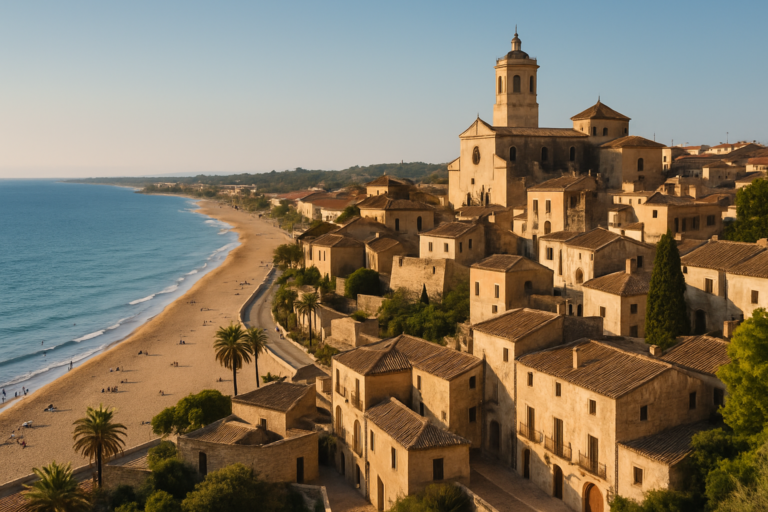
Expect a city of layered stones rather than glossy beachfront resorts. Tarragona’s appeal is archaeological and maritime: you come for Roman ruins stitched into a compact medieval core, for honest seafood by the port, and for short stretches of sand that sit cheek by jowl with ancient walls. If you arrive seeking postcard-perfect beaches or a big-city skyline, be prepared to recalibrate. But if you want a walkable place where amphitheatre tiers spill down to a city beach and a Roman aqueduct stands in a quiet park, this delivers in a way few Catalan towns do.
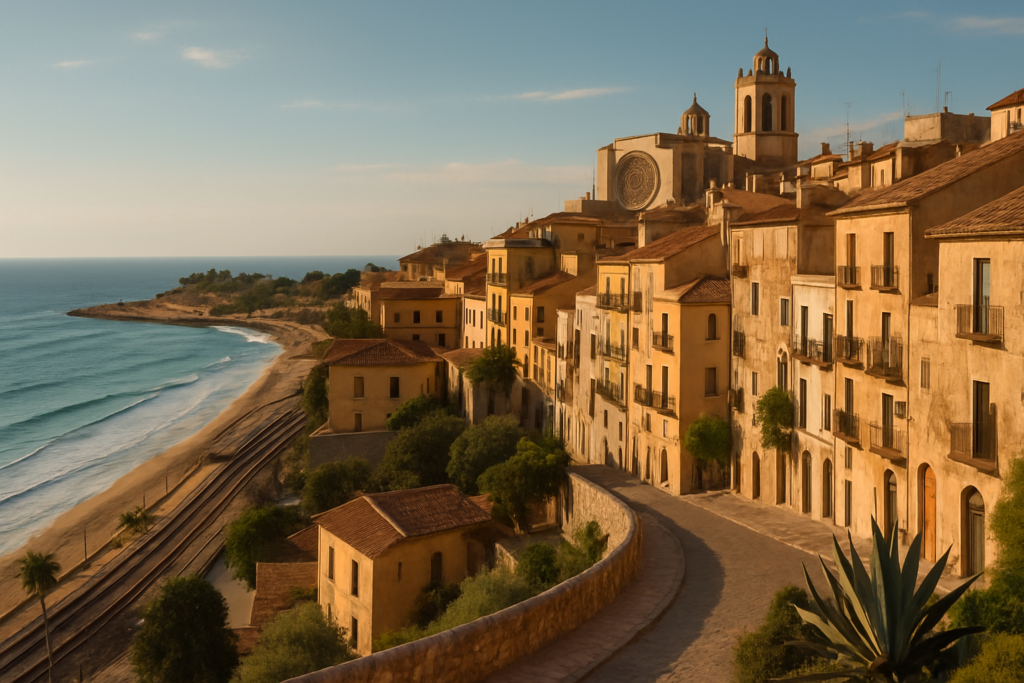
Tarragona at a glance
- UNESCO-listed Roman ruins concentrated around the old town and seafront, including a 2nd‑century amphitheatre.
- Historic fishing quarter El Serrallo, known for seafood restaurants serving the day’s local catch.
- Rambla Nova — the main tree‑lined promenade ending at the Balcó del Mediterrani viewpoint.
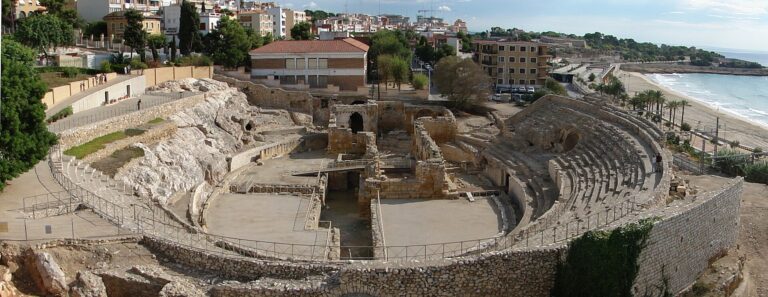
- Platja del Miracle is the city’s main beach, directly below the Roman amphitheatre and within walking distance of the centre.
- Good rail and road links: regional trains from Barcelona every 30 minutes; on the AP‑7 motorway; Camp de Tarragona high‑speed station 9 km north.
- Two nearby airports: Reus Airport (~9 km) and Barcelona El Prat (~90 km).
- Annual Roman re‑enactment festival Tarraco Viva takes place in May.
Before you plan
This guide only lists venues and routes that are currently open or extant in the verified sources. No attractions listed here are presented as open if they are closed in the sources; check local sites for temporary exhibition closures, seasonal hours and the exact festival programme for Tarraco Viva in May.
Things to do in Tarragona
The city is compact: you can string together Roman monuments, views and a seaside lunch into a single rich day, or stretch the same itinerary over two. Archaeology dominates the itinerary—an amphitheatre, a museum, city walls and an aqueduct are all within easy reach—while the port neighbourhood and Rambla Nova provide relaxed urban contrast.
| Attraction | What it is | Price/entry | Best for |
|---|---|---|---|
| Roman Amphitheatre | 2nd‑century seaside arena, part of the Archaeological Ensemble of Tàrraco (UNESCO) | – | History lovers, photos at sunset |
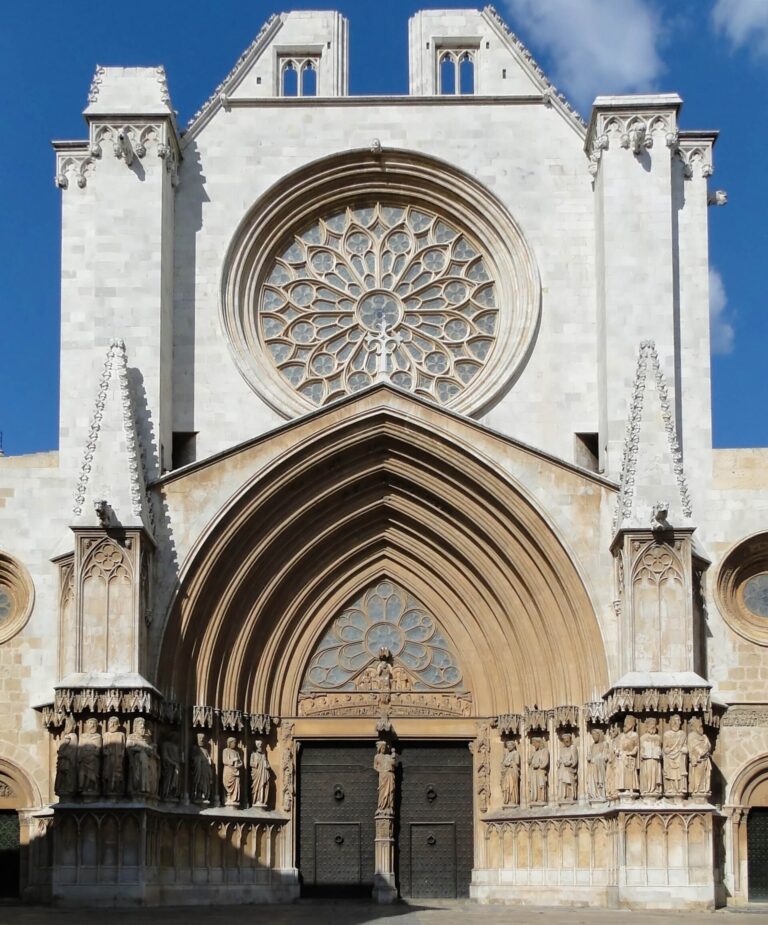
| Tarragona Cathedral | 12th–14th‑century Romanesque and Gothic cathedral sitting on the Part Alta hill | – | Architectural interest, quiet contemplation |
| El Serrallo | Historic fishing quarter beside the port, seafood restaurants | – | Seafood dining, a taste of local life |
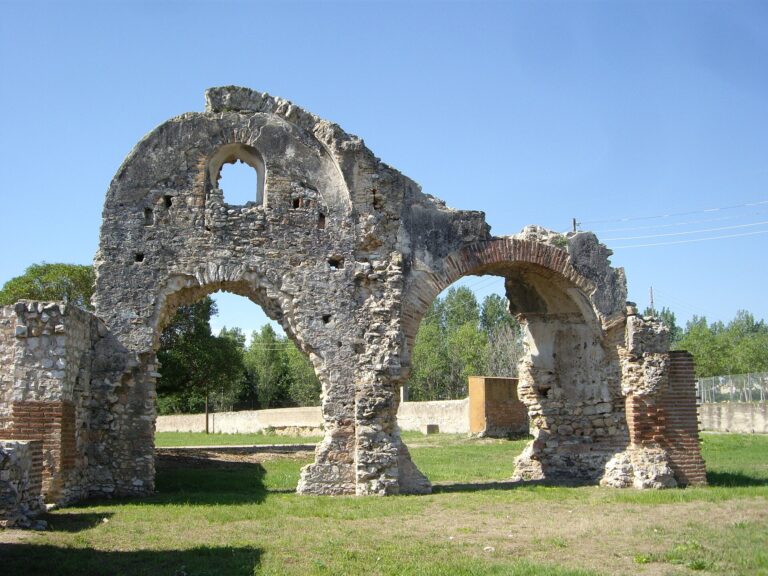
| Pont del Diable / Aqueducte de les Ferreres | Roman aqueduct set in a park about 4 km north of the centre; roughly 217 m long and 27 m high | – | Walks, Roman engineering enthusiasts |
| Passeig Arqueologic | Walkway following the Roman city walls dating from the 3rd–2nd century BC | – | Strolling the old quarter, panoramic viewpoints |
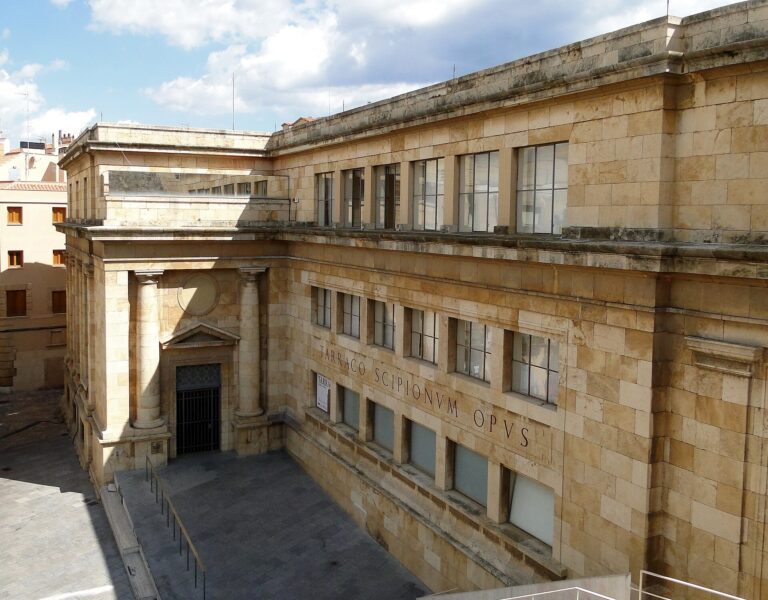
| Museu Nacional Arqueològic de Tarragona | Collections documenting the Roman colony of Tarraco | – | Families, history buffs |
Roman Rambles: the amphitheatre, walls and museum
The archaeological core is the defining cluster. The amphitheatre sits on a slope above the main city beach and is an immediate visual hook for many visitors: its position near the sea makes it a rare example of a Roman arena close to the water. Nearby, the Passeig Arqueologic lets you follow parts of the ancient city walls that date back to the Hellenistic‑Roman periods; the walkway traces the northern edge of the old quarter and gives a sense of how densely the ancient city was packed. The Museu Nacional Arqueològic complements the outdoor sites with finds and contextual displays dedicated to Tarraco’s role as a Roman colony.
Walks, promenades and viewpoints
Rambla Nova is the everyday spine of the modern city: a broad, tree‑lined promenade leading to the Balcó del Mediterrani, a clifftop viewpoint that looks out over the sea and the beaches. The route is an easy way to orient yourself between the old town, the seafront and the more modern centre and it’s where locals meet for a stroll.
Seafood and seafaring life in El Serrallo
At the eastern edge of the port, El Serrallo is the historic fishing quarter. Its cluster of seafood restaurants serves local catch and provides a more authentic dining alternative to the tourist menus near the amphitheatre. If you want a meal that reads of place—fresh fish and a harbour atmosphere—this is the neighbourhood to prioritise.
Best beaches in the area
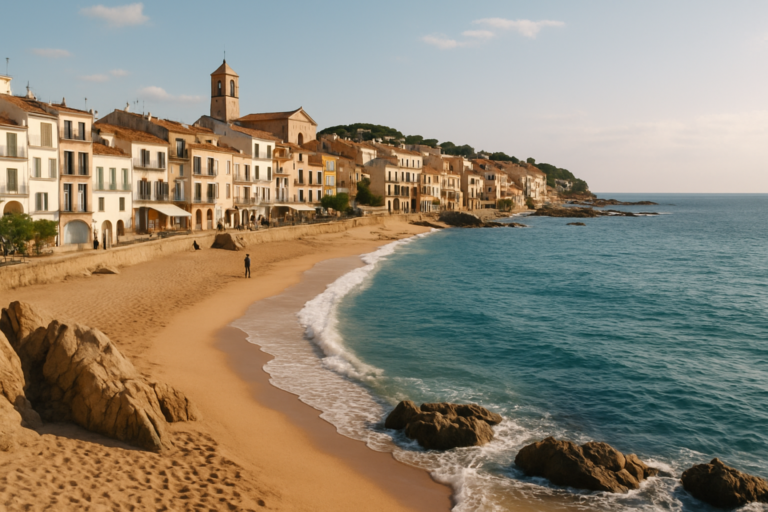
If you expect long sweeps of golden sand with large resort infrastructure, that’s not the town’s strong suit. The seaside here is compact and urban rather than resort-scale, which many visitors view as a positive: a beach that you can pop down to between a museum visit and a cathedral tour.
Platja del Miracle is the main city beach: it sits directly below the Roman amphitheatre and the old town, within easy walking distance of the centre. The beach is convenient for combining a warm-weather dip with sightseeing; services and lifeguards vary seasonally, so check local notices if you’re visiting out of high season.
Tarragona with kids
Families will find the mixture of outdoor ruins and short, walkable streets convenient. Children often respond well to the amphitheatre—its scale and proximity to the sea make it easy to visualise—and the museum has artefacts that can anchor a storyline about Roman life. The compact nature of the city means short transfers between sights, which reduces stress with small children. For a different kind of child-centred day, the nearby resort of Salou and PortAventura World are in the same coastal corridor (the area is noted as being near those attractions), but check opening and travel arrangements before planning a switch to a theme‑park day.
How to get to the city and get around
Transport links are a strong practical advantage: road, rail and short flights make arrivals straightforward. Once in the central area, most major sights are walkable; the Part Alta old town and seafront are compact and designed for exploration on foot.
| From | By | Approx distance/notes |
|---|---|---|
| Barcelona | Regional train | Regional trains from Barcelona Estació de França run every 30 minutes |
| Barcelona | Coach | Alsa buses from Barcelona to Tarragona run five times a day |
| Camp de Tarragona (AVE) | Car or local transfer | Station is about 9 km north of the town centre |
| Reus Airport | Car or transfer | Located about 9 km northwest of the city |
| Barcelona El Prat Airport | Car or onward rail | Approximately 90 km northeast of the city |
Where to stay in Tarragona
Accommodation choices are small‑scale compared with the big Mediterranean resorts, but they’re well placed for walking the city.
- Part Alta (the old town): Best for historic atmosphere, cathedral proximity and evening cobbled‑street walks.
- Rambla Nova / Central promenade: Good if you want easy access to shops, cafes and the Balcó del Mediterrani viewpoint.
- Seafront / Platja del Miracle: Choose this area to be closest to the beach and to the amphitheatre below.
- El Serrallo: Ideal for seafood lovers who want to be near the port and eat where fishermen bring in the catch.
Best time to visit
Tarraco Viva, the city’s Roman re‑enactment festival, takes place in May and is a major draw for visitors interested in classical history. Summer months are naturally busiest because the seafront and beach see the most use, while spring—especially May for the festival—combines milder weather with cultural programming. If your priority is archaeological sightseeing without the heaviest crowds, aim for spring or early autumn periods, and consult event listings if you want to attend Tarraco Viva.
| Season | Months / notes | What to expect |
|---|---|---|
| Spring | May highlighted | Tarraco Viva historical festival in May; pleasant conditions for walking and ruins visits |
| Summer | High season | Busier on the seafront and beach; best time for combining sun and sea with city sightseeing |
| Autumn / Winter | Shoulder and low season | Fewer crowds at sites and promenades; off‑peak services may be reduced |
History of the town
The site of the modern city was developed by the Romans near an earlier Iberian settlement and became the colony of Tarraco—a centre significant enough to serve as the capital of the Roman provinces Hispania Citerior and later Hispania Tarraconensis. The city’s Roman legacy is visible in the surviving monuments and in its designation as a UNESCO World Heritage archaeological ensemble. Over centuries Tarragona continued as an important port and administrative centre; its medieval cathedral (built on the site of a Roman temple) and an ancient Jewish community — one of the most ancient in Spain — bear witness to the city’s layered past. Today the port remains economically important and functions as a major export hub, notably for the car industry, while the university and cultural institutions anchor modern civic life.
Practical info
- Parking: Central areas are compact and streets in the old town are narrow; plan for limited street parking and prefer dedicated car parks outside the Part Alta when driving in.
- Costs: The city combines low‑impact tourist attractions (many outdoor monuments) with restaurants in the port that range from everyday to mid‑range; check menus in El Serrallo for seafood options.
- Accessibility: The historic core includes steep streets and ancient ramps; some ruins and viewpoints involve steps. The promenade and the main seafront are more accessible for strollers and wheelchairs than the upper old town.
- Connectivity: The town is on the AP‑7 coastal motorway, with good road links to Barcelona and Valencia. Regional rail and coach services connect the city to Barcelona; high‑speed rail calls at Camp de Tarragona station, 9 km north.
Worth it for: anyone who wants a compact city where major Roman monuments sit within easy walking distance of a working port and a small seafront. Also recommended for seafood diners who prefer neighbourhood restaurants to tourist strips. Less so if: you want large resort beaches with full‑scale tourist infrastructure or a major metropolis vibe—this is archaeological charm and local harbour life, not a big‑beach resort.
How we assess this guide
We compiled this guide from verified sources covering the city’s Roman monuments, transport links and cultural calendar. We cross‑checked archaeological site identities, festival timing and transport notes; we flag closures and temporary changes where verified. This article is not based on single‑visit reporting but on compilation and verification of authoritative claims to give a clear, disappointment‑first overview for planning your trip.
Frequently asked questions
How do I get from Barcelona to the city?
Regional trains depart from Barcelona Estació de França and serve the city about every 30 minutes; there are also Alsa coaches running from Barcelona to the destination five times a day. Choose the train for frequency and convenience; coaches are an alternative if train schedules or fares suit your plan better.
Is it easy to reach by air?
Two airports are nearby: Reus Airport lies approximately 9 km to the northwest, and Barcelona El Prat Airport is around 90 km to the northeast. High‑speed rail reaches Camp de Tarragona station, which is roughly 9 km north of the centre, so a mix of air and onward rail or road transfers is common.
Which beach is best for a short visit?
Platja del Miracle is the main city beach and is uniquely sited directly below the Roman amphitheatre and old town, making it the most convenient choice for combining a quick swim with sightseeing.
How many days should I stay?
If your priority is the archaeological ensemble and a relaxed meal in El Serrallo, a full day will cover the principal attractions at a leisurely pace. Two days let you spread museum time, walks along Rambla Nova and a seaside stop without rushing.
Is the city good for families?
Yes. The compact layout, the amphitheatre’s visual appeal and the museum displays make it family‑friendly. Short distances between sights reduce transit time with children, and the seafront provides an easy way to decompress after a day of history.
Can I get around without a car?
Absolutely. The central attractions are walkable from each other. Regional trains and buses connect from Barcelona and other regional nodes, and local transfers from Camp de Tarragona or the airports are manageable by taxi or shuttle.
Is there parking near the old town?
On‑street parking in the Part Alta is limited and streets are narrow; use municipal car parks at the edge of the historic core or park outside and walk in to avoid narrow lanes and congestion.
What are rainy‑day options?
The Museu Nacional Arqueològic provides indoor context for the city’s Roman past, and the cathedral—built between the 12th and 14th centuries on the site of a former Roman temple—offers an architectural refuge. Cafes along Rambla Nova and restaurants in El Serrallo are indoor options for a wet day.
When is Tarraco Viva held and what is it?
Tarraco Viva takes place in May and is a Roman historical re‑enactment festival that stages gladiator shows, workshops and guided tours celebrating the city’s classical heritage. It’s useful planning information if you want to coincide a visit with live‑history programming.
Are the Roman sites UNESCO‑listed?
Yes. The Roman ruins of Tarraco, including the amphitheatre and associated sites, form part of the Archaeological Complex of Tàrraco, a UNESCO World Heritage Site.
Is the fishing quarter worth visiting for dinner?
El Serrallo is the city’s historic fishing quarter and is known for seafood restaurants serving the day’s local catch; it’s the go‑to area for a meal that reflects the harbour’s working character.
Is the Pont del Diable far from the centre?
The Aqueducte de les Ferreres, also called Pont del Diable, is about 4 km north of the city centre. It stands in a park and is notable for being roughly 217 m long and 27 m high—an accessible example of Roman engineering outside the dense urban cluster.
How does Tarragona connect to major roads?
The city lies on the AP‑7 coastal motorway, which links it with Barcelona to the northeast and Valencia to the southwest, making road travel straightforward along the Costa Daurada corridor.
Are there higher‑education institutions in town?
Yes. Rovira i Virgili University is located in the city, contributing to a student presence and some off‑season cultural activity.
Is the port still commercially important?
Yes. The port is one of Spain’s largest and functions as an export hub, notably for the car industry, so you will see significant commercial activity alongside the historic harbour areas.
Plan the wider trip
- Costa Dorada guide
- Vila-seca: La Pineda Beach and PortAventura
- Amposta: Gateway to the Ebro Delta
- Cambrils
- Cunit
- Deltebre: Ebro Delta town of rice fields and birdlife
Nearby on the Costa Dorada
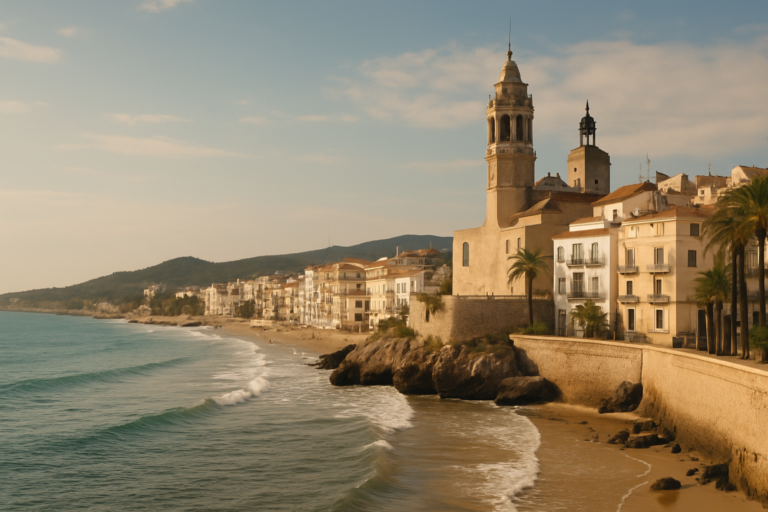
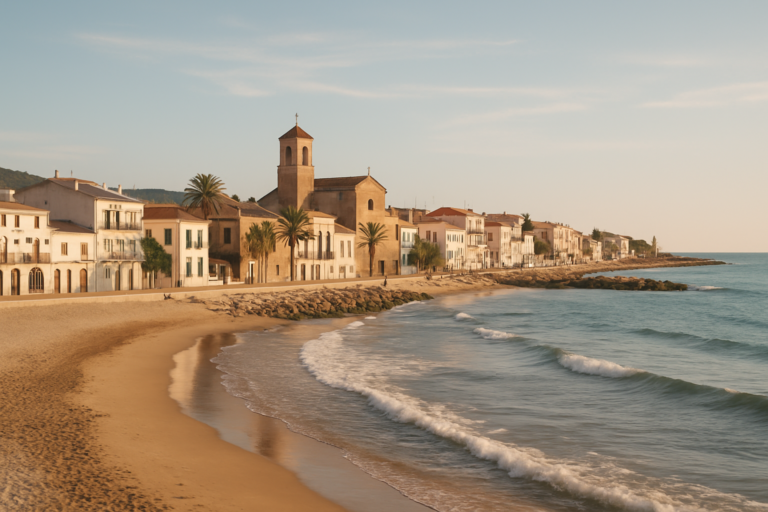
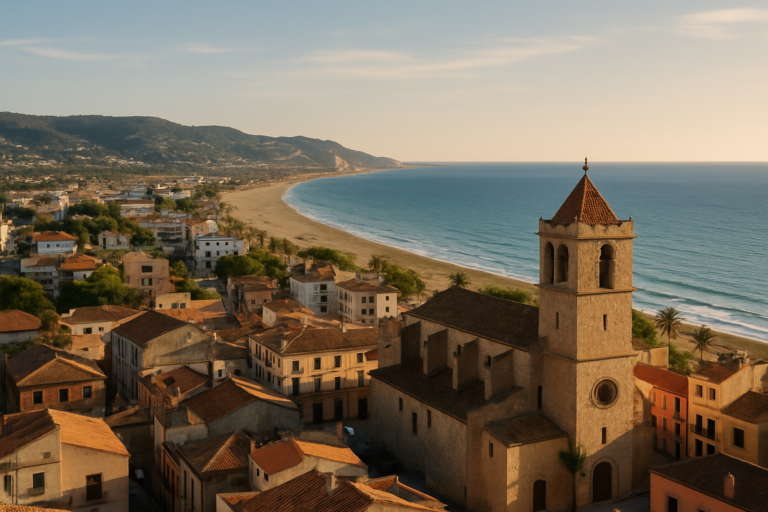
Tarragona on the map
Places worth knowing near Tarragona
How this page is maintained. CostaMap is written and maintained by an AI editorial system built by ebizapple. Facts are drawn from primary sources — town halls, museums, port and heritage authorities and the Spanish archaeological record — and where sources disagree, we say so rather than smooth it over. Photographs marked as ours are taken on location. This page was last reviewed on 15 August 2026. Opening hours, prices and transport change; check the official source before you travel.