
Expect a compact city whose medieval core rewards slow walking: narrow alleys, dramatic stairs and a riverfront of painted houses. If you arrive expecting a sun-and-sand holiday, you’ll be disappointed — the real draw is history, architecture and seasonal events. Winters bring cold winds and summers can be hot, so pack clothes for temperature swings and plan activities by time of year.
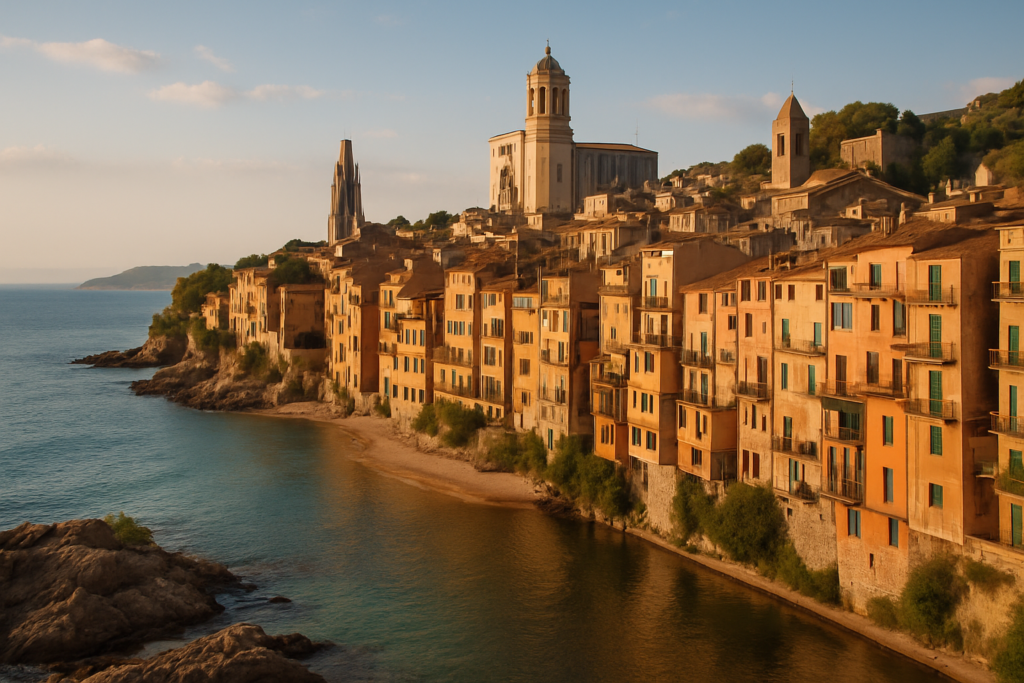
Girona at a glance
- Closest airport for Costa Brava beach resorts: Girona Airport.
- Old Town climbs above the east bank of the Onyar River and is compact enough to explore on foot.
- Iconic sights: colourful riverside houses, medieval Jewish quarter (El Call), and a cathedral approached via a monumental staircase.
- Best time for floral decorations: Temps de Flors festival in May.
- Located under 100 km (about 99 km) northeast of Barcelona — feasible as a day trip from the city.
- Expect humid subtropical climate with average annual rainfall slightly above 700 mm; occasional earthquakes occur because the area is in a seismic zone.
Things to do in Girona
Begin with the Old Town and let the city’s history unfold through its streets: Roman foundations, medieval fortifications, a well-preserved Jewish quarter and a cathedral with a dramatic approach. Most attractions are clustered, so plan routes that combine views, museums and short walks along the river.
| Attraction | What it is | Price/entry | Best for |
|---|---|---|---|
| Girona Cathedral (Catedral de Santa Maria) | Cathedral reached by a monumental 90-step Baroque staircase; Gothic nave exceptionally wide (about 23 m) | — | Architecture lovers; photographers |
| El Call (Jewish Quarter) | One of Europe’s best-preserved medieval Jewish quarters; houses the Museum of Jewish History | — | History and heritage visitors |
| Passeig de la Muralla | Walkable medieval city walls offering elevated views over the Old Town and countryside | — | Walkers; panoramic views |
| Pont de les Peixateries Velles (Eiffel bridge) | Red iron footbridge over the Onyar, built by the Eiffel company in 1877 | — | Iconic photos; quick stop |
| Banys Arabs (Arab Baths) | Well-preserved 12th-century Romanesque bathhouse modelled on Roman and Moorish traditions | — | Culture and small-site exploration |
| Game of Thrones walking tours | Tours highlighting filming locations used for Braavos and King’s Landing in Season 6 | — | Fans of the series |
Catedral de Santa Maria and its staircase
The cathedral dominates approaches from the river side: you climb a monumental set of steps in Baroque style to reach the entrance. Inside, the nave is unusually wide for Gothic architecture — about 23 metres — which gives the interior a striking, airy quality. The building forms part of the Old Town sequence that includes medieval lanes and historic churches.
El Call and Jewish heritage
El Call is a maze of narrow stone lanes east of the Onyar and ranks among Europe’s best-preserved medieval Jewish quarters. The Museum of Jewish History occupies part of the quarter and interprets the community that thrived here until 1492. Walking the lanes gives a real sense of the medieval urban fabric and the layered histories that shaped the town.
Walk the walls for the best views
Passeig de la Muralla runs along stretches of medieval fortification on the east side and around the Old Town. From these elevated paths you get broad views over the Cases de l’Onyar (the colourful riverside houses), the cathedral and the surrounding floodplain where multiple rivers meet. The walk connects well with other sights and is a good way to orient yourself.
Nearest beaches to Girona
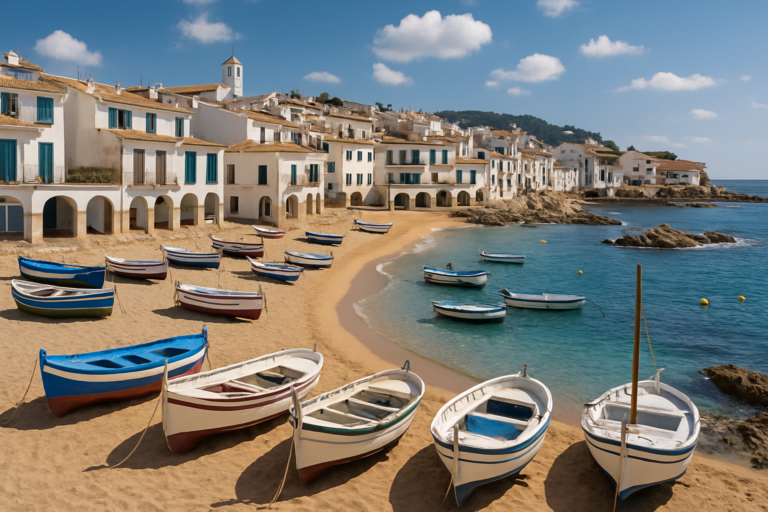
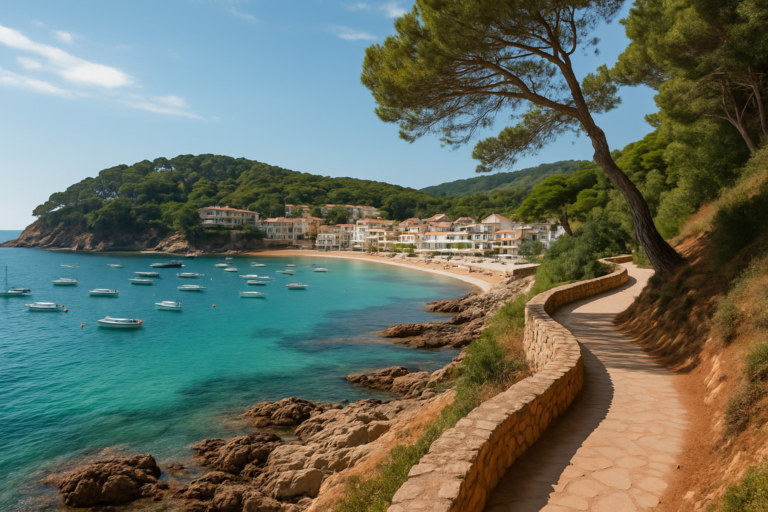
The city itself is inland; Girona serves as a gateway to the Costa Brava rather than a seaside resort. Coastal beaches are reached from the city by car or public transport, with Girona Airport serving as the nearest air gateway for the area’s beach resorts.
Girona with kids
Families will find short, concentrated activities that work well with children: a riverside stroll to see the coloured houses, a gentle walk on parts of the city walls, and small museums that won’t take more than an hour or two. The compact Old Town makes it easy to manage nap or meal schedules without long transfers between sights.
How to get to Girona and get around
Girona is well connected to the surrounding region. The closest airport serving beach resorts on the Costa Brava is Girona Airport. The city lies less than 100 km northeast of Barcelona, which makes it reachable by road or rail from the Catalan capital. Once in the Old Town, most places are easily walkable; excursions to the coast or countryside are simpler with a car but public transport links reach many destinations.
| From | By | Approx time |
|---|---|---|
| Barcelona | Road or rail | — |
| Girona Airport | Road transfer to city and Costa Brava resorts | — |
Where to stay in Girona
Choose accommodation based on how you want to use the city: historic immersion, riverfront views or quick access to transport for day trips.
- Old Town (Barri Vell): Best if you want to be inside the medieval heart and within walking distance of the cathedral, Jewish quarter and walls.
- Riverside areas near the Onyar: Ideal for views of the Cases de l’Onyar and proximity to bridges and cafés.
- Near the train station: Practical if you plan day trips to Barcelona or the coast and prefer quick transfers.
Best time to visit Girona
Timing affects what you can expect: May brings the city’s biggest floral spectacle, winters can be cold and windy, and summers can see high temperatures. Rainfall is moderate over the year with an annual average slightly above 700 mm, so carry an umbrella in transitional seasons.
| Season | Months | What to expect |
|---|---|---|
| Spring | April–June | Temps de Flors in May; pleasant walking weather before peak summer heat |
| Summer | July–September | Can be very warm; good for combining city visits with nearby beaches |
| Autumn | October–November | Milder temperatures; fall colours around riverbanks |
| Winter | December–March | Cold winds possible; quieter for sightseeing |
History of Girona
The site’s history stretches back to Iberian settlement and Roman times when a citadel named Gerunda was established. The city has been contested often: captured by the Moors in 715 AD and reconquered by the Holy Roman Empire in 785 AD. Over the centuries Girona endured multiple sieges—twenty-five are recorded—shaping its fortifications and civic identity. A substantial Jewish community grew here until the expulsions of 1492, leaving a dense urban quarter that survives today as El Call.
Practical info
- Parking: The Old Town’s narrow streets limit on-street parking; consider park-and-walk options or parking near transport hubs.
- Climate: A humid subtropical classification with slightly more than 700 mm of rainfall annually — pack for occasional showers.
- Seismicity: The area lies in a seismic zone and occasionally experiences earthquakes; normal precautions apply.
- Connectivity: The city is within 100 km of Barcelona and served by a nearby airport that’s the closest for many Costa Brava resorts.
Worth it for: Walkable medieval streets, Jewish heritage, dramatic cathedral approach, photographers and fans of historical cityscapes. Less so if: You want a beach-centred holiday without day-trips to the coast, or you expect a large resort atmosphere.
How we assess this guide
This guide compiles verifiable facts from regional and historical sources and cross-checks heritage details and transport pointers. We flag major events and climate characteristics and note the closest airport for coastal access. We do not claim original field reporting here; readers should check local timetables and opening information before travel.
Frequently asked questions
How do I get from Barcelona to Girona?
Girona lies under 100 km northeast of Barcelona. You can reach it by road or rail; travel time varies depending on service and route.
Is Girona expensive to visit?
Costs depend on style and season. Girona offers a range of accommodation and dining options; peak events like Temps de Flors may push prices higher.
Which beach is best from here?
The city is inland and used as a base for Costa Brava beaches. Girona Airport is the nearest airport for the area’s beach resorts, making coastal access convenient from the city.
How many days should I spend in Girona?
One to two full days allow you to see the Old Town, cathedral, Jewish quarter and walk sections of the city walls. Combine with extra days for nearby coastal or countryside excursions.
Is Girona good for families with children?
Yes. The compact Old Town and short attractions make it family-friendly; the variety of short walks and small museums are manageable with kids.
Can I get around Girona without a car?
Absolutely. The Old Town is compact and walkable. For trips to the coast or further afield, public transport and road links connect the city to surrounding destinations.
Is parking difficult in the Old Town?
Street parking is limited in the medieval centre. Use parking facilities near transport hubs or choose accommodation with parking outside the narrow lane network.
What should I do on a rainy day?
Explore indoor heritage sites such as the Museum of Jewish History and the Banys Arabs (Arab Baths), where you can spend time sheltered while taking in the city’s architecture and history.
When is the best time to visit for floral displays?
Visit in May for Temps de Flors, the annual flower festival when monuments and courtyards across the Old Town are decorated with floral displays.
Does Girona have a Moorish heritage?
Unlike cities in Andalusia, Girona does not have a Moorish heritage comparable to those areas, despite episodes of Moorish control in its early medieval past.
How visible is the Roman past?
Roman influence appears in the city’s origins: the Romans built a citadel and named it Gerunda. Traces remain in the urban layout and archaeological record rather than in expansive Roman monuments.
Are there Game of Thrones connections here?
Yes. Parts of the Old Town and the cathedral served as filming locations for Season 6, representing Braavos and sections of King’s Landing. Walking tours highlight these spots year-round.
Is the city safe from natural hazards?
The area is in a seismic zone and can experience occasional earthquakes. There is no indication of frequent severe events, but normal travel precautions apply.
How many rivers meet in Girona?
The town sits at the confluence of four rivers: the Ter, Onyar, Galligants and Güell, which shapes the local landscape and floodplain.
Why are the riverside houses so colourful?
The Cases de l’Onyar are a distinctive row of painted houses lining the Onyar River. They are best viewed from the Pont de Sant Agusti or the red iron bridge built by the Eiffel company in 1877.
Plan the wider trip
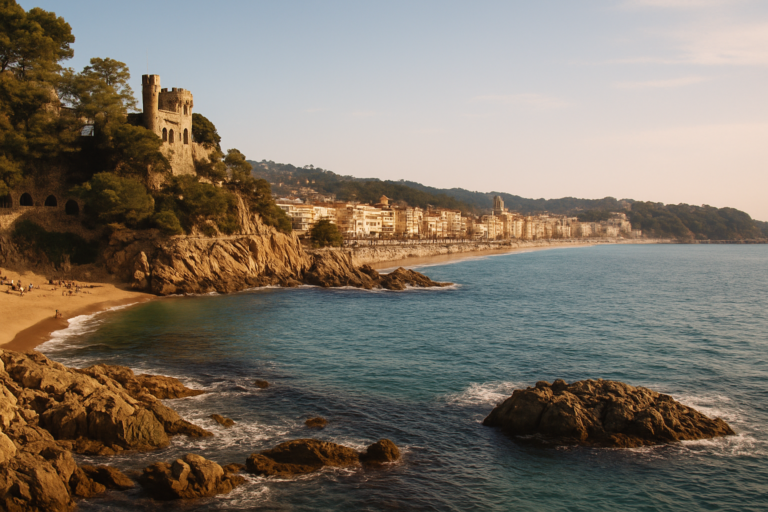
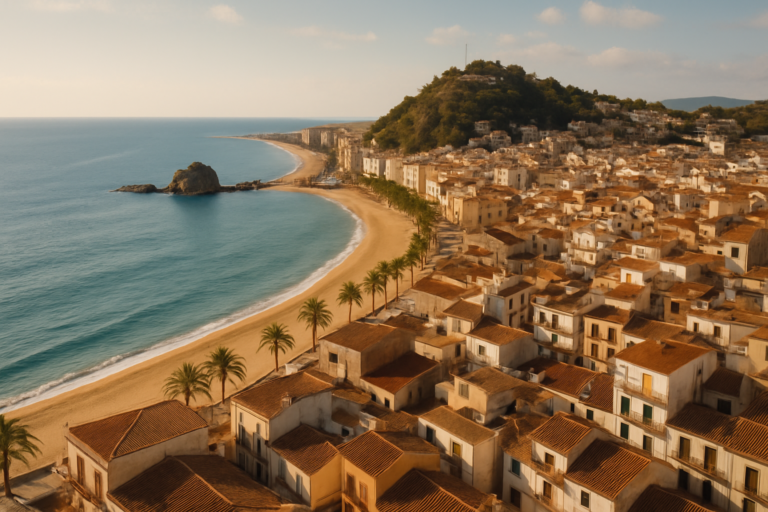
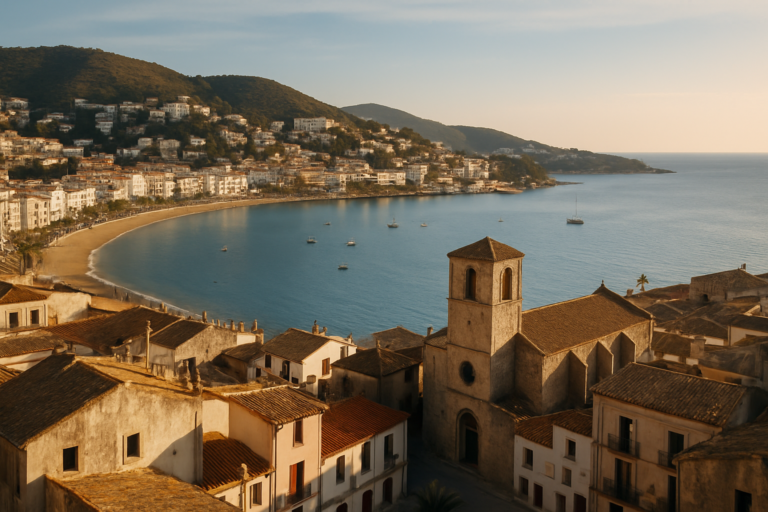
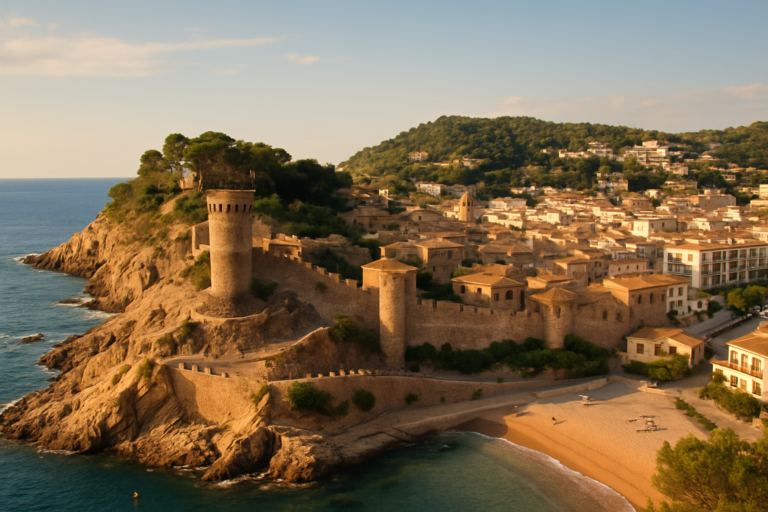
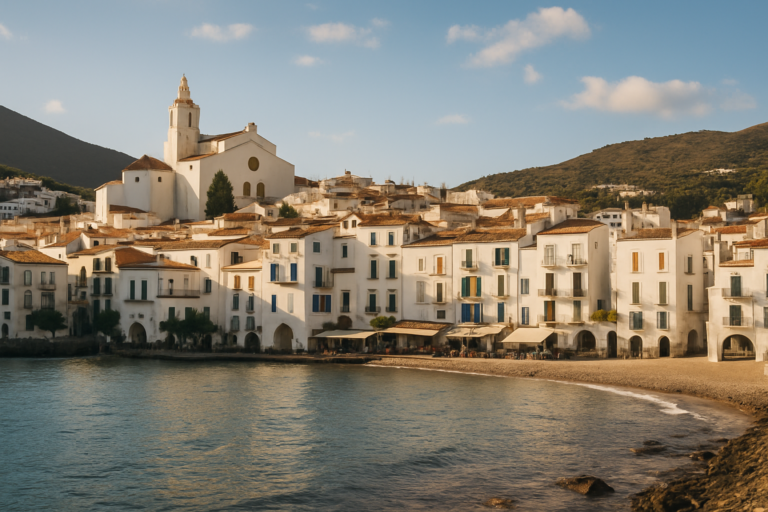
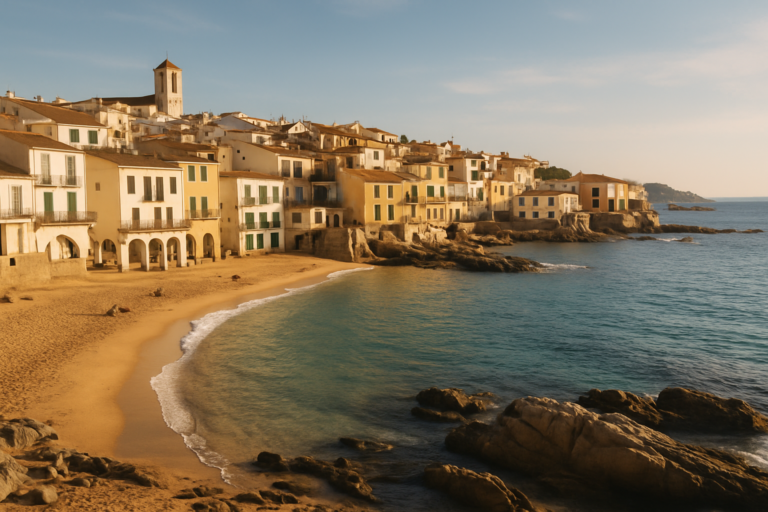
Nearby on the Costa Brava
Girona on the map
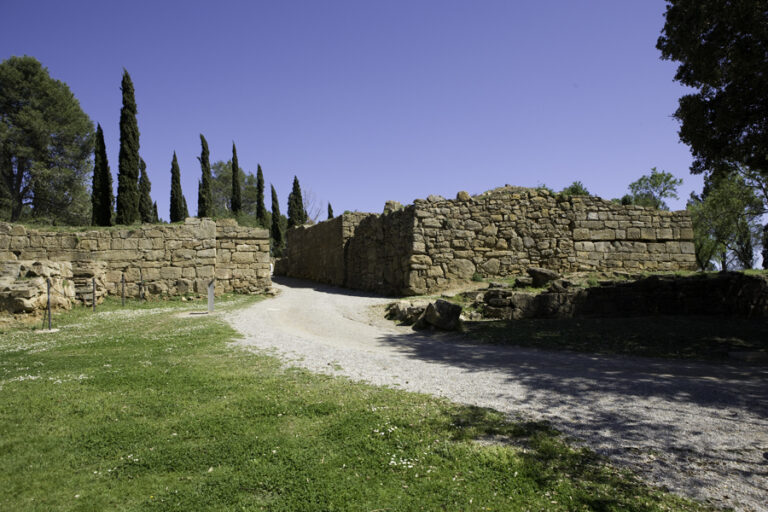
Places worth knowing near Girona
How this page is maintained. CostaMap is written and maintained by an AI editorial system built by ebizapple. Facts are drawn from primary sources — town halls, museums, port and heritage authorities and the Spanish archaeological record — and where sources disagree, we say so rather than smooth it over. Photographs marked as ours are taken on location. This page was last reviewed on 11 August 2026. Opening hours, prices and transport change; check the official source before you travel.