
Expect a working Catalan port town whose strengths are local life, festivals and museums rather than glossy resort polish. You’ll find broad palm‑lined promenades and long beaches, a serious railway museum, lively seasonal celebrations (notably Carnival and the Xató festival) and a collection of 19th‑century buildings left from a Romantic‑era boom. This guide tells you what to prioritise, what’s overrated and how to avoid disappointment.
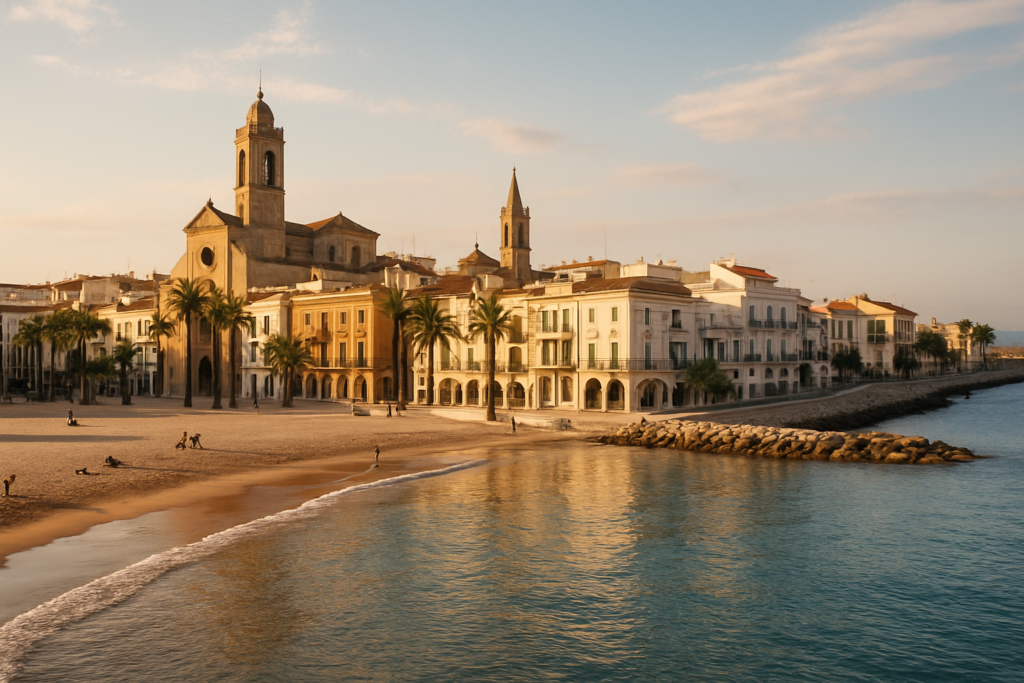
Vilanova i la Geltrú at a glance
- Coastal city on the Costa del Garraf, about 40–45 km southwest of Barcelona and served by regional Rodalies trains.
- Nearest major airport: Barcelona El Prat Airport (40 km away).
- Known for Carnival (famous for Les Comparses and its sweets battle) and the winter Xató festival celebrating the local salad.
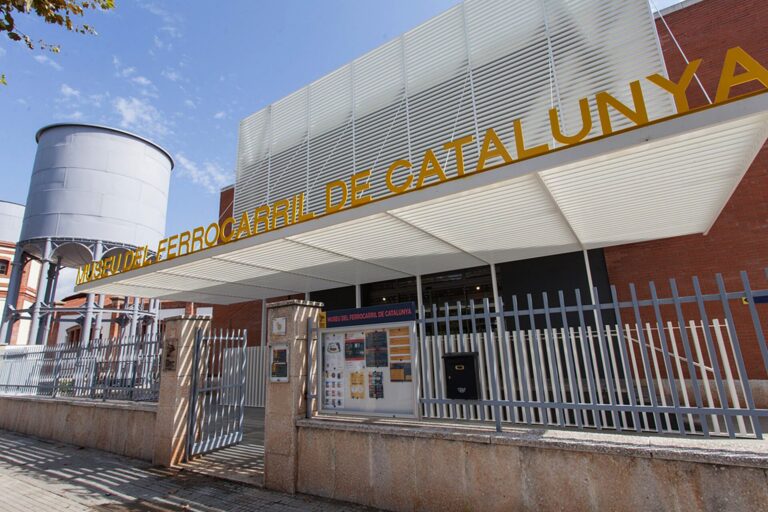
- Home to the Museu del Ferrocarril de Catalunya (important collection of steam locomotives) and the Biblioteca‑Museu Víctor Balaguer.
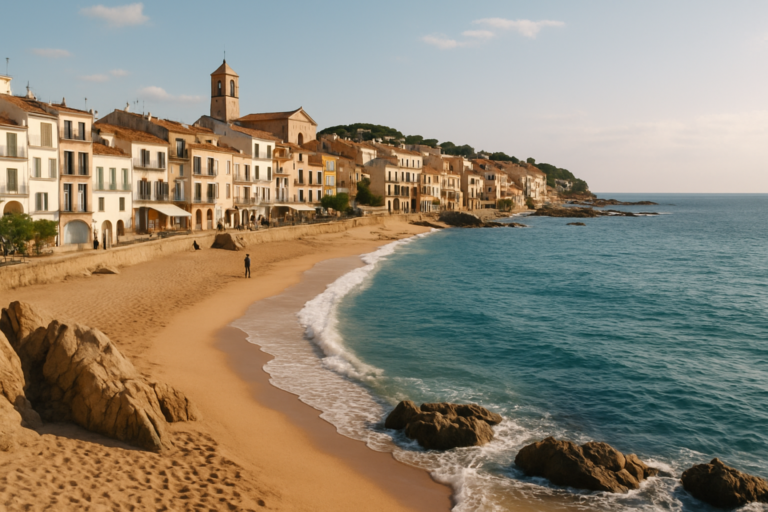
- Long seafront with urban beaches (Platja de Ribes Roges) and a small lighthouse, Far de Sant Cristofol, marking the harbour entrance.
- Economy mixes traditional fishing and agriculture with metal, textile and chemical industries.
- Population roughly 66,000 (2018).
Things to do in Vilanova i la Geltrú
Start with the handful of genuinely distinctive attractions and let the rest be relaxed seaside wandering. If you’re drawn to cultural festivals, plan dates around Carnival or the Xató celebration; if it’s museums you want, allocate time for both the railway collection and Víctor Balaguer’s eclectic holdings.
| Attraction | What it is | Price/entry | Best for |
|---|---|---|---|
| Museu del Ferrocarril de Catalunya | Railway museum on a former engine depot with a large collection of historic steam locomotives. | – | Railfans, industrial history |
| Biblioteca‑Museu Víctor Balaguer | 19th‑century art and antiquities museum with Egyptian and Roman collections donated by Víctor Balaguer. | – | Art and history lovers |
| Plaça de la Vila & Rambla Principal | Atmospheric town square and main tree‑lined avenue with shops and cafes leading to the sea. | – | Strolling, people‑watching |
| Platja de Ribes Roges | Main urban beach, backed by a palm‑lined promenade south of the port. | – | Beach days, families |
| Far de Sant Cristofol | Small lighthouse marking the harbour entrance and a seafront landmark. | – | Seafront walks, photos |
| Local festivals | Carnival (Les Comparses and the sweets battle) and the Festival of Xató celebrating the winter salad. | – | Festivals, food, local culture |
| GR 92 | Long‑distance coastal footpath with a staging point at the town. | – | Hikers, coastal walking |
Museu del Ferrocarril de Catalunya
One of the most important railway museums in Europe is based here, displayed on the footprint of a former engine depot. The collection includes a notably large set of historic steam engines, making the museum a real draw for enthusiasts rather than a token local display.
Biblioteca‑Museu Víctor Balaguer
Housed in a 19th‑century building, the museum reflects the collecting tastes of Víctor Balaguer and includes paintings alongside Roman and Egyptian antiquities. It’s a compact, cultured stop that gives depth to the town’s Romantic‑era self‑image.
Festivals and local food
Timing your visit to coincide with Carnival or the winter Festival of Xató turns the town into something livelier than it appears at first glance. The Carnival is notable across Catalonia for Les Comparses and a sweets battle in which tonnes of hard candy are thrown. Xató is a winter celebration centred on a local salad—expect traditional dishes and convivial seasonal events.
Best beaches in the area
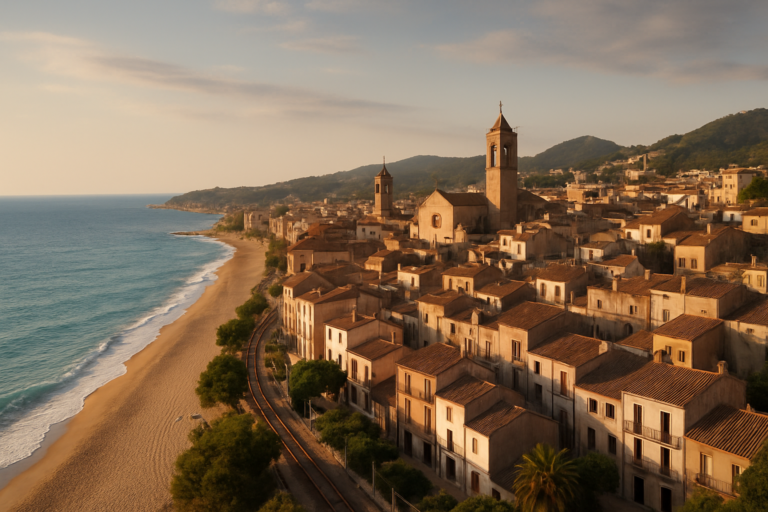
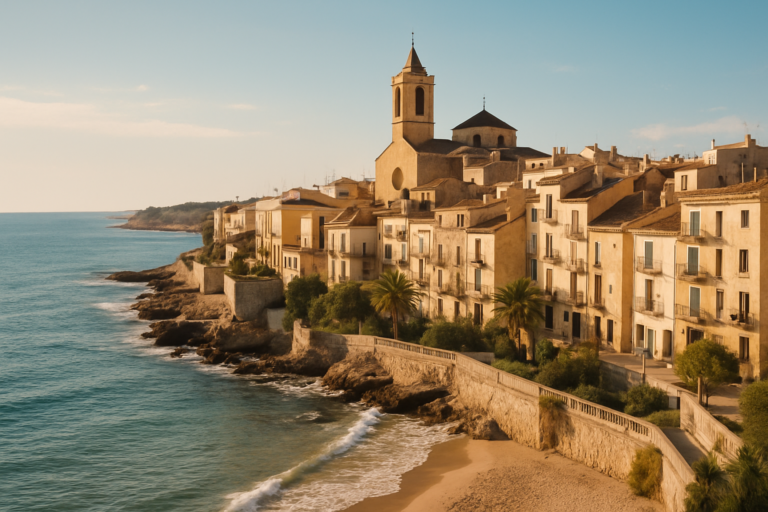
The seafront here blends working harbour edges with long urban sands. Don’t expect isolated coves; you’ll find broad promenades and family‑friendly stretches.
| Beach | Character | Facilities / Blue Flag |
|---|---|---|
| Platja de Ribes Roges | Main urban beach, backed by a palm‑lined promenade south of the port. | Promenade and seafront amenities (harbour nearby) |
Vilanova with kids
Families will appreciate the accessible beaches and open promenades. The railway museum is a standout child‑friendly attraction because of large, tangible exhibits such as steam locomotives that appeal to all ages. The seafront lighthouse and harbour walks are easy, short outings; festivals add theatrical moments children often remember.
How to get to Vilanova i la Geltrú and get around
Getting here is straightforward from Barcelona: regional Rodalies trains serve the town and link it to Tarragona, Tortosa, Reus and Lleida. The nearest major airport is Barcelona El Prat, about 40 km away. By road the town is served by the C‑32 (Pau Casals) highway. Once in town, the Rambla Principal and seafront are compact and walkable.
Where to stay in Vilanova i la Geltrú
Choose a base according to what you want out of the visit:
- Seafront / Port area — best if you want beach access and harbour restaurants with fresh local seafood.
- Rambla Principal / town centre — ideal for shops, cafes and easy walking to Plaça de la Vila and museums.
- Near the railway museum — practical for rail enthusiasts and quieter at night.
Best time to visit Vilanova i la Geltrú
The destination has distinct peaks: festival season makes winter and Carnival times culturally rich, while summer is obvious for beachgoing. Expect a working port town atmosphere year‑round rather than a resort‑only vibe.
| Season | Months | What to expect |
|---|---|---|
| Winter | Winter months | Xató festival and indoor cultural events; quieter streets |
| Spring / Autumn | Shoulder seasons | Milder weather, good for walking the GR 92 staging point |
| Summer | Summer months | Beach season and busiest time on the promenade |
History of the town
The settlement was officially founded in 1274 when King James I granted the Puebla Letter. It later gained wider trading rights—King Carlos III allowed the town to trade with America in the mid‑18th century—which helped boost prosperity. The 19th century brought Romantic‑period growth, leaving a legacy of opulent public and private buildings financed in part by figures such as textile magnate Josep Tomàs Ventosa Soler.
Practical info
- Transport links: regional Rodalies trains connect the town with Tarragona, Tortosa, Reus and Lleida; the C‑32 (Pau Casals) highway links the area by road.
- Port and seafood: the town has a working fishing fleet and a major fishing port—the third‑largest port in Catalonia—so harbour‑side restaurants are known for locally landed seafood.
- Local economy: industry includes metal, textile and chemical sectors alongside agriculture and fishing.
- Innovation hub: the Neapolis Public Innovation Agency for ICT and multimedia was established here in 2006, reflecting more recent economic diversification.
- Demographics and culture: the early 21st century saw waves of immigrants from North Africa, South America and Eastern Europe, contributing to the town’s contemporary cultural mix.
Worth it for: museum fans (rail and Víctor Balaguer), festival travellers (Carnival and Xató), families who want easy beaches and a lively promenade. Less so if: you expect a postcard Mediterranean resort with luxury beachfront developments and nightlife focused on tourists—this is more of a lived‑in Catalan city with working port rhythms.
How we assess this guide
This guide compiles cross‑checked facts from local cultural, transport and historical sources. We flag and avoid presenting venues as open or operational unless verified; we rely on established published claims rather than unverified reports or single‑source hearsay. This is not first‑hand field reporting but a synthesis of verified information to help you plan realistically.
Frequently asked questions
How do I get from Barcelona El Prat Airport to the town?
The nearest major airport is Barcelona El Prat, about 40 km away. From there you can reach the town by train or road connections; the town is served by regional Rodalies services and the C‑32 highway links it by car.
Is Vilanova i la Geltrú expensive?
Expect prices to reflect a Catalan coastal city rather than a low‑cost resort. The town’s economy combines industry and fishing; harbour restaurants are noted for fresh seafood, which can be a highlight rather than a bargain.
Which beach is best for families?
Platja de Ribes Roges is the main urban beach, with a palm‑lined promenade and easy access from the town—suitable for family days out and short walks along the seafront.
How many days should I spend here?
Two to three days covers the main museums, a seaside afternoon and a relaxed stroll along the Rambla and harbour. Add more time if you plan to attend festivals or use the town as a base for walking the GR 92.
Is the town good for families with children?
Yes. The railway museum is particularly child‑friendly because of its large, tangible exhibits. Beaches and promenades are easy for family outings.
Can I visit without a car?
Yes. Rodalies regional trains serve the town and the central areas are compact and walkable. The Rambla Principal connects the town centre to the seafront.
Is parking difficult?
Parking availability varies by area and season; the seafront and central promenades are popular in summer. For precise parking options consult local resources or your accommodation provider.
What are rainy‑day options?
Museums are the obvious indoor fallback: the Museu del Ferrocarril de Catalunya and the Biblioteca‑Museu Víctor Balaguer offer cultural cover when the weather turns.
When is Carnival and is it worth timing a trip for it?
The town hosts a major Carnival known across Catalonia—famous for Les Comparses and a sweets battle where tonnes of hard candy are thrown. If you enjoy theatrical processions and lively street spectacle, it’s a compelling reason to plan travel dates.
What is Xató?
Xató is a local winter celebration centred on a Catalan salad; the Festival of Xató highlights regional gastronomy and traditional food culture.
Are there long walks or hiking nearby?
Yes. The GR 92 long‑distance coastal footpath has a staging point at the town, so it’s a practical base for coastal walking sections.
Is the harbour active?
Yes. The town has a working fishing port and is a major fishing centre—the third‑largest port in Catalonia—so you’ll see commercial activity and can eat fresh local seafood at harbour restaurants.
Are there notable museums besides the railway museum?
Yes. The Biblioteca‑Museu Víctor Balaguer houses 19th‑century art plus Roman and Egyptian antiquities donated by Víctor Balaguer, offering a different cultural flavour to the railway displays.
How traditional are local festivals?
Very. The Festa Major is dedicated to the Virgin of the Snows and features traditional processions and dances; the Carnival includes long‑standing practices such as Les Comparses. These events are rooted in local culture rather than being purely tourist spectacles.
Is the coastline here the same as nearby Sitges?
They share the Costa del Garraf setting but the town has a stronger working port presence and a different character—Sitges is better known for certain tourist scenes, while here you’ll find more everyday port life and local festivals.
Plan the wider trip
- Sitges
- Castelldefels
- Barcelona
- Cubelles: Beach Town on the Garraf Coast
- Granollers: La Porxada, markets and the capital of the Vallès Oriental
- Igualada: Balloons and Leather Guide
Nearby on the Costa de Barcelona
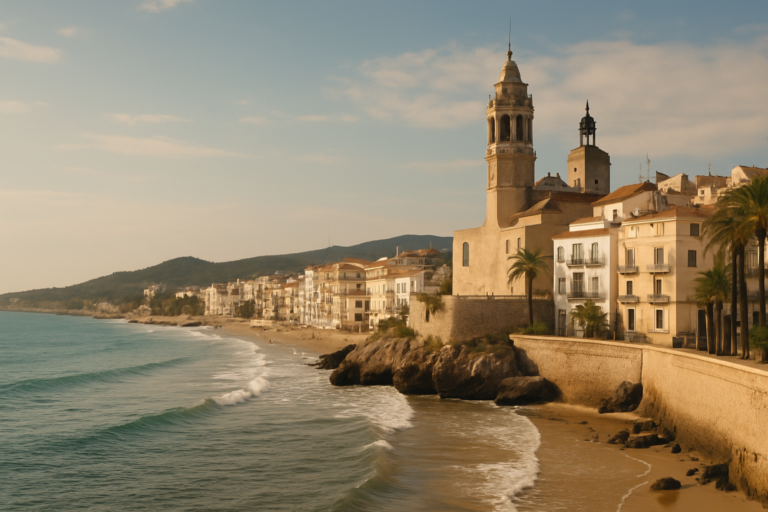
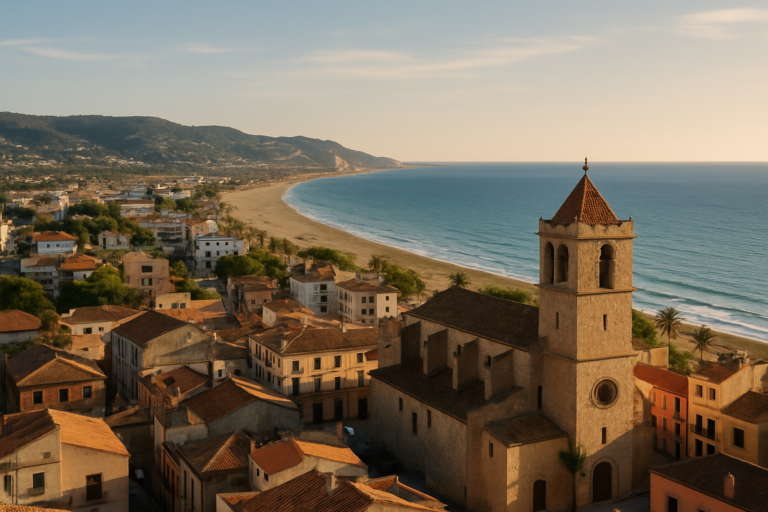
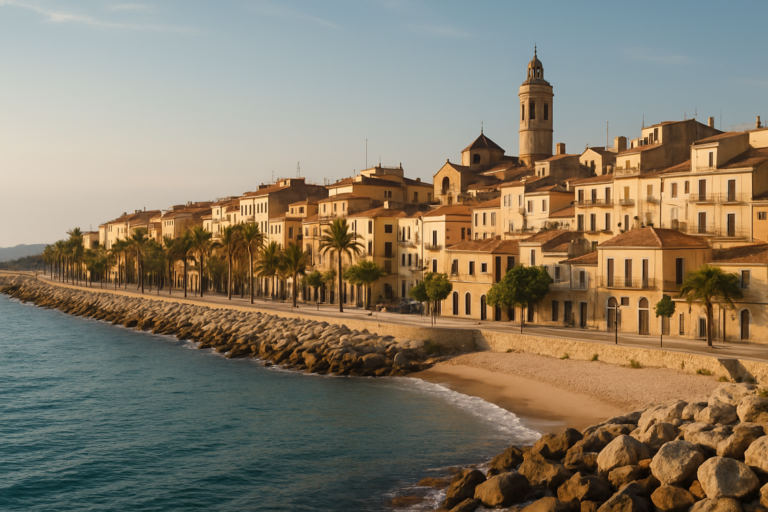
Vilanova I La Geltru on the map
Places worth knowing near Vilanova I La Geltru
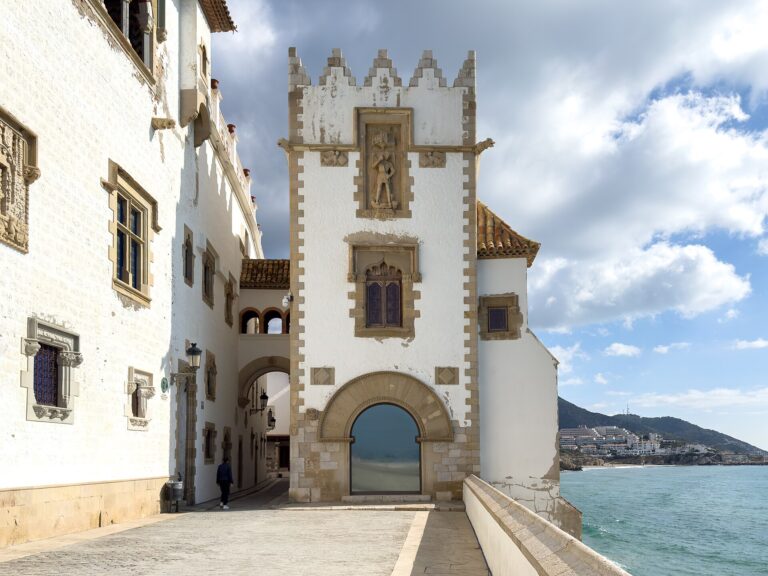
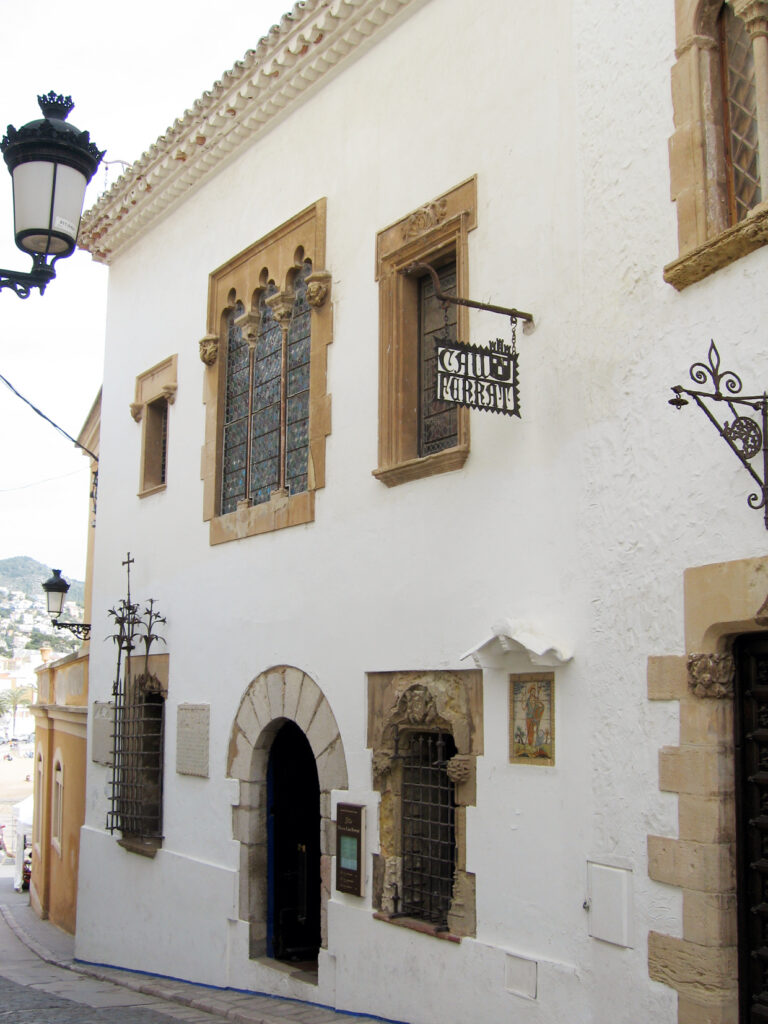

This place is part of our Costa Barcelona Guide: Maresme, Garraf, Sitges & Penedès — see every town, beach and cove we have mapped on that coast.
How this page is maintained. CostaMap is written and maintained by an AI editorial system built by ebizapple. Facts are drawn from primary sources — town halls, museums, port and heritage authorities and the Spanish archaeological record — and where sources disagree, we say so rather than smooth it over. Photographs marked as ours are taken on location. This page was last reviewed on 15 August 2026. Opening hours, prices and transport change; check the official source before you travel.