
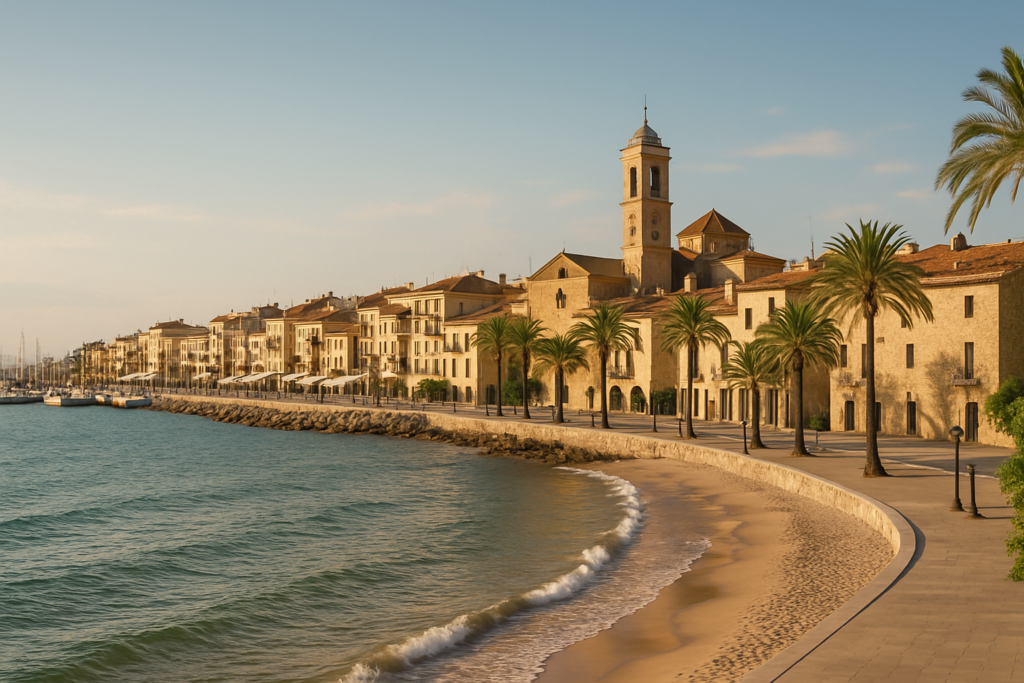
Expect a classic Catalan seaside town with a strong sense of place: an active fishing harbour, a summer promenade that links the port with family-friendly sands, and a compact old quarter tucked a little inland. Don’t come expecting a glossy, theme-park resort; do come for fresh seafood, calm beaches and easy cycling along the Costa Dorada.
Cambrils at a glance
- A traditional fishing port whose auction supplies many local restaurants.
- A long seafront promenade connects the harbour with the family beaches.
- Several Blue Flag beaches, including Platja del Regueral and Platja de la Llosa.
- A compact old town clustered around the Sant Pere church.
- Parc Sama, a 19th‑century colonial‑style garden estate, lies just inland.
- Close to the Roman heritage city of Tarragona and the resort of Salou/PortAventura World.
- Popular base for cycling and coastal walking along the Costa Dorada.
Things to do in Cambrils
There’s a simple itinerary pattern here: stroll the harbour and promenade, eat seafood, stretch your legs on nearby cycle- and walking routes, and carve out time for one inland attraction. The town’s compactness means you can see several highlights without long transfers.
| Attraction | What it is | Price/entry | Best for |
|---|---|---|---|
| Cambrils harbour | Active fishing port and marina with seafood restaurants | – | Evening strolls and dining |
| Seafront promenade | Long promenade linking the harbour to family beaches | – | Walking, scooters, sunset views |
| Parc Sama | 19th‑century colonial‑style garden estate inland | – | Gardens and quiet walks |
| Old town (Sant Pere church) | Historic centre set slightly inland around a parish church | – | Heritage strolls, local shops |
| Torre del Port | Old defensive tower at the harbour, now a maritime history museum | – | History and local maritime culture |
Harbour and promenade
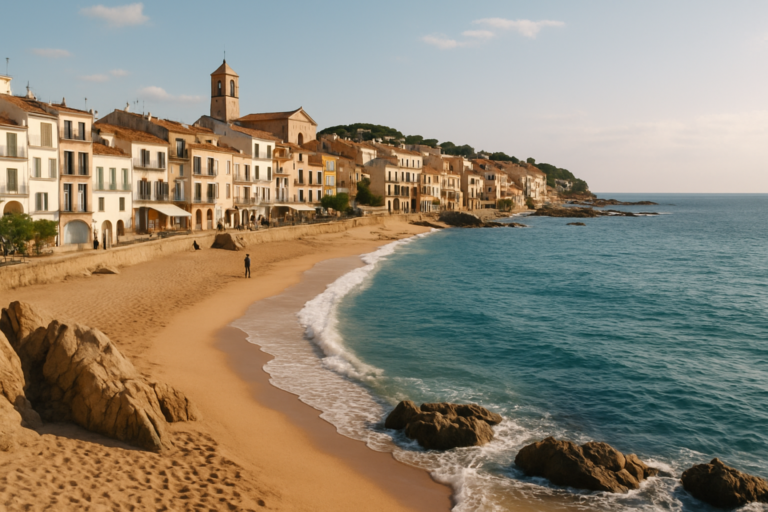
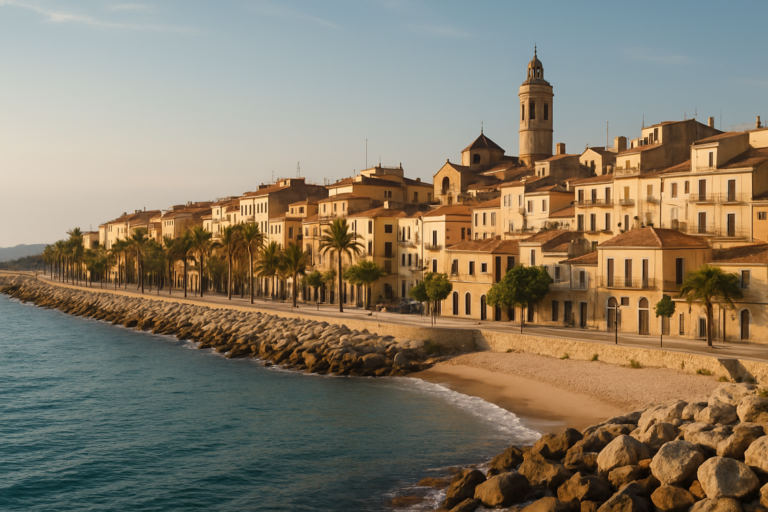
The harbour is still a working fishing port, and that activity shapes the town’s evening rhythm: with the catch auction supplying many restaurants, seafood dominates menus and the marina fills with people strolling after sunset. A long seafront promenade runs from this harbour area along the coast to the family beaches, making short, pleasant walks or easy transfers between dining and beach time.
Parc Sama — a different pace
Set just inland from the shoreline, the 19th‑century Parc Sama provides a stylistic contrast to the seafront. This colonial‑style garden estate offers tree-lined avenues and ornamental planting; it’s a straightforward place for a quieter, green interlude away from the beachside bustle.
The old town and maritime history
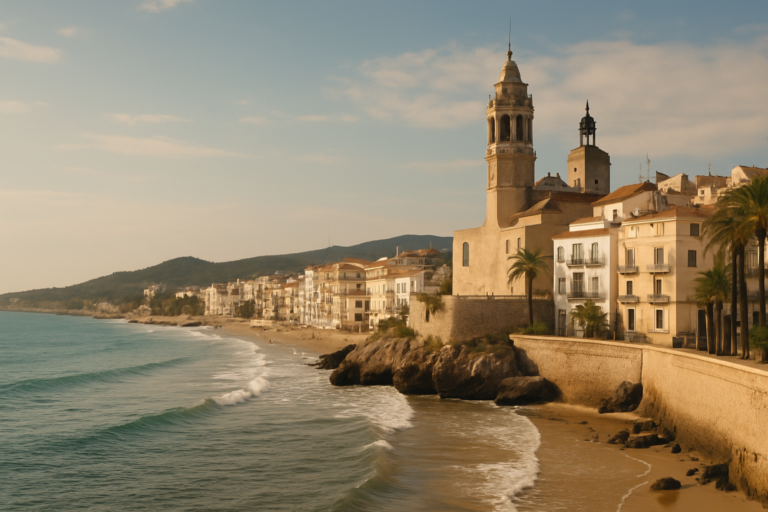
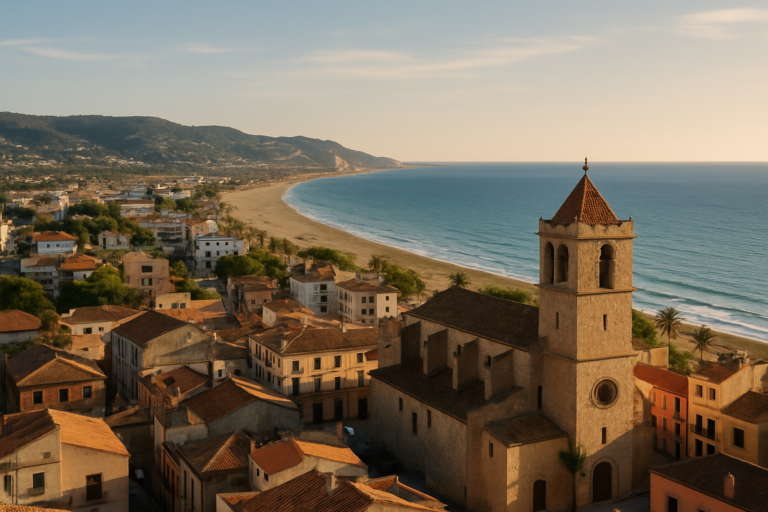
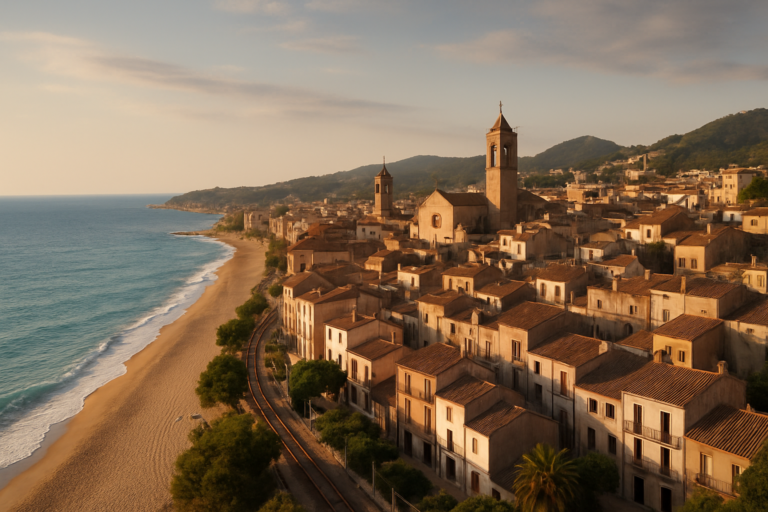
The historic nucleus sits a touch inland around the Sant Pere church, where narrow streets and local shops retain a residential feel. Near the waterfront the Torre del Port, an old defensive tower that now functions as a museum of maritime history, gives a concise window into the town’s relationship with the sea.
Best beaches in Cambrils
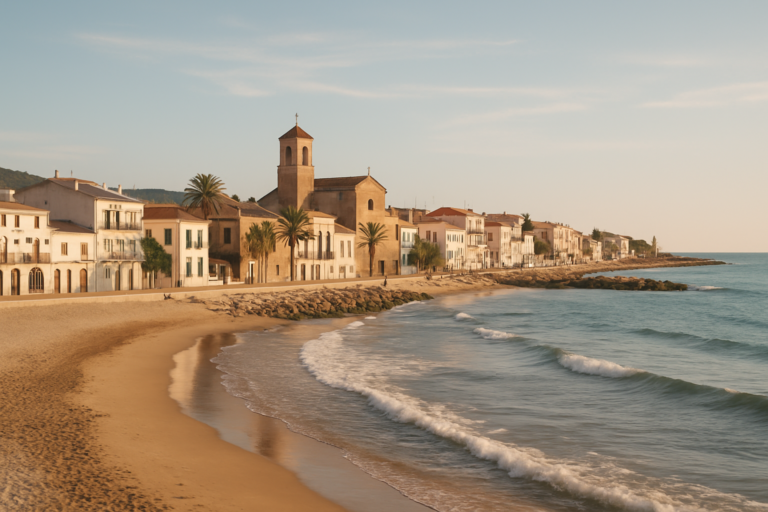
The coastline here leans toward broad, family-friendly sands backed by a promenade. Blue Flag status at multiple beaches signals generally good water quality and a focus on maintenance and services during the bathing season.
| Beach | Character | Facilities / Blue Flag |
|---|---|---|
| Platja del Regueral | Family-friendly sandy beach | Blue Flag |
| Platja de la Llosa | Wide sands popular with families | Blue Flag |
Cambrils with kids
Families will find reliable, shallow sandy beaches and an easy seafront promenade that links dining options to the sands without requiring a car. The harbour atmosphere is relaxed in the evenings, and the nearby PortAventura World (shared access from neighbouring Salou) provides a separate theme-park option if you want a day away from the beach.
How to get to Cambrils and get around
Cambrils sits on the Costa Dorada within easy reach of Tarragona and beside Salou; this positioning makes the town a straightforward coastal stop. Once in the area, the seafront promenade and the town’s compact centre make walking convenient, and the locale is widely used for cycling and coastal walking.
Where to stay in Cambrils
- Harbour/marina area — best if you want restaurants, evening promenades and quick boat or marina views.
- Seafront/beachfront district — suits families who prefer immediate access to the sands and the promenade.
- Old town near Sant Pere — quieter, more traditional neighbourhoods with narrow streets and local character.
- Inland near Parc Sama — choose this if you prefer a greener, more peaceful setting while remaining a short trip from the coast.
Best time to visit Cambrils
Summer brings the classic beach and dining scene: populated promenades, open seafood restaurants around the harbour and full use of the beaches. Shoulder seasons will be quieter while still allowing for walking, visits to the old town and inland gardens.
| Season | Months | What to expect |
|---|---|---|
| Summer | June–August | Busy promenades, peak beach use and restaurants in full swing |
| Shoulder seasons | Spring & autumn | Quieter streets, easier beach access, pleasant walking and cycling |
History of Cambrils
The town’s identity is maritime and agricultural: a working fishing port that has fed local kitchens for generations. Defensive architecture at the harbour, exemplified by the Torre del Port, points to the community’s long-standing relationship with the coast. During the 19th century, inland estates such as the Parc Sama introduced landscaped garden culture, leaving a green legacy close to the shoreline.
Practical info
- Food: Seafood and rice dishes form a central part of the local gastronomy—many restaurants source fish from the port auction.
- Walking and cycling: The long seafront promenade and coastal paths make non-motorised exploration straightforward; the area is regarded as a popular base for cycling and coastal walking.
- Nearby attractions: The Roman heritage of Tarragona and the entertainment options at neighbouring Salou are within easy reach for day trips.
- Summer evenings: The harbour and marina fill with diners and strollers in the warmer months—plan accordingly if you prefer quieter nights.
Worth it for: seafood lovers, families seeking safe beaches with a strollable promenade, and cyclists walking the Costa Dorada. Less so if: you want a high-energy resort with non-stop nightlife or a remote, untouched coastline—the town’s strengths are local dining, accessible beaches and compact heritage.
How we assess this guide
This guide brings together verified local facts about the harbour, beaches, Parc Sama, historical sites and transport relationships with neighbouring towns. We cross-checked claims about Blue Flag beaches, the fishing port, the promenade and museum uses against reliable local sources. Closed venues would be flagged; descriptions are based on documented features rather than on-the-ground subjective reports.
Frequently asked questions
How do I get to the town from nearby cities?
The town sits beside Salou and within easy reach of Tarragona, making it straightforward to combine visits with those nearby centres. Exact transport options and timetables vary; check regional schedules for trains and buses serving the Costa Dorada.
Is Cambrils an expensive place to eat?
Cambrils is regarded as a gastronomic destination, especially for seafood and rice dishes. Many restaurants depend on the local fishing port’s auction, so you’ll find a range of seafood-focused options; costs vary by restaurant and season.
Which beach is best for families?
Several beaches are family friendly. Platja del Regueral and Platja de la Llosa are both Blue Flag beaches and are commonly recommended for family visits.
How many days should I allocate to see the highlights?
A short stay lets you sample the seafront, explore the old town and visit an inland garden estate; the town’s compact nature means core sights can be seen without long transfers.
Is the town good for children?
Yes. Family beaches, the long promenade and a relaxed harbour area make it straightforward to plan child‑friendly days. PortAventura World in neighbouring Salou provides an additional family attraction reachable from here.
Can I get around without a car?
Yes. The town’s seafront promenade and compact centre are walkable, and the area is popular for coastal cycling and walking routes that start or pass through here.
Is parking easy in the centre?
Parking situations vary by season and exact location; expect the harbour and beachfront areas to be busier in summer evenings when restaurants and promenades fill up.
What can I do on a rainy day?
Consider the Torre del Port, an old defensive tower that now houses a museum of local maritime history, or visit Parc Sama for sheltered walks beneath mature trees and covered avenues.
When are the busiest times?
Summer is the peak season for beaches, promenade activity and restaurants; the harbour area is particularly lively in warm evenings.
Are there good day trips nearby?
The Roman heritage of Tarragona is within easy reach, and the neighbouring resort of Salou provides access to PortAventura World—both are common complements to a stay here.
What kind of food is the town known for?
Seafood and rice dishes define the local culinary reputation, reflecting the town’s active fishing port and a tradition of maritime cuisine.
Is the promenade suitable for cycling?
Yes. The long seafront promenade links the harbour with the beaches and the wider coastline is a popular area for cycling and coastal walking along the Costa Dorada.
Are the beaches environmentally maintained?
Multiple beaches in the area hold Blue Flag status, including Platja del Regueral and Platja de la Llosa, indicating a focus on water quality, services and environmental management during the bathing season.
Where should I go for a quieter stay?
Staying inland near Parc Sama or in the older streets around Sant Pere tends to be quieter than the harbour or beachfront districts, which are livelier at mealtimes and in summer evenings.
Can I combine a beach day with local culture?
Yes. The harbour, Torre del Port and the old town are compactly arranged so you can have a beach morning and a cultural afternoon without extensive travel.
Plan the wider trip
- Costa Dorada guide
- Deltebre: Ebro Delta town of rice fields and birdlife
- Mont-roig del Camp: Costa Daurada Beaches, Miro and Miami Platja
- Amposta: Gateway to the Ebro Delta
- Salou
- Tarragona
Nearby on the Costa Dorada
Cambrils on the map
Places worth knowing near Cambrils
How this page is maintained. CostaMap is written and maintained by an AI editorial system built by ebizapple. Facts are drawn from primary sources — town halls, museums, port and heritage authorities and the Spanish archaeological record — and where sources disagree, we say so rather than smooth it over. Photographs marked as ours are taken on location. This page was last reviewed on 15 August 2026. Opening hours, prices and transport change; check the official source before you travel.