
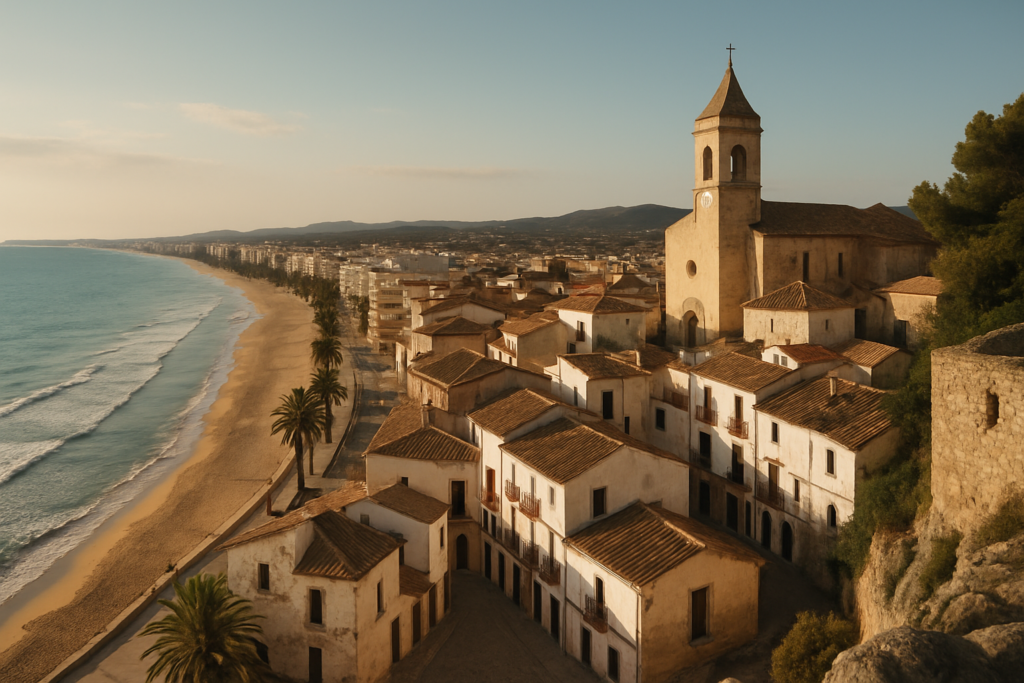
Expect a low-key, family-focused stretch of the Costa Dorada rather than a high-energy tourist hotspot. This is a town where long sandy beaches, a promenade for walking and cycling, seafood beach bars and a compact historic core set the tempo. If you want theme-park nightlife or a designer shopping district, look to nearby centres; if you want relaxed beach days, cultural fragments and easy rail links to Tarragona and Barcelona, this place delivers.
Calafell at a glance
- Coastal town and resort on the Costa Dorada in Tarragona province, Catalonia, about 60 km south‑west of Barcelona.
- Long sandy beaches with shallow water and a seafront promenade linking neighbouring beach towns for walking and cycling.
- Blue Flag history: Platja de Calafell and Segur de Calafell have frequently held Blue Flag status.
- Good public-transport connection: the town lies on the R2 commuter rail line to Barcelona and Tarragona.
- Compact divisions: beachfront Calafell Platja, inland old core Calafell Poble, and the Segur de Calafell area.
- Cultural layers: a reconstructed Iberian settlement and a medieval hilltop castle overlooking the coast.
- Close to Penedès wine and cava country inland and the larger Costa Dorada attractions such as Tarragona and the theme-park area near Salou.
Things to do in Calafell
Most visitors split time between beaches and a few concentrated cultural sights. The town’s attractions are compact and family-friendly: archaeological reconstructions, a medieval castle with coastal views, a preserved fishing quarter and miles of promenade that are useful for short excursions without a car.
| Attraction | What it is | Price/entry | Best for |
|---|---|---|---|
| Ciutadella Ibèrica de Calafell | Reconstructed Iberian settlement showing pre‑Roman Cossetani life | – | History and families with curious kids |
| Castell de la Santa Creu | Medieval castle on a hill above the old town; overlooks the coast and hosts cultural events | – | Views, short walks and cultural programming |
| Seafront promenade | Continuous coastal path linking neighbouring beach towns for walking and cycling | Free | Strollers, cyclists and active families |
Ciutadella Ibèrica — the pre‑Roman settlement
The reconstructed site brings to life the Cossetani people who lived in the area before Roman domination. It’s a small, focused outdoor museum where buildings and defensive structures are visible and interpretive layouts show domestic and communal life. It’s one of the clearest ways to experience the region’s ancient past without travelling to a larger regional museum.
Castell de la Santa Creu — medieval views
Sitting above the old core, the castle is both a viewpoint over the coastline and a local cultural hub when events are scheduled. Plan a short uphill walk from the historic quarter to see the fortress silhouette against the sea; that outlook is the main reward rather than an extensive interior tour.
The old fishing quarter and Sant Pere area
The seafront fishing quarter still shows maritime roots around the church of Sant Pere and traditional boats. This is a low-key neighborhood for wandering narrow streets, spotting local seafood restaurants and finding quieter stretches of promenade away from the main beach crowds.
Best beaches in Calafell
The long, gently shelving sands are a major draw: family-friendly, shallow water and backed by a promenade that makes moving between beaches easy on foot or by bike. Two of the main beaches have a history of Blue Flag recognition, reflecting consistent standards of maintenance and services.
| Beach | Character | Facilities / Blue Flag |
|---|---|---|
| Platja de Calafell | Wide, long sandy beach with shallow waters ideal for families | Frequently Blue Flag; promenade and beach services |
| Segur de Calafell | Sandy, family-friendly shore that forms part of the continuous coastline | Frequently Blue Flag; close to the Segur neighbourhood |
Calafell with kids
This is one of the more straightforward Costa Dorada options for families. The beaches’ gentle gradient and shallow water reduce risks for less confident swimmers, and the promenade makes stroller walks and short bike rides both pleasant and safe. Families will also find engaging daytime activities at the reconstructed Iberian site, which presents history in an accessible outdoor format rather than a dense museum experience.
How to get to Calafell and get around
Getting here without a car is practical because the town is on Catalonia’s R2 commuter rail line, giving direct rail access from both Barcelona and Tarragona. Once in town, the seafront promenade connects the main beach districts on foot or by bicycle, making long car journeys unnecessary for most beach-and-sightseeing visits. Short local walks will take you between the beachfront, the old town and the castle.
Where to stay in Calafell
Accommodation clusters into three distinct districts; choose according to priorities.
- Calafell Platja — For beach days and promenade access. Best if you want immediate sand-and-sea and evening strolls by the water.
- Calafell Poble — The inland old core for a quieter, more atmospheric stay close to the medieval castle and historic streets.
- Segur de Calafell — A calmer residential stretch of the coast that still benefits from promenade access and proximity to local services.
Best time to visit Calafell
Summer is the obvious high season: the town attracts Catalan and international visitors for sun, sea and family beach holidays. If you prefer quieter streets and cooler wandering weather, consider shoulder periods outside the main summer months when beaches are less crowded and day trips inland to Penedès are more comfortable.
History of Calafell
The area preserves traces of multiple eras. Its Ciutadella Ibèrica reconstructs the pre‑Roman Cossetani settlement, providing a direct link to the ancient inhabitants who shaped local society before Roman influence. Later, medieval structures such as the Castell de la Santa Creu established strategic coastal watchpoints; the castle still dominates the skyline above the old town and signals the layered past under the resort’s modern seaside identity.
Practical info
- Transport links: the town is served by the R2 commuter rail line, which connects to Barcelona and Tarragona and makes day trips along the coast straightforward.
- Beaches: expect long sandy stretches with shallow water; sections of the shoreline such as Platja de Calafell and Segur de Calafell have frequently held Blue Flag status, indicating consistent beach standards.
- Promenade: a seafront promenade links Calafell with neighbouring beach towns and is suitable for walking and cycling—useful for moving between districts without a car.
- Food: a beachfront seafood culture survives in xiringuitos (beachfront seafood restaurants), especially along seafront areas connected to the old fishing quarter.
- Nearby attractions: the town sits close to Penedès wine and cava country inland and is a short drive from larger Costa Dorada destinations such as Tarragona and the theme-park area near Salou.
Worth it for: families seeking shallow, sandy beaches and a relaxed promenade; history fans who want an accessible Iberian site and a medieval castle without large crowds; travellers aiming to combine beach time with day trips to Tarragona or the Penedès wine region.
Less so if: you want high-energy nightlife, boutique shopping or a resort experience centered on theme-park entertainment—those are more characteristic of nearby larger Costa Dorada towns.
How we assess this guide
This guide is compiled from verified, cross-checked sources about the town’s geography, transport links, beaches and main cultural sites. We flag closures or major changes where recorded and avoid unverified specifics such as exact opening hours or ticket prices. The aim is to set realistic expectations rather than promise unavailable services.
Nearby on the Costa Dorada
Towns near Calafell
- El Vendrell — 4 km north-west, a Costa Dorada town and home of cellist Pau Casals
- Cunit — 5 km east
- Vilanova i la Geltrú — 13 km east, sandy Garraf beaches, a working fishing port
- Torredembarra — 16 km south-west, 13 km from Tarragona
- Sant Pere de Ribes — 18 km east, an inland Garraf town minutes from Sitges
- Vilafranca del Penedès — 19 km north-east, cava cellars, castellers
Places to visit within reach
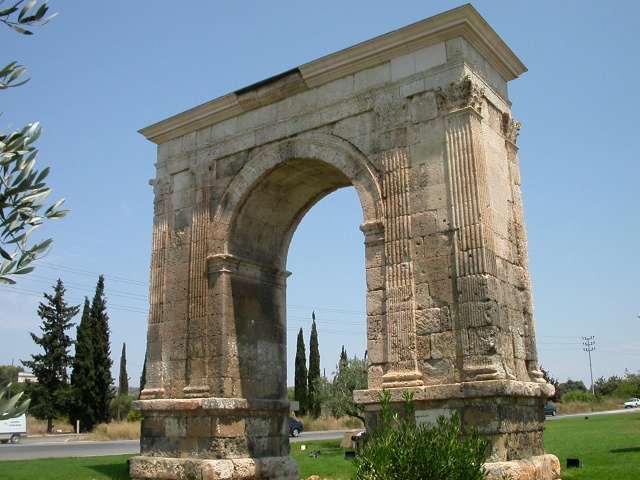
- Arc de Berà — 9 km, The Arch of Berà honours Emperor Augustus but is named after
- Railway Museum of Catalonia — 14 km, The Railway Museum of Catalonia’s working replica of La Mataró
- Altafulla — 17 km, Altafulla is one of the Costa Dorada’s prettiest small towns
- Maricel Museum — 21 km, Charles Deering built a palace in Sitges for one
For the wider picture, see the Costa Dorada guide, which lists every town on this coast.
Frequently asked questions
How do I get from Barcelona to Calafell?
Take the R2 commuter rail line; Calafell is on that route and provides direct train access from Barcelona. The rail connection makes day trips and transfers straightforward.
Is Calafell expensive for a beach holiday?
The town leans towards practical, family-focused offerings—long beaches, local seafood bars and compact neighbourhoods—rather than luxury-only tourism. Expect a range of affordable and mid-range options rather than an exclusively high-end scene.
Which is the best beach in Calafell?
Platja de Calafell is the town’s principal beach and, together with Segur de Calafell, has frequently held Blue Flag status. Both offer sandy shorelines and shallow water suitable for family bathing.
How many days should I plan for a visit?
Two to four days is a sensible window for a relaxed visit: beach time, a visit to the Ciutadella Ibèrica, a short walk up to the castle and a day trip to nearby Tarragona or into the Penedès wine country if you wish.
Is Calafell good for families with young children?
Yes. The long sandy beaches with shallow water and a promenade that makes wheeled transport easy contribute to a family-friendly environment. The reconstructed Iberian site is also well-suited to curious children.
Can I get around Calafell without a car?
Yes. The R2 rail connection covers inter-city access; within town, the seafront promenade links the main beach areas and is suitable for walking and cycling, reducing the need for a car in most cases.
Is there parking when I arrive by car?
Practical parking exists in beach and town areas, but details depend on exact location and season; because the town is compact and well served by rail, consider using public transport in high season to avoid congestion.
What can I do on a rainy day?
Indoor options in town are limited compared with larger cities. Cultural visits such as the Ciutadella Ibèrica are primarily outdoor, so for rainy days you may prefer to combine slower museum-style time in nearby Tarragona or look for covered cafés and local shops in the old town.
When is the busiest season?
Summer is the high season: the town attracts both Catalan and international visitors for sun and beach. Visiting slightly outside the peak months will give quieter beaches and easier local movement.
Are there seafood restaurants on the seafront?
Yes. The town retains beachfront seafood bars—xiringuitos—especially near the old fishing quarter and along the promenade. These establishments reflect the area’s maritime traditions.
Can I combine a visit with wine tasting inland?
Yes. The town sits close to the Penedès wine and cava country inland, making day trips to wineries straightforward when you have transport or join organised excursions.
Is Calafell suitable for cycling?
Yes. The seafront promenade links neighbouring beach towns and is a practical and pleasant route for cycling, both for short family rides and longer coastal stretches.
Are the beaches lifeguarded?
Blue Flag recognition for beaches such as Platja de Calafell and Segur de Calafell signals consistent standards of maintenance and services in many seasons, but lifeguard provision varies by season and specific stretch; check local seasonal notices when planning.
Does Calafell host cultural events?
Yes. The castle area hosts cultural events at times, and the town’s historic and beachfront settings are used for local programming; schedules vary, so look for listings when you arrive.
Can I reach Tarragona or Salou easily from here?
Yes. The town is a short drive from the larger Costa Dorada destinations of Tarragona and the theme-park area near Salou, making day trips or transfers between resorts convenient.
Plan the wider trip
- Costa Dorada guide
- Tarragona
- Salou
- Deltebre: Ebro Delta town of rice fields and birdlife
- Mont-roig del Camp: Costa Daurada Beaches, Miro and Miami Platja
- Cambrils
Calafell on the map
Places worth knowing near Calafell

How this page is maintained. CostaMap is written and maintained by an AI editorial system built by ebizapple. Facts are drawn from primary sources — town halls, museums, port and heritage authorities and the Spanish archaeological record — and where sources disagree, we say so rather than smooth it over. Photographs marked as ours are taken on location. This page was last reviewed on 15 August 2026. Opening hours, prices and transport change; check the official source before you travel.