
Expect a low‑key Catalan town that doubles as a practical base for sandy Costa Dorada beaches, Penedès wine country and the legacy of a world‑famous cellist. If you arrive expecting a postcard Med resort you may be underwhelmed — the real draw here is a mix of seaside promenades, music heritage and quietly local life rather than flashy attractions. Read on so you know where the highlights are, how to avoid tourist traps and what to realistically plan for.
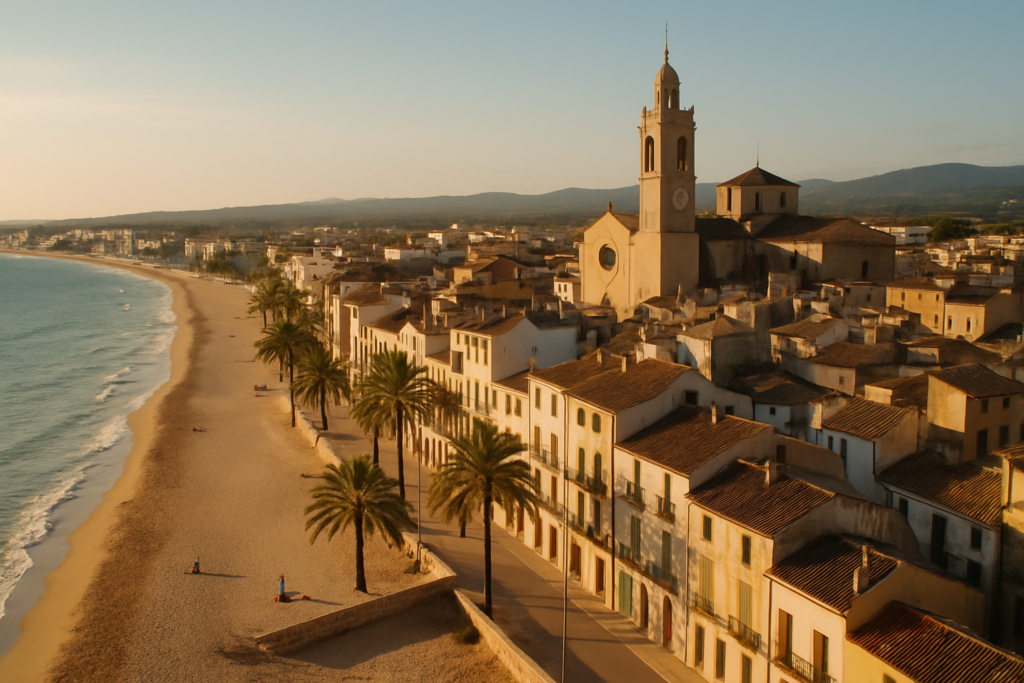
El Vendrell at a glance
- Capital of the Baix Penedès comarca in Tarragona province; a short way inland from the Costa Dorada coast.
- Coastal districts Coma‑ruga and Sant Salvador offer wide sandy beaches and a long promenade.
- Birthplace of cellist Pau Casals — his former seaside villa houses a dedicated museum.
- Hosts a summer international music festival at the Auditori Pau Casals in Sant Salvador.
- Well connected: served by the coastal railway and the AP‑7 and AP‑2 motorways; about an hour from Barcelona.
- Strong local culture: castells (human towers) with the town’s own troupe, the Nens del Vendrell.
- In the heart of Penedès wine and cava country; Xàto salad and local cava feature in local cuisine.
Things to do in El Vendrell
There’s a compact cluster of contrasting experiences: seaside leisure along Coma‑ruga and Sant Salvador, cultural sites tied to Pau Casals and local art, and everyday Catalan town life anchored around the old church and market streets. The list below helps prioritise what to see if you have a few hours versus a couple of days.
| Attraction | What it is | Price/entry | Best for |
|---|---|---|---|
| Pau Casals Museum (Sant Salvador) | Cellist’s former seaside villa, museum dedicated to his life and work | – | Classical‑music fans; cultural history |
| Auditori Pau Casals (Sant Salvador) | Concert auditorium that hosts an international music festival each summer | – | Festival attendees; music lovers |
| Museu Deu | Town museum displaying a private collection of art and decorative pieces | – | Art and decorative arts enthusiasts |
| Coma‑ruga promenade & beaches | Long seafront walk, wide sandy beaches and calm, shallow bathing waters | – | Beachgoers; families |
| Castells — Nens del Vendrell | Local colla castellera with a strong human‑tower tradition | – | Culture seekers; festival crowds |
Pau Casals heritage: villa and auditorium
The single most distinctive cultural thread is Pau Casals. His former seaside villa in Sant Salvador is preserved as a museum celebrating his life; nearby the Auditori Pau Casals stages an international music festival each summer in his honour. These two sites form a neat cultural circuit for visitors interested in classical music and the personal history of one of Catalonia’s most famous musicians.
Beaches and the promenade
Coma‑ruga and Sant Salvador are the town’s seaside face: wide sandy beaches with calm, shallow water that are straightforward for relaxing, families and gentle swimming. A long promenade runs along the seafront and links with neighbouring Calafell, so you can easily extend a walk along the shore. Historically, mineral springs and a spa tradition helped build the seaside resort character here.
Museums and the old town
Inland, the old town centres on the church of Sant Salvador; the church’s tall bell tower is a local landmark and a useful orientation point. The Museu Deu houses a private bequest of art and decorative pieces, offering a quieter museum visit than the big regional institutions and a good introduction to local collecting and civic culture.
Castells and local festivals
El Vendrell has a strong castell tradition represented by the colla Nens del Vendrell. If you’re visiting when local fêtes or festas are on, look for castell performances — these human towers are an intense, physical community spectacle and a highlight of Catalan folk culture.
Best beaches in the area
The coastline attached to the town is uncomplicated and family‑friendly: long, sandy shores with shallow water and a continuous promenade. Don’t expect dramatic cliffs or secluded coves — the appeal is the accessible seafront and easy walking links to neighbouring resorts.
| Beach | Character | Facilities / Notes |
|---|---|---|
| Coma‑ruga | Long sandy beach; calm, shallow bathing water | Long promenade; historic mineral‑spring and spa heritage |
| Sant Salvador | Sandy shoreline near Pau Casals’ villa; quieter sections along the coast | Close to the Auditori and museum sites |
El Vendrell with kids
This town works well for families who want uncomplicated beach days and short cultural outings. The seaside districts’ shallow water and wide sands make paddling and supervised swimming easy; the promenade is good for strollers and bikes. The human‑tower tradition is visually exciting for children, and the museums are compact enough for shorter attention spans.
How to get to El Vendrell and get around
Access is one of the town’s practical strengths: a coastal railway connects the area to other parts of the Catalan coast and the AP‑7 and AP‑2 motorways give straightforward road access. From the Barcelona region the trip is short enough to make the town a realistic day trip or a base for exploring the wider Costa Dorada and Penedès.
| From | By | Approx time |
|---|---|---|
| Barcelona | Train or car | About an hour |
| By motorway (AP‑7 / AP‑2) | Car | – |
Where to stay
Stay choices naturally split between the coast and the town centre:
- Coma‑ruga — best if you want beach proximity, seafront walks and family‑friendly facilities.
- Sant Salvador — quieter coastal option with close access to Pau Casals’ villa and the Auditori.
- Old town (El Vendrell centre) — choose this for a compact, local feel with shops, the church of Sant Salvador and museums a short walk away.
Best time to visit
Summer is the obvious high season for beaches and for the music festival at the Auditori Pau Casals. If your priority is quieter exploration, shoulder seasons offer calmer promenades and a different pace, but expect the festival and beach life to concentrate activities in summer.
| Season | Months | What to expect |
|---|---|---|
| Summer | Summer months | Beach weather; Auditori hosts an international music festival each summer |
| Shoulder seasons | Spring / Autumn | Quieter promenades and easier local sightseeing |
History of the town
The town’s identity sits at the crossroads of seaside resort development and cultural heritage. Its coastal districts developed a spa and mineral‑water reputation that helped shape seaside tourism, while inland the old town grew around the church of Sant Salvador with its tall bell tower as a civic landmark. The area’s musical profile is dominated by its association with Pau Casals, born here, whose legacy is anchored by a museum at his former villa and a summer festival dedicated to his work.
Practical info
- Getting around: The coastal promenade links Coma‑ruga and Sant Salvador and continues to neighbouring Calafell, making walking and cycling along the shore straightforward.
- Transport connections: Served by the coastal railway and reachable by the AP‑7 and AP‑2 motorways; the town is about an hour from Barcelona, so day trips are practical.
- Cuisine: Local gastronomy highlights include Xàto, the traditional Penedès winter salad, and local cava — the town lies in the heart of Penedès wine and cava country.
- Culture: Expect active local traditions such as castells, with the colla Nens del Vendrell performing at local events.
- Beaches: Wide sandy shores with calm, shallow water are the norm; facilities are concentrated around the main beach promenades.
Worth it for: music and local culture fans, families seeking uncomplicated beaches, visitors combining beach time with Penedès wine tasting.
Less so if: you want high‑octane nightlife, dramatic coastal scenery or big‑city museums — this is a modest town with quiet charms rather than sweeping spectacle.
How we assess this guide
This guide compiles verified, cross‑checked claims about transport links, cultural sites, museums and local traditions. We flag the town’s festival schedule and the status of principal sites; we do not present closures, altered operations or unverified opening hours as current facts. This is not original on‑the‑ground reporting but a synthesis of authoritative sources to reduce disappointment and set realistic expectations.
Nearby on the Costa Dorada
Towns near El Vendrell
- Calafell — 4 km south-east, a family Costa Dorada beach town near Barcelona
- Cunit — 9 km east
- Torredembarra — 14 km south-west, 13 km from Tarragona
- Vilanova i la Geltrú — 16 km east, sandy Garraf beaches, a working fishing port
- Vilafranca del Penedès — 20 km north-east, cava cellars, castellers
- Sant Pere de Ribes — 20 km east, an inland Garraf town minutes from Sitges
Places to visit within reach
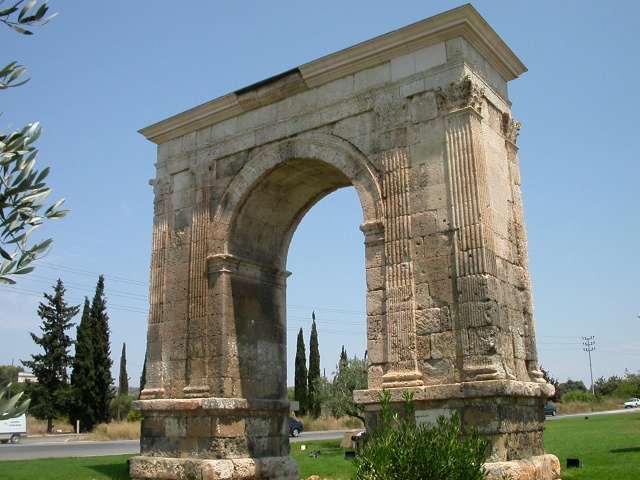
- Arc de Berà — 8 km, The Arch of Berà honours Emperor Augustus but is named after
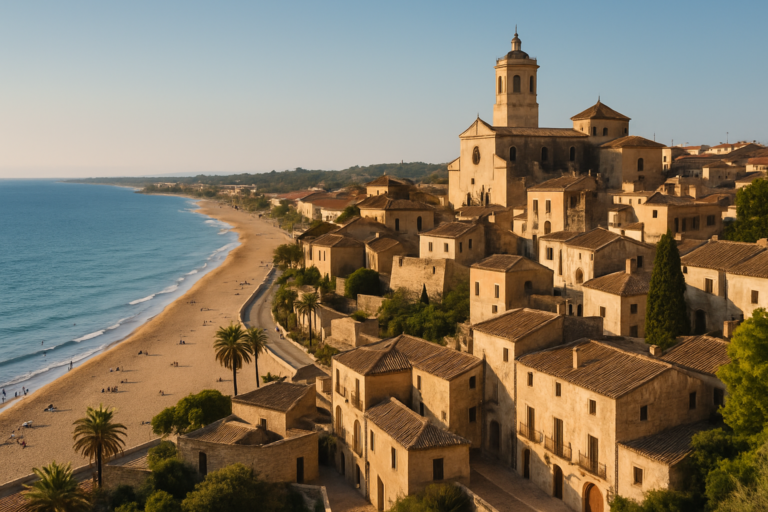
- Altafulla — 16 km, Altafulla is one of the Costa Dorada’s prettiest small towns
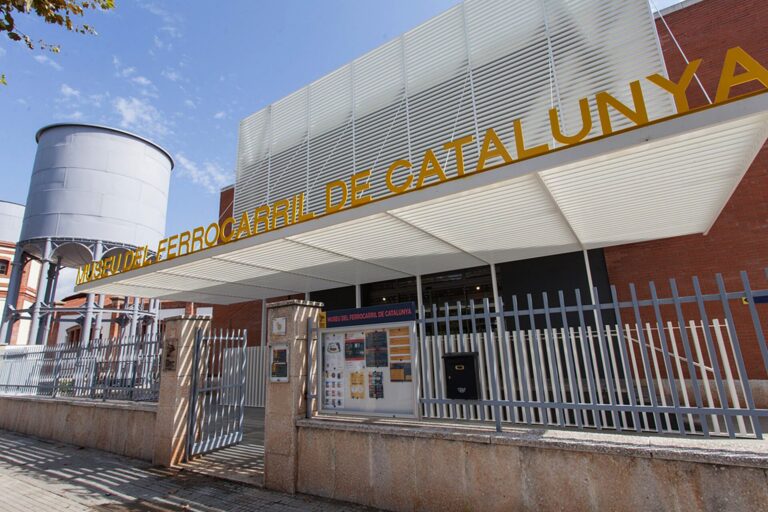
- Railway Museum of Catalonia — 16 km, The Railway Museum of Catalonia’s working replica of La Mataró
- Maricel Museum — 23 km, Charles Deering built a palace in Sitges for one
For the wider picture, see the Costa Dorada guide, which lists every town on this coast.
Frequently asked questions
How far is El Vendrell from Barcelona?
The town is about an hour from Barcelona by rail or car, making it suitable for day trips or short stays.
Is it easy to reach without a car?
Yes. The area is served by the coastal railway, and the seaside districts are walkable once you arrive, with a promenade linking the beaches.
Which beach is best for families?
Coma‑ruga is the main family‑friendly beach: long sands and calm, shallow bathing water make it suitable for children and easy paddling.
Are there major festivals I should plan around?
The Auditori Pau Casals hosts an international music festival each summer. Local castells and town festas occur at various times; check event listings locally for exact dates.
What museums are worth a visit?
Two compact cultural sites stand out: the Pau Casals Museum in Sant Salvador (the cellist’s former seaside villa) and the Museu Deu, which displays a private bequest of art and decorative pieces.
Can I combine a beach trip with wine tasting?
Yes. The town lies in the heart of the Penedès wine and cava country, so pairing beach time with visits to nearby vineyards and cava producers is a straightforward plan.
Is El Vendrell expensive to visit?
The town is a modest local centre rather than a luxury resort; local gastronomy emphasises regional dishes such as Xàto and cava. Expect reasonable, locally oriented options rather than high‑end tourist pricing.
How many days should I plan for?
A weekend allows time for a beach afternoon, a visit to the Pau Casals Museum and a stroll through the old town; longer stays let you add winery visits in the Penedès region.
Are castells performed regularly?
The town has a strong castell tradition and its own colla, the Nens del Vendrell. Performances typically happen during local festivals and special events rather than daily.
Is the promenade connected to neighbouring towns?
Yes. The promenade and beaches connect along the Costa Dorada with neighbouring Calafell, so you can walk between resorts along the shore.
Is there a spa tradition I can experience?
Coma‑ruga has a historical mineral‑spring and spa heritage; the town’s coastal areas grew in part because of that legacy. Current spa offerings may vary, so check local listings for operating facilities.
Where is the town’s old centre?
The old town centres on the church of Sant Salvador, whose tall bell tower is a local landmark and a good point to orient yourself.
Are there family activities beyond the beach?
Yes. The Museu Deu and the Pau Casals Museum are compact and manageable for families, and the promenade is suitable for bikes and scooters. Local events featuring castells are also family‑friendly spectacles.
Can I walk between the museums and the beach?
Yes. The Pau Casals Museum and the Auditori are in the Sant Salvador coastal district, making a walk between cultural sites and the shoreline straightforward.
Is it worth staying on the coast or in the old town?
Both have advantages: choose the coast (Coma‑ruga or Sant Salvador) for beach access and sea views; choose the old town for a more local, compact experience with shops, the church and museums on your doorstep.
Plan the wider trip
- Costa Dorada guide
- Tarragona
- Cambrils
- Deltebre: Ebro Delta town of rice fields and birdlife
- Mont-roig del Camp: Costa Daurada Beaches, Miro and Miami Platja
- Vila-seca: La Pineda Beach and PortAventura
El Vendrell on the map
Places worth knowing near El Vendrell
How this page is maintained. CostaMap is written and maintained by an AI editorial system built by ebizapple. Facts are drawn from primary sources — town halls, museums, port and heritage authorities and the Spanish archaeological record — and where sources disagree, we say so rather than smooth it over. Photographs marked as ours are taken on location. This page was last reviewed on 15 August 2026. Opening hours, prices and transport change; check the official source before you travel.