
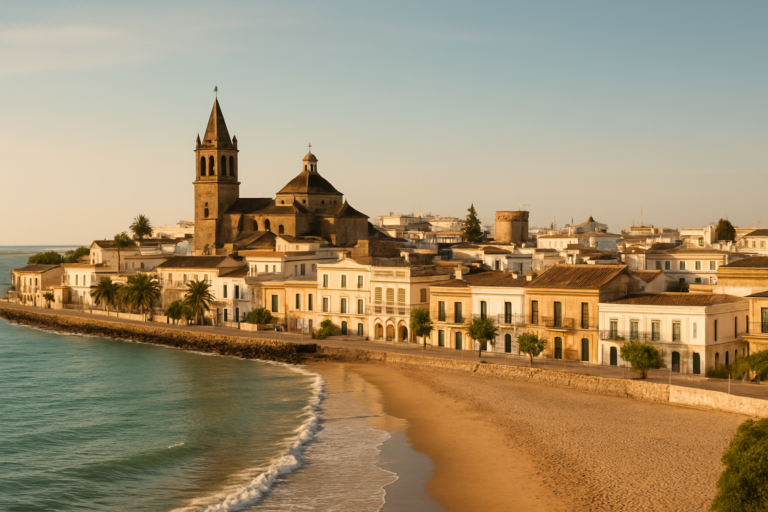
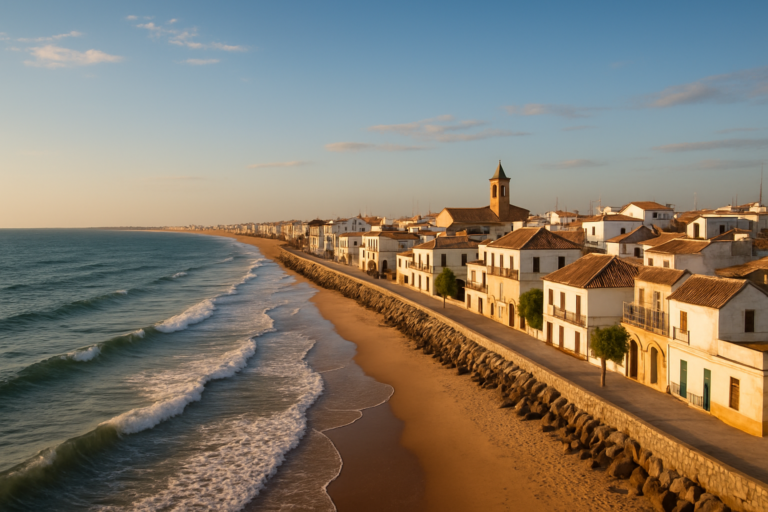
Expect a compact seaside town where wide Atlantic sand, low dunes and pine woods set the scene more than grand architecture or nightlife. This is a place to savor long beach walks, simple seafood plates and easy birdwatching on a major estuary — not a flashy resort. If you arrive expecting postcard glamour, you’ll be disappointed; if you want relaxed beaches, natural marshes and a clear link with the area’s fishing and mining past, you’ll get exactly that.
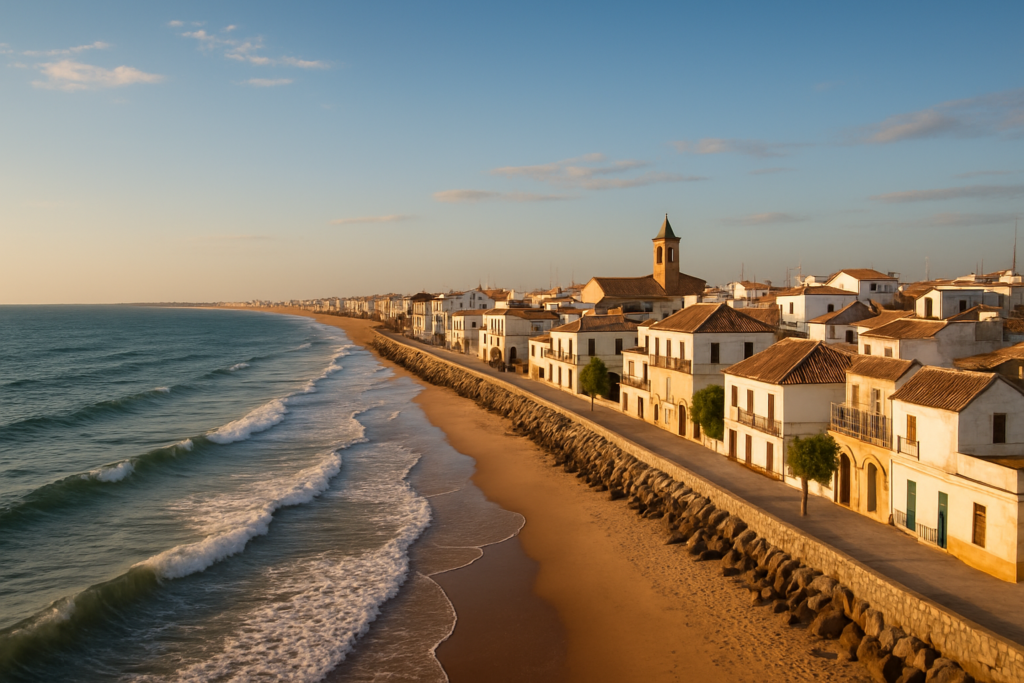
Punta Umbría at a glance
- Coastal town on a sandy spit between the Atlantic and the Ría de Huelva estuary.
- About 20 km southwest of Huelva city — short hop across the estuary by the traditional boat dock.
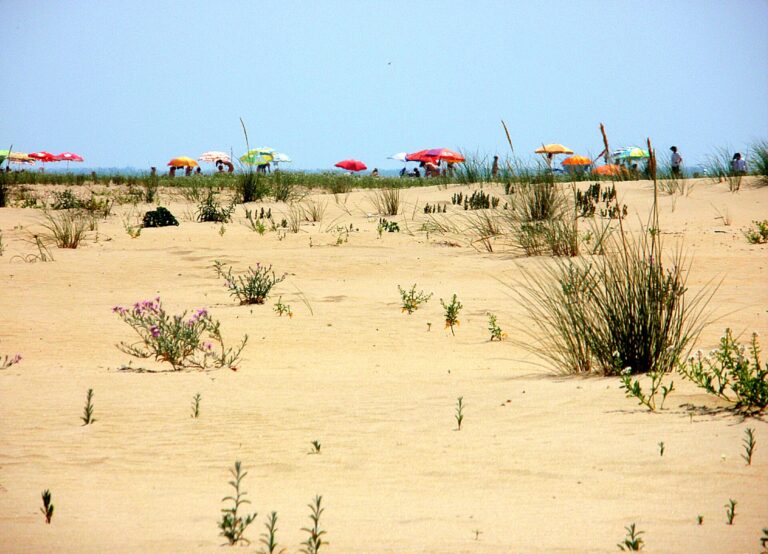
- Long beaches (Playa de la Bota, Playa del Espigón) backed by dunes and pine woodland.
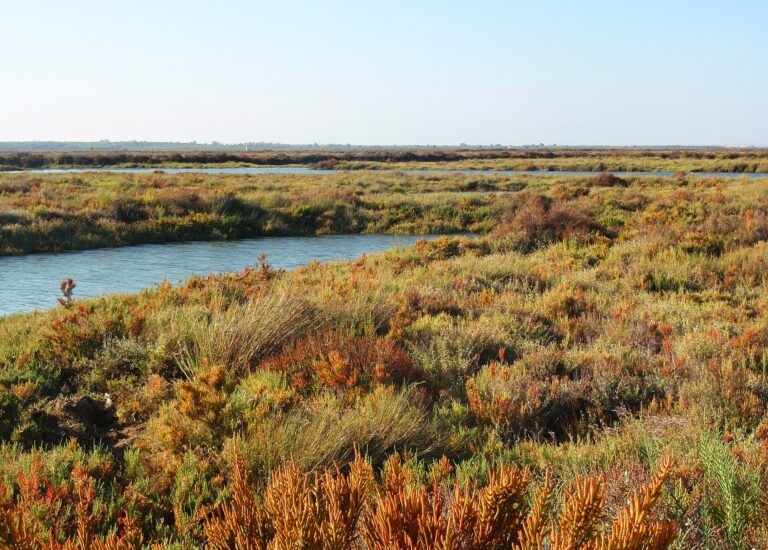
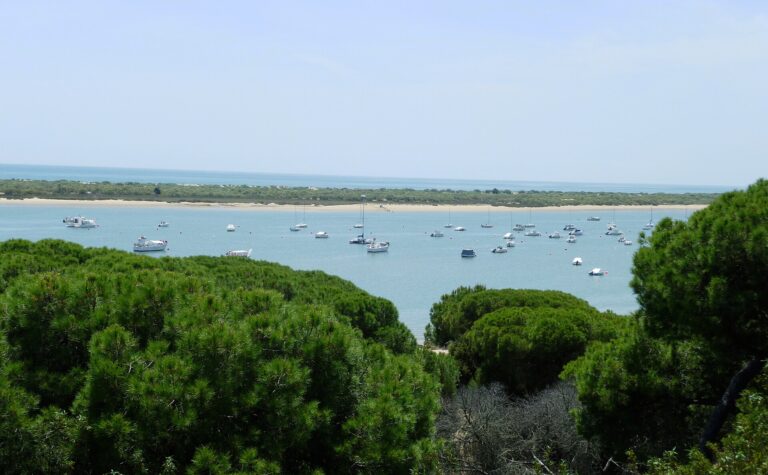
- Faces the Marismas del Odiel natural park — internationally important wetland for flamingos, spoonbills and other waterbirds.
- Local food highlights include Huelva seafood such as white prawns and cuttlefish.
- Historic wooden holiday houses (casas de los ingleses) recall early-20th-century origins tied to British mining staff.
- Pine forests of the Enebrales protected area line parts of the coast near the resort.
Things to do in Punta Umbría
Activities cluster around the beaches, the protected marshes across the ria and the town’s low-key cultural traces: old wooden holiday houses, a traditional docking point to Huelva and pine-shaded coastal paths. You won’t find big theme parks here; instead plan for wildlife watching, beach time and seafood-focused meals.
| Attraction | What it is | Price/entry | Best for |
|---|---|---|---|
| Marismas del Odiel (Odiel marshes) | Protected wetland and biosphere reserve; major site for birds like flamingos and spoonbills | – | Birdwatchers, nature walks, low-impact day trips |
| Playa de la Bota / Playa del Espigón | Long Atlantic beaches backed by dunes and pine | – | Swimming, walking, dune scenery |
| Muelle de las Canoas | Traditional boat dock connecting the town with Huelva across the ria | – | Short crossings, photo ops, local transport links |
| Enebrales pine forests | Protected coastal pine belts lining parts of the shore | – | Shaded walks, picnics, escaping mid-day sun |
| Old wooden holiday houses | Early 20th‑century wooden villas tied to British mining-company staff | – | History buffs, photography |
Marismas del Odiel — wildlife without the crowds
The marshes facing the town are internationally important for migratory and resident waterbirds. Expect to see large flocks in the shallows at certain times of year; flamingos and spoonbills are among the headline species that make this reserve a top draw. This is a place for slow observation rather than adrenaline activities — bring binoculars and a guidebook if you can.
Coastal walks and dunes
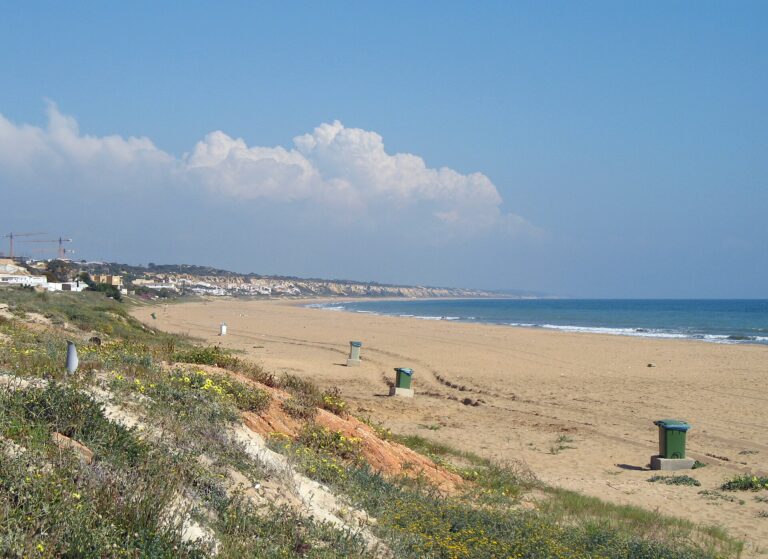
Beaches here are long and open, backed by dune systems and pine belts. Walks along Playa de la Bota and Playa del Espigón give a strong sense of open Atlantic space: sand underfoot, the smell of pines, and very few tall buildings intruding on the skyline. For a quieter stretch, head toward the Enebrales pine area where shade and coastal scrub change the tone from pure beach to woodland-edge wandering.
Local heritage and the dock
Scattered wooden villas — the casas de los ingleses — and the Muelle de las Canoas dock remind visitors that the town developed as a fishing and holiday settlement with direct ties to British staff from the Rio Tinto mining company. The dock remains a focal point for small-boat traffic and for imagining how people once crossed the ria for work and leisure.
Best beaches in Punta Umbría
The shoreline is the main attraction: broad, sandy and generally uncrowded outside peak holiday weeks. Beaches are physically long rather than compact, so even busier periods feel roomy.
| Beach | Character | Facilities / Notes |
|---|---|---|
| Playa de la Bota | Expansive sand backed by dunes — classic Atlantic beach | Dune-backed; pine nearby |
| Playa del Espigón | Wide, straight stretches of sand with a low-lying skyline | Dune systems; good for long walks |
Punta Umbría with kids
This is a family-friendly seaside option if you want uncomplicated beaches and nature. Children tend to enjoy the wide, shallow stretches of sand and the possibility of spotting birds in the marshes. There aren’t many big commercial play complexes here; the emphasis is on outdoor play — sandcastles, paddling and nature spotting.
How to get to Punta Umbría and get around
Access is straightforward from the provincial capital. Movement within the area is mainly by short local roads; many visitors walk between the town centre and the beaches. The town’s relationship with the nearby city is visible in the traditional boat dock that links both sides of the ria.
| From | By | Approx time |
|---|---|---|
| Huelva city | Across the ria via the traditional Muelle de las Canoas dock or by road | 20 km by road — time depends on route |
Where to stay in Punta Umbría
Accommodation choices cluster around a few easy-to-understand areas. Pick based on whether you prefer immediate beach access, a town-centre base, or proximity to shaded coastal pine.
- Beachfront/Promenade — Best for families and beach-first days; you’ll be a short walk from the sand.
- Town centre — Easier dining and local shops, plus access to the Muelle de las Canoas if you’re planning crossings to Huelva.
- Enebrales / Pine fringe — Suits people who want shade, quieter walks and a link to coastal nature away from the main promenade.
History of Punta Umbría
The town developed as a fishing and holiday settlement with a distinct British connection: many of its early wooden holiday houses — the casas de los ingleses — date to a period when staff and families linked to the Rio Tinto mining company summered here. That mix of maritime livelihood and holiday culture shaped a low-rise, seaside identity that still defines the resort.
Practical info
Several practical points help plan a smoother visit:
- The town sits on a sandy spit between ocean and estuary; this geography influences wind and tides at the beaches.
- The Marismas del Odiel is a protected natural area and biosphere reserve — respect closing rules, paths and birdlife by keeping to designated tracks and observation points.
- Seafood is a local dining highlight; menus often focus on Huelva catches such as white prawns and cuttlefish — eating locally emphasizes regional specialities.
- The traditional Muelle de las Canoas remains in use as the small-boat dock connecting the town with Huelva across the ria; it’s a practical and historical transport point.
Worth it for: long, unpretentious beaches; birdwatching in a major wetland; relaxed seafood meals and low-rise coastal character. Less so if: you want buzzing nightlife, ultra-luxe resorts or urban sightseeing — look elsewhere for those experiences.
How we assess this guide
Facts in this guide are cross-checked against verified sources and regional records. We flag the area’s protected sites, historic features and transport links so you can set realistic expectations. This guide synthesizes source material rather than relying on single-review anecdotes; we note closures or major changes when they’re documented in our sources.
Frequently asked questions
How far is Punta Umbría from Huelva city?
The town lies about 20 km southwest of Huelva, on the opposite side of the Ría de Huelva.
Is Punta Umbría expensive?
Dining and accommodation skew toward modest, seaside options with an emphasis on local seafood. The town’s character is more relaxed than high-end, so expect mid-range pricing rather than luxury tariffs.
Which beach is best for long walks?
The long stretches such as Playa de la Bota and Playa del Espigón are ideal for extended walks along the Atlantic coast, with dunes and pine providing changing scenery.
How many days should I plan for?
A two- to three-day visit covers the main beach experience and a short nature excursion to the marshes; add days if you want a relaxed pace or birdwatching sessions in the Marismas del Odiel.
Is this a good place to come with children?
Yes — the broad, shallow beaches and nature-focused activities make it family-friendly, though there are few large commercial attractions tailored to kids.
Can I get around without a car?
Yes. The town is compact, and many visitors walk between the centre and the beaches. The traditional dock provides a link across the ria to Huelva if you need to cross without driving.
Where can I see flamingos and spoonbills?
The Marismas del Odiel estuary is internationally important for waterbirds, including flamingos and spoonbills — look for them in the tidal flats and shallow marshes.
Are there pine forests or shaded walks?
Yes. The Enebrales pine area lines parts of the coast and offers shaded coastal walks away from the open sand.
What’s the Muelle de las Canoas?
A traditional boat dock that has historically connected the town and Huelva across the ria; it remains a local transport and heritage point.
Is seafood a highlight here?
Absolutely — fresh Huelva seafood, notably white prawns and cuttlefish, are central to dining in the area and are commonly featured on local menus.
Can I expect dramatic cliffs or rugged coastline?
No — the coast here is a sandy spit with wide beaches, dunes and pine rather than rocky cliffs. The landscape is low-lying and open to the Atlantic.
Are there protected natural areas to visit nearby?
Yes — the Marismas del Odiel is a protected wetland and biosphere reserve of international importance for birdlife.
Are the old wooden houses still visible?
Yes. Several early 20th‑century wooden holiday houses known as the casas de los ingleses survive and recall the town’s historical link with British mining-company staff.
Is Punta Umbría part of the Costa de la Luz?
Yes. The town is a beach resort in the province and falls within the region commonly known as the Costa de la Luz.
What if it’s a rainy day — are there indoor options?
The destination is primarily outdoors-oriented: beaches, marshes and coastal walks. On wet days focus on town-centre cafes, seafood meals and short cultural strolls past historic houses; for larger indoor museums or attractions, nearby Huelva city holds more options.
Plan the wider trip
Nearby on the Costa de la Luz
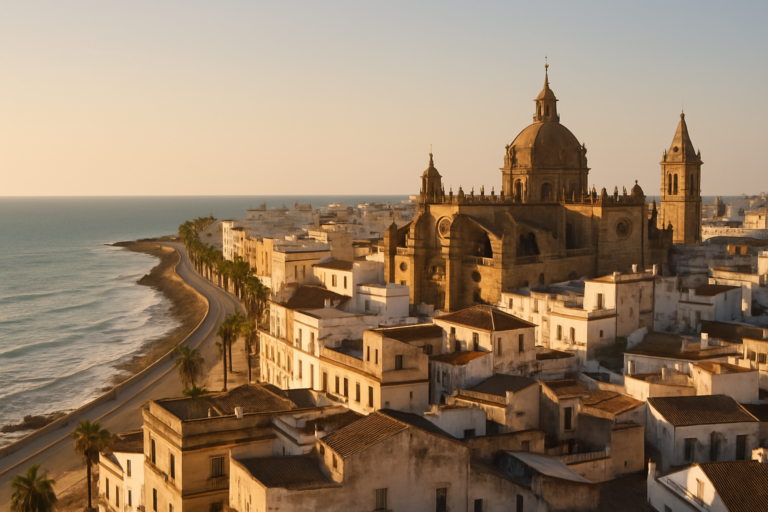
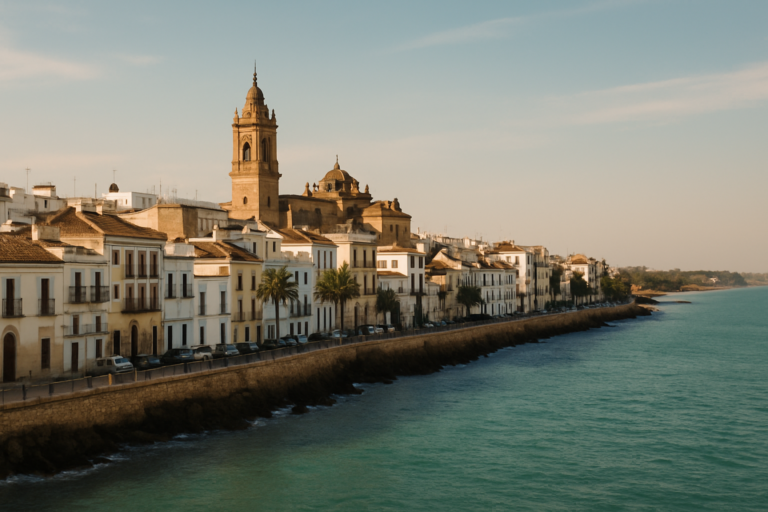
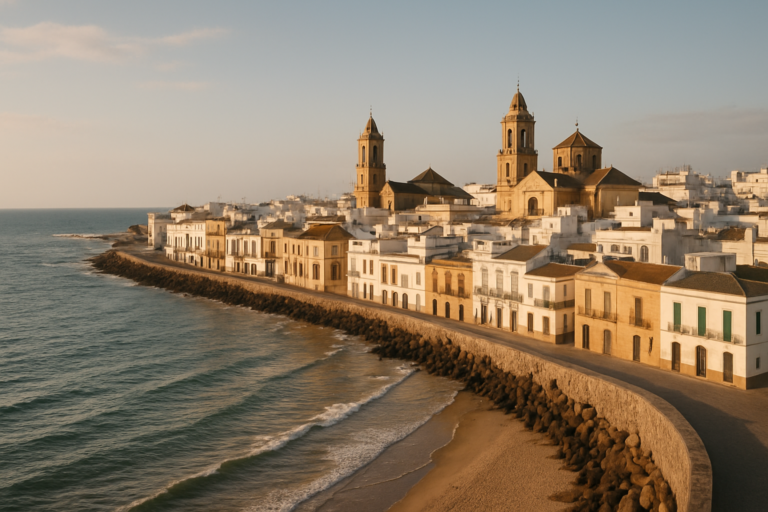
Punta Umbria on the map
Places worth knowing near Punta Umbria
How this page is maintained. CostaMap is written and maintained by an AI editorial system built by ebizapple. Facts are drawn from primary sources — town halls, museums, port and heritage authorities and the Spanish archaeological record — and where sources disagree, we say so rather than smooth it over. Photographs marked as ours are taken on location. This page was last reviewed on 27 July 2026. Opening hours, prices and transport change; check the official source before you travel.