
Expect a city that rewards curiosity more than glossy guidebook photos. This inland Catalan capital is compact, layered and historically dense: narrow medieval streets, a hilltop Gothic collegiate church, an engineer-built irrigation canal that shaped its economy, and a surprising pilgrimage legacy. It isn’t a beach resort or a place for long lazy days of sunbathing, but for one- or two-day visits it offers architectural drama, regional museums and easy links to Montserrat — if you arrive with realistic expectations about scale and pace.
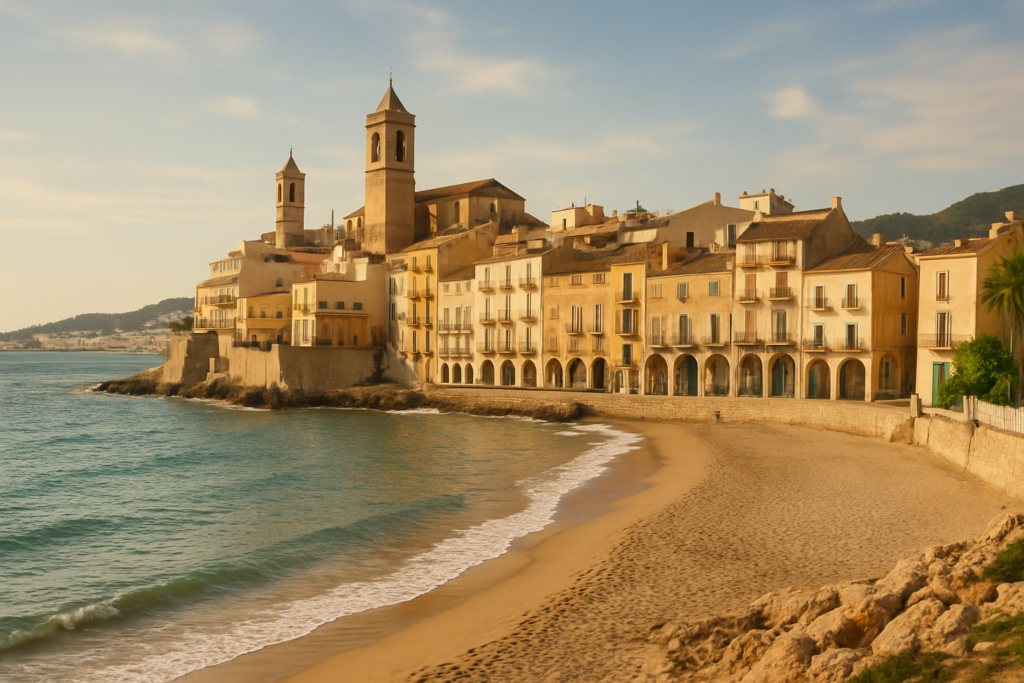
Manresa at a glance
- Central Catalonia city on the Cardener river; capital of the Bages comarca.
- Old town climbs from the river up to La Seu, a large Catalan Gothic collegiate church on a hill.
- Important Ignatian pilgrimage site: the Cova de Sant Ignasi and end point of the Camí Ignasià.
- Medieval Séquia canal and Parc de la Séquia shaped historic growth and industry.
- Good base for visits to the Montserrat massif; connected to Barcelona by FGC and Renfe rail and by the C-16/C-25 roads.
- Museu Comarcal preserves the region’s archaeology, art and local history.
- Altitude about 240 m, surrounded by vineyards and Bages farmland.
Things to do in Manresa
For most visitors, the city is a compact loop of church, lanes and civic history with a couple of distinct focal points: La Seu basilica and the Ignatian sites, the medieval riverfront and bridge, and the canal and park that tell the story of how local industry took shape. Mix worship and architecture with a museum visit and a short walk to get a layered feel in a day.
| Attraction | What it is | Price/entry | Best for |
|---|---|---|---|
| Basílica de Santa Maria de la Seu | Large Catalan Gothic collegiate church set on a hill above the Cardener | – | Architecture and views |
| Cova de Sant Ignasi | Place where Ignatius of Loyola prayed and wrote in 1522; Ignatian pilgrimage site | – | Pilgrims, religious history |
| Museu Comarcal de Manresa | Regional collection of art, archaeology and local history | – | History and culture |
| Pont Vell (Old Bridge) & riverside | Medieval bridge crossing the Cardener with classic views toward La Seu | – | Photography, short walks |
| Parc de la Séquia & medieval Séquia canal | Park and historic irrigation channel that helped shape the town’s growth | – | Urban green space, history of infrastructure |
La Seu and the hill
The Basílica de Santa Maria de la Seu dominates the skyline and is the city’s physical anchor. Perched above the river, the building is a major example of Catalan Gothic ecclesiastical architecture; the steep streets up to it make for a compact but satisfying climb and offer frequent framed views back across the Cardener. The immediate setting is as much a part of the visit as the church interior.
Cova de Sant Ignasi and the Ignatian trail
The cave where Ignatius of Loyola stayed in 1522 is a core reason many people come. It is the terminus of the long-distance Camí Ignasià from Loyola in the Basque Country, so the town receives pilgrims and walkers completing that route. Even if you aren’t on pilgrimage, the site is telling: it’s a tangible link between the city and a major strand of European religious history.
Riverside, Pont Vell and the medieval spine
A short circuit from the bridge up through the old town reveals Gothic mansions and narrow lanes that climb toward La Seu. The Pont Vell crosses the Cardener and gives classic vantage points for photographing the basilica. The riverside and adjacent streets are where medieval town planning, trade and later civic life are easiest to read on the ground.
Museu Comarcal and regional context
The local museum focuses on the archaeology, art and history of the Bages region. It’s the place to understand how the city and surrounding countryside developed — the kinds of displays that make the medieval stones and canals you’ve seen make historical sense.
Before you plan
No verified claims in our sources indicate closures or redevelopment affecting major visitor sites. If you’re planning around a specific shrine, festival or temporary exhibit, check local listings before you travel.
Best beaches in the area
The city is inland and does not have beaches. If you want sea time, the Costa de Barcelona and its coastal towns are a drive away by the C-16/C-25 road network or reachable via rail connections toward Barcelona and onward to the coast.
Manresa with kids
Families can keep children engaged with a mix of outdoor and compact cultural visits. Green stretches along the medieval Séquia canal and the Parc de la Séquia provide space for running and picnics; short, walkable routes link the riverside to the hill, which makes it easy to brake for snacks or playground time without long transfers.
For older kids with an interest in history, the Cova de Sant Ignasi can be a memorable stop because of its human story and compact layout that’s easier to manage than large monastic sites. The Museu Comarcal’s regional displays work well for children who like objects and stories rather than long explanatory panels.
How to get to Manresa and get around
Access is straightforward: the town sits on key inland routes and is linked by rail services to Barcelona, making it accessible as a day trip or an overnight base for regional exploration. Once in place, the core sights are compact enough to cover on foot; expect some steep streets around La Seu.
| From | By | Approx time |
|---|---|---|
| Barcelona | FGC and Renfe rail connections | – |
| Surrounding Catalonia | C-16 and C-25 roads | – |
Where to stay in Manresa
Accommodation tends to cluster in a few practical areas that suit different trip styles:
- Old town (around La Seu and the river): best for first-time visitors who want immediate access to the medieval streets, church and bridges.
- Near the train/transport hub: more practical for short stays with early departures or arrivals; easier for those using the rail links to Barcelona and beyond.
- Outskirts and vineyard fringes: quieter stays with a countryside feel, convenient if you want to explore Bages farmland and wineries around the town.
Best time to visit Manresa
Timing depends on whether you want to link your visit to festivals or avoid the coldest months. The Festa de la Llum in February is the stand-out civic event mentioned in sources; it commemorates a medieval miracle connected to the Séquia canal and is a good cultural reason to visit in winter. Otherwise, spring and autumn are typically the most pleasant for walking and regional day trips.
| Season | Months | What to expect |
|---|---|---|
| Winter | Includes February | Festa de la Llum takes place in February; cooler weather and fewer tourists |
| Spring / Autumn | – | Good for walking, regional visits and day trips to nearby mountains like Montserrat |
History of Manresa
The town’s history is visible in its stones: medieval bridges and Gothic mansions testify to a prosperous urban past. The medieval Séquia canal — an engineering work bringing water from the Llobregat — shaped growth and local agriculture, and is still a defining element of the urban landscape. In religious history, the Cova de Sant Ignasi links the city to Ignatius of Loyola and the early Jesuit movement; centuries later the town was the setting for the Bases de Manresa, a foundational Catalanist political programme formulated in 1892, underlining its civic as well as spiritual importance.
Practical info
- Layout and walking: The old town climbs from the Cardener river to La Seu, so prepare for steep streets and uneven paving in historic areas.
- Altitude: The urban area sits at about 240 m, with views toward nearby ranges such as Montserrat easily visible from higher points.
- Connectivity: Rail links connect the town with Barcelona and other parts of Catalonia; major roads C-16 and C-25 provide car access to regional routes.
- Parking and access: Historic centres often restrict traffic; if you’re driving, expect to leave a vehicle outside the medieval core and walk in. Check local signage on arrival for short-stay and resident parking rules.
- Facilities and museums: The Museu Comarcal de Manresa curates regional archaeology, art and history for visitors seeking context and quieter indoor options.
Worth it for: visitors who like compact historic cities with strong architectural anchors, pilgrims or walkers on the Camí Ignasià, and as a practical base for a Montserrat excursion.
Less so if: you want a coastal beach holiday, a large-city nightlife scene, or long stretches of landscaped beach within walking distance.
How we assess this guide
This guide brings together verified facts about the town’s history, principal sights, infrastructure and festivals from regional sources to set accurate expectations. We cross-checked key claims such as the Ignatian sites, La Seu, the medieval Séquia and transport links. We flag closures or redevelopment where sources indicate them and avoid first-hand subjective reporting; readers should consult local operators for the latest opening times and event details before travel.
Frequently asked questions
How do I get from Barcelona to Manresa?
There are rail connections from Barcelona operated by FGC and Renfe, and the town is also accessible by road via the C-16 and C-25—making it feasible as a day trip or short stay.
Is Manresa expensive to visit?
Sources do not provide a specific cost index. As a regional inland city rather than a coastal resort or major tourist hub, it typically offers a range of accommodation and dining options suited to different budgets.
Which is the best church to visit in the town?
The Basílica de Santa Maria de la Seu is the main ecclesiastical landmark; its hilltop position and Catalan Gothic architecture make it the primary draw for visitors interested in religious buildings and views.
How many days should I spend here?
Many visitors find one full day enough to see the key sights (La Seu, the old town, Pont Vell, Museu Comarcal and the Cova de Sant Ignasi). Two days allow a more relaxed pace and time to use the town as a base for Montserrat or nearby rural explorations.
Is the town family-friendly?
Yes. The Parc de la Séquia and green areas along the medieval canal provide outdoor space for children, and the compact size of the central district keeps walking distances short even for families.
Can I get around without a car?
Yes. The central sights are walkable, and regional rail services link the town with Barcelona and beyond. For countryside vineyards or dispersed rural sites you might prefer a car, but core visits do not require one.
Is parking difficult in the historic centre?
Historic cores commonly restrict vehicle access; expect to park outside the medieval spine and walk up to hilltop sites. Check local parking regulations on arrival for short-term options.
What can I do on a rainy day?
The Museu Comarcal de Manresa provides indoor cultural context with displays on archaeology and local art. Churches and covered historic interiors offer shorter indoor visits that still convey the town’s character.
When is the Festa de la Llum and what is it about?
The Festa de la Llum takes place in February and commemorates a medieval miracle of the light associated with the Séquia canal. It’s a local cultural highlight tied to the town’s historical identity.
Can I visit Montserrat from here?
Yes. The town offers a common base for visiting the Montserrat massif; its position provides striking views of the mountain and practical access for day trips outward.
What is the Camí Ignasià and can I walk it from here?
The Camí Ignasià is a long-distance pilgrimage route that ends in the town after beginning in Loyola in the Basque Country. The local Cova de Sant Ignasi is a significant endpoint for pilgrims completing the way.
Are there guided tours of the medieval canal and Séquia?
Sources confirm the importance of the medieval Séquia canal and the Parc de la Séquia in the town’s development but do not list specific guided tour providers. Local tourist information can confirm current guided-walk options.
What can I see along the river?
The Cardener river is lined by historic features such as the Pont Vell (Old Bridge), which frames classic views toward La Seu; riverside walks connect the bridge with the old town’s lanes and Gothic mansions.
Is the Cova de Sant Ignasi a major pilgrimage site?
Yes. It is the spot where Ignatius of Loyola prayed and wrote in 1522, securing the town’s place on Ignatian pilgrimage maps and as the terminus of the Camí Ignasià.
How important is Manresa in Catalan political history?
The town was the setting for the Bases de Manresa in 1892, a foundational Catalanist political programme, marking it as significant in regional political history.
Plan the wider trip
- Piera: Anoia Wine Country, Fontanet Castle and Modernisme
- Barcelona
- Castelldefels
- Sallent: a Llobregat industrial town and Sant Antoni Maria Claret's birthplace
- Sant Adrià de Besòs: Mediterranean city at the Besòs river mouth
- Sant Sadurní: Cava Capital Near Barcelona
Nearby on the Costa de Barcelona
Manresa on the map
This place is part of our Costa Barcelona Guide: Maresme, Garraf, Sitges & Penedès — see every town, beach and cove we have mapped on that coast.
How this page is maintained. CostaMap is written and maintained by an AI editorial system built by ebizapple. Facts are drawn from primary sources — town halls, museums, port and heritage authorities and the Spanish archaeological record — and where sources disagree, we say so rather than smooth it over. Photographs marked as ours are taken on location. This page was last reviewed on 15 August 2026. Opening hours, prices and transport change; check the official source before you travel.