
Expect a low-key inland Catalan town rather than a polished tourist magnet. This place is best appreciated as a working riverside settlement whose identity was shaped by industry and faith — a compact base for exploring Bages heritage (mining, vineyards, monasteries) rather than a beach resort or theme-park destination. If you want quiet streets, a handful of local museums and cycling routes along the river, you’ll find it rewarding; if you expect a nonstop slate of attractions and cafés open late, you will probably be disappointed.
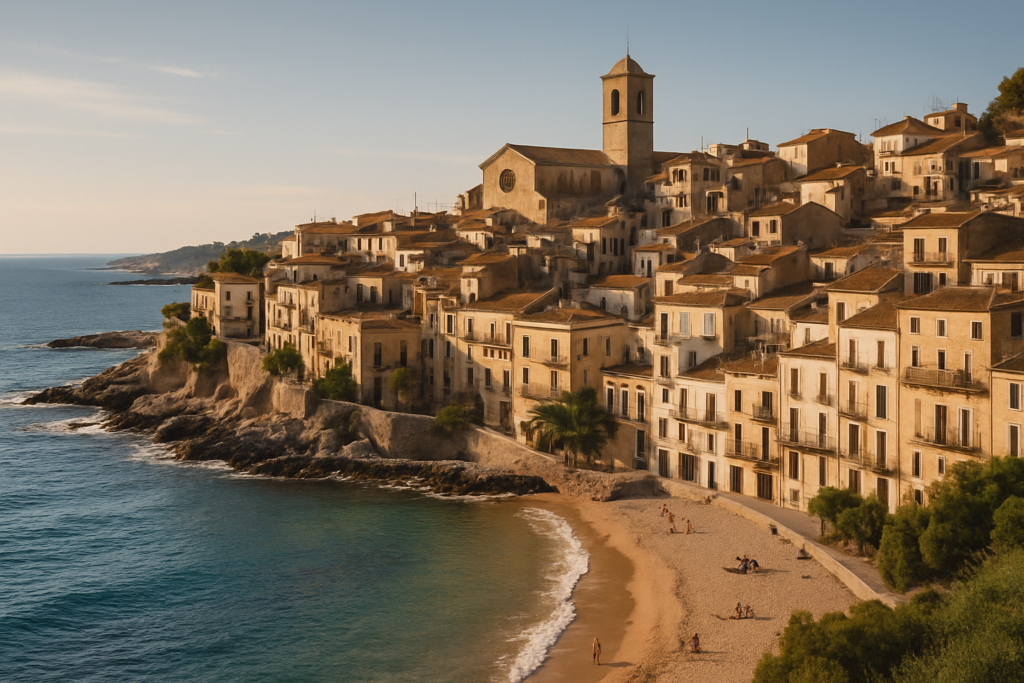
Sallent at a glance
- Riverside town on the Llobregat with an industrial past and preserved textile colonies along the river.
- Birthplace and museum of Sant Antoni Maria Claret; a pilgrimage and local-history focus.
- Connected by the C-16 road axis, giving road access south toward Barcelona and north toward the Pyrenees foothills.
- Good for cycle touring: the Llobregat river greenway and regional cycling routes pass through the town.
- Works well as a quiet base to explore nearby Bages heritage such as the potash/mining landscape and the dramatic Montserrat massif.
- Local cuisine follows Catalan interior traditions: wild mushrooms in autumn, coques, cured sausages and hearty stews.
Before you plan
There are no verified claims in our sources that list major attractions as closed or under redevelopment. Day-trip options in the surrounding Bages — for example Balsareny castle and the medieval Sèquia irrigation canal — remain part of the local heritage offering and are valid options for visits.
Things to do in Sallent
This is a town for slow, ground-level exploration: church architecture, industrial archaeology along the Llobregat, and a small commemorative museum. Activities cluster around heritage sites, riverside walks and cycle routes; combine a short town visit with a walk or a bike ride and a focused trip to one nearby heritage site for the most satisfying day.
| Attraction | What it is | Price/entry | Best for |
|---|---|---|---|
| Church of Santa Maria | Historic parish church in the town’s core | – | Architecture and quiet observation |
| Medieval bridge over the Llobregat | Historic crossing that anchors the old town | – | Short walks and photography |
| Birthplace museum of Sant Antoni Maria Claret | Museum and pilgrimage site celebrating the 19th-century saint | – | Religious history and local biography |
| Riverside textile colonies (colònies) | Industrial-heritage buildings along the Llobregat | – | Industrial archaeology and heritage walks |
| Llobregat river greenway & cycling routes | Traffic-free or low-traffic cycling and walking paths linking Bages villages | – | Cycling and outdoor exercise |
| Balsareny castle (nearby) | Regional heritage castle — a day-trip option in Bages | – | Historic hilltop viewpoints and regional history |
| Sèquia irrigation canal (nearby) | Medieval canal with historical agricultural significance | – | Heritage walks and rural landscapes |
Historic core: church, bridge and quiet streets
Begin in the historic center where the church of Santa Maria and a medieval bridge provide a compact introduction to the town’s past. These are the obvious landmarks around which the older streets and civic memory are arranged. The bridge gives a direct, short riverside stroll where you can see how the river historically structured movement and industry.
Sant Antoni Maria Claret’s birthplace — museum and pilgrimage
The house where Sant Antoni Maria Claret was born is preserved as a small museum and a focal point for local religious visitors. It’s not a large pilgrimage complex but an intimate site for anyone interested in 19th-century Catalan religious history and the Claretians’ founder. Visits are typically short and focused on objects, exhibits and local interpretation.
Industrial heritage: textile colonies and mining echoes
The town’s identity is closely tied to riverside industry: textile colonies that relied on the Llobregat for power and later the potash-mining landscape in the Bages hinterland. Walks along the riverside and short inspections of older factory buildings are best appreciated with an eye toward industrial archaeology — look for the linear patterns of worker housing and mill structures that point to how the river enabled an industrial economy.
Best beaches in the area
This is an inland destination; there are no beaches in or immediately around the town. If seaside time is essential to your trip, combine a stay here with a day or overnight on the Catalan coast — the town’s position in central Catalonia makes coastal excursions possible but they are not the local draw.
The town with kids
Families who enjoy gentle outdoor activity and museums of modest scale will find suitable things to do. The greenway and riverside paths are safe places for cycling with children, and short, focused museum visits (for example the birthplace exhibition) work well with younger attention spans. The area is better for active, inquisitive kids than for amusement-park-style attractions.
How to get to Sallent and get around
Road access is the defining travel fact here: the town sits on a road axis that connects south toward Barcelona and north toward the Pyrenees foothills. Once in the town, most points of interest are compact and walkable; the river greenway makes local cycling a practical option.
| From | By | Approx time |
|---|---|---|
| Barcelona (region) | Road via the C-16 axis | – |
| Pyrenees foothills / inland Catalonia | Road via the C-16 axis northbound | – |
Where to stay
The town functions as a quiet inland base rather than a resort with multiple accommodation districts. Choose accommodation in the historic core for immediate access to the church, bridge and small museums; alternatively, pick a riverside location for easy cycling departures along the Llobregat greenway. Outside the town, rural guesthouses in the Bages countryside serve visitors who want to combine vineyard visits and heritage drives.
Best time to visit
Timing depends on what you want to do. Autumn is particularly notable for local food culture thanks to wild-mushroom season; summer offers the best weather for cycling and exploring nearby natural sights such as the Montserrat massif; the town’s Festa Major and traditional Catalan celebrations punctuate the year and add local color when they occur.
| Season | Months | What to expect |
|---|---|---|
| Spring | – | Good for outdoor walks and early cycling; quieter than peak tourist months. |
| Summer | – | Best weather for cycling and day trips to Montserrat; more local activity but still low-key. |
| Autumn | – | Mushroom season highlights local cuisine; pleasant conditions for walking and heritage visits. |
| Winter | – | Quieter town atmosphere; good for focused museum visits and exploring industrial heritage without crowds. |
History of the town
The settlement grew where the Llobregat allowed industry to cluster: textile colonies set up along the river harnessed water power and created a pattern of mill buildings and worker housing that still marks the riverside. Later, potash mining in the Bages region became a defining economic factor, tying the town into the region’s mining landscape and linking its fortunes to the salt-mountain heritage around Cardona. Alongside industry, the town is notable as the birthplace of Sant Antoni Maria Claret, a 19th-century saint whose house is preserved as a museum and pilgrimage point, adding a religious-historical dimension to the local narrative.
Practical info
Parking: The town’s compactness makes on-street parking and short municipal parking areas the normal arrangement; the historic core is most convenient on foot. Connectivity: The C-16 road axis is the principal route for private vehicles to and from major regional centres. Accessibility: Most key sights (church, bridge, riverside paths and the birthplace house) sit relatively close together, so visitors with limited mobility can experience several highlights without extensive travel within the town. Costs: There are no verified price lists in our sources; expect typical Catalan interior food prices and small local museum charges where applicable.
Worth it for: visitors who enjoy industrial-heritage walks, low-key religious-historical sites, cycling along river greenways and using a quiet inland town as a base for exploring central Catalonia’s mining, vineyard and monastery landscapes. Less so if: you want beaches, nonstop dining and nightlife, or a densely packaged list of attractions — this area rewards patience and interest in local history more than surface-level sightseeing.
How we assess this guide
We compiled this guide by cross‑checking multiple verified local and regional sources for historical, transport and heritage claims. We flag closures or major status changes when sources indicate them; where our sources do not provide specific numbers, opening hours or prices we avoid inventing details. This is a synthesis of published facts and heritage records rather than original field reporting.
Frequently asked questions
How do I get from Barcelona to the town?
By road: the principal access is along the C-16 axis, which connects the area south toward Barcelona. Public-transport options are not detailed in our sources, so plan to use private car or check regional rail/bus operators for current services.
Is it expensive to visit?
There are no verified price lists in our sources. The town’s culinary profile follows Catalan interior traditions—local dishes are centered on seasonal produce and hearty fare—so expect normal regional pricing rather than premium resort rates.
Which beach is closest?
This is an inland destination on the Llobregat river; there are no beaches nearby. Combine a stay here with a coastal overnight if you want to add seaside time, using the town as an inland hub.
How many days do I need?
A short visit of a day will cover the main town sights (the church, bridge, birthplace museum and a riverside walk). Use two to three days if you want to add cycling routes and a day trip to nearby Bages heritage such as Balsareny castle or the Sèquia canal.
Is the town good for families with children?
Yes, for families who enjoy outdoor activities and modest museums. The greenway and riverside paths are safe for children who can cycle; museum visits are typically short and suitable for younger visitors. It is less suitable for families seeking large amusement attractions.
Can I get around without a car?
Within the town, everything is compact and walkable; the river greenway also makes cycling easy. For regional day trips, the C-16 road axis is the main route, so public-transport details should be checked locally if you plan to avoid driving — our sources emphasize road connections rather than specific public-transport timetables.
Is there parking in the town centre?
The town’s compact layout implies street parking and short municipal parking areas; the historic core is best accessed on foot from nearby parking. For longer stays, look for accommodation with parking if you are driving into the area.
What can I do on a rainy day?
Focus on indoor heritage: the birthplace museum of Sant Antoni Maria Claret and any local cultural spaces in the historic centre offer shelter and local history. Museums and quiet cafés are the local rainy-day options rather than large indoor complexes.
When is the Festa Major and what happens?
The town’s yearly calendar includes the Festa Major and traditional Catalan celebrations, which feature elements such as correfocs and sardanes. Exact dates vary by year; check local town notices for the current schedule.
Can I visit nearby Montserrat from here?
Yes. The dramatic Montserrat massif is within easy reach as a day-trip option from the area; the town serves as a quiet inland base for such excursions into regional religious and natural heritage.
Are there vineyard visits nearby?
The Bages DO vineyards are within easy reach for day trips from the town, making vineyard visits and tastings a realistic addition to an itinerary focused on central Catalonia’s produce and landscapes.
What is the town known for?
Key identifiers are its riverside industrial heritage (textile colonies along the Llobregat), its association with potash mining in the Bages, and being the birthplace of Sant Antoni Maria Claret. These elements define both the built landscape and local cultural memory.
Are there cycling routes through the town?
Yes — the Llobregat river greenway and linked cycling routes pass through, connecting Bages villages and offering traffic-calmed options for touring the riverside and nearby countryside.
What other heritage sites are easy day trips?
Balsareny castle and the medieval Sèquia irrigation canal are nearby options that broaden a visit focused on regional history and landscape. Cardona’s salt-mountain and mining heritage are also part of the wider Bages narrative.
Plan the wider trip
- Manresa
- Igualada
- Vic
- Vilanova i la Geltrú
- Piera: Anoia Wine Country, Fontanet Castle and Modernisme
- Sant Adrià de Besòs: Mediterranean city at the Besòs river mouth
Nearby on the Costa de Barcelona
Sallent on the map
This place is part of our Costa Barcelona Guide: Maresme, Garraf, Sitges & Penedès — see every town, beach and cove we have mapped on that coast.
How this page is maintained. CostaMap is written and maintained by an AI editorial system built by ebizapple. Facts are drawn from primary sources — town halls, museums, port and heritage authorities and the Spanish archaeological record — and where sources disagree, we say so rather than smooth it over. Photographs marked as ours are taken on location. This page was last reviewed on 15 August 2026. Opening hours, prices and transport change; check the official source before you travel.