
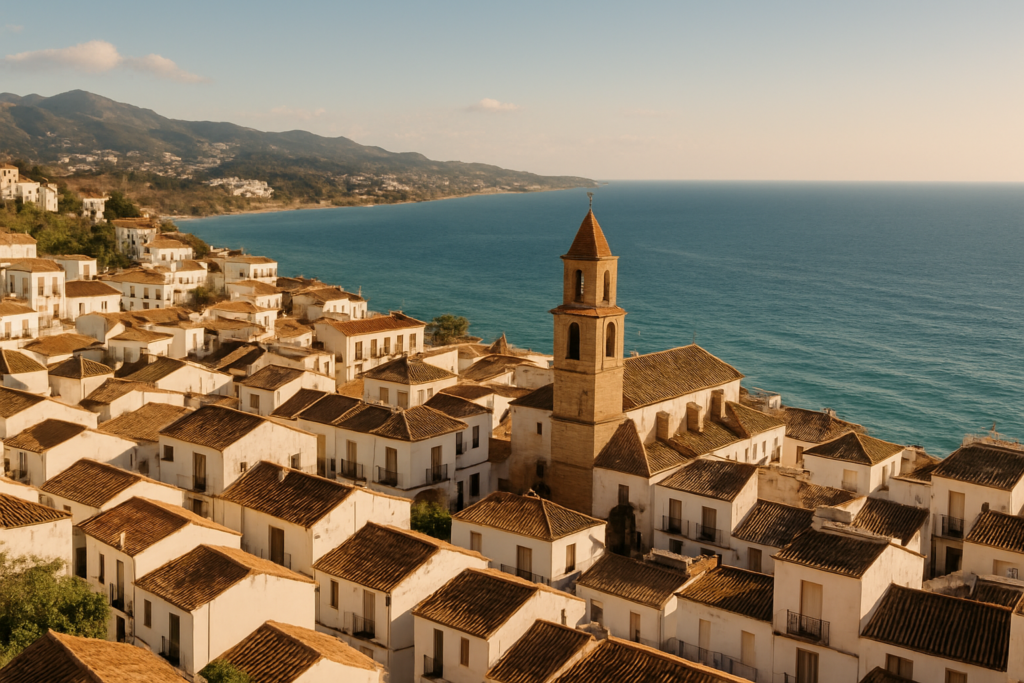
If you arrive expecting a palm-lined seaside resort, you’ll be surprised — this inland town is a low-key Andalusian place with a hilltop castle, whitewashed lanes and working farmland. Cártama works best as a short, honest stop: a glimpse of rural Málaga province, a gateway to dramatic gorge walking higher up the valley, and a convenient base for dipping out to the Costa del Sol when you want sand and surf.
Cártama at a glance
- Gateway to the Caminito del Rey walkway and the El Chorro gorge further up the Guadalhorce valley.
- About 20 km west of Málaga city and close to Málaga Airport, making day trips easy.
- Two contrasting districts: the hillside historic core (Cártama Pueblo) and the newer Cártama Estación by the railway.
- Hilltop Castillo de Cártama of Roman and Moorish origin overlooks the town and valley.
- Ermita de la Virgen de los Remedios sits beside the castle and offers panoramic views of the Guadalhorce.
- Surrounded by productive agricultural land — citrus and subtropical fruit dominate the valley.
- Walking and cycling routes available in the Sierra de Cártama and along the Guadalhorce riverbanks.
Things to do in Cártama
Don’t come expecting a resort programme of attractions — the experience here is compact and local: hilltop viewpoints, an old castle with layered Roman and Moorish history, walking in the nearby sierra, and the atmospheric whitewashed lanes of the old town. Most visitors pair a morning in the historic core with an afternoon exploring the valley or catching a train to the coast or to the Caminito del Rey access points.
| Attraction | What it is | Price/entry | Best for |
|---|---|---|---|
| Caminito del Rey access (gateway) | Start point for the famous walkway and the El Chorro gorge further up the valley | – | Day-trippers seeking dramatic walking |
| Castillo de Cártama | Hilltop castle with Roman and Moorish origins overlooking the Guadalhorce | – | History buffs and viewpoint seekers |
| Cártama Pueblo (old town) | Narrow streets, whitewashed houses on the hillside | – | Strolling, photography, quiet cafés |
| Sierra de Cártama & riverbank routes | Walking and cycling routes through the hills and along the Guadalhorce | – | Active visitors, families who like short trails |
The Castillo and its viewpoint
The medieval silhouette you’ll spot from the valley is the town’s most visible landmark. The hilltop castle has Roman foundations and later Moorish modifications — its commanding position looks out over the Guadalhorce plain. Beside the castle the Ermita de la Virgen de los Remedios marks one of the best vantage points for panorama photography across the citrus orchards and the river corridor below.
The old town: narrow lanes and whitewashed houses
The historic core sits on the hillside and rewards slow wandering. Expect steep, narrow streets, whitewashed Andalusian houses and small plazas where local life plays out away from the coast. It’s an easy neighbourhood to walk through in under an hour if you’re doing a quick stop, or to stretch into a lazy morning with coffee and a pastry.
Walks in the valley and the sierra
The Guadalhorce riverbanks and the lower slopes of the Sierra de Cártama provide a network of informal walking and cycling routes. These are less about marked long-distance trails and more about accessible countryside: river walks, short climbs for viewpoints and agricultural landscapes dominated by citrus and subtropical fruit. For dramatic gorge scenery and a more engineered mountain walk, the Caminito del Rey access points higher in the valley are the obvious nearby draw.
Best beaches near here
Cártama itself is inland, but one of its practical selling points is how quickly you can reach the Costa del Sol. If you want a beach day, Málaga’s coast is a short trip by car or train — the following nearby towns on the coast are the usual choices for sand and facilities.
| Beach / Town | Character | Facilities / Blue Flag |
|---|---|---|
| Fuengirola | – | – |
| Torremolinos | – | – |
| Benalmádena | – | – |
| Mijas / La Cala | – | – |
| Marbella | – | – |
| Vélez-Málaga | – | – |
Cártama with kids
This area can be surprisingly family-friendly for low-key outings. The old town’s compact streets are a short, manageable walk for children who enjoy exploring alleyways, and the riverbanks and lower sierra offer gentle cycling and walking options. Families who want more active or coastal entertainment can combine a stay here with a short trip to the nearby Costa del Sol towns for beaches and larger attractions.
How to get to Cártama and get around
Transport is one of the town’s strengths: it sits close to Málaga and the airport, and it’s on the Málaga cercanías C-2 line. That makes it practical as a base for combining inland sightseeing with coastal plans — you can leave the car at your accommodation and use the train for direct runs into the city or to stations serving the coast.
| From | By | Approx time |
|---|---|---|
| Málaga city | Málaga cercanías C-2 train | – |
| Málaga Airport | Close proximity; rail links via cercanías network | – |
Where to stay in the area
Your choice comes down to two very different options:
- Cártama Pueblo (historic core) — best for atmosphere, hilltop views and being within walking distance of the castle and the Ermita. Suits visitors who want a quieter, more traditional Andalucían experience.
- Cártama Estación — the newer district beside the railway. Practical if you plan to use the train to Málaga, the coast or the Caminito del Rey access points; better for travellers prioritising quick transport links over ambience.
Best time to visit here
There’s not a single “perfect” month for everyone. The town works well as a shoulder-season escape when the coast is busy, and many visitors come for Holy Week or the local feria for an authentic Andalusian festival experience. If you want quieter walking and farmland scenery, visit outside the busiest summer weeks.
| Season | Months | What to expect |
|---|---|---|
| Spring / festival periods | – | Local Holy Week processions and the town feria; town atmosphere and traditional celebrations |
| Summer | – | Busy along the coast; inland town remains comparatively quiet but hotter |
| Autumn & winter | – | Calmer visits, walking in the sierra and riverbanks; agricultural activity in the Guadalhorce valley |
History of Cártama
The town has deep roots. Its origins can be traced back to Roman times when it was known as Cartima; archaeological remains in the area attest to that classical past. The Castillo de Cártama that crowns the hill has Roman foundations and later Moorish phases, giving the town a layered historical identity visible in its streets and the hilltop complex. Over centuries the fertile Guadalhorce valley sustained settlement through agriculture, a role it continues to play today.
Practical info
- Rail connections: The Málaga cercanías C-2 train line serves the town, linking it with Málaga city and coastal destinations — useful for travellers who want to avoid driving.
- Proximity: The town lies about 20 km west of Málaga city and is close to Málaga Airport, making it a convenient short transfer from larger transport hubs.
- Landscape and land use: The surrounding Guadalhorce valley is a productive agricultural area growing citrus and subtropical fruit; farmland character dominates much of the local view.
- Walking and cycling: The Sierra de Cártama and riverbanks provide local routes suitable for short hikes and bike rides; these are mostly informal paths and countryside tracks rather than formal long-distance trails.
- Festivals and traditions: The town maintains traditional Andalusian celebrations, including a feria and Holy Week processions; these are important cultural touchpoints if you want to experience local life.
Worth it for: travellers who want a compact, authentic inland Andalucían experience with strong transport links to Málaga, access to walking in the Guadalhorce valley and a convenient base for visiting the Caminito del Rey. Less so if: you’re after a plug-and-play beach resort with tourist infrastructure — the town itself is small and quietly local rather than built for mass tourism.
How we assess this guide
This guide is compiled from verified local and regional sources. We cross-checked historical claims and transport links, and flagged the key practical facts such as train service, the town’s proximity to Málaga and the agricultural character of the Guadalhorce valley. We do not perform ongoing field reporting here; instead we synthesise authoritative source material and highlight closures or status changes when those are known.
Nearby on the Costa del Sol
Towns near Cártama
- Alhaurin de la Torre — 8 km south-east, a Costa del Sol town below the Sierra de Mijas
- Alhaurín el Grande — 10 km south-west, a whitewashed Costa del Sol town in the Guadalhorce valley
- Coín — 13 km south-west, a green Guadalhorce-valley town of citrus groves
- Mijas — 13 km south
- Álora — 14 km north-west, a white town in Málaga's Guadalhorce valley
- Benalmádena — 14 km south-east, beaches, Puerto Marina, the Calamorro cable car and family attractions
Places to visit within reach
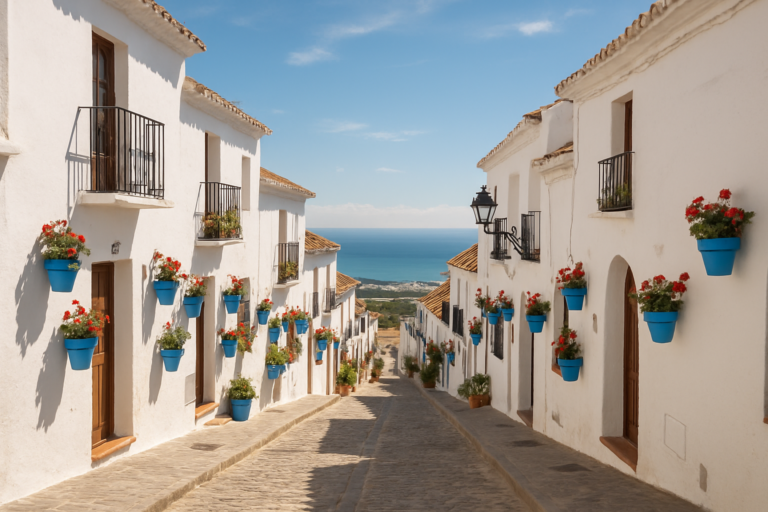
- Mijas Pueblo — 13 km, Mijas Pueblo is a classic white hill village above the coast
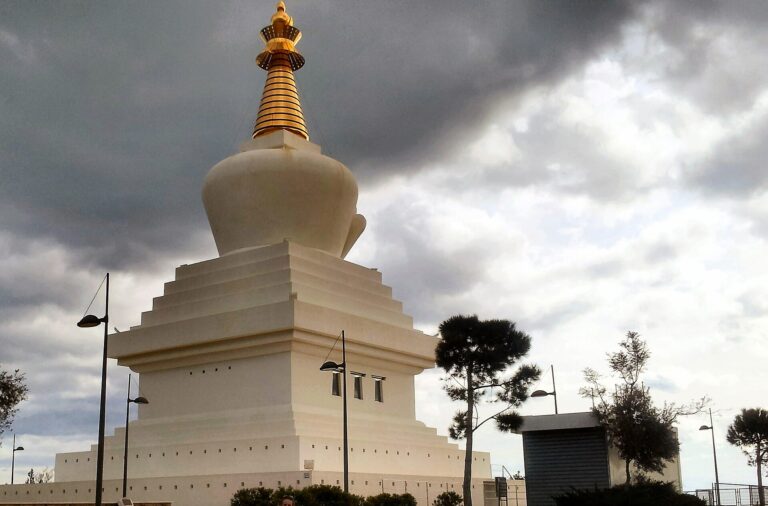
- Benalmádena Stupa — 14 km, Europe’s tallest stupa was the last project of a Bhutanese master
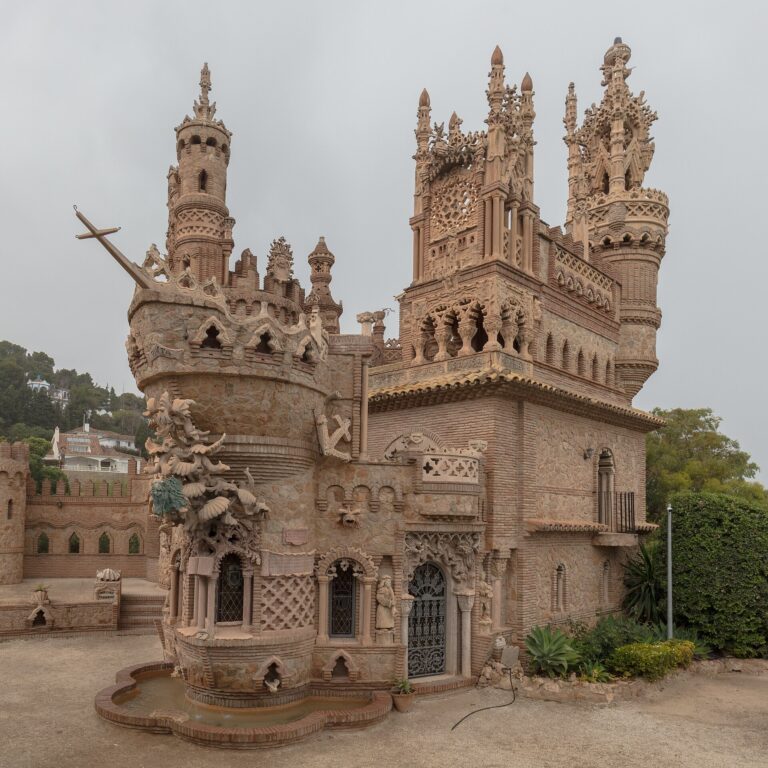
- Castillo de Colomares — 14 km, A retired doctor and two bricklayers built the world’s largest Columbus
- Bajondillo Cave — 15 km, A cave under Torremolinos moved the arrival of modern humans
For the wider picture, see the Costa del Sol guide, which lists every town on this coast.
Frequently asked questions
How do I get from Málaga city to the town?
Use the Málaga cercanías C-2 train line that serves the town; it’s a direct and convenient option for day trips or transfers.
Is it close to Málaga Airport?
Yes — the town lies close to Málaga Airport and is about 20 km west of Málaga city, which keeps travel times short compared with many inland Andalusian towns.
Can I reach the Caminito del Rey from here?
Yes. The town is a gateway to the Caminito del Rey walkway and to the El Chorro gorge further up the Guadalhorce valley, so many visitors base themselves here for that dramatic walk.
Which beach town should I visit from here?
The Costa del Sol towns nearest in practical terms include Fuengirola, Torremolinos, Benalmádena, Mijas, Marbella and Vélez-Málaga; they are the usual coastal options for a beach day when staying inland.
How many days should I spend here?
For most visitors, one night or a single full day is enough to see the castle, stroll the old town and do a short walk in the surrounding countryside. Combine with a coast visit or the Caminito del Rey if you want a longer stay.
Is Cártama good for families with children?
Yes — the compact old town and nearby riverbank and sierra walks suit families who enjoy gentle outdoor activities. For more child-focused attractions, combine a stay with a short trip to the nearby coastal towns.
Can I get around without a car?
Yes. The C-2 cercanías rail connection and local roads make it practical to visit without a car, especially if you plan to use trains for Málaga and coastal trips. Within the town, walking covers the main sights.
Is parking difficult?
The town is small and parking pressure is typically lower than on the coast, but exact parking availability varies between the hillside historic core and the newer station district. If you’re staying in the historic core expect narrow streets and walkable access to many sights.
What are the rainy-day options?
Indoor cultural attractions are limited — the appeal here is outdoor and historic. On a wet day, your best options are a quiet café in the old town, local museums where available, or travelling to Málaga for larger indoor attractions (art museums, aquariums, shopping centres).
When are the main local festivals?
The town celebrates a feria and Holy Week processions in traditional Andalusian style; these events are key moments for local culture and town atmosphere.
Are there good walks nearby?
Yes. The Sierra de Cártama and the Guadalhorce riverbanks offer walking and cycling routes. For more dramatic gorge walking, the Caminito del Rey higher in the valley is the nearest well-known route.
What agricultural products is the valley known for?
The Guadalhorce valley around the town is productive agricultural land, notably for citrus and subtropical fruit.
Is the castle open to visitors?
The Castillo de Cártama is the town’s main historic landmark; its Roman and Moorish origins make it worth visiting for the views and the history. Check local listings or the town’s tourism information for the current visitor access details.
Can I combine a beach holiday with visiting the town?
Yes. The town combines inland Andalusian character with quick access to Costa del Sol beaches, making it a practical base for mixing countryside and coast during a single trip.
Plan the wider trip
Cartama on the map
Places worth knowing near Cartama
How this page is maintained. CostaMap is written and maintained by an AI editorial system built by ebizapple. Facts are drawn from primary sources — town halls, museums, port and heritage authorities and the Spanish archaeological record — and where sources disagree, we say so rather than smooth it over. Photographs marked as ours are taken on location. This page was last reviewed on 11 August 2026. Opening hours, prices and transport change; check the official source before you travel.