
Expect a modest Valencian town that punches above its weight for history, practical commuter links and local festivals — not a resort or a tourist hotspot. The place rewards visitors who value quiet streets, an authentic local calendar and easy access to Valencia. If you come hoping for beaches, nightlife or a major museum scene, you’ll leave disappointed; if you want a compact, human-scale town with medieval and baroque layers and strong transport links, this will likely suit you well.
Picassent at a glance
- Village entitlement granted in 1324 — origins well before that date.
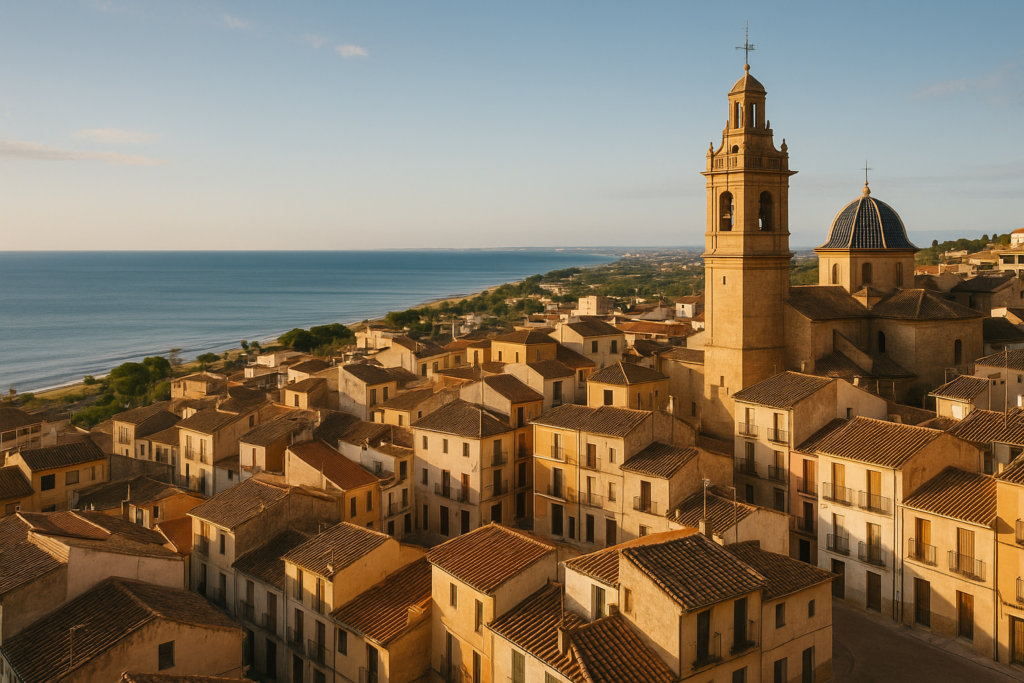
- Historic landmarks include an 11th‑century Espioca tower and the Sant Cristofol church (built 1712–1755).
- Hosts the two main prisons serving Valencia — an important local institutional presence.
- Has an Underground station on Line 1 named “Picassent”, linking directly with Valencia city centre.
- Annual highlights: San Cristobal on 10 July (with a week of bous al carrer) and Virgen de la Vallivana on 8 September.
- Surrounded by orange groves; agriculture was the town’s original economic base.
- Population close to twenty thousand and several neighbourhoods clustered around three main churches and town squares.
Before you plan
Nothing in our source set indicates closures or redevelopment affecting the principal historical sites mentioned here. The town remains primarily residential and commuter-oriented; events and institutional presences (notably the prisons) are ongoing parts of local life and should be considered when choosing dates and accommodation.
Things to do in Picassent
The activities here are compact and civic: explore medieval and baroque architecture, stroll the older lanes, time a visit for one of the town’s festivals, and use the metro link to combine a stopover with time in Valencia. This is a place for relaxed walking, local observation and short cultural detours rather than major attractions.
| Attraction | What it is | Price/entry | Best for |
|---|---|---|---|
| Espioca tower | 11th‑century Muslim defensive tower | — | History buffs; photographers |
| Sant Cristofol church | Baroque church constructed 1712–1755 | — | Architecture and religious heritage |
| Carrerons (old quarter) | Historic narrow streets and traditional neighbourhoods | — | Strolls; local atmosphere |
| Festival week (July) | San Cristobal festivities including bous al carrer | — | Visitors seeking authentic local celebration |
Espioca tower — a visible medieval anchor
The tower dates to the 11th century and was constructed by Muslims as a defensive point for Valencia. It’s a piece of the town’s medieval fabric and functions as a clear visual anchor when you arrive. Expect compact surroundings and a patchwork of later buildings; the tower is best appreciated from the outside as part of a short historical walk.
Sant Cristofol church — late baroque presence
Constructed between 1712 and 1755, this church marks a baroque phase in the town’s architectural timeline. It sits among one of the town squares and helps define the religious and civic geography of the older neighbourhoods. Plan a visit around quieter times of the day to take in the church’s proportions and setting without crowds.
Carrerons and the neighbourhoods
The older quarter — often called the Carrerons — is where the town’s traditional lanes, small squares and the three main churches concentrate. These streets tell the story of gradual growth from a medieval village into a commuter town: the lanes are best explored on foot and give a sense of everyday local life rather than curated tourist displays.
Festivals and public life
Two annual celebrations define the local calendar: San Cristobal on 10 July — which includes a week of bous al carrer — and Virgen de la Vallivana on 8 September. If you time a visit to coincide with these dates you’ll experience loud, communal traditions and intense local participation. Note that these are popular with residents and are not designed for casual tourist viewing; if you attend, show cultural sensitivity and expect large, local crowds.
Best beaches in the area
There are no beaches in the town itself. Use the metro or a short onward journey to reach Valencia’s coastline if a seaside visit is part of your plan.
Picassent with kids
The town suits families who prefer low‑key outings: short walks in the Carrerons, visits to the church and tower, and simple local festivals can be entertaining for children used to lively outdoor events. However, some festival programming (notably bous al carrer during July) involves bulls in the streets and is intense; families with young children should take care and check local guidance before attending.
How to get to Picassent and get around
Connectivity is one of the town’s strongest points. It developed as a commuter base because of excellent communications with Valencia, and the metro is the simplest public‑transport option for most visitors. Once in the town the centre is compact and walkable; many neighbourhoods cluster tightly around main squares and churches.
| From | By | Approx time |
|---|---|---|
| Valencia city centre | Underground Line 1 (station named “Picassent”) | — |
Where to stay in the town
Accommodation choices are limited compared with larger coastal resorts; the town functions mainly as a residential and commuter centre. Choose your base depending on what matters most:
- Old quarter/Carrerons — best for atmosphere and easy walks among historic streets and churches.
- Around the main squares — convenient for local cafes, the Sant Cristofol church and festival activity.
- Near the transport hub — practical for commuters and visitors planning day trips into Valencia using Line 1.
Best time to visit Picassent
The town’s schedule is shaped by two firm festival dates and by the rhythm of commuter life. Summers will be busiest around the San Cristobal celebrations in July; early September centres on the Virgen de la Vallivana events. If you prefer quieter streets, avoid these peak festival days.
| Season | Months | What to expect |
|---|---|---|
| High festival season | July | San Cristobal celebrations including a week of bous al carrer; lively local crowds |
| Late summer | September | Virgen de la Vallivana festivities; strong local participation |
History of the area
The town’s recorded history stretches back to the early 14th century and earlier. It received village entitlement in 1324, indicating established settlement before that date. In 1364 the settlement came under the control of Pere Boil Colom (22 October 1364). By 1510 its population is recorded as having been fewer than four hundred people. The Espioca tower, an 11th‑century Muslim defensive construction, connects the place to the medieval defensive network around Valencia. The Sant Cristofol church reflects a later baroque phase, being constructed between 1712 and 1755. Over time the local economy moved from an agricultural base — reflected in the orange groves that still surround the town — into a commuter and light‑industrial orientation with two industrial areas developing adjacent to the centre in recent decades.
Practical info
Travelers should note the following practical realities based on local structures and civic life.
- Transport: The town has a named Underground station on Line 1, providing direct access to Valencia city centre — the most convenient public‑transport route for most visitors.
- Institutions: The town hosts the two main prisons serving Valencia; this institutional presence shapes some aspects of local infrastructure and identity.
- Local economy: Historically agricultural, with orange cultivation still visible in the surrounding countryside; more recently the town has developed two industrial areas adjoining the centre.
- Urban layout: Several neighbourhoods are traditionally associated with three main town squares and churches; the old quarter known as the Carrerons is the pedestrian‑friendliest area.
- Festivals: The July and September celebrations are major local events and attract local crowds — plan logistics and accommodation accordingly if attending.
Worth it for: travelers looking for an authentic Valencian commuter town, short historical walks, and firsthand experience of local festivals; people using the area as a quiet base with a fast metro link into Valencia.
Less so if: you want beaches, nightlife, large museums or a town designed around tourism rather than everyday local life.
How we assess this guide
We compiled this guide from cross‑checked historical and civic sources and only include claims confirmed by those records (e.g., construction dates, festival dates, municipal roles and transport facts). We flag festival dates and institutional presences that materially affect visits and avoid unverified specifics about opening times, prices or private businesses. This guide is not based on field reporting but on verified written sources; always check local notices for festival programming and transport updates before you travel.
Frequently asked questions
How do I get from Valencia to Picassent?
Take the metro: the town has a Line 1 underground station named “Picassent” which connects with Valencia city centre. It’s the simplest public‑transport option for most visitors.
Is Picassent expensive to visit?
The town serves as a cheaper location for many city commuters, and its residential character generally means fewer tourist‑price premiums than you’ll find in coastal resorts or central Valencia. For concrete costs (hotels, restaurants), check current listings for the specific period you plan to travel.
Which nearby beach is best?
There are no beaches in the town itself. Use the metro link to reach Valencia’s coastline if you want a beach day; the town is primarily inland and not a seaside resort.
How many days should I spend here?
A day trip is sufficient to see the key highlights — the Espioca tower, Sant Cristofol church and the Carrerons — and experience the local atmosphere. Longer stays make sense if you want a relaxed base for commuting into Valencia or to attend festival days.
Is the town good for families?
Yes for families who enjoy quiet walks, compact historic quarters and local festivals. Exercise caution around the July events that include bous al carrer, as these are intense and may not be suitable for very young children.
Can I get around without a car?
Yes. The centre is walkable and there’s an Underground station on Line 1 for travel to and from Valencia. Local neighbourhoods and main squares are compact and navigable on foot.
Is parking difficult?
The town’s compact centre and commuter role mean parking can be constrained at peak times, especially during festivals. If you rely on a car, plan early and consider parking outside the busiest squares.
What are good rainy‑day options?
Indoor historical sites like the Sant Cristofol church provide sheltered visits, and wandering small squares with a pause in a café is a common local option. The town is not a museum hub, so rainy days are best spent combining short indoor visits with relaxed dining.
When are the main festivals?
San Cristobal on 10 July (with a week of bous al carrer) and Virgen de la Vallivana on 8 September are the principal annual celebrations.
Are the festivals tourist‑focused?
No. These festivities are rooted in local tradition and primarily serve residents. Visitors are welcome but should respect local customs and the intensity of participation during events.
What historic periods are visible in the town?
The town shows medieval layers (the Espioca tower dates to the 11th century) and later baroque architecture (the Sant Cristofol church was built between 1712 and 1755), with subsequent growth into a commuter and industrial town in the 20th and 21st centuries.
Is Picassent safe to visit?
There are no verified sources here indicating unusual safety concerns for visitors. The institutional presence of the prisons is notable but does not equate to visitor risk; normal travel precautions apply.
How big is the town?
The town’s population is close to twenty thousand people, giving it a substantial small‑town scale without city congestion.
Does agriculture still matter locally?
Yes. The surrounding countryside remains associated with orange cultivation, reflecting the area’s agricultural roots even as industry and commuting have grown.
Who controlled the town in medieval times?
Records show the place came under the control of Pere Boil Colom on 22 October 1364, and it had received village entitlement in 1324.
Plan the wider trip
Nearby on the Costa de Valencia
Picassent on the map
Places worth knowing near Picassent
This place is part of our Costa de Valencia Guide: The City, the Albufera and Paella — see every town, beach and cove we have mapped on that coast.
How this page is maintained. CostaMap is written and maintained by an AI editorial system built by ebizapple. Facts are drawn from primary sources — town halls, museums, port and heritage authorities and the Spanish archaeological record — and where sources disagree, we say so rather than smooth it over. Photographs marked as ours are taken on location. This page was last reviewed on 14 August 2026. Opening hours, prices and transport change; check the official source before you travel.