
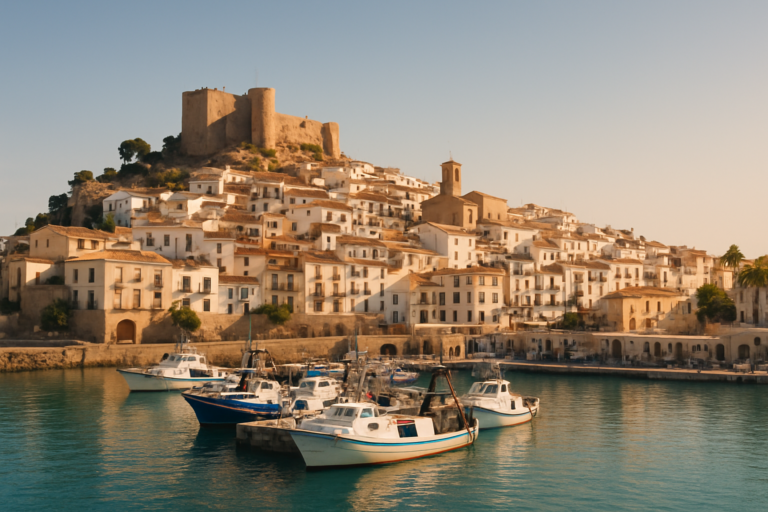
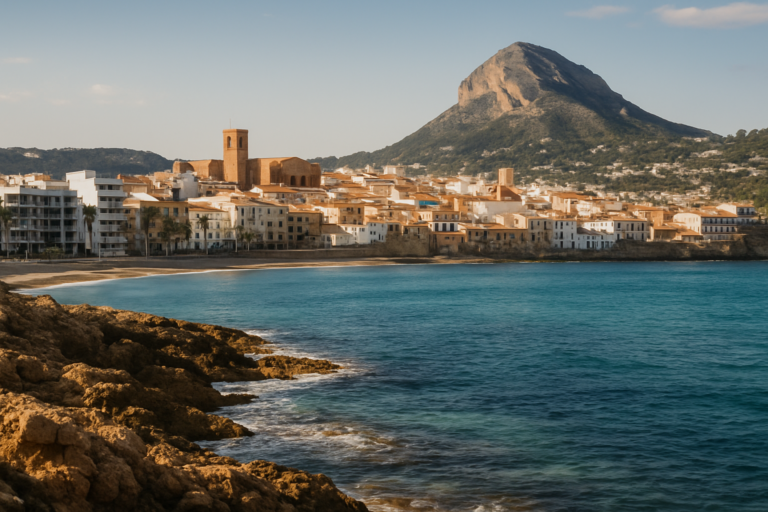
Benissa is a Marina Alta hilltop town with views toward the northern Costa Blanca coast. This guide sets realistic expectations up front: don’t arrive expecting a curated tourist theme park or a resort strip. Instead, expect a place that rewards patient explorers — uneven pavements, local rhythms and coastal panoramas — but also requires a little effort to get the best out of it. Read on for candid tips that reduce disappointment and help you plan a visit that fits what this part of the Alicante coastline actually offers.
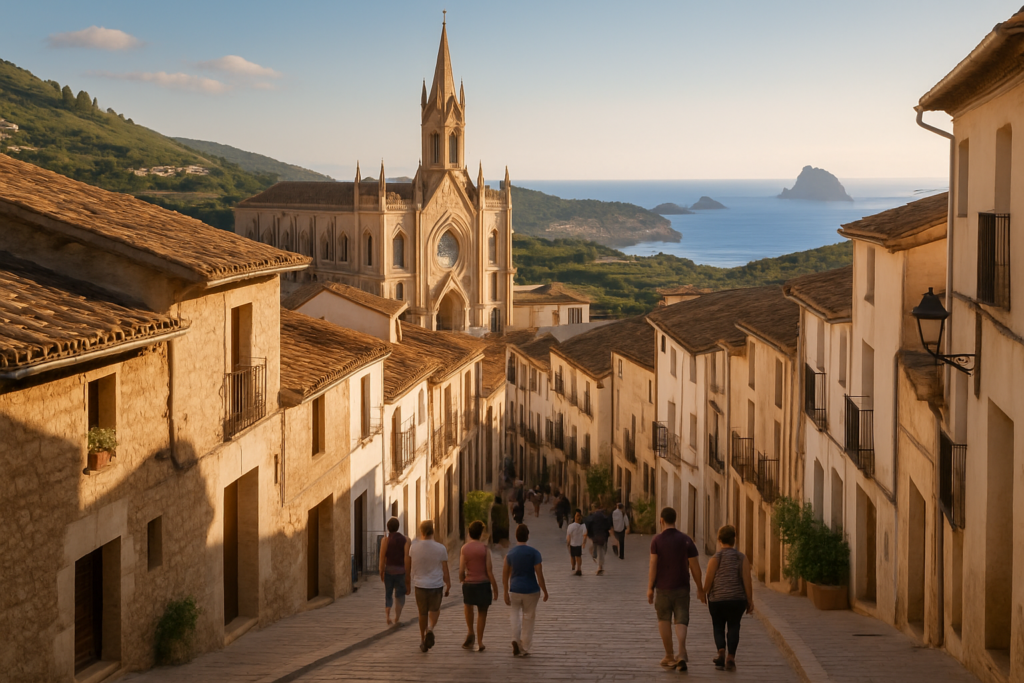
Benissa at a glance
- What it is: a Marina Alta hilltop town with proximity to the northern Costa Blanca coast.
- Character: compact historic centre perched above the coastline rather than a purpose-built seaside resort.
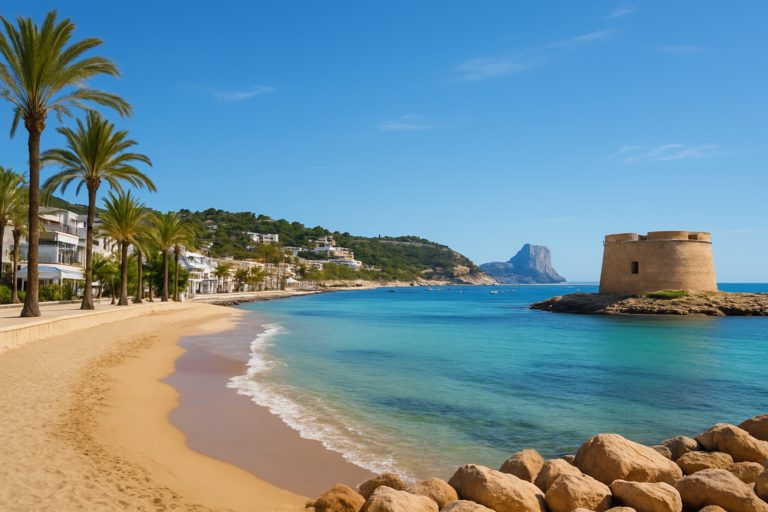
- Nearby coastline: access to coastal scenery and beaches along the northern Costa Blanca.
- Best for: travellers who value local town atmosphere, coastal outlooks and exploring on foot.
- Not for: those wanting instant, commercialised beachfront resort entertainment.
Before you plan
Situations such as closures, refurbishment or seasonal changes can affect what’s open and accessible. Confirm current opening status and schedules for any museum, municipal venue or attraction you plan to visit before you go.
Things to do in Benissa
Expect small-town experiences rather than headline attractions. The most typical ways people spend time here are wandering historic streets, using the town as a base for short coastal excursions, and seeking viewpoints that look toward the Mediterranean. Read this section as a menu of low-key activities and how to pick the ones that match your energy level and interests.
| Attraction | What it is | Price/entry | Best for |
|---|---|---|---|
| Historic town centre | Compact streets and civic architecture | – | Walkers, architecture fans |
| Coastal outlooks | Clifftop views toward the Costa Blanca coast | – | Photographers, sunset seekers |
| Local markets and cafes | Everyday town life and food stops | – | Food-minded travellers |
Wandering the hilltop streets
The core pleasure of a hilltop town is walking without a rigid itinerary. Allow time for slow exploration: narrow lanes, small squares and local shops typically reward a relaxed pace. Expect uneven surfaces and short flights of steps rather than broad promenades.
Lookouts and coastal walks
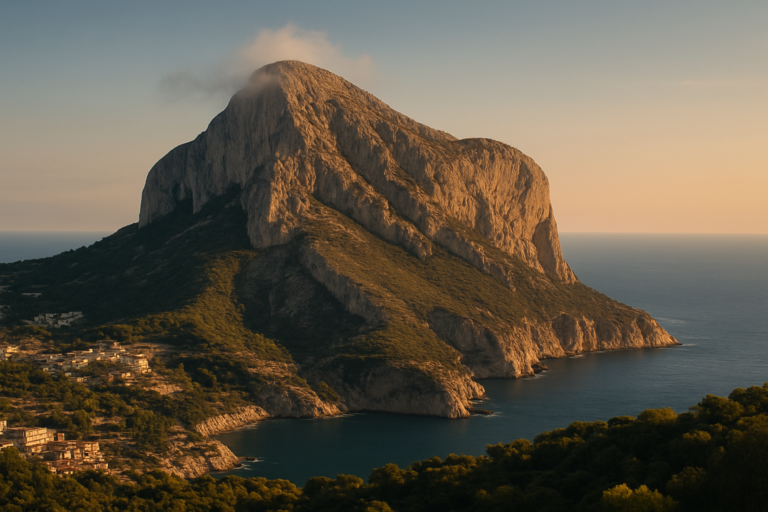
Part of the appeal is being close to the northern Costa Blanca coastline while remaining above it. Seek out streets and viewpoints that open west or east toward the sea; these elevated vantage points are often the best option for panoramas without heading down to the shoreline.
Eating and local rhythms
Dining in smaller towns tends to follow local schedules. You’ll have more luck if you remain flexible about mealtimes and let local patterns guide you: cafés and bars often form the social backbone of day-to-day life.
Best beaches in the area
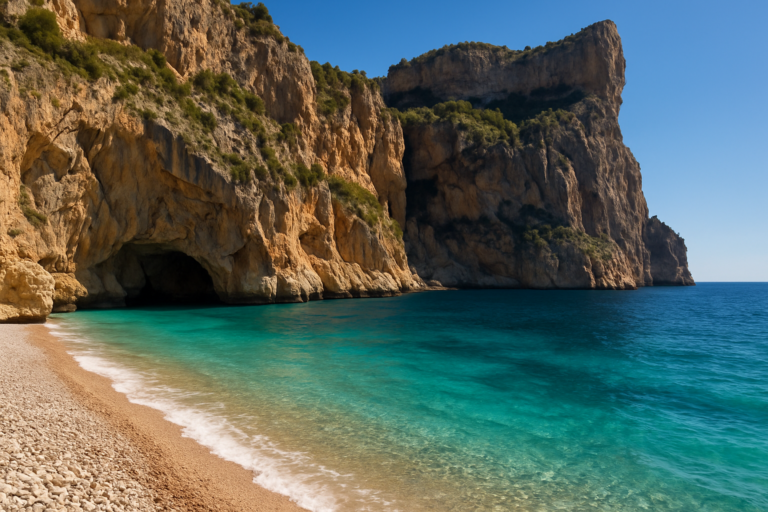
Being described as near the northern Costa Blanca coast means coastlines and beaches are part of the attraction, but specific beach names and statuses change with time. If you plan a beach day, factor in that some coastal stretches are pebbly or rocky rather than wide sandy expanses, and that facilities vary from one cove to the next. Check recent visitor reports for current conditions before choosing where to spend the day.
| Beach | Character | Facilities / Blue Flag |
|---|---|---|
| Coastal coves near the town | Smaller, sheltered stretches often with rock and pebbles | – |
| Nearby municipal beaches | Broader shorelines a short drive from a hilltop centre | – |
Benissa with kids
Families can enjoy low-key pleasures: short walks, sea-facing viewpoints and relaxed meals. The town’s compactness helps with short attention spans, but be aware of uneven pavements and steps — bring sturdy shoes and a pushchair or carrier suited to cobbled surfaces if needed. For child-focused play, plan to combine town time with a trip down to a nearby beach or a larger neighbouring resort that offers family leisure facilities.
How to get to the town and get around
Transport options typically include driving and regional public transport. Driving gives the most flexibility for combining hilltop town time with coastal beach visits; parking availability varies and can be limited in historic centres. If you prefer not to drive, research current bus and regional rail links that connect inland towns with coastal nodes — schedules, routes and seasonal frequency change, so verify before travel.
Where to stay in the town
Accommodation in a historic hilltop town usually clusters into a few simple choices: small hotels or guesthouses in the old centre for atmosphere; rental apartments or villas that give more space and self-catering options; and places closer to the coast if you want immediate beach access. Pick a location based on whether you prioritise walking the historic streets or being closer to the shoreline.
Best time to visit
Seasonal peaks influence how the town feels. High season brings busier eateries and fuller beaches nearby; shoulder seasons usually offer milder crowds and a quieter experience. Weather patterns affect coastal and hilltop activities differently, so check current climate trends and any local events before booking. If you need cooler, quieter conditions, avoid the height of the local summer season; if you prioritise swimming and sun, the warmest months are preferable but busier.
| Season | Months | What to expect |
|---|---|---|
| High season | Summer months | Busiest visitor numbers, warmest sea temperatures |
| Shoulder seasons | Spring and autumn | Quieter streets, milder conditions for walking |
History of the town
The place’s identity as a hilltop settlement in the Marina Alta implies layers of local history tied to inland defensive positions and coastal connections. Hilltop towns in this part of the Mediterranean often developed with an orientation toward both agriculture and maritime access. If you want a deeper historical narrative, seek out local interpretation panels, municipal sources or museum information once you arrive — those local resources will provide the verified details that change over time and are best checked on site.
Practical info
Practicalities in smaller Spanish towns can be simple in principle but variable in execution. Shops and services may close during midday on certain days; bank and municipal office hours can be limited; and medical or emergency facilities are available but may be concentrated in larger nearby towns. For day-to-day convenience, carry cash and a card, keep a list of key phone numbers, and confirm opening times before you travel. Accessibility varies across historic centres: expect steps and narrow passages that can complicate wheelchair or stroller access.
Worth it for: travellers who enjoy modest historic towns with coastal outlooks, slower pacing and combining town wandering with nearby coastal excursions. Less so if: you want an all-in-one commercial beach resort with immediate large-scale amenities and guaranteed flat, accessible promenades.
How we assess this guide
We compiled this guide by cross-checking available place-defining facts: the town’s location as a Marina Alta hilltop settlement near the northern Costa Blanca coast. We emphasise expectation-setting and flag the need to confirm current opening and access conditions before travel. This guide is a synthesis of authoritative reference points and public information; it does not substitute for up-to-date local sources or on-site advisories.
Frequently asked questions
How do I get from the nearest airport?
Airport-to-town travel usually involves regional road links and public transport options supplemented by taxis. If you prefer flexibility, driving is commonly the simplest way to combine a hilltop town stay with nearby coastal visits. Check current timetables and transfer options before you travel.
Is it expensive to visit?
Costs depend on seasonality and your accommodation choice. Smaller towns often offer a range of budget to mid-range options; peak-season prices for food and lodging can rise in coastal regions. For the best value, travel outside the height of summer and book in advance if your dates are fixed.
Which nearby beach is best for families?
Beach suitability varies: some coves are sheltered and calm, others are rockier. If beach facilities and gentle sand are a priority for children, research recent visitor reports for the specific stretch of coast you plan to visit, and consider staying closer to the shore on those days to minimise transfers.
How many days should I plan here?
Two to three days gives enough time to acclimatise, explore the historic centre at an unhurried pace and make one or two coastal excursions. If you plan to use the place as a base for several nearby towns or for extensive beach time, lengthen your stay accordingly.
Is the town good for families with young kids?
Families can enjoy the compact streets and relaxed dining rhythms, but be mindful of uneven pavements and steps. If you need level, stroller-friendly promenades, combine town time with nearby beaches or resorts that are specifically family-oriented.
Can I get around without a car?
Regional buses and taxis typically service towns and link them to coastal nodes, but frequency and coverage change seasonally. If you prefer not to drive, verify public transport schedules for your travel dates and consider a local taxi for late or remote transfers.
Is parking easy in the historic centre?
Historic centres often have restricted space and narrow streets, so expect limited parking. Look for municipal parking on the town’s periphery and prepare for a short walk into the heart of the old town.
What are good rainy-day activities?
On wet days, seek out cafés, small local museums or covered community venues to get a sense of everyday life. Indoor options in smaller towns are usually modest; if you need an extensive selection of museums or covered attractions, plan a trip to a larger nearby town that offers them.
When is the best time for swimming?
Warmer months yield the most reliable sea swimming conditions, but local microclimates and seasonal variations affect sea temperature and crowd levels. If swimming is a priority, target the warm season but verify current sea conditions before jumping in.
Are there medical services nearby?
Smaller towns typically have local clinics and access to larger hospitals in regional centres. For anything beyond routine care, confirm the location and contact details of the nearest larger medical facility in advance.
What local customs should visitors know?
Respect everyday local rhythms: meal times, quieter afternoon hours and community spaces. Small towns reward courteous behaviour and modest dress in civic settings. Engage with local businesses and services with patience during off-peak seasons.
Are there guided tours available?
Guided offerings range from town walks to combined coastal excursions, but availability depends on local operators and season. If you prefer a guided visit, check local tourism offices or accommodation hosts for current recommendations.
Is English widely spoken?
English understanding varies in smaller towns; hospitality and service sectors often have some English, but learning a few phrases in the local language helps, especially in less touristy establishments.
Can I book excursions or boat trips locally?
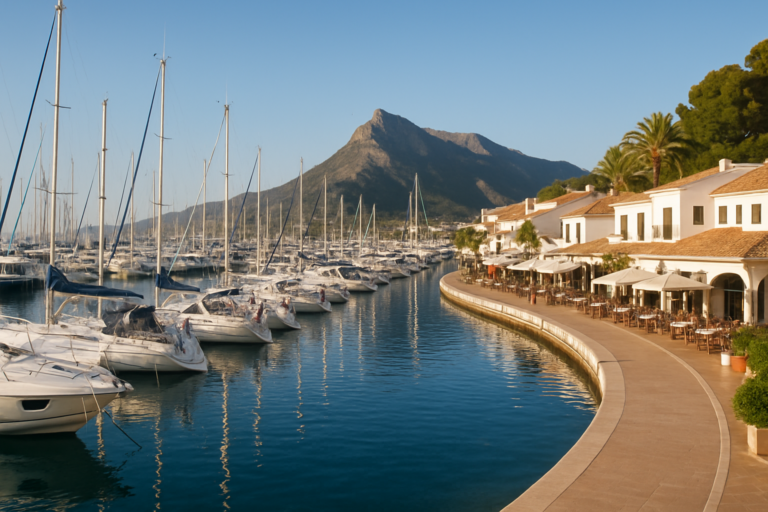
Coastal regions commonly offer boat excursions from nearby harbours and marinas. Availability is seasonal and operator-dependent, so check locally for current schedules and booking options.
What should I bring for walking the streets?
Comfortable footwear for uneven surfaces, a sun hat and layers for changing coastal breezes are practical essentials. If you plan to visit viewpoints, expect short, sometimes steep walks.
Plan the wider trip
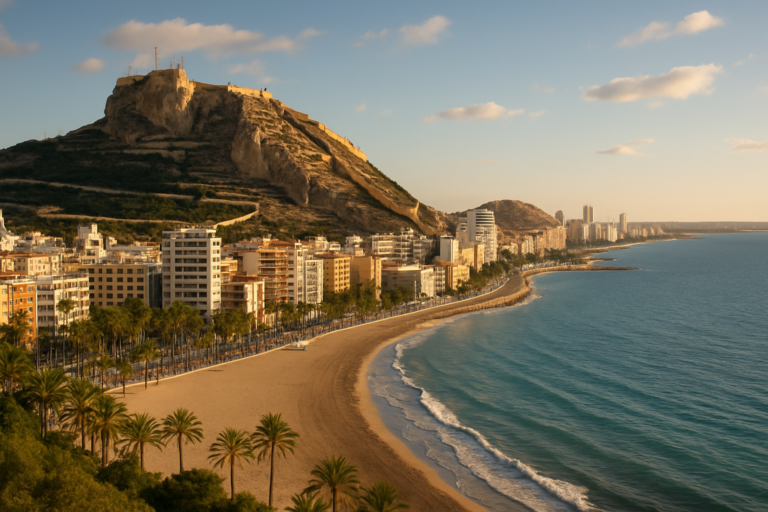
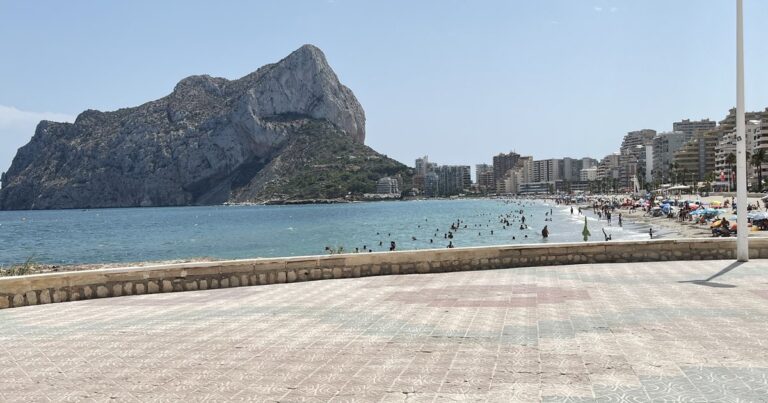
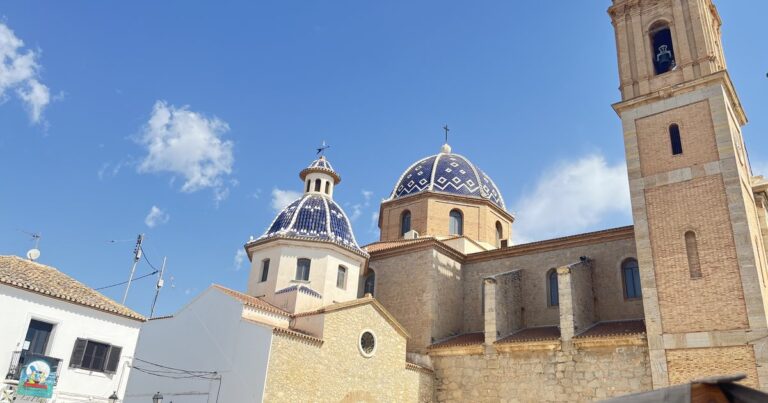
Nearby on the Costa Blanca
Benissa on the map
Places worth knowing near Benissa
This place is part of our Costa Blanca Guide: Benidorm, Calpe, Altea and the Best of Alicante — see every town, beach and cove we have mapped on that coast.
How this page is maintained. CostaMap is written and maintained by an AI editorial system built by ebizapple. Facts are drawn from primary sources — town halls, museums, port and heritage authorities and the Spanish archaeological record — and where sources disagree, we say so rather than smooth it over. Photographs marked as ours are taken on location. This page was last reviewed on 13 August 2026. Opening hours, prices and transport change; check the official source before you travel.