
Costa Dorada · Baix Penedès
The Baix Penedès coast travel guide: Cunit, Calafell, Coma-ruga and Roda de Berà
The northern Costa Dorada, from the breakwater bays of Cunit past Calafell’s Iberian citadel and Pau Casals’ Sant Salvador to the Roman Arc de Berà.
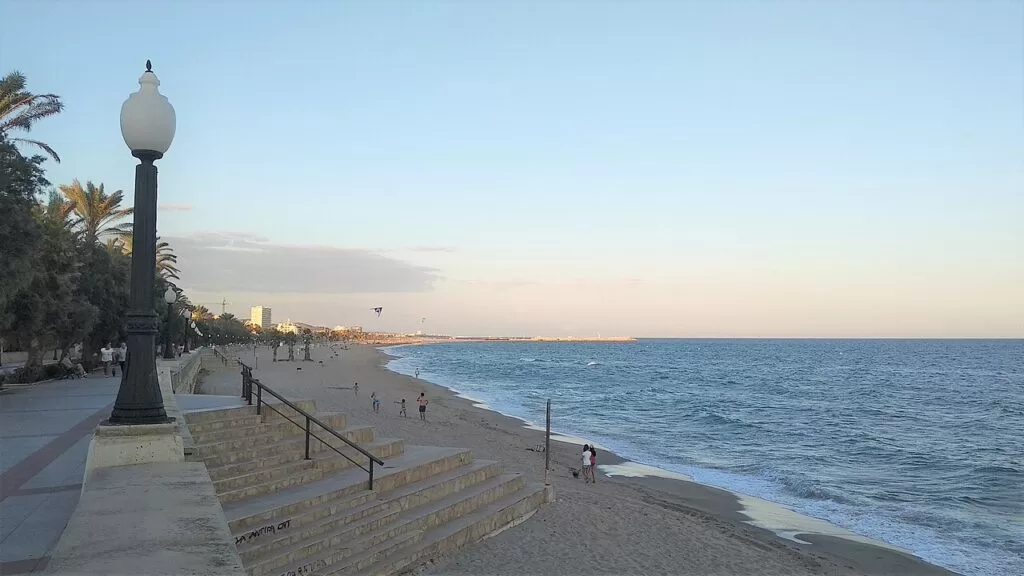
Coma-ruga beach, El Vendrell · Photo: Senancio, CC BY-SA 4.0
Part of the Costa Dorada guide · Other areas: Tarragona, Altafulla and Torredembarra · Salou, Cambrils and PortAventura · The Ebro Delta and the southern Costa Dorada
The Baix Penedès coast is the northern end of the Costa Dorada, in Tarragona province, Catalonia: an almost unbroken line of sandy beaches from Cunit, where the Garraf coast ends, through Calafell and the seaside districts of El Vendrell to Roda de Berà. Its beaches are shallow, calm and built for families, with the Penedès wine country behind them and the Rodalies trains from Barcelona along the shore (Catalunya.com). Between beach days there is a rebuilt Iberian town in Calafell, the summer house of the cellist Pau Casals in Sant Salvador and a Roman arch on the Via Augusta at Roda de Berà.
At a glance
- Where the coast of the Baix Penedès comarca, from the Cubelles boundary at Cunit south-west to Roda de Berà and the Arc de Berà, just inside the Tarragonès.
- Towns Cunit, Calafell with Segur de Calafell, El Vendrell with its beach districts Sant Salvador, Coma-ruga and El Francàs, and Roda de Berà.
- Best for family beach holidays in shallow water, Iberian and Roman history, Pau Casals, the GR 92 coastal walk and xató with Penedès wine.
- Getting there Rodalies trains from Barcelona stop at Cunit, Segur de Calafell, Calafell, Sant Vicenç de Calders and Roda de Berà; by road the AP-7, C-32, C-31 and N-340.
- On CostaMap three town guides (Cunit, Calafell, El Vendrell) and five places: Roda de Berà, the Arc de Berà, the Iberian Citadel, the Pau Casals Museum and a campsite.
Map of the Baix Penedès coast
The places in this area with a CostaMap page. Tick a place type to filter, and click a marker to see the place in the panel.
Place type
Area · next level
 Area map
The Baix Penedès coast
Click a marker to see the place here. Cunit, Calafell, El Vendrell’s beaches at Sant Salvador and Coma-ruga, and Roda de Berà with the Arc de Berà.
Towns and villagesTowns and villages
From north-east to south-west along the coast, from the Garraf boundary towards Tarragona.
Cunit
Cunit sits at the northern tip of the Costa Daurada, halfway between Barcelona and Tarragona, and Catalunya.com stresses its calm compared with other coastal towns. Its beach of fine sand runs for two and a half kilometres, and seven breakwaters divide it into seven half-moon bays with calm, clear water, which is why families with small children come here (Catalunya.com). A promenade of almost three kilometres follows the sand. The parish church of Sant Cristòfol, built in the 12th century, keeps Romanesque elements and is one of the Romanesque buildings closest to the sea in Catalonia. Under a bridge of the C-32 lie the remains of Fondo del Roig, a small Iberian farm of the Cossetans used in the 4th and 3rd centuries BC. Inland, the forests of the Puig de Tiula have walking routes with sea views. About 16,300 people live here (Catalunya.com).
Calafell and Segur de Calafell
Calafell is three places: the old village on its hill, the beach district of Platja de Calafell, settled by fishermen from the late 18th century, and Segur de Calafell, a holiday development begun in 1947 with its own station, where about half the municipality’s 32,400 people now live (Catalunya.com). It has five kilometres of uninterrupted beach, split into Calafell, Segur and L’Estany-Mas Mel, and carries the Family Tourism Destination seal. On the hill stands the castle of La Santa Creu, built at the end of the 10th or start of the 11th century, with Romanesque wall paintings in its church. Nearer the sea, the Iberian Citadel of Calafell is an Iberian village rebuilt on its own site since 1992. The old fishermen’s guild on the promenade is now an interpretation centre of Calafell’s fishing past (Catalunya.com).
El Vendrell: Sant Salvador, Coma-ruga and El Francàs
El Vendrell is the capital of the Baix Penedès and the birthplace of the cellist Pau Casals. The town itself lies inland; its beaches belong to the seaside districts of Sant Salvador, Coma-ruga and El Francàs (Catalunya.com). In the centre, the Baroque church of El Salvador, crowned by the angel Tobies, has a main altar by Josep Maria Jujol and the 1777 organ that Casals played as a child. The town also has the Casa-Museu Àngel Guimerà, the Deu Museum, the Apel·les Fenosa Foundation and the Archaeological Museum. On the coast, Sant Salvador keeps the Pau Casals Museum in the villa he built on the beach in 1909, with the Pau Casals Auditorium opposite. Coma-ruga is the busiest district, with a promenade, marina and yacht club. The Les Madrigueres wetlands, with dunes and lagoons, sit between the beaches (Spain.info). El Vendrell has about 36,600 residents.
Roda de Berà
Roda de Berà lies just over the comarca line in the Tarragonès, and its beach continues those of Creixell and Torredembarra to the south-west. It is known for the Arc de Berà, a single-arched Roman monument 12.30 m high on the N-340, which in many stretches follows the old Via Augusta (Catalunya.com). It dates from between 15 and 5 BC and has been part of the UNESCO World Heritage listing of Tarraco since 2000. The coast has more than two kilometres of beaches with preserved dunes, the 18th-century hermitage of Berà on a small cliff with a viewpoint, and the Roc de Sant Gaietà, a 1972 development that imitates the architecture of different parts of Spain. The La Roca Foradada civic centre holds a permanent exhibition of Dalí sculptures and a radio museum. Roda de Berà has about 6,300 residents (Catalunya.com).
Beaches and coves
This coast has long sandy beaches rather than coves. Lengths and facilities are as Catalunya.com gives them, checked in November 2026; the beach services listed run in the bathing season.
Platja de Calafell
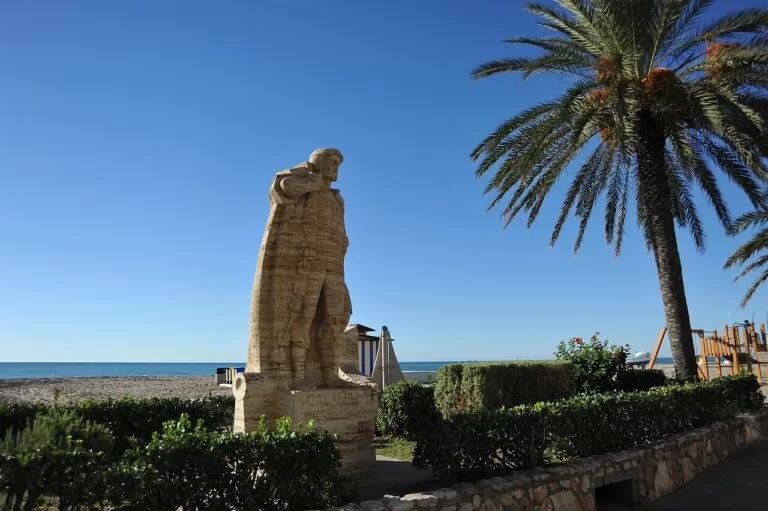
A large, calm family beach known as the “feeding bottle beach”, with lifeguards, showers, toilets, volleyball nets and pedalo and kayak hire. The unsinkable Calafell lifeboat is on show on the promenade (Catalunya.com).
Calafell guide →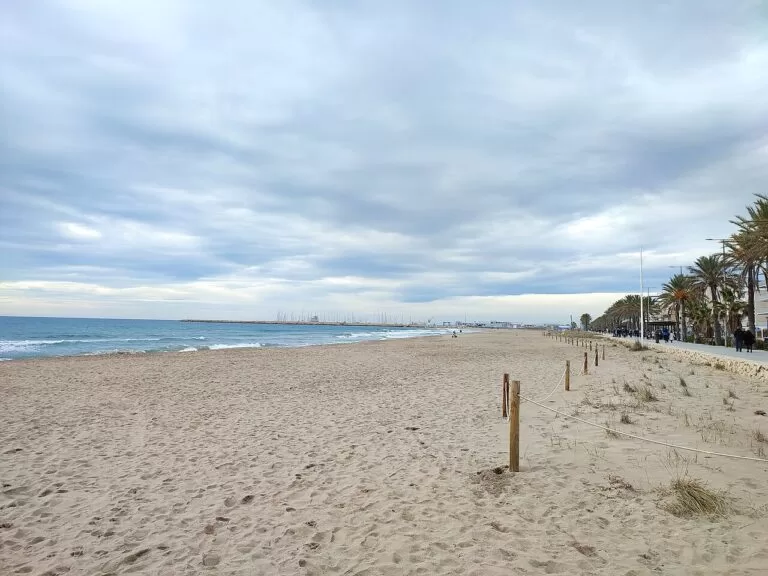
Segur de Calafell
More than one and a half kilometres of very fine sand along the resort’s seafront, with accessible entry, rescue posts, a children’s area and restaurants almost on the sand; the marina sits at one end (Catalunya.com).
Calafell guide →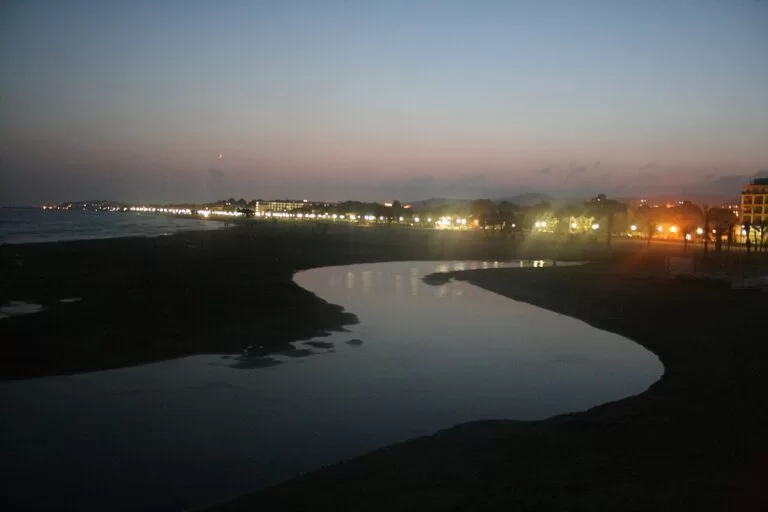
Coma-ruga
More than two kilometres of fine white sand with a pedestrian promenade, the marina and yacht club, showers, lifeguards and lounger and pedalo hire. Parking on the promenade’s non-pedestrian stretch and in the streets (Catalunya.com).
El Vendrell guide →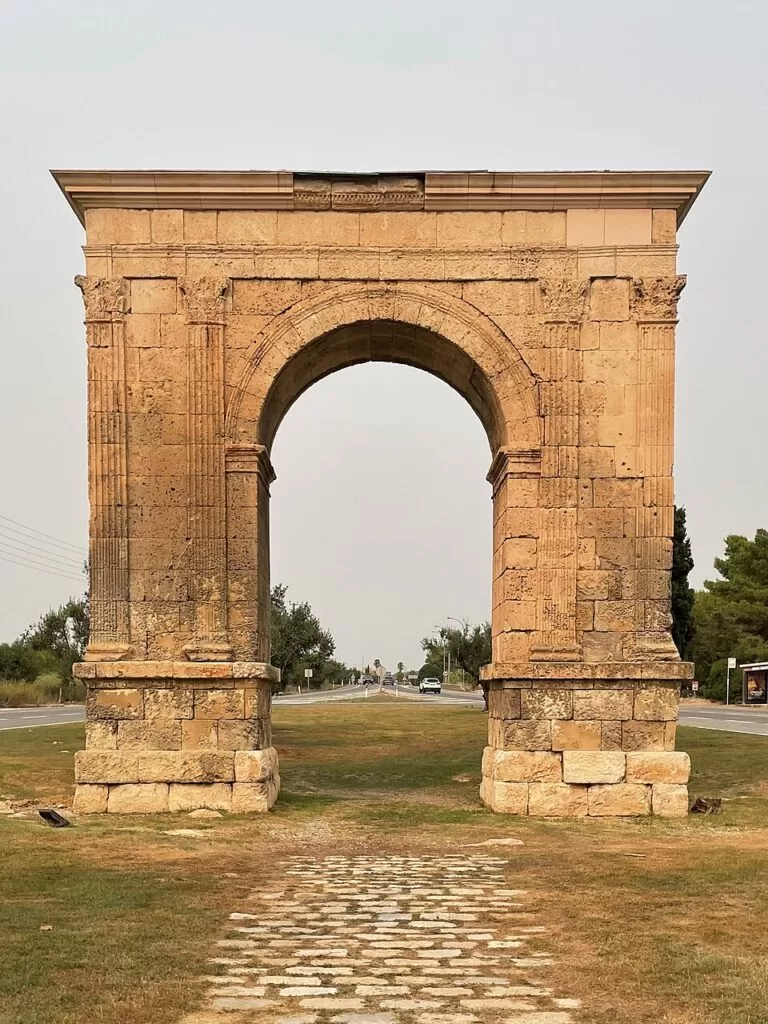
Platja Llarga and the Arc de Berà
About one kilometre long and nearly 90 m wide, with fine golden sand, a Blue Flag, amphibious chairs, a play area and a beach library; campsites lie close behind it (Catalunya.com). The Roman arch stands about 1 km inland on the N-340.
Roda de Berà guide →- Cunit: two and a half kilometres of fine sand split by seven breakwaters, with rescue posts, a playground, volleyball, toilets and showers. Catalunya.com advises against arriving by car on busy summer days (Catalunya.com).
- Sant Salvador: nearly three kilometres of golden sand and calm water south of Les Madrigueres, with lifeguards and lounger, sunshade and pedalo hire. The pedestrian promenade makes parking by the beach hard (Catalunya.com).
- Punta de la Guineu, Roda de Berà: 900 m by the Roc de Sant Gaietà and the marina, flat entry, boat hire; hard to reach on foot (Catalunya.com).
Things to do
Walk the GR 92 along the sand
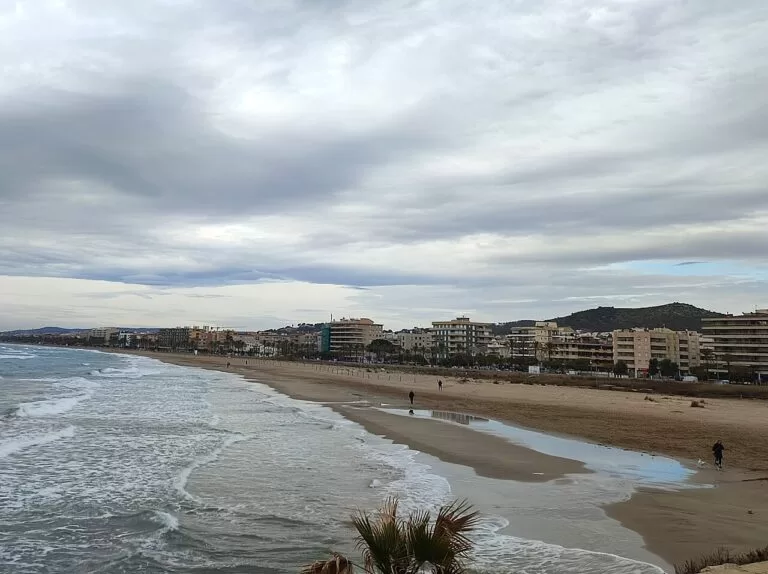
The GR 92 stage from Calafell to Torredembarra follows the seafront almost the whole way: from Platja de Calafell to Sant Salvador and the Pau Casals Museum, on to Coma-ruga and El Francàs, then a stretch of camí de ronda at the Roc de Sant Gaietà to the Baroque hermitage of the Mare de Déu de Berà, and along the beaches to Creixell and the protected dunes of Torredembarra. Catalunya.com gives 15.04 km, about 3 h 45 min, 124 m of ascent and a beginner level, with signposting all the way (Catalunya.com).
Iberians and castles in Calafell
At the Iberian Citadel you walk through a Cessetani village rebuilt with experimental archaeology, go into the houses and climb the wall by the siege tower; in summer the Terra Ibèrica festival brings re-enactments and family activities (Catalunya.com). Catalunya.com’s family route then sends you up to the castle of La Santa Creu, where a cistern served as a hiding place during pirate attacks, and to a kayak trip from the sailing school beside the old fishermen’s guild (Catalunya.com).
Follow Pau Casals in El Vendrell
The Pau Casals route is 5.4 km and takes about three hours: the house where he was born on Carrer de Santa Anna, the church of El Salvador and its organ, and the villa on the Sant Salvador beach, now the Pau Casals Museum, with 17 rooms on his life (Catalunya.com). In July and August the Pau Casals International Music Festival, founded in 1981, fills the auditorium opposite the villa.
Roman history on the Via Augusta
The Arc de Berà is free to see from outside; Catalunya.com says it was built not to celebrate a victory but probably to mark a territorial limit of Tarraco. In Calafell, the Roman villa of Vilarenc lies between the beach and the town. Tarragona’s Roman sites are about 20 km further south-west.
Nature: Masia Blanca and the Coma-ruga spring
Between the ports of Coma-ruga and Roda de Berà, the Masia Blanca marine reserve protects a rocky seabed, rare on this sandy coast, at depths of four to sixteen metres, with octopus, cuttlefish, groupers and sea bream (Catalunya.com). El Vendrell’s Aula Aquàtica combines an exhibition on the reserve with diving. On Coma-ruga beach, the Estany i el Riuet spring rises from limestone in the Bonastre hills and fills a shallow lake where people of all ages take its waters (Catalunya.com).
Food, wine and festivals
The signature dish of the comarca is xató, and the Ruta del Xató runs through several of its towns; El Vendrell, which claims to be its cradle, holds a large popular xatonada every February (Catalunya.com). The Baix Penedès is part of the Penedès wine designation of origin. In mid-January El Vendrell celebrates Sant Antoni Abat with the Tres Tombs parade of carts and horses, and its Festa Major is one of the main days for castells, the human towers (Catalunya.com).
Where to stay by town
We do not recommend individual hotels. These are the bases that make most sense, with what each suits.
- Cunit: small and calm, with sheltered bays for young children and a station on the R2 Sud for days in Barcelona. Skip it if you want nightlife.
- Platja de Calafell: the classic family beachfront, with the seafront museums and most beach bars; busy in July and August.
- Segur de Calafell: a longer beach, a marina and its own station; quieter than Calafell’s main beachfront.
- Coma-ruga and Sant Salvador: the El Vendrell beach districts, with the promenade, the marina, the spring and the Casals villa; the town centre with its museums is a short ride inland. HolaCamp Sant Salvador is the campsite on CostaMap here.
- Roda de Berà: quieter beaches with dunes, campsites behind Platja Llarga and the Arc de Berà close by; you will want a car or bike.
Getting there and around
By air
Barcelona–El Prat and Reus are the nearest airports. Our town guides give, from the town tourism sites, Reus 46 km and Barcelona 54 km from Calafell, and Reus 32 km and Barcelona 45 km from El Vendrell.
By car
The AP-7, C-32, C-31 and N-340 all serve the coast. Catalunya.com gives AP-7 exit 31 and C-32 exit 55 for El Vendrell. In summer, beach parking is tight in Cunit and along the pedestrian promenades of Sant Salvador and Coma-ruga.
By train and bus
Cunit has a station on the Rodalies R2 Sud and buses to Vilanova, Tarragona and Barcelona (Catalunya.com). Segur de Calafell and Calafell have their own stations, five RENFE lines stop at El Vendrell, with Sant Vicenç de Calders as the junction near the coast, and Roda de Berà has a station and interurban buses. Check Rodalies de Catalunya for current lines and times.
A 1–2 day route
Day 1: Calafell and the Iberians
Start in Cunit with a swim in one of the breakwater bays, then drive or take the train to Calafell. Visit the Iberian Citadel in the morning, have lunch in the old village and climb to the castle of La Santa Creu. Spend the afternoon on Platja de Calafell and finish at the old fishermen’s guild on the promenade.
Day 2: Pau Casals to the Arc de Berà
Walk the seafront from Calafell to Sant Salvador on the GR 92 and visit the Pau Casals Museum (closed on Mondays). Continue to Coma-ruga for lunch and the spring lake, then head to Roda de Berà: the Roc de Sant Gaietà, the hermitage viewpoint and a last swim at Platja Llarga. On the way out, see the Arc de Berà from a safe stop. In summer, end with a concert at the Pau Casals Festival.
FAQ
Where is the Baix Penedès coast?
At the northern end of the Costa Dorada in Tarragona province, between the Garraf coast at Cubelles and Torredembarra. It takes in Cunit, Calafell and El Vendrell, with Roda de Berà just beyond in the Tarragonès.
Which beach is best for small children: Cunit, Calafell or Coma-ruga?
All three are shallow and calm. Cunit’s breakwaters make small enclosed bays; Platja de Calafell is known as the “feeding bottle beach” for its gentle slope; Coma-ruga has the longest promenade and most services.
Is Calafell or El Vendrell better for a holiday?
Calafell puts the beach, the Iberian Citadel and the castle close together. El Vendrell’s town is inland, so for a beach stay choose its coastal districts, Coma-ruga or Sant Salvador.
Can you get from Barcelona to Calafell by train?
Yes. Rodalies trains on the R2 Sud run along the coast from Barcelona to Cunit, Segur de Calafell and Calafell. Check current times with Rodalies de Catalunya.
What is there to do near Coma-ruga apart from the beach?
The Pau Casals Museum in Sant Salvador, the Masia Blanca marine reserve, the Les Madrigueres wetlands, the Coma-ruga spring and El Vendrell’s museums inland.
Where is the Arc de Berà?
On the N-340 at Roda de Berà, about 20 km north-east of Tarragona. It stands in the open and is free to see.
Other areas of the Costa Dorada
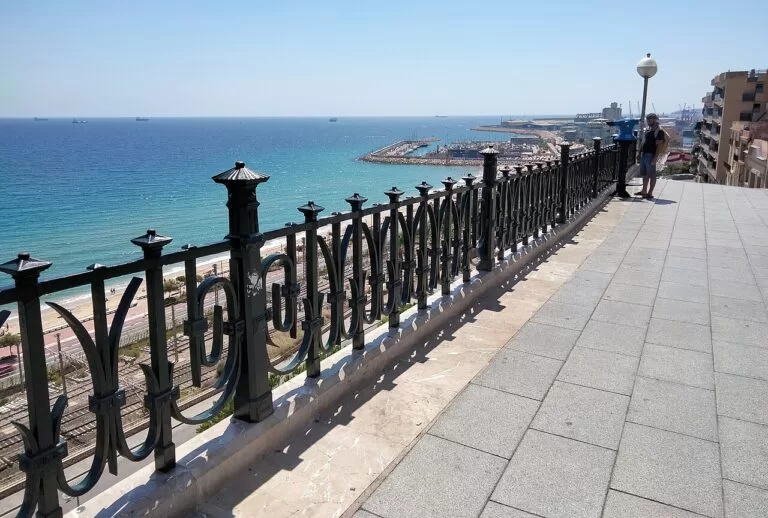
Tarragona, Altafulla and Torredembarra
Roman Tarraco on the sea, Tamarit Castle, walled Altafulla and the dunes of Torredembarra.
Tarragona and Altafulla guide →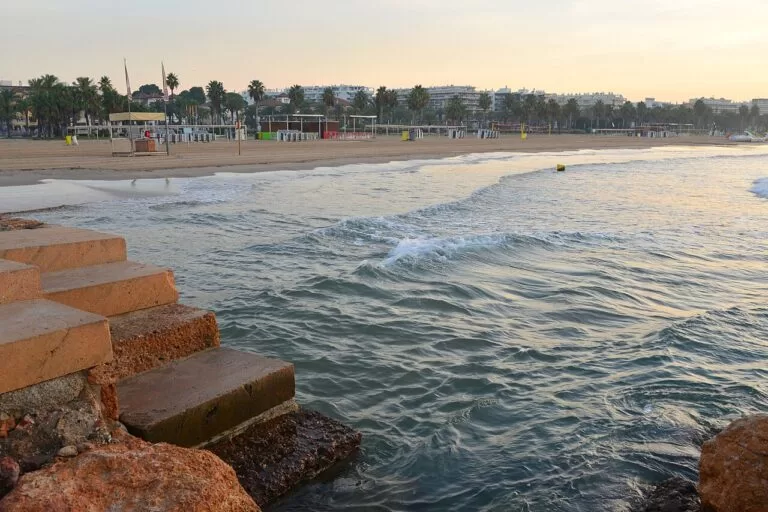
Salou, Cambrils and PortAventura
The busiest stretch of the coast: Salou and La Pineda’s beaches, PortAventura and the fishing port of Cambrils.
Salou and Cambrils guide →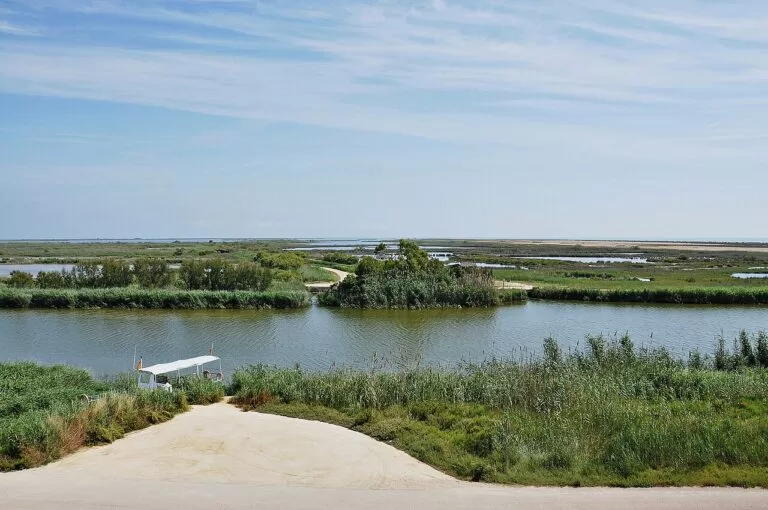
The Ebro Delta and the southern Costa Dorada
Rice fields, lagoons and flamingos of the Ebro Delta, with Deltebre, Amposta and Sant Carles de la Ràpita.
Ebro Delta guide →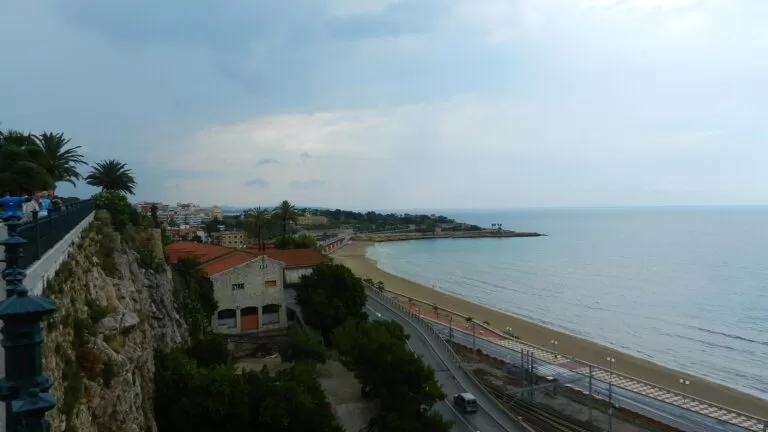
Costa Dorada
The full guide to the coast of Tarragona province, from Cunit to the Ebro Delta, with the map, trains, weather and campsites.
Costa Dorada guide →Along the coast
CostaMap covers the whole Spanish coast as one connected guide. These are the neighbouring areas, following the Mediterranean and Atlantic coast from Portugal to France. Or start from the map of every Spanish costa, or browse the full area directory.
- ← Previous along the coastTarragona, Altafulla and TorredembarraCosta Dorada
- Next along the coast →Vilanova i la Geltrú and CubellesOver the border on the Costa del Garraf
Sources and freshness
Checked 7 November 2026 · 17 sources Show
Checked 7 November 2026. Official: Catalunya.com (Catalan Tourist Board) on the Baix Penedès, Cunit, Calafell, El Vendrell, Roda de Berà, the Arc de Berà, the Iberian Citadel, the Pau Casals House-Museum, the Pau Casals route, GR 92 Calafell–Torredembarra, the Baix Penedès family route, the Masia Blanca reserve, getting to El Vendrell and the beach pages linked above; Spain.info on Calafell, El Vendrell and the Costa Dorada. The town tourism websites of Cunit, Calafell, El Vendrell and Roda de Berà could not be opened when we checked; airport distances are as in our town guides. Locations from OpenStreetMap.
Photo credits · 10 photos from Wikimedia Commons Show
Photos from Wikimedia Commons, not altered except for cropping: Platja de Coma-ruga by Senancio (CC BY-SA 4.0); Passeig marítim, Calafell by nikko23_99 (CC BY-SA 3.0); Platja de Segur de Calafell by Joandrés (CC BY-SA 4.0); Segur de Calafell by Joandrés (CC BY-SA 4.0); Coma-ruga, El Vendrell by Augustin Liviu (CC BY-SA 3.0); Arc de Berà by Hstoops (CC0); Balcó del Mediterrani, Tarragona by Enric (CC BY-SA 4.0); Platja de Llevant, Salou by Андрей Бобровский (CC BY 3.0); Delta de l’Ebre by Alberto-g-rovi (CC BY-SA 3.0); Balcó del Mediterrani, Tarragona by karel291 (CC BY 3.0).
Every place we have mapped on the The Baix Penedès coast
5 towns, beaches, coves and landmarks, kept up to date automatically.