
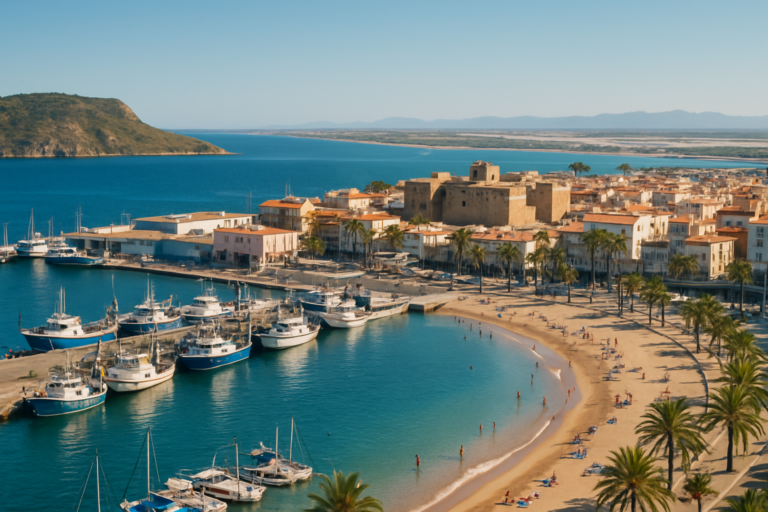
Expect a working Mediterranean port more than an Instagram-perfect resort. This is a place where the salt pans, fishing boats and watchtowers shape the experience: excursions to a tiny inhabited island, birdlife among industrial saltworks, Roman ruins tucked behind a 16th‑century fortress, and a low-rise town with beaches that actually earn Blue Flags. Don’t come expecting polished luxury promenades and nonstop nightlife; come for seaside history, day trips to an island, and hands-on maritime culture.
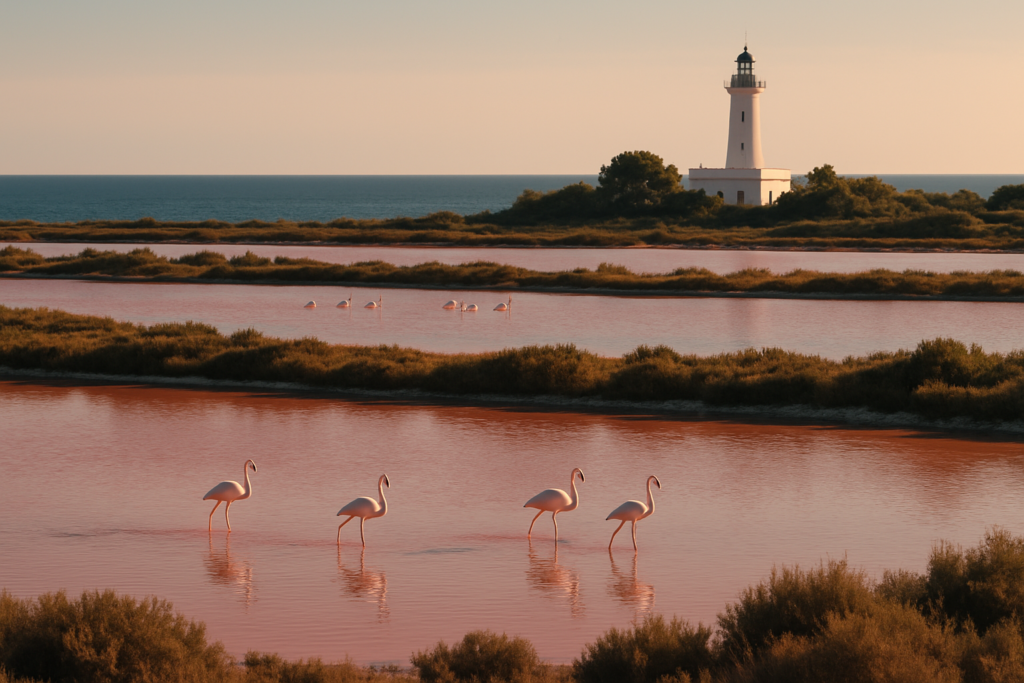
Santa Pola at a glance
- Main draws: historical remains, a busy fishing port, extensive salt flats and Blue Flag beaches.
- Mainland gateway for day trips to Tabarca Island — the only inhabited island in the Valencian Community.
- Several maritime and salt museums: a ship museum, an aquarium and a Salt Museum in an old factory.
- Notable historic structures from the 16th century: Castillo‑Fortaleza, Escaletes (Torre del Pep) and the Tamarit Tower.
- Saltworks and the Salinas de Santa Pola Natural Park are internationally important wetlands covering about 2,470 hectares.
- Located on the Costa Blanca, roughly 20 km south of the city of Alicante.
Things to do in Santa Pola
There’s a steady, maritime rhythm to activities here: museums that explain fishing and salt, short boat hops to an inhabited island, coastal towers and Roman traces to explore, plus watersports and birdwatching in a protected wetland. Plan for short visits to multiple small sites rather than one long museum day.
| Attraction | What it is | Price/entry | Best for |
|---|---|---|---|
| Esteban González Museum Ship | A preserved fishing vessel showing life on board for fishermen | – | Maritime culture, families |
| Santa Pola Aquarium | Displays marine species from the bay and Tabarca | – | Families, marine life fans |
| Salt Museum | Located in an old salt factory explaining salt extraction | – | History, industrial heritage |
| Salinas (Saltworks) & Natural Park | Working salt pans and lagoons that shelter flamingos and other birds | – | Birdwatching, walking and cycling |
| Tabarca Island (boat trip) | The only inhabited island in the Valencian Community, reached by ferry | – | Day trippers, snorkelers |
| Castillo‑Fortaleza | 16th‑century castle marking the historic core | – | History buffs, photographers |
| Roman remains (Portus Illicitanus & Roman villa) | Remains of a Roman port and a 4th‑century villa | – | Archaeology, quiet exploration |
| Coastal watchtowers (Escaletes / Tamarit) | Defensive towers from the 16th century along the coast | – | Short walks, history |
| Faro on Cape Santa Pola | Lighthouse set on the site of an Atalayola watchtower with a clifftop viewpoint | – | Panoramic views, photography |
Maritime museums and the ship
Start with what makes the place tick: its sea culture. The Esteban González Museum Ship gives a short, tactile window into traditional fishing life — the kind of exhibit that connects the port’s present activity with its heritage. Nearby, the aquarium concentrates on the bay and the marine ecosystem around the island, making it a compact way to understand the local sea life before heading out on the water. Both are easy, short visits that work well for families or anyone who wants context for the harbour you’ll be walking around.
Salt, birds and working wetlands
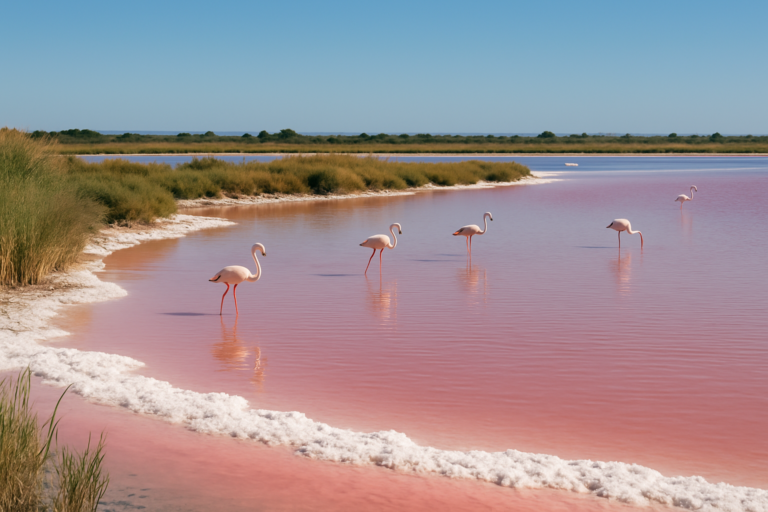
The Salinas area is surprising for how industrial and natural it is at once. The Saltworks of Santa Pola are not a museum relic but living salt pans that form a wetland covering about 2,470 hectares and have been declared of international importance. A Salt Museum housed in a former salt factory explains extraction, while signposted walking and cycling routes thread the lagoons where flamingos and other birds gather. Bring binoculars, a breeze‑proof jacket and an appetite for low‑angst wildlife watching rather than manic wildlife safaris.
Short historical circuit — towers to Roman ruins
History is layered and compact: the Castillo‑Fortaleza anchors the old town and signals the 16th‑century rebuilding era; the Escaletes (Torre del Pep) and the Tamarit Tower are coastal watchtowers from the same century, erected to spot threats from sea; older heritage survives too, with Portus Illicitanus marking Roman harbour activity and the Roman Villa of the Palm Grove offering 4th‑century traces. You can stitch a pleasant half‑day walk between these sites without long transfers.
Best beaches in the area
Beaches here are part of a functional coastal townscape: sandy stretches with nearby services, and calm bay waters shielded by the headland. Several beaches meet Blue Flag criteria, so expect maintained facilities on the better‑served strips.
| Beach | Character | Facilities / Blue Flag |
|---|---|---|
| Blue‑flag beaches (general) | Long sandy stretches with lifeguard and public amenities on maintained sectors | Blue Flag status on several beaches |
| Beaches near the port and bay | Calmer waters, sheltered by the headland and convenient to services | Good access to shops and cafés |
Santa Pola with kids
The town punches above its size for family visits. A short aquarium visit, the museum ship and easy beaches create low‑stress half‑day activities. The Salt Museum turns industrial history into a focused, short exhibit that kids often find novel, and the salt pans offer safe, distant wildlife watching — flamingos are one of the obvious draws.
Practical tip: plan multiple short activities rather than one full‑day schedule; that suits the compact sites and keeps children engaged.
How to get to Santa Pola and get around
Geography does a lot of the heavy lifting: the town sits on the Costa Blanca roughly 20 km south of the city of Alicante, making it an easy coastal stop if you’re touring the province. The most distinctive transport link for visitors is the short ferry ride to the inhabited island off the coast — the sea connection is a central part of many itineraries.
| From | By | Approx time |
|---|---|---|
| Santa Pola → Tabarca Island | Ferry | Roughly 20 minutes |
Getting around town is straightforward: the historic core, port and beaches are compact and walkable. For visiting the saltworks and some watchtowers, short cycles or a brief drive extend your reach. The harbour is an obvious pedestrian focus and the low‑rise character keeps distances comfortable for walking.
Where to stay in Santa Pola
Accommodation choices reflect three practical priorities: proximity to the port, easy beach access, or closeness to the salt pans and natural park.
- Historic core: best for walkers who want immediate access to the Castillo‑Fortaleza, narrow streets and local markets.
- Port and promenade: suits people who want quick ferry access to the island and an evening by the sea; convenient for seafood restaurants and the marina atmosphere.
- Beaches and seafront strip: ideal for families and sunseekers who prioritise proximity to Blue Flag beaches and sunbathing.
- Near the saltworks/natural park: for birdwatchers and cyclists who want dawn and dusk wildlife opportunities.
Best time to visit
Timing largely depends on what you prioritise. For beachgoing and warm water, the town’s busiest months are the obvious choice; for birdwatching and quieter walks among the salt pans, shoulder seasons bring calmer conditions and fewer crowds. The short ferry to the island runs seasonally with more frequent crossings when demand is high.
History of the town
The place is defined by coastal defence, Roman maritime commerce and salt production. Roman activity is recorded in the remains of Portus Illicitanus and a 4th‑century Roman villa, indicating early importance as a harbour and agricultural hinterland. Defensive rebuilding in the 16th century left an enduring imprint: the Castillo‑Fortaleza in the old town and multiple watchtowers — among them the Escaletes (Torre del Pep) and the Tamarit Tower (built in 1552) — testify to that era’s strategic coastal concerns. Salt extraction moved from small‑scale operations to industrialised pans in the late 19th century; the saltworks and their working facilities, now part of a protected natural park, remain central to the local economy and landscape.
Practical info
Parking: street and public parking exist around the port and town; expect higher demand in peak summer.
Costs: the area is primarily a fishing and tourist town so local seafood and market staples are prominent; there are museums and short‑stay attractions that make for modest additional spend.
Accessibility: the town core and promenade are relatively flat and walkable. Some heritage sites and watchtowers sit on uneven ground or coastal paths that involve steps or rough tracks; check access details on arrival.
Connectivity: the harbour is the departure point for the island ferry and a focus for short marine excursions. The town’s proximity to Alicante (about 20 km) places it within easy reach of regional transport nodes.
Worth it for: people who want an authentic maritime town with a mix of natural salt‑pan scenery, compact historical sites and quick access to an inhabited island. Less so if: you want resort glitz, high‑end shopping or a nightlife hub — those expectations will mostly disappoint here.
How we assess this guide
This guide is compiled from verified local heritage and tourism sources. We cross‑checked museum identities, historical dates and protected‑area statuses to avoid misinformation. We flag closures or major changes where sources indicate them and keep recommendations focused on visitor‑useful facts rather than unsupported claims. This is not a substitute for fresh, on‑the‑ground reporting, but aims to reduce disappointment by setting accurate expectations.
Nearby on the Costa Blanca
Towns within reach
- Tabarca — 's walled village, clear water and what day-trippers don't expect – ferries (8 km)
- Guardamar del Segura — 11 km of pine-backed dune beaches (14 km)
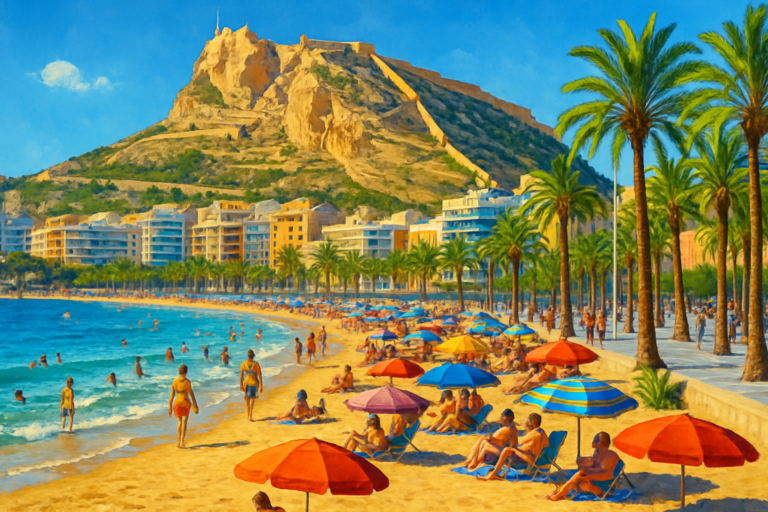
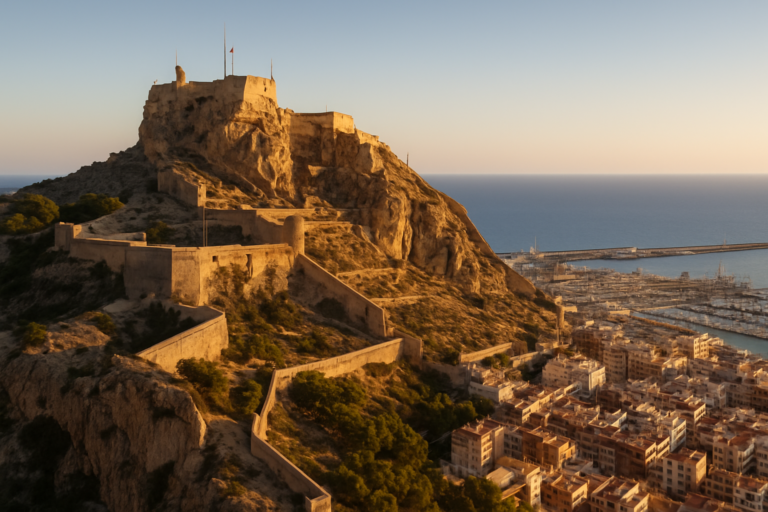
- Alicante — pairs the Santa Bárbara castle and a palm-lined esplanade with Postiguet (18 km)
- Almoradí — Rebuilt after the 1829 earthquake and known across Spain for its artichokes (22 km)
- Crevillent — a hillside Costa Blanca town of rug-weaving and a famous Semana Santa (23 km)
Things to see close by
- Salinas de Santa Pola — A natural park of working salt pans near Santa Pola where pink (5 km)
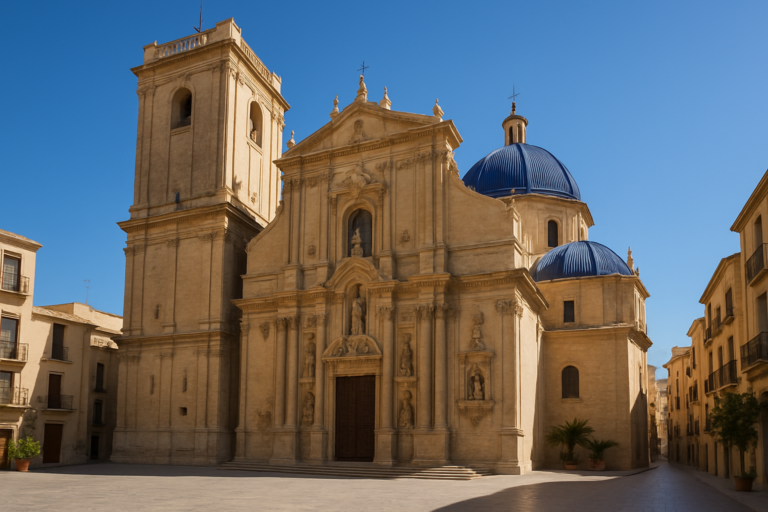
- Basílica de Santa María (Elche) — Basílica de Santa María in Elche is a baroque church known (15 km)
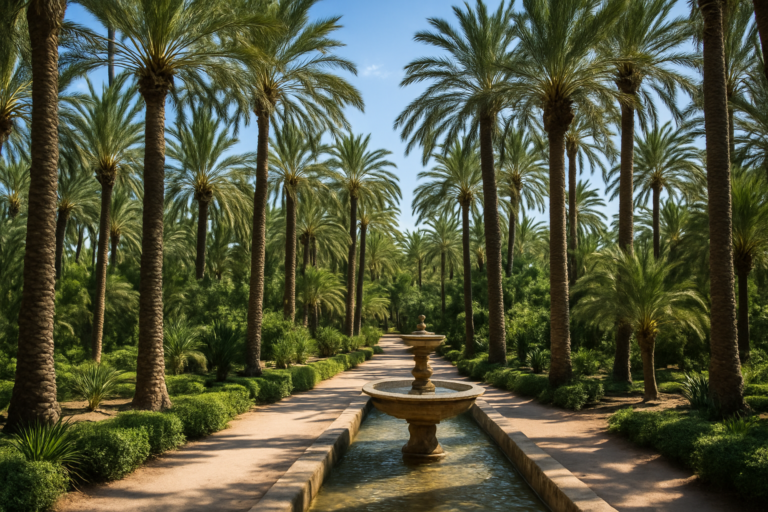
- Palmeral of Elche (El Palmeral) — Europe's largest palm grove (15 km)
- Madness Coffee (Alicante) — Madness Coffee is Alicante's original specialty coffee roastery (18 km)
For the wider picture, see the full Costa Blanca guide.
Also in Santa Pola
Frequently asked questions
How do I get to the island from the town?
Ferries depart from the harbour and reach the island in roughly 20 minutes; the harbour on the mainland is the typical departure point for day trips to the inhabited island.
Is there much to see besides beaches?
Yes. The town’s main attractions include historical remains (a 16th‑century castle and coastal watchtowers), Roman archaeological sites, maritime museums such as a ship museum and an aquarium, and an industrial‑heritage Salt Museum tied to the working salt pans and natural park.
Can I see flamingos here?
Yes. The Salinas de Santa Pola Natural Park is a wetland of international importance and shelters flamingos and a variety of other birds amid its lagoons and salt pans.
Is Tabarca really the only inhabited island in the region?
Yes. The island you can reach by ferry from the mainland is the only inhabited island in the Valencian Community.
What museums are worth visiting for maritime culture?
The Esteban González Museum Ship and the Santa Pola Aquarium are directly focused on local fishing life and marine species from the bay and the island. The Salt Museum provides industrial and social context for the salt industry.
Are there Roman remains I can visit?
Remains linked to Portus Illicitanus — Roman port infrastructure — and the Roman Villa of the Palm Grove (a 4th‑century villa) are among the archaeological traces that mark the town’s ancient past.
Which historic towers can I see along the coast?
Coastal watchtowers from the 16th century are prominent; notable examples include the Escaletes (Torre del Pep) and the Tamarit Tower, which dates to 1552.
Is the saltworks a nature reserve or still used for production?
Both. The Salinas are working salt pans and a protected wetland (the Saltworks of Santa Pola covers about 2,470 hectares) with signposted routes and a Salt Museum housed in a former factory that explains the extraction process.
What is the Castillo‑Fortaleza?
It’s a 16th‑century castle that marks the historic core of the town and provides a compact historical anchor to the old streets and harbour area.
How far is the town from Alicante?
The town lies roughly 20 km south of the city of Alicante, making it a short regional hop for day trips or transfers from the city.
Are watersports available here?
Yes. The town functions as a watersports hub for activities such as windsurfing, kitesurfing and sailing, taking advantage of coastal winds and bay conditions.
Is the aquarium focused on exotic species or local waters?
The aquarium showcases marine species from the bay of Santa Pola and the nearby island, with an emphasis on local ecosystems rather than exotic collections.
How family‑friendly is the place?
Quite family‑friendly: short, accessible museums, a ship exhibit, an aquarium and beaches make it simple to structure half‑day activities that suit children.
How long should I stay to see the highlights?
A relaxed two‑night visit lets you cover the town core, maritime museums, a saltworks walk and a day trip to the island. One long day will suffice for a quick survey, but you’ll be rushed.
Where can I learn about salt production?
The Salt Museum, located in an old salt factory, explains the salt extraction process and links directly to the surrounding working pans that form the Salinas natural park.
Plan the wider trip
Santa Pola on the map
Places worth knowing near Santa Pola

How this page is maintained. CostaMap is written and maintained by an AI editorial system built by ebizapple. Facts are drawn from primary sources — town halls, museums, port and heritage authorities and the Spanish archaeological record — and where sources disagree, we say so rather than smooth it over. Photographs marked as ours are taken on location. This page was last reviewed on 11 August 2026. Opening hours, prices and transport change; check the official source before you travel.