
Expect a working, inland market town rather than a polished resort. This is a place shaped by agriculture and craft—fields, packhouses and furniture workshops still set the rhythm here—and most visitors come for practical reasons: the weekly market, the spring artichoke celebrations, or to break a Costa Blanca beach trip with a slice of authentic local life. If you want museums, nightlife or glossy coastal promenades, adjust your expectations; if you want honest food, markets, and a town that still remembers how to make things, you’ll get what you came for.
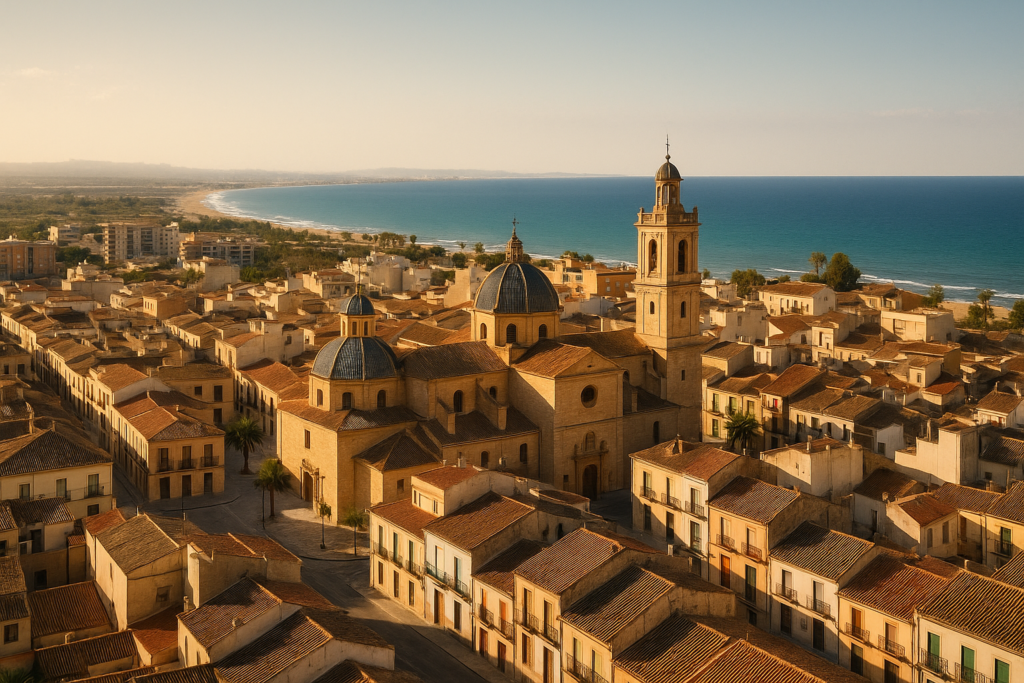
Almoradí at a glance
- Where: inland in the Vega Baja del Segura, province of Alicante (comarca: Vega Baja del Segura).
- Why people visit: markets, spring artichoke fair and local woodworking tradition.
- Nearby beaches: Guardamar del Segura and Torrevieja are an easy drive away.
- Character: agricultural market town surrounded by irrigated fields along the river Segura.
- Key sights: the Alfeitamí mill, the Ancient Hospital and the Neoclassical church of San Andrés Apóstol.
- Main economy: market gardening—vegetables, citrus and lemons—plus local furniture-making.
Things to do in the area
Almoradí isn’t a destination built around sightseeing but it rewards slow, practical exploration. Walk the grid of the historic centre to get a sense of the post‑earthquake rebuild, visit a few of the town’s main monuments and time your visit if you want to catch the artichoke fair or the busy market days when day-trippers arrive from the coast.
| Attraction | What it is | Price/entry | Best for |
|---|---|---|---|
| Mill of Alfeitamí | A local historic mill and one of the town’s principal landmarks | – | History-minded visitors and photographers |
| Ancient Hospital | Important historic building and one of the town’s main monuments | – | Fans of architecture and local heritage |
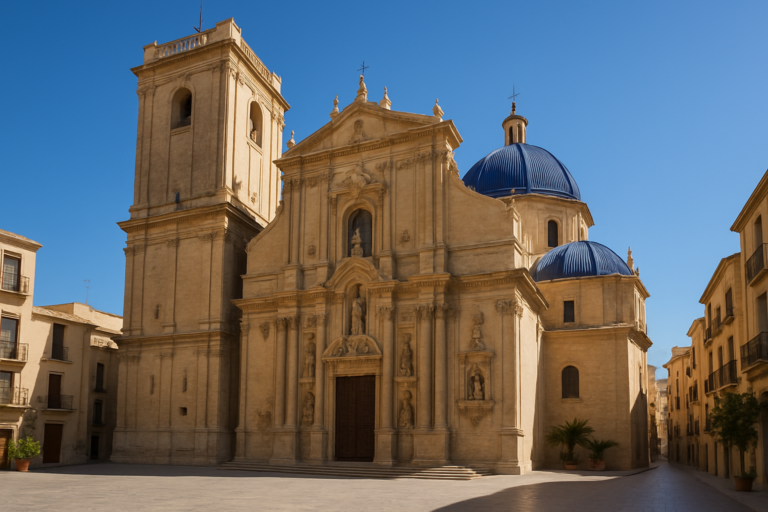
| Iglesia de San Andrés Apóstol | Post‑1829 Neoclassical parish church that anchors the rebuilt town centre | – | Religious architecture and town-centre walks |
| Artichoke food fair (spring) | Annual celebration of the town’s signature produce | – | Food lovers and market-hunters |
| Local market | Regular town market that draws day visitors from nearby resorts | – | Anyone wanting local produce and everyday life |
Historic centre and the post‑earthquake layout
The town was largely destroyed in the 1829 Torrevieja earthquake and subsequently rebuilt on a regular grid plan. That tidy layout is still obvious in the streets around the parish church and gives the centre a rational, late‑Neoclassical feel rather than the maze of medieval lanes found in many Spanish towns. Walking the grid is the easiest way to sense how the 19th‑century rebuild shaped modern life here: broad streets for markets and civic buildings set between residential blocks.
Monuments: Alfeitamí mill and the Ancient Hospital
The mill of Alfeitamí is consistently mentioned as one of the town’s significant landmarks; it stands as a local reminder of pre‑industrial agriculture and water‑management that have long defined the Vega Baja. The Ancient Hospital is another of the important monuments and is commonly listed among the must‑see heritage sites in town; both locations are compact enough to include in a short walking loop through the centre.
Markets and local produce
Day trips from the nearby Costa Blanca resorts bring people to the town market, where local vegetables, citrus and lemons are sold alongside other everyday goods. Almoradí sits in a fertile belt at the mouth of the Segura; the market is a good place to see the region’s produce at close quarters and to buy items you won’t find in tourist shops along the coast.
Best beaches in the vicinity
There are no coastal beaches in the town itself, but two of the Costa Blanca’s well‑known shorelines are a short drive away. If your trip mixes inland market days with sun and sand, use the town as a base for day trips to the coast.
| Beach | Character | Facilities / Blue Flag |
|---|---|---|
| Guardamar del Segura | Long sandy beaches popular with families and sunbathers | – |
| Torrevieja | Urban beaches and promenades with tourist infrastructure | – |
Almoradí with kids
The town is low‑key and family‑friendly in the sense that it’s compact and walkable. Children tend to enjoy the market atmosphere and the open sightlines of the grid streets. There are no large tourist attractions aimed specifically at families, so plan a mixed day combining a market visit, a short heritage walk and an afternoon trip to one of the nearby beaches for swimming and sand play.
How to get to the town and get around
Almoradí lies inland in the Vega Baja near the mouth of the Segura, which makes the town an easy drive from the Costa Blanca coast. Most visitors arrive by car; the layout of the centre suits walking once you’re parked. Public transport options and specific transfer times are not provided here; if you rely on buses or trains, check current timetables before you travel.
Where to stay
There are no sprawling resort zones inside the town. Accommodation tends to be small-scale—guesthouses or local hotels—so choose your base according to how you’ll use your time. If you want quick beach access, stay nearer the coast at Guardamar or Torrevieja and visit the town on a day trip. If you want to be immersed in daily life and markets, book in the town centre for short walks to sights and market stalls.
Best time to visit Almoradí
Timing your visit can change the experience. Spring is notable because of the artichoke celebrations and the peak market season; coastal trips are best in late spring through early autumn if you intend to combine beaches with inland visits. Summers are hot across the Vega Baja, while mild winters make the area accessible year‑round for those avoiding crowds.
| Season | Months | What to expect |
|---|---|---|
| Spring | – | Artichoke fair and busy market activity; pleasant weather for walking |
| Summer | – | Hot inland; pair town visits with early mornings or beach afternoons |
| Autumn/Winter | – | Milder temperatures, fewer tourists; town life continues as usual |
History of the town
The town was largely destroyed in the 1829 Torrevieja earthquake and subsequently rebuilt with a Neoclassical influence. That rebuilding created the regular grid plan that still shapes the centre and led to the construction or re‑establishment of key civic and religious buildings—among them the parish church of San Andrés Apóstol—forming the town’s historic core today.
Practical info
- Economy and shopping: The local economy is strongly agricultural; the town is a working market centre for vegetables, fruits and lemons. Markets and local shops supply fresh produce rather than tourist souvenirs.
- Crafts: There is a long tradition of woodworking and furniture-making alongside agricultural activity—this is part of the town’s industrial character rather than an artisanal boutique scene.
- Access from the coast: The town sits just inland from the Costa Blanca resorts of Guardamar del Segura and Torrevieja; both are a short drive away, making seaside excursions convenient.
- Size and population: The municipality has an area of 42.72 km². The latest official population estimate at the start of 2020 was 21,208; the 2011 census recorded 19,280 inhabitants.
- Walkability: The post‑1829 grid layout makes the centre straightforward to navigate on foot.
Worth it for: visitors who want authentic market-town life, fresh regional produce, and a quiet base near Costa Blanca beaches. Less so if: you expect resort-style facilities, extensive museums or late-night nightlife—those are better found on the coastal strip.
How we assess this guide
We compiled this guide from verified sources and cross-checked local facts such as principal monuments, economic base and demographic data. We flag closures or major changes when present; this piece synthesises documentary sources rather than first‑hand field reporting. Use local timetables and event listings to confirm dates and opening hours before you travel.
Frequently asked questions
How do I get from the nearest airports to the town?
Almoradí sits inland in the Vega Baja, a drive from the coastal resorts; visitors arriving by air normally continue by car or pre-booked transfer from the regional airports that serve the Costa Blanca. Check current airport transfer and bus services for up‑to‑date links.
Is Almoradí expensive?
As an agricultural market town rather than a tourist resort, daily costs for food and market purchases tend to be moderate compared with coast-facing tourist centres. The town’s economy is based on local produce and industry rather than tourist pricing.
Which beach is best if I want sand and facilities?
Guardamar del Segura offers long sandy beaches typical of the Costa Blanca, while Torrevieja provides urban beaches and promenades with tourist infrastructure. Both are straightforward drives from the town for a beach day.
How many days should I spend here?
A single day is sufficient to see the central sights, visit the market and walk a heritage loop; two to three days lets you relax, explore local craft traditions and combine a beach excursion.
Is Almoradí good for a family holiday?
It works for families who want a quieter, authentic experience and are happy to mix market visits and heritage walks with beach days at nearby resorts. There are no major family attractions inside the town itself.
Can I get around without a car?
Walking covers the compact centre well. For coastal excursions or exploring the wider Vega Baja, a car makes travel far more convenient; if you rely on public transport, check schedules before you travel as services change.
Is parking easy in the town centre?
The town centre’s grid layout tends to make parking and short walks practical, but availability varies with market days and local events—plan accordingly for busy mornings.
What are rainy-day options?
The town does not have a concentration of large indoor tourist attractions; on wet days, focus on cafés, local shops, markets (if operating) and short visits to the Ancient Hospital or the mill, which are compact and accessible.
When is the artichoke fair held?
The town is renowned for its artichokes and holds a dedicated artichoke fair in spring. Check local event listings for the exact dates and programming in the year you plan to travel.
Are there guided tours of the historic sites?
Information on organised tours is not included here; visitors typically explore the principal monuments on self-guided walks. For guided options, contact local tourist information or the municipality’s cultural services.
Can I buy local furniture or woodworking products here?
There is a long tradition of woodworking and furniture-making in the town; while much of this is small-scale or industrial, you may find local workshops and retailers selling furniture or wooden goods in town.
Is the town safe for solo travellers?
Almoradí is a typical Spanish market town and is generally suitable for independent travellers. Usual urban precautions apply, and daytime visits to sights and markets are the norm.
Are markets open year‑round?
The local market is an ongoing element of town life; its scale and stalls may vary seasonally. Market and event dates can fluctuate, so confirm specific market days locally when planning your visit.
Which nearby towns are useful to combine with a visit?
Guardamar del Segura and Torrevieja on the coast are natural pairings for beach time; Orihuela and other Vega Baja towns offer complementary historical and cultural visits. See the wider trip links below for easy navigation to neighbouring destinations.
Plan the wider trip
Nearby on the Costa Blanca
Almoradi on the map
Places worth knowing near Almoradi
This place is part of our Costa Blanca Guide: Benidorm, Calpe, Altea and the Best of Alicante — see every town, beach and cove we have mapped on that coast.
How this page is maintained. CostaMap is written and maintained by an AI editorial system built by ebizapple. Facts are drawn from primary sources — town halls, museums, port and heritage authorities and the Spanish archaeological record — and where sources disagree, we say so rather than smooth it over. Photographs marked as ours are taken on location. This page was last reviewed on 14 August 2026. Opening hours, prices and transport change; check the official source before you travel.