
Expect an industrial, working city with a genuinely surprising natural and cultural heart: a vast, irrigated palm grove and an intense calendar of local rituals. This guide sets realistic expectations—Elche is not a beach resort but it rewards visitors who come for history, unusual landscapes and living traditions rather than sea-and-sand postcard views.
Elche at a glance
- UNESCO recognitions: the Palmeral (World Heritage) and the Misteri d’Elx (Intangible Cultural Heritage).
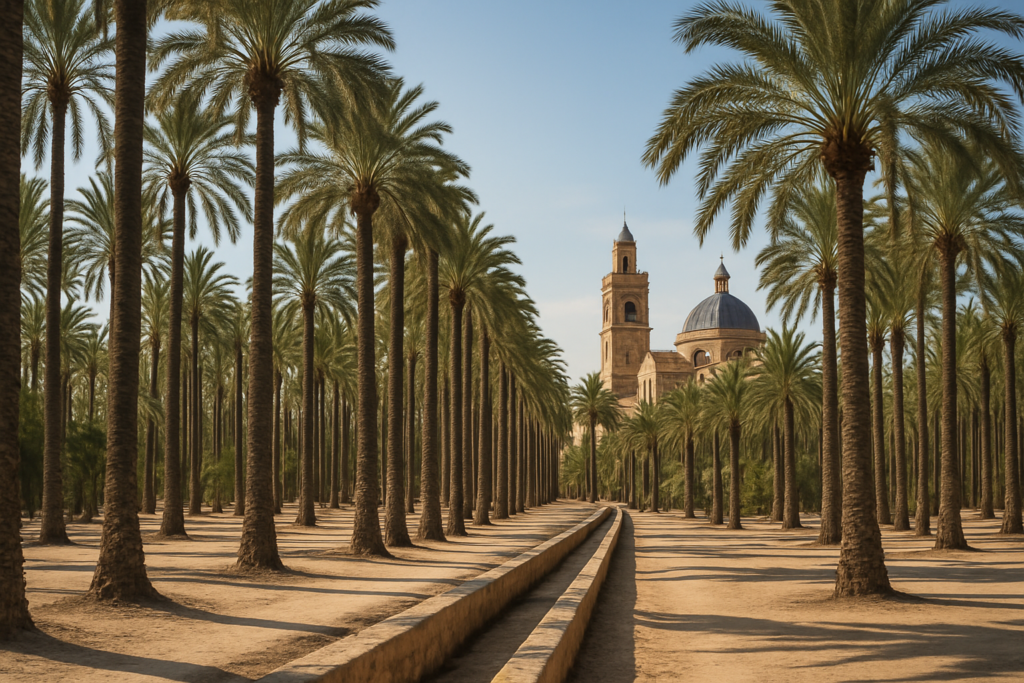
- Home to roughly 200,000 palm trees spread across about 3.5 km² in the historic Palmeral.
- Agriculture and footwear manufacturing dominate the local economy; the city is Spain’s leading shoe producer.
- Alicante–Elche Miguel Hernández Airport lies within the municipality, about 13 km from the city centre.
- Key sites: Huerto del Cura garden (fee-charged), La Alcudia archaeological site with its on-site museum, MAHE in the Palacio de Altamira.
- The medieval Misteri d’Elx is staged only on 14–15 August inside the Basilica de Santa Maria.
- Nearest sea access and traditional beaches are along neighbouring Santa Pola; much of the local coastline is dune-and-pine and relatively undeveloped.
Before you plan
Nothing in this guide depends on venues recently closed or under redevelopment. Timings for annual events (Palm Sunday procession; the Misteri d’Elx on 14–15 August) are fixed traditions, but performance tickets and garden admission are subject to seasonal scheduling—check official sources before travel.
Things to do in the town
The appeal here rests on contrasts: an extensive, human-shaped palm landscape running through an industrial city; archaeological layers from Iberian to Islamic to Christian; and rituals that still anchor local identity. Below is a concise comparison of the principal attractions you’re likely to prioritise.
| Attraction | What it is | Price/entry | Best for |
|---|---|---|---|
| Palmeral (the palm grove) | UNESCO-listed urban palm grove with historic irrigation system from Al-Andalus | – | Walking, photography, unusual urban landscapes |
| Huerto del Cura | National Artistic Garden inside the Palmeral; home to the Imperial Palm | €6.50 adults; €3.50 children 5–15 (2026) | Botany, iconic palms, short visits |
| La Alcudia archaeological site & on-site museum | Iberian settlement site where the Lady of Elche was discovered; includes a small museum | – | Archaeology, classical Iberian history |
| MAHE (Archaeological & History Museum) | Museum housed in the Palacio de Altamira tracing local history | – | History, ceramics, period displays |
| Basilica de Santa Maria & the Misteri | Baroque-faced basilica built on a former mosque site; venue for the medieval Mystery Play | Basilica entry free; Misteri performed only 14–15 August | Religious architecture, UNESCO intangible heritage performance |
| Museo del Calzado (Footwear Museum) | Museum documenting the city’s footwear industry and craft history | – | Industry history, design, shoemaking heritage |
| El Hondo & Clot de Galvany wetlands | Protected wetlands within the municipality’s surroundings | – | Birdwatching, nature escapes |
The Palmeral and Huerto del Cura
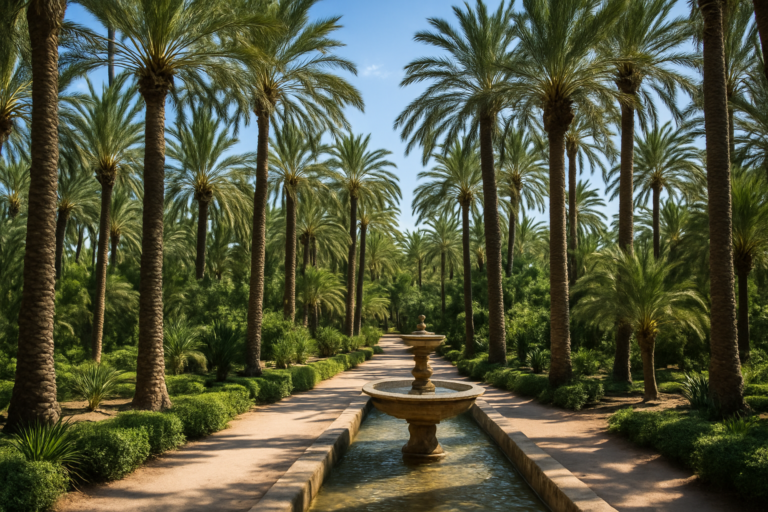
The palm grove is the city’s defining landscape: an irrigated, managed urban forest with origins under Moorish rule and an irrigation network that still functions. The UNESCO-inscribed historic core contains the densest concentration of palms. Within the grove, the Huerto del Cura is the most visited enclosed garden and is formally protected as a National Artistic Garden; its centrepiece is the Imperial Palm, a rare seven-branched specimen associated with Empress Elisabeth ‘Sissi’ and typically presented behind hedges. The garden charges an admission fee (adult and child tariffs quoted above for 2026).
La Alcudia, the Lady of Elche and local archaeology
About 2 km south of the main urban core lies La Alcudia, the archaeological site where the famous Iberian limestone bust known as the Lady of Elche was found in 1897. The site includes an on-site museum. Note: the original 4th-century‑BC bust is displayed in Madrid’s National Archaeological Museum; replicas are shown locally and the original has only briefly returned for short loans in the past.
Basilica de Santa Maria and the Misteri
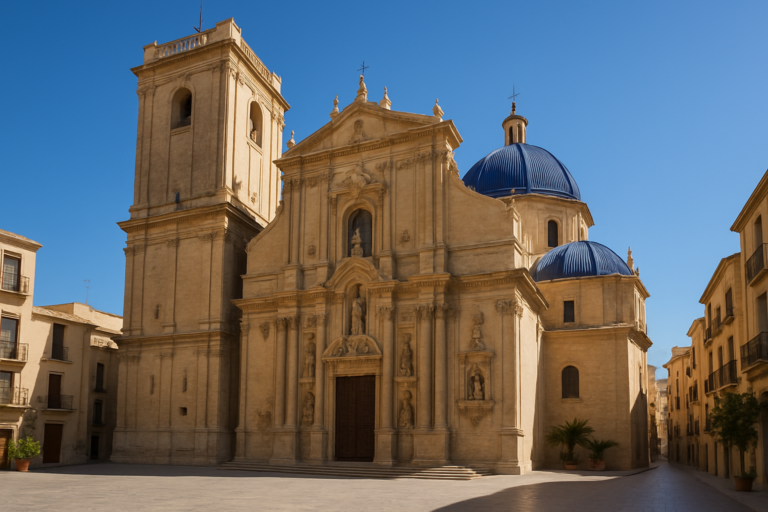
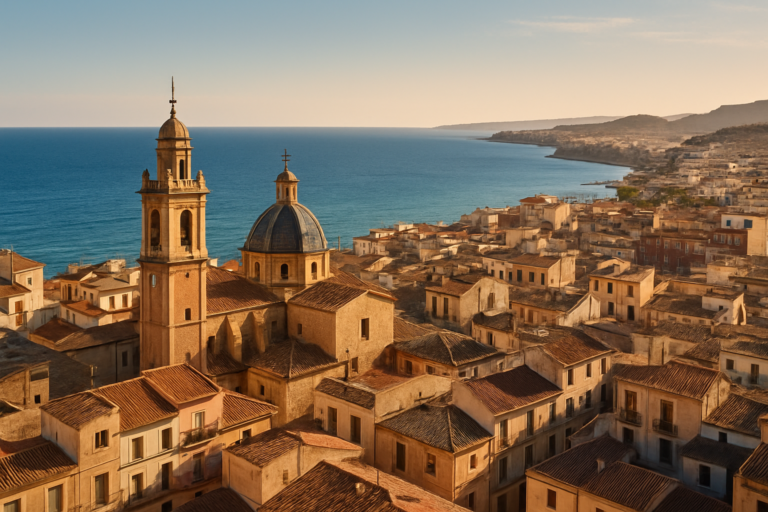
The basilica is the city’s principal religious building: a Valencian Gothic construction with a later Baroque façade and twin towers, a blue-tiled dome and an ornate portal by Nicolás Bussy. Entry to the church is free and its bell tower rises about 170 steps, offering wide views over the palm groves and town. The basilica is also the singular stage for the Misteri d’Elx, a medieval sacred lyric drama performed in mid-August (14–15) and recognised by UNESCO as a Masterpiece of the Oral and Intangible Heritage of Humanity.
Best beaches in the area
Although the main city sits inland—about 15 km from the Mediterranean—Elche’s municipality includes several stretches of coastline. If you want sea time, plan to visit neighbouring Santa Pola or the local dune-and-pine beaches along the municipality’s shore.
| Beach | Character | Facilities / Notes |
|---|---|---|
| Arenales del Sol | Dune-and-pine coastline; relatively undeveloped stretches | Part of Elche’s coastal zone; beach character is natural rather than urban |
| El Pinet | Undeveloped dunes and pine; quieter shore within the municipal coastline | Known for natural scenery rather than built facilities |
| Santa Pola beaches | The nearest broad seaside resort beaches to the town | Outside the city proper but the typical seaside option for visitors |
Elche with kids
The city suits children who enjoy outdoor walking and hands-on museums rather than theme-park thrills. The Palmeral provides shady, stroller-friendly paths and unusual palms to explore. The Huerto del Cura is compact and tactile for younger visitors. Museums such as MAHE and the Museo del Calzado offer accessible displays on archaeology and local crafts that can engage school-age children.
How to get here and get around
Practical access is a strong selling point: the regional airport called Alicante–Elche Miguel Hernández Airport lies within the municipality about 13 km from the city centre, making the town unusually convenient by air for the Costa Blanca. Rail links are centered on Elx Parc station. High-speed AVE trains connect the station with Madrid and regional centres such as Orihuela and Murcia, providing a fast overland option for city-to-city travel.
Where to stay in the area
Pick accommodation according to your priorities rather than expecting a single ‘resort’ vibe. Options cluster around a few practical zones:
- Historic centre / Palmeral edge — best for accessing the Huerto del Cura, Basilica de Santa Maria and walking among the palms.
- Near Elx Parc / transport hubs — convenient if you plan to arrive by train or travel regionally by AVE.
- Coastal fringe (Arenales del Sol area) — choose this only if you prioritise easy beach access while still being within the municipality.
Best time to visit
Climate is hot semi-arid with average annual temperatures above 18 °C; summers are hot and dry while winters are mild. Visit timing depends on whether you want festivals or more comfortable weather.
| Season | Months | What to expect |
|---|---|---|
| Spring | March–May | Milder weather for walking the palm groves; lead-up to Palm Sunday festivities. |
| Summer | June–August | Hot and dry; the Misteri d’Elx is performed only on 14–15 August inside the Basilica. |
| Autumn & Winter | September–February | Milder off-season temperatures ideal for museums and the Palmeral; low rainfall compared with other regions. |
History of the area
The site owes its distinctive landscape and irrigation to a layered past. The Palmeral’s origins date to the late 10th century under Moorish rule, when an irrigation network was laid out that continues to shape the palm grove today. Elche was an important Iberian settlement—La Alcudia yielded the celebrated Lady of Elche bust in 1897—and the city later developed under Islamic and Christian rule; those layers are visible in the Palacio de Altamira (now MAHE) and the Basilica de Santa Maria, which stands on the footprint of a former mosque.
Practical info
- Airport: Alicante–Elche Miguel Hernández Airport is within the municipality and about 13 km from the city centre; its proximity makes the town a convenient base for exploring the Costa Blanca by air.
- Train: Elx Parc is the central railway station; AVE fast trains link to Madrid, Orihuela and Murcia.
- Museum notes: MAHE occupies the Palacio de Altamira and traces the city’s history; the Museo del Calzado covers the region’s footwear industry.
- Basilica entry: the Basilica de Santa Maria has free entry; its bell tower climb is notable for panoramic views.
- Costs: the Huerto del Cura garden charges admission (adult and child rates listed earlier for 2026); other public sites may have sporadic small fees—check before visiting.
- Landscape/accessibility: the Palmeral offers mostly level walking paths; the chestnut of stairs in the basilica bell tower (about 170 steps) is a fitness test rather than accessible to everyone.
Worth it for: visitors who want a singular cultural landscape (Europe’s largest palm grove), living traditions (the Misteri d’Elx and Palm Sunday), archaeology (La Alcudia) and an industrial‑heritage city with strong craft industries. Less so if: your trip is all about beaches, nightlife and obvious resort trappings—the city is inland and primarily industrial/agricultural, with the seaside located in neighbouring coastal towns.
How we assess this guide
This guide compiles verified facts from cross-checked heritage, museum and transport sources. We flag performance dates and museum admission where authoritative data exists, and we explicitly note when originals are held elsewhere (for example, the Lady of Elche in Madrid). We have not relied on a single report or unconfirmed anecdotes; where numbers or statuses are uncertain we omit them rather than guess. This is not a first‑hand field report but an editorial synthesis of verified claims.
Nearby on the Costa Blanca
Towns within reach
- Crevillent — a hillside Costa Blanca town of rug-weaving and a famous Semana Santa (10 km)
- Aspe — quarries that supply stone across (11 km)
- Novelda — a Modernista sanctuary echoing Gaudí (14 km)
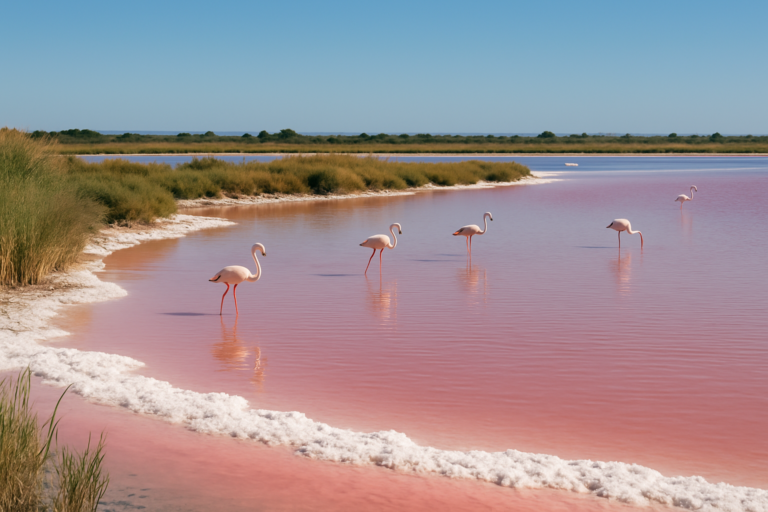
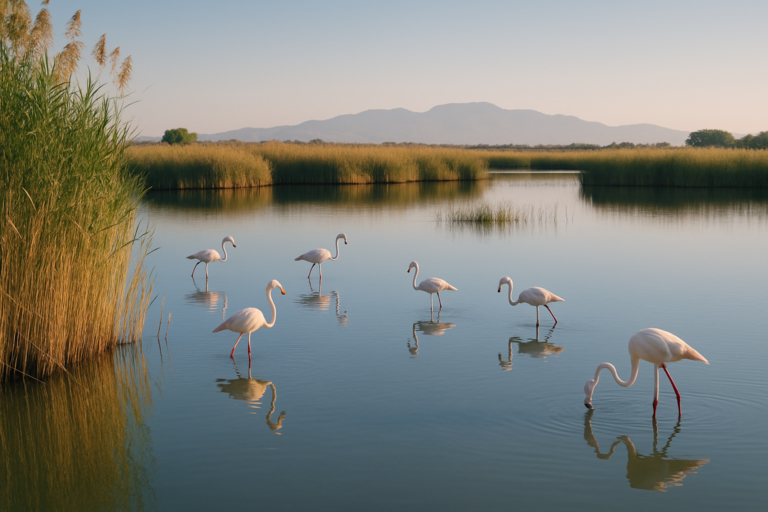
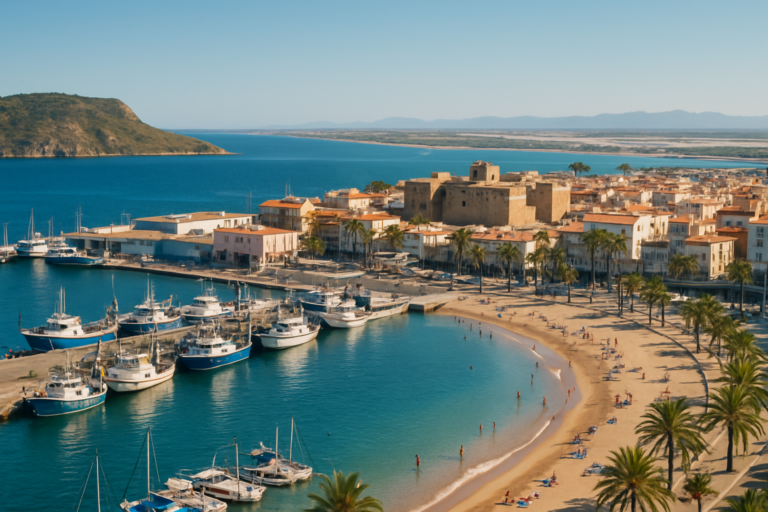
- Santa Pola — sandy beaches, the salt flats and flamingos, the fishing harbour (15 km)
- Guardamar del Segura (dunes) — Guardamar's vast pine-backed dunes and quiet beaches – a low-key alternative (17 km)
Things to see close by
- Basílica de Santa María (Elche) — Basílica de Santa María in Elche is a baroque church known (0 km)
- Palmeral of Elche (El Palmeral) — Europe's largest palm grove (0 km)
- Salinas de Santa Pola — A natural park of working salt pans near Santa Pola where pink (12 km)
- El Hondo Natural Park — is a key bird reserve with lagoons (12 km)
For the wider picture, see the full Costa Blanca guide.
Frequently asked questions
How do I get from the airport to the town centre?
Alicante–Elche Miguel Hernández Airport lies within the municipality about 13 km from the city centre; it is the most convenient air gateway for reaching the town.
Is the Lady of Elche on display in the city?
No. The famous original bust is in Madrid’s National Archaeological Museum. Replicas are displayed locally and the original has returned briefly only for short loans in the past.
When is the Mystery Play performed?
The medieval Misteri d’Elx is performed only on 14–15 August inside the Basilica de Santa Maria; it is a UNESCO‑recognised intangible heritage event.
Can I visit the palm grove for free?
Much of the central Parque Municipal section of the Palmeral is freely accessible for walking. Enclosed gardens such as the Huerto del Cura charge an admission fee.
Is Elche a beach resort?
No. The main city is inland and a working industrial and agricultural centre. The municipality includes coastal zones and nearby Santa Pola has the nearest traditional resort beaches.
What is the Huerto del Cura and is it worth a visit?
It is a National Artistic Garden in the Palmeral notable for the Imperial Palm (a rare seven‑branched date palm). It charges admission (adult and child prices given earlier) and is the compact, most-visited enclosed garden in the grove.
How many palm trees are in the Palmeral?
The Palmeral is commonly said to contain about 200,000 palm trees and extends roughly 3.5 km²; the UNESCO‑inscribed historic core is smaller, covering about 144 hectares.
Are there good museums in the town?
Yes. MAHE (Archaeological and History Museum) sits in the Palacio de Altamira and traces local history; the Museo del Calzado documents the footwear industry that has long defined the local economy.
How many days should I spend here?
Two full days are enough to see the Palmeral, Huerto del Cura, MAHE, La Alcudia site and a museum; add more time if you want a relaxed coastal day trip or to attend seasonal events.
Is the town family‑friendly?
Families enjoy the shaded walks through the Palmeral and the compact museums. The Misteri and other festivals are culturally rich but may be crowded during performance dates.
Can I get around without a car?
Yes. The central palm zones, historic core and principal museums are walkable. Elx Parc station and local public transport provide regional connections; for coastal beaches you may prefer organised transport or a short drive.
Is there parking in the centre?
Public parking exists but the historic core and garden areas are best explored on foot. Specific parking facilities and regulations should be checked with local authorities when planning.
When is Palm Sunday and why does it matter?
Elche observes a Palm Sunday procession that is classified as a ‘Festival of International Interest’; Palm traditions in the city also include the local craft of producing ‘palma blanca’ for processions.
What’s the best time of year to avoid heat but still enjoy the palm grove?
Spring and autumn offer milder temperatures and comfortable walking conditions around the Palmeral; summer is hot and dry but features the Misteri d’Elx in mid‑August.
Does the town have modern transport links to Madrid?
Yes. AVE fast trains connect Elx Parc with Madrid and regional cities including Orihuela and Murcia, providing efficient overland travel options.
Elche on the map
Places worth knowing near Elche
How this page is maintained. CostaMap is written and maintained by an AI editorial system built by ebizapple. Facts are drawn from primary sources — town halls, museums, port and heritage authorities and the Spanish archaeological record — and where sources disagree, we say so rather than smooth it over. Photographs marked as ours are taken on location. This page was last reviewed on 14 August 2026. Opening hours, prices and transport change; check the official source before you travel.