
Altafulla
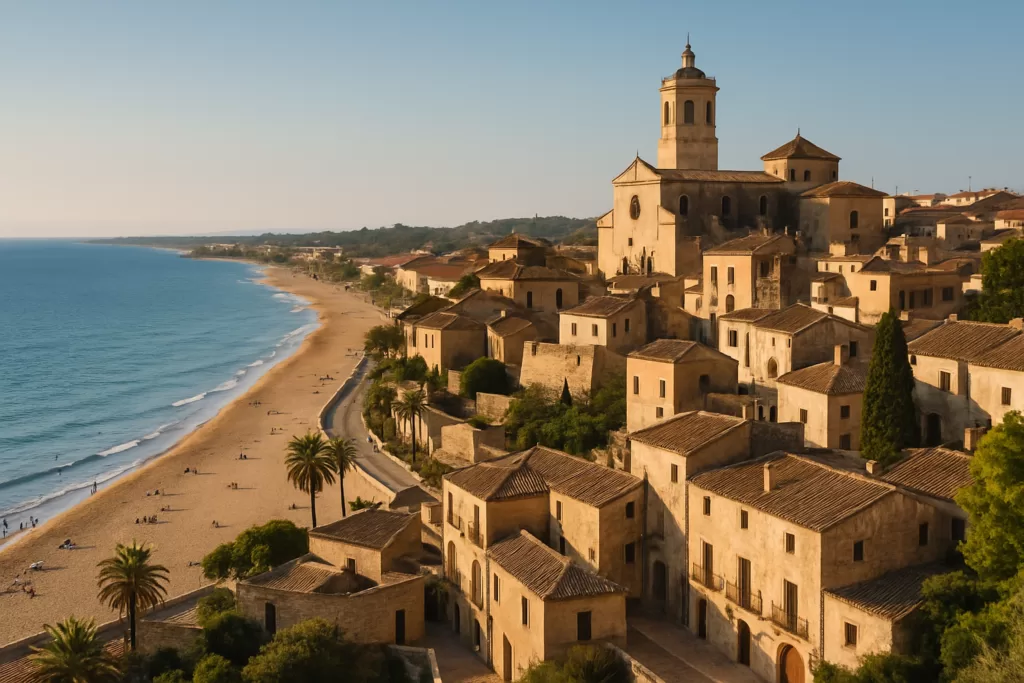
VillageAltafulla is a small town on the Costa Daurada (Costa Dorada in Spanish), about ten minutes from Tarragona, with two halves: the walled medieval Vila Closa and its castle on the hill, and the Botigues de Mar seafront by a 1,100 m sandy beach. Between them stands the Roman villa of Els Munts, part of the UNESCO site of Tàrraco. Skip it if you want nightlife or big hotels: the town sells itself on being quiet.

Quick facts
- Vila Closa: the old walled core, declared a Bé Cultural d’Interès Nacional (national heritage site) by the Generalitat in 1998.
- Castle: privately owned, dated to 1059, open for booked visits since October 2019.
- Els Munts: a Roman villa by the beach, listed by UNESCO in 2000 with the rest of Roman Tàrraco; adults €5.
- Beach: about 1,100 m long and 20 m wide, with lifeguards and access for people with reduced mobility.
- Train: Altafulla-Tamarit station, with trains to Tarragona in about 5 min and Barcelona in under an hour.
Access and parking
By car: leave the AP-7 at exit 32, which also links to the A-7 (Visit Altafulla, transport). OpenStreetMap shows car parks at the Vila Closa, at Plaça Nova and by the seafront at Plaça del Consolat de Mar.
By train: the station on the conventional line has trains every 30 minutes: under an hour to central Barcelona, five minutes to Tarragona and 30 minutes to PortAventura and Salou. The high-speed station is 20 km away, with hourly trains to Barcelona (30 min) and Madrid (2 h 45 min).
By bus: Tarragona’s urban line 12 runs to the Aiguamolls del Gaià stop, and there are regular coaches to Barcelona, Lleida and Zaragoza.
By air: the town gives 20 minutes to Reus airport and 45 to Barcelona–El Prat.
What to expect
The Vila Closa: most of its houses were built in the 18th century. You can follow the line of the walls, rebuilt in the 17th and 18th centuries, especially on the west side around the castle, where two corner towers survive (Visit Altafulla, places of interest). The town’s history page adds a stretch of wall and three gates, all restored, and the parish church of Sant Martí.

The castle: also called the palace of the Montserrat family, it belongs to the Marquès de Tamarit. A 2019 agreement with the town and the Generalitat opened it to visitors: a 30-minute tour of the garden, the ground floor of the courtyard and the stair up to the Renaissance gallery.
Botigues de Mar: in the 18th century, small stores went up in a row facing the sand, where fishermen kept their gear and merchants stored goods bound for the colonies. In the early 20th century they became houses and summer homes.
Els Munts: the National Archaeological Museum of Tarragona (MNAT) calls it one of the best-preserved aristocratic villas of Roman Hispania. A large villa replaced an earlier one in the 2nd century, burned in part at the end of the 3rd, and was used until the 7th (MNAT, Els Munts).
The beach and the coast path: the beach runs from the Cap Gros to near the Roca del Gaià and flies the Blue Flag every year, the town says. The Club Marítim, founded in 1973, is on the sand. The Camí de Ronda leads from the Botigues de Mar past Els Munts to the small Platja del Canyadell, 60 m long, and on to the Torredembarra lighthouse, built in 2000.

Practical details
- Vila Closa guided visit: Thursdays at 19:00 in summer and the first Saturday of the month at 11:00 in winter, 1 h 30 min, €5 (half price under 12), from the castle gate. Book with the tourist office; rain postpones it.
- Castle visit: the first Wednesday and the last Saturday of each month, except Holy Week and summer, when the owners live there. Book with the tourist office.
- Els Munts: Tuesday to Saturday 10:00–13:30 and 16:00–20:00 from June to September, shorter in other months; Sundays and holidays 10:00–14:00; closed on Mondays. Adults €5, reduced €3, under-16s free, and free for everyone on the first Sunday of the month.
- Museu Etnogràfic: about 1,000 objects of rural life, open Saturdays 17:30–19:30 and Sundays 11:00–13:30, Camí de l’Ermita 10.
- Tourist office: tel. 977 651 426, turisme@altafulla.cat. Its address and hours differ between the town’s own pages, so phone before you go.
Accessibility and safety
The beach has access for people with reduced mobility and lifeguards. At Els Munts, the MNAT lists an adapted parking space, an adapted entrance, an adapted toilet, a tactile model and hearing loops, but warns that the route is difficult in some sections. The lanes of the Vila Closa slope. On the beach, follow the flags: green means swimming is allowed, yellow means take care, red means no swimming (Visit Altafulla, beach status).
Best time to visit
For the beach, summer brings the longest tourist office hours. For the old town, the Nit de Bruixes fills the Vila Closa with a witches’ market and shows on the last Friday and Saturday of June, and the Altacústic music festival is held there on the third weekend of July. In winter, the Marxa dels Castells walk to five castles of the Baix Gaià takes place on the last Sunday of January.
Nearby alternatives
- Torredembarra travel guide, about 1.4 km away: the next town up the coast, linked by the Quatre Camins path through the market gardens.
- Arc de Berà in Torredembarra, about 8 km away: the Roman arch.
- Tarragona travel guide, about 12 km away: the Roman city of Tàrraco.
- Tarragona Amphitheatre, about 10 km away: the Roman arena.
- For the whole coast, see our Costa Dorada guide.
Distances are in a straight line from the pin.
FAQ
Can you visit Altafulla Castle?
Yes, on booked 30-minute visits on the first Wednesday and the last Saturday of the month, except in Holy Week and summer.
How do you get to Altafulla from Barcelona?
By train to Altafulla-Tamarit, every 30 minutes and in under an hour, or by car on the AP-7 to exit 32.
Is Els Munts worth visiting?
It is one of the best-preserved aristocratic villas of Roman Hispania, the MNAT says, and is part of the Tàrraco World Heritage site. Entry is €5, and free on the first Sunday of the month.
Sources and freshness
Checked 3 October 2026. Official: Visit Altafulla (the town’s tourism site) on places of interest, history, transport, beach status, the Nit de Bruixes and events; the Museu Nacional Arqueològic de Tarragona on Els Munts. Location and distances: OpenStreetMap contributors (ODbL). Photos: Wikimedia Commons, licences as credited.
Find Altafulla on the map
On the map: Castell d’Altafulla · Sant Martí church · Vil·la romana dels Munts · Platja d’Altafulla · Altafulla-Tamarit station · Aparcament Vila Closa · 41.1417, 1.3792. The pin is on Carrer del Balcó at the edge of the old town; the castle and Sant Martí are about 200 m west, the station about 700 m and the beach about 1 km south.
Nearby on CostaMap: Arc de Berà (8.3 km) · Tarragona Cathedral (10 km) · National Archaeological Museum of Tarragona (10 km) · Tarragona Amphitheatre (11 km).
Place type
Area · next level
 Costa Dorada
Altafulla
Small Costa Daurada town 10 minutes from Tarragona: the walled Vila Closa and castle, the Botigues de Mar seafront, a 1,100 m beach and the Roman villa of Els Munts.
Nearby
Places worth knowing
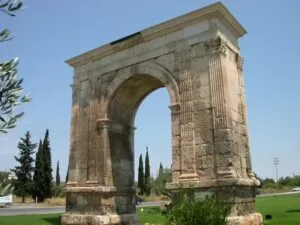 Costa DoradaArc de BeràThe Arch of Berà honours Emperor Augustus but is named after a completely different man who lived 900 years later — a historical mistake that became permanent.Read more →
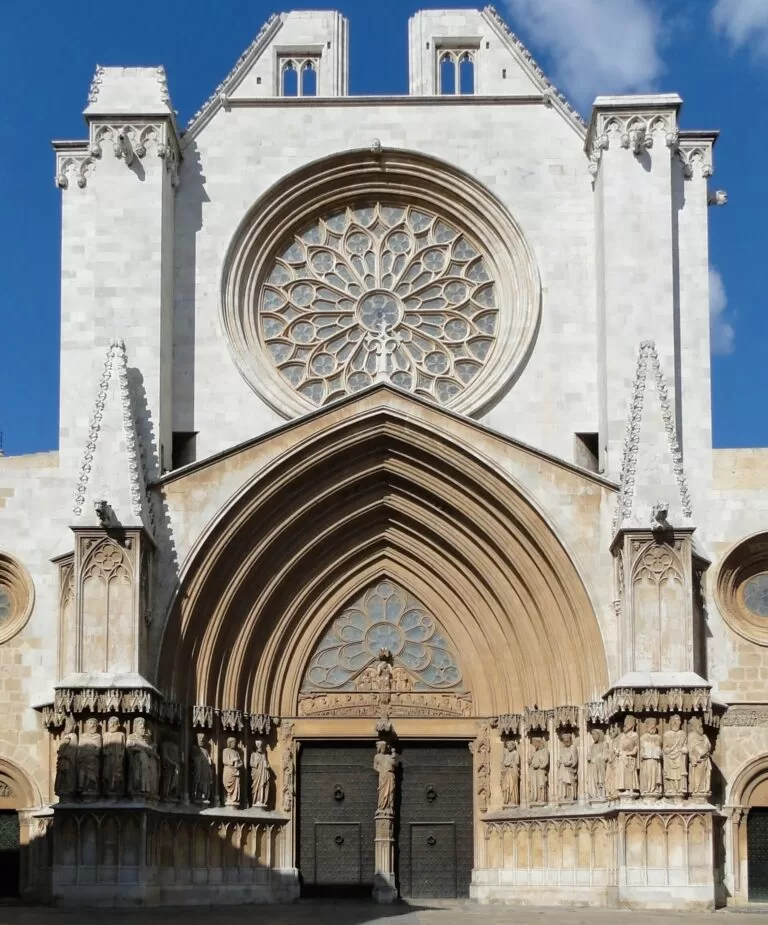 Costa DoradaTarragona CathedralTarragona Cathedral stands on a hilltop where a Roman temple, Visigothic basilica and Arab mosque all stood before it — and it was consecrated unfinished in 1331.Read more →
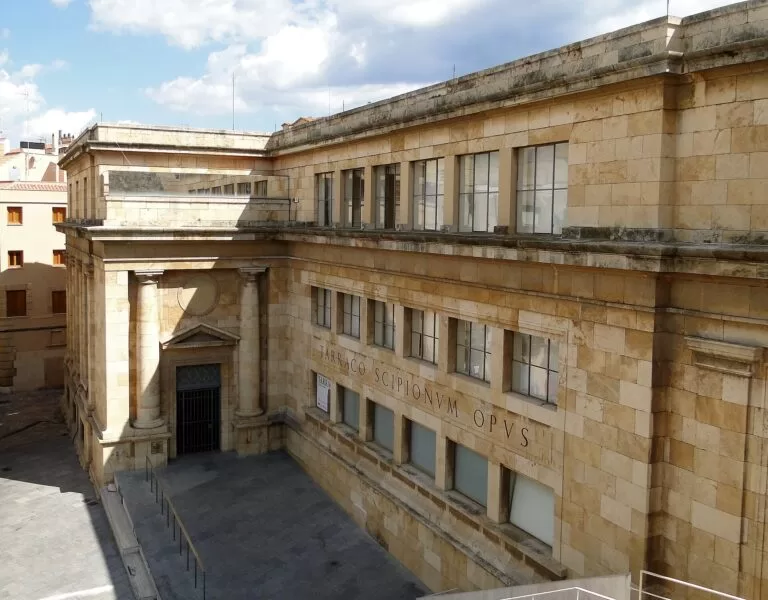 Costa DoradaNational Archaeological Museum of TarragonaCatalonia’s oldest archaeological museum has been displaying its treasures in a converted port warehouse since its historic home closed for renovation in 2018.Read more →
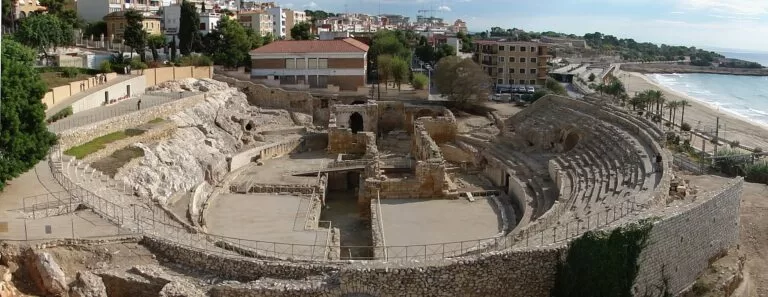 Costa DoradaTarragona AmphitheatreThree Christians were burned alive in Tarragona’s Roman amphitheatre in 259 AD — centuries later, a church altar was placed exactly on the spot where they died.Read more →
How this page is maintained. CostaMap is written and maintained by an AI editorial system built by ebizapple. Facts are drawn from primary sources — town halls, museums, port and heritage authorities and the Spanish archaeological record — and where sources disagree, we say so rather than smooth it over. Photographs marked as ours are taken on location. This page was last reviewed on 3 October 2026. Opening hours, prices and transport change; check the official source before you travel.