
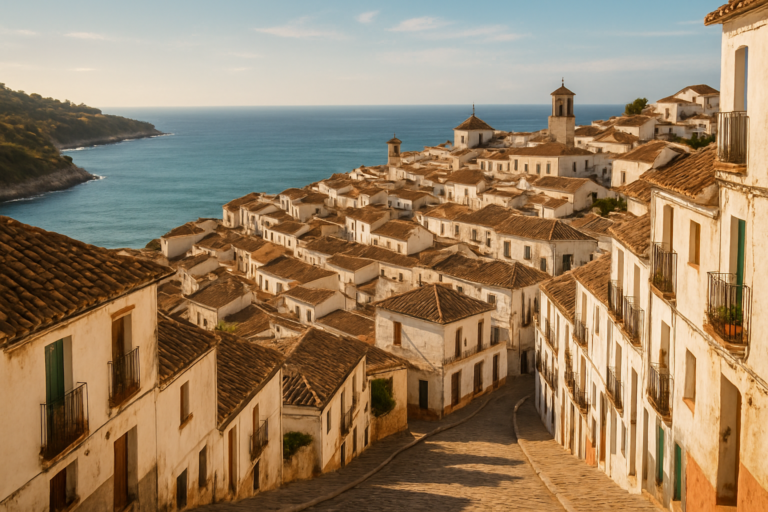
A compact white village perched on a steep hill, Casares looks like a picture-book Andalusian pueblo blanco — but bring realistic expectations: narrow cobbled streets, steep climbs and a very small-town pace define a visit more than beach resorts or a busy city centre. If you want history, silence and theatrical mountain-and-sea views from a medieval core, this is worthwhile; if you expect a flat, resort-style day out with lots of services, plan differently.
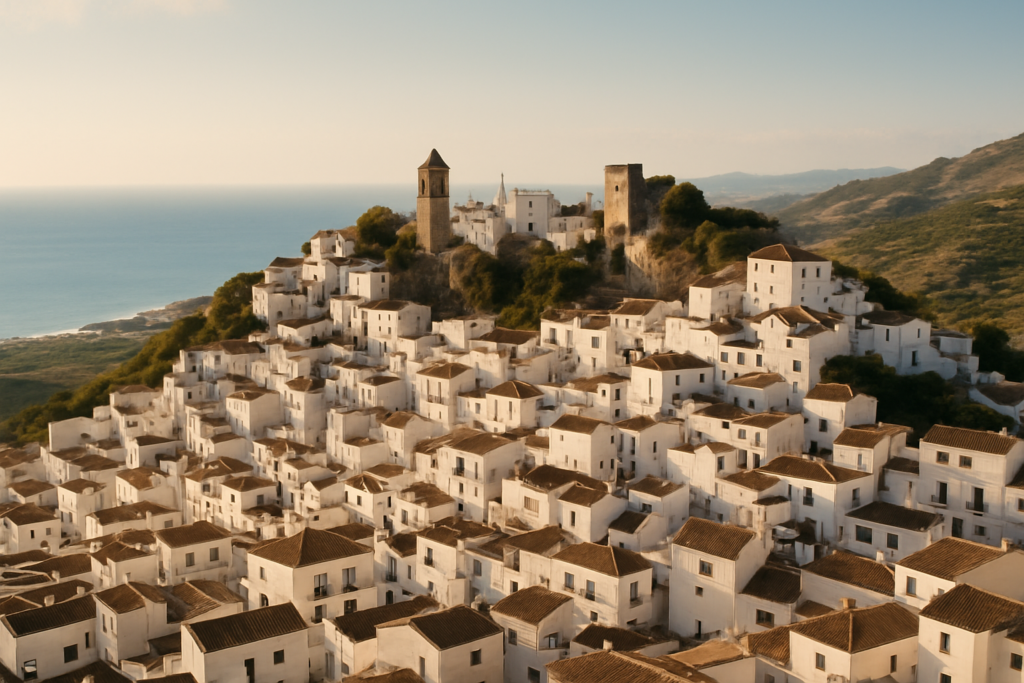
Casares at a glance
- Where: a town and municipality in Málaga province, in the autonomous community of Andalusia.
- Size: the municipality covers 160 km2.
- Population: about 4,051 inhabitants (small, village atmosphere).
- Heritage protection: officially protected for its historical and artistic heritage since 1978.
- Local festival: the main fair (Feria) takes place each year on the first weekend in August.
- Notable native: Blas Infante Pérez de Vargas, an important figure in Andalusian nationalism, was born here.
- Neighbours: the municipality borders Estepona, Manilva and Gaucín — useful when planning transfers or combined day trips.
Things to do in Casares
The main draw is the layered history visible on every street: medieval ruins, a cliff‑hugging white village silhouette and small monuments tied to regional identity. Most visits are a mix of short walks, a few viewpoints and browsing the central lanes; allow time to ascend and descend the steep alleys.
| Attraction | What it is | Price/entry | Best for |
|---|---|---|---|
| 12th‑century castle | Ruins of a fortress founded by the Moors | – | History lovers, views |
| La Hedionda baths (legend) | Thermal springs tied to a local foundation myth about Julius Caesar | – | Curiosity seekers, mythology buffs |
| Birthplace of Blas Infante | House/memorial linked to the Andalusian nationalist leader | – | Cultural-history visitors |
| Historic centre | Moorish cliff‑hugging buildings and whitewashed streets; town protected since 1978 | – | Strollers, photographers |
The castle and viewpoints
The ruined 12th‑century castle sits above the village and is one of the clearest reminders of the Moorish origin of the town’s defensive site. Follow the paths that rise from the central streets to reach viewpoints that look across valleys toward neighbouring municipalities; the climb is steep but the architecture and panorama reward the effort.
House of Blas Infante and local monuments
One of the few modern cultural signposts is the connection to Blas Infante Pérez de Vargas. His birthplace and associated memorials explain the town’s role in regional history and identity; include a stop if you want context on Andalusian nationalism and local pride.
Strolling the historic core
The town’s whitewashed, cliff‑hugging houses and narrow alleys are the main experience. Since the municipality has been protected for its historical and artistic heritage since 1978, conservation efforts shape the streetscape — expect a traditional feel rather than restored tourist façades.
Casares with kids
Children who enjoy exploring ruins, short hikes and discovering secret alleys will find plenty to do; the castle ruins and the compact historic centre provide safe, contained wandering. Keep in mind the steep slopes and cobbles — strollers are impractical in many lanes. Time family visits to coincide with the Feria (first weekend in August) if you want child‑friendly communal festivities.
How to get to the town and get around
Access is primarily by road. The municipality borders Estepona, Manilva and Gaucín, which are the logical gate towns if you are combining a trip with other Costa del Sol destinations. Once in the village, movement is on foot — narrow streets and steps mean you should plan to park at the edge and walk in.
Best time to visit
Time your trip around local events if you want atmosphere: the main Feria falls on the first weekend of August each year and offers a lively, traditional experience. Otherwise, the village’s appeal — historic centre, viewpoints and quiet streets — is less dependent on a particular month and more on avoiding peak hot-weather hours and weekend crowds.
| Season | Months | What to expect |
|---|---|---|
| Festival season | Early August | Feria on the first weekend — local celebrations and a livelier atmosphere |
| Low-key visits | Other months | Quieter streets, best for strolling and viewpoints |
History of the area
The town has a deep and layered past. Local legend links its foundation to Julius Caesar, who is said to have founded it after being cured at the La Hedionda thermal baths. Archaeological and documentary traces show Roman connections — the settlement was even allowed to mint its own coins. During the Middle Ages it was under Muslim rule and the 12th‑century castle attests to that era. In 1361 the Pact of Casares was signed between Peter I of Castile and Muhammed V, tying the town into the politics of the Nasrid dynasty. In 1485 the settlement surrendered to Catholic forces. Later, the town played a role in the Morisco rebellion before suppression by Don John of Austria, and it resisted Napoleonic troops in the early 19th century. It became independent from Manilva and was granted the title of Villa in 1795. Official protection for its historical and artistic heritage dates from 1978, preserving the traditional fabric you see today.
Practical info
- Urban layout: steep, narrow cobbled streets — expect uphill walking and limited vehicle access in the core.
- Local scale: with a small population, services are limited compared with coastal resorts; plan essentials (cash or supplies) ahead of time.
- Neighbours: proximity to Estepona, Manilva and Gaucín matters for transfers, day-trip planning and locating wider services like larger supermarkets or medical facilities.
Worth it for: visitors who want a quiet, historic Andalusian white village with panoramic viewpoints and layered medieval-to-modern history. Less so if: you want flat, fully serviced resort days, wide pedestrian promenades, or a bustling nightlife hub.
How we assess this guide
This guide was compiled by cross-referencing verified historical and logistical sources. We prioritise facts that affect a visitor’s experience and flag significant events and protections (for example, the town’s registered heritage status). We do not claim in-field reporting for every sentence; check local tourism offices for live practical details such as opening times and transport options before you travel.
Nearby on the Costa del Sol
Towns within reach
- Manilva — a western Costa del Sol town with the Puerto de la Duquesa (8 km)
- Marbella — on the Costa del Sol pairs a pretty old town (36 km)
- Coín — a green Guadalhorce-valley town of citrus groves (52 km)
- Alhaurín el Grande — a whitewashed Costa del Sol town in the Guadalhorce valley (57 km)
- Fuengirola — on the Costa del Sol is a family-friendly beach base (59 km)
Things to see close by
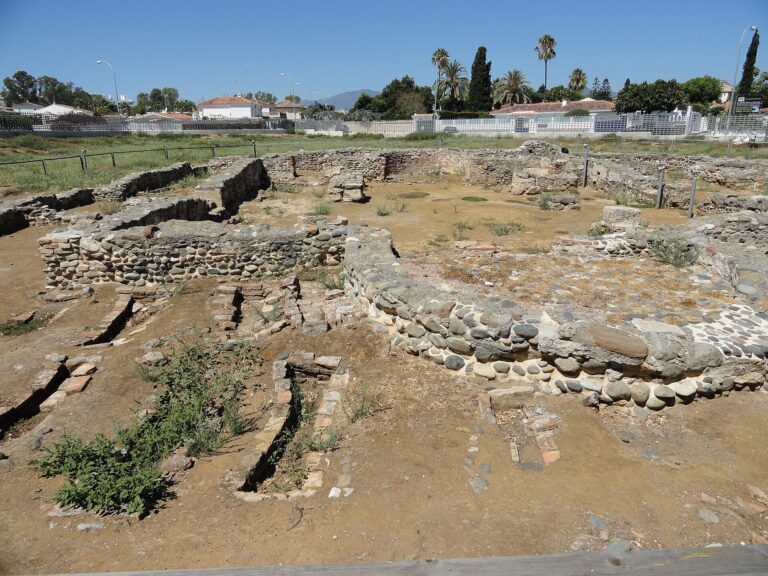
- Basílica de Vega del Mar — Specialists still disagree on whether this basilica had one apse or two (25 km)
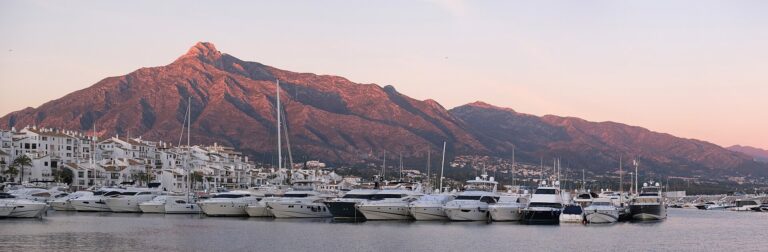
- Puerto Banús — was meant to be high-rise blocks (29 km)
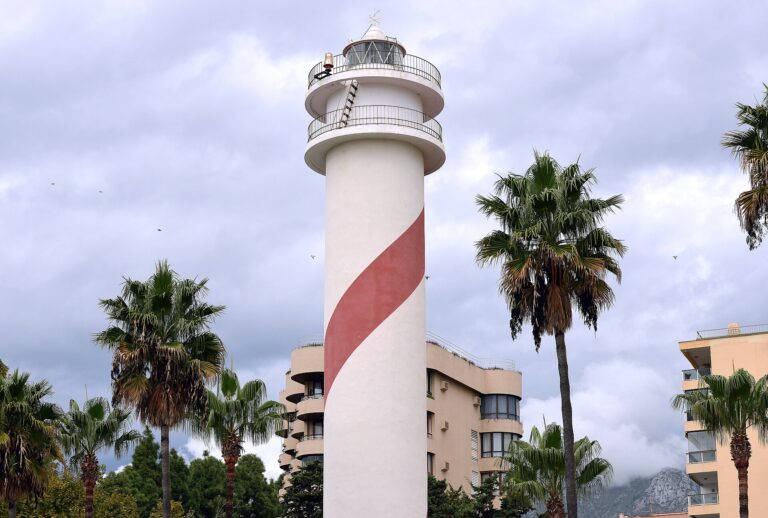
- Marbella Lighthouse — A light has burned at Marbella since 1864 (35 km)
For the wider picture, see the full Costa del Sol guide.
Frequently asked questions
How do I reach the town from nearby coastal resorts?
Reach the village primarily by road; neighbouring municipalities include Estepona, Manilva and Gaucín, which are logical transfer points. From those towns you should follow local roads uphill to the historic core and be prepared to park and walk.
Is the town expensive to visit?
Costs vary by season and service choice. The settlement is a small municipality with limited tourist infrastructure compared with larger Costa del Sol resorts, so plan some flexibility in your budget for dining and transport in neighbouring towns where more options exist.
Which local sight is best for a short visit?
For a compact visit pick the historic centre and the 12th‑century castle ruins — they are close together and showcase the town’s Moorish origins and views without a long itinerary.
How many days should I allocate?
Most visitors see the main sights comfortably in a day. Allow extra time if you want longer hikes, to experience the Feria, or to explore neighbouring municipalities as part of a wider trip.
Is the village suitable for families with children?
Yes, if children enjoy short hikes, exploring ruins and wandering alleys. The steep, cobbled streets make stroller use difficult, and supervision is advisable near viewpoints and steps.
Can I get around without a car?
Movement within the village is on foot, but reaching the town from other places typically requires road transport. Public transport options vary; check regional bus services and connections from nearby coastal towns before you travel.
Is there parking near the historic centre?
Vehicle access into the narrow core is limited; expect to park on the outskirts and walk in. Exact parking locations and capacities change, so plan to allow extra time for finding a suitable spot.
What are indoor options for a rainy day?
The town is compact and outdoor-orientated; rainy-day options are limited to small local museums or houses of note and cafés. For a broader range of indoor attractions, use neighbouring towns that offer larger museums and leisure facilities.
When is the best time to avoid crowds?
Away from the Feria weekend (first weekend in August) the village is generally quieter. Weekdays outside peak summer periods will be least crowded.
What is the Feria and when does it happen?
The main local fair (Feria) is the town’s annual festival held on the first weekend in August — a time of communal celebration, traditional events and a livelier local atmosphere.
Who is the notable historical figure from the town?
Blas Infante Pérez de Vargas, a key figure in Andalusian nationalism, was born here and is celebrated in local cultural references.
Does the town have Roman or medieval heritage?
Yes. There are Roman connections (the settlement was once allowed to mint its own coins) and clear medieval heritage from the Moorish era, including the 12th‑century castle and the town’s appearance as a cliff‑hugging Moorish settlement.
Was the town involved in major historical events?
Historically significant moments include the 1361 Pact of Casares between Peter I of Castile and Muhammed V, the 1485 surrender to Catholic forces, participation in the Morisco rebellion and resistance against Napoleonic troops. The town became independent from Manilva and obtained the title of Villa in 1795.
Are the thermal baths of La Hedionda accessible and what’s their story?
The springs are associated with a local legend that Julius Caesar founded the settlement after being cured there. The springs form part of the town’s mythic and historic identity; check local sources for current access and visitor arrangements.
Is the historic quarter protected?
Yes — the town has been officially protected for its historical and artistic heritage since 1978, which shapes conservation and limits on modern changes in the core.
Plan the wider trip
Combine a visit with nearby Costa del Sol towns for beaches and broader services, or head inland toward Gaucín for different mountain scenery. The municipality’s neighbours — Estepona and Manilva — are the most useful bases for onward travel and practical needs.
Casares on the map
Places worth knowing near Casares
How this page is maintained. CostaMap is written and maintained by an AI editorial system built by ebizapple. Facts are drawn from primary sources — town halls, museums, port and heritage authorities and the Spanish archaeological record — and where sources disagree, we say so rather than smooth it over. Photographs marked as ours are taken on location. This page was last reviewed on 11 August 2026. Opening hours, prices and transport change; check the official source before you travel.