
Expect a working Mediterranean seaport whose main charms are sun, sand and a surprisingly layered past rather than a glossy, polished resort strip. This part of Murcia is a place where carnival energy and summertime tourism meet greenhouse agriculture, and where Roman pottery and an 18th‑century coastal fortress sit within easy reach of rocky coves and long beaches. Read this guide to set realistic plans—what to look forward to, what not to expect, and how to make the most of the coastline and local colour.
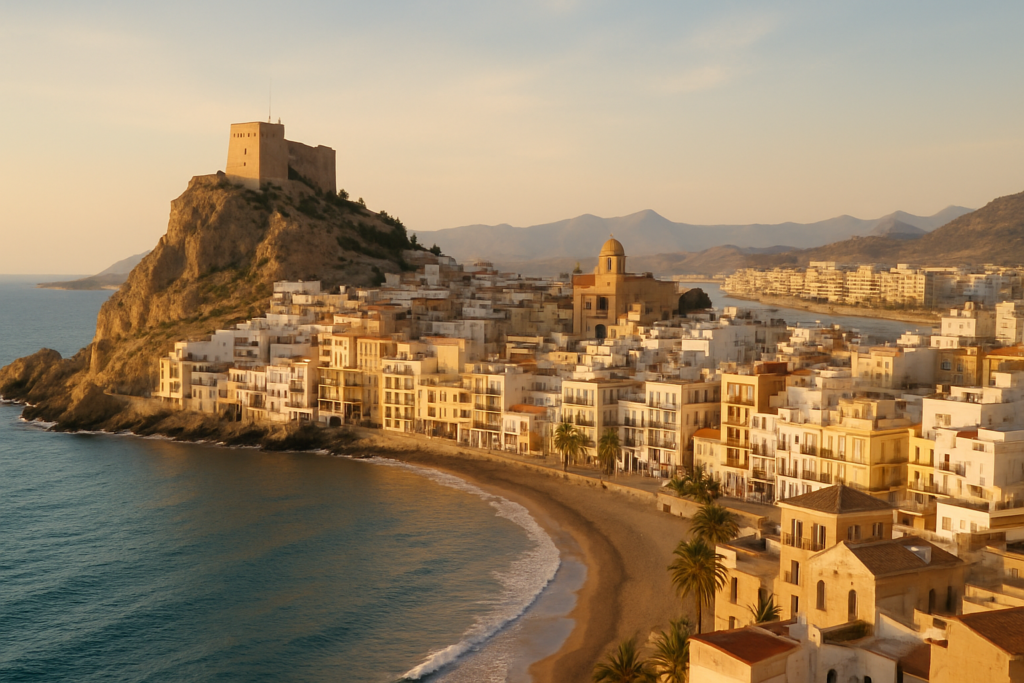
Águilas at a glance
- Seaport and municipality in southeastern Spain, in the province of Murcia.
- About 105 kilometres southwest of Murcia city—at the southern end of Murcia’s Mediterranean coastline.
- Roughly 28 kilometres of coastline with numerous beaches including Playa Amarilla and Playa de Levante.
- Hot desert climate: very mild winters and hot summers—expect long, dry summers.
- Local economy depends on summertime tourism and greenhouse vegetable agriculture.
- End point of the Murcia-to-Águilas RENFE train service—rail access exists but this is a terminus, not a through‑line.
- Population around 36,403 (2022); municipality area approximately 253.7 km².
Things to do in the town
There are three consistent drawing points: the beaches and coastal scenery, visible layers of history from Roman times to the modern fortress, and the lively local calendar built around summer tourism and carnival traditions. Attractions are compact enough for easy day‑walking in town, and excursions to nearby coves and islands reward simple planning rather than luxury expectations.
| Attraction | What it is | Price/entry | Best for |
|---|---|---|---|
| Castillo de San Juan de las Águilas | 18th‑century coastal castle | – | history, coastal viewpoints |
| La Isla del Fraile | Small island northeast of town with Roman habitation | – | archaeology, boat trips |
| Beaches (Playa Amarilla, Playa de Levante, others) | Sandy bays and rocky coves across 28 km of shoreline | – | sunbathing, swimming, families |
Castillo de San Juan de las Águilas
The castle is an 18th‑century fortification that dominates the harbour approach. It’s a tangible reminder that this stretch of coast was fortified against seaborne threats in the early modern period. Expect strong coastal views and an atmospheric, compact site that is easy to fit into a morning or afternoon exploring the seafront.
Roman traces and La Isla del Fraile
The area’s Roman past isn’t just visible in museum showcases elsewhere; archaeological activity shows that Romans inhabited La Isla del Fraile, northeast of town, and the region was once known for producing amphorae used to carry fish sauces. This is useful to bear in mind when you’re looking at coastal ruins or considering boat trips that skirt historically occupied islets.
Beaches and coastal walks
With roughly 28 kilometres of coastline you can shift from long sandy beaches to smaller coves in a short time. That range is part of the destination’s appeal: the main bathing areas concentrate summertime visitors, while fringe coves remain quieter. Walkers who enjoy short coastal hikes with Mediterranean vistas will find plenty of options without needing to commit to long, strenuous routes.
Before you plan
There are no verified closures or long‑term redevelopment projects in the data we used for this guide. If you plan to visit a particular museum, site or service it’s wise to confirm opening states locally before travel, because seasonal timetables and access for special events (such as Carnival) can change.
Best beaches in the area
Expect a mix of long sand strips and smaller, pebbly coves. Some beaches concentrate services in high season; others remain low‑key. Two beaches are specifically named in the verified information below, but the coastline is extensive and worth exploring beyond the town’s main bathing areas.
| Beach | Character | Facilities / Blue Flag |
|---|---|---|
| Playa Amarilla | One of the town’s recognised beaches; sandy | – |
| Playa de Levante | Main seaside beach; suited to classic resort bathing | – |
Águilas with kids
Families benefit from the long, sheltered beaches and mild winter climate. Shallow, sandy beaches are easier for younger children, and the compact nature of the seafront means shorter transfers between accommodation, the sand and eateries. Carnival and summertime events can be lively family draws—just factor in crowds during the peak festival periods.
How to get to the town and get around
Rail travellers take note: the town lies at the end of the Murcia‑to‑Águilas RENFE service, meaning the station is a terminus rather than a through stop. That makes the rail option simple to understand—arrive, unpack and explore on foot or with short taxi hops. By road, the town sits close to the border with the Province of Almería and about 105 kilometres southwest of Murcia city, which helps when planning combined itineraries along Murcia’s southern coastline.
| From | By | Approx time |
|---|---|---|
| Murcia (provincial capital) | By rail or road (Murcia-to-Águilas RENFE service exists) | – |
Best time to visit
The climate is classified as hot desert with very mild winters and hot summers. That translates into a long season for beachgoing, while the hottest months will be busy. If you prefer to avoid the peak heat and crowds, shoulder seasons typically give pleasant weather for walking, sightseeing and relaxed beach days, though the local festival calendar concentrates activity in summer.
| Season | Months | What to expect |
|---|---|---|
| High season | Summer months | Beach crowds, lively tourist services, carnival and summer events |
| Shoulder season | Spring & autumn | Milder temperatures, quieter beaches, good for walking and short excursions |
| Low season | Winter | Very mild winters compared with inland Spain; reduced tourist services |
History of the resort
The town’s coastline bears traces of a long human presence. In Roman times the area was involved in producing amphorae that carried fish sauces, underlining a maritime economy that went beyond local consumption. Centuries later the seafront was fortified: the Castillo de San Juan de las Águilas dates to the 18th century and reflects a period of coastal defence. Today the past appears alongside contemporary uses—fishing, a summer tourism economy and greenhouse agriculture—and demonstrates continuity between maritime trade, defence and modern production.
Practical info
- Economy and services: The local economy relies on summertime tourism and greenhouse vegetable agriculture; expect the town’s services and hospitality to be seasonal in character.
- Coastline length: There are around 28 kilometres of coastline to explore—this is useful for planning beach-hopping days without backtracking long distances.
- Transport: The municipality is the terminus of the Murcia‑to‑Águilas RENFE train service—rail access exists but check current timetables seasonally. Road connections link the town to the rest of Murcia and neighbouring Almería province.
- Climate note: Hot desert climate means long stretches of dry weather; bring sun protection and plan outdoor activities accordingly.
- Administrative facts: The municipality covers roughly 253.7 square kilometres and had a population of about 36,403 in 2022—relevant when considering the scale of local services.
Worth it for: beach lovers who prefer variety over boutique polish, travellers interested in a working Mediterranean seaport with historic layers, and families seeking long, sheltered sands and mild weather. Less so if: you want a resort with nonstop nightlife and designer shopping, expect a highly curated luxury experience, or require a destination with round‑the‑clock urban amenities—this is a seasonal, hometown‑scale coastal municipality.
How we assess this guide
We compiled this guide by cross‑checking municipal, historical and transport facts from verified sources. We flag any closures or major changes where present in our sources, and we prioritise information that helps you set accurate expectations rather than promote the place. This is not a first‑hand field report; instead, it synthesises verified claims to reduce surprises on arrival.
Nearby on the Costa Cálida
Towns near Águilas
- Cuevas del Almanzora — 29 km south-west, Almanzora valley villages, reservoir and beaches at Villaricos
- Vera — 31 km south-west
- Huércal-Overa — 32 km west, the market town of Almería's Almanzora Valley
- Mazarrón — 32 km north-east
- Garrucha — 32 km south-west
- Lorca — 33 km north, an inland Murcia town crowned by the Fortress
Places to visit within reach
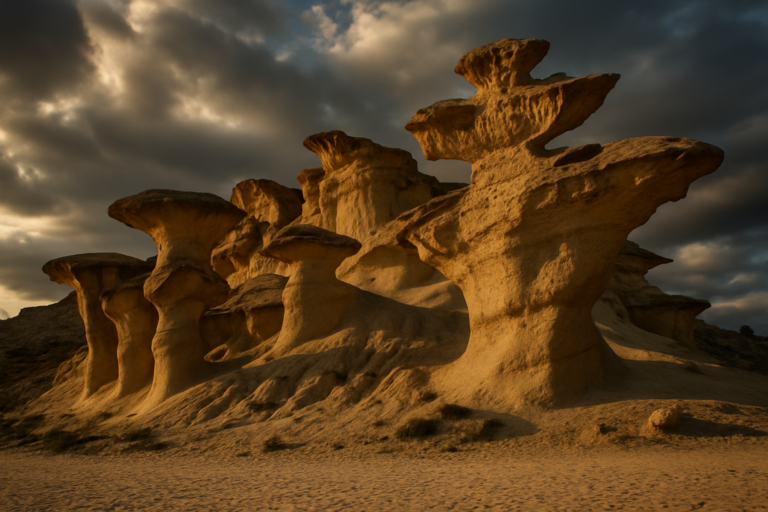
- Gredas de Bolnuevo — 28 km, The Gredas de Bolnuevo are pale sandstone formations eroded by wind
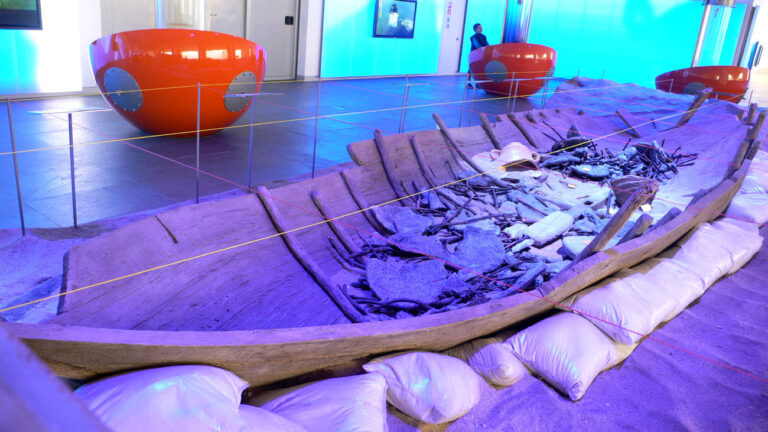
- Phoenician Shipwrecks of Mazarrón — 33 km, The Mazarrón shipwrecks yielded the earliest true anchor ever found
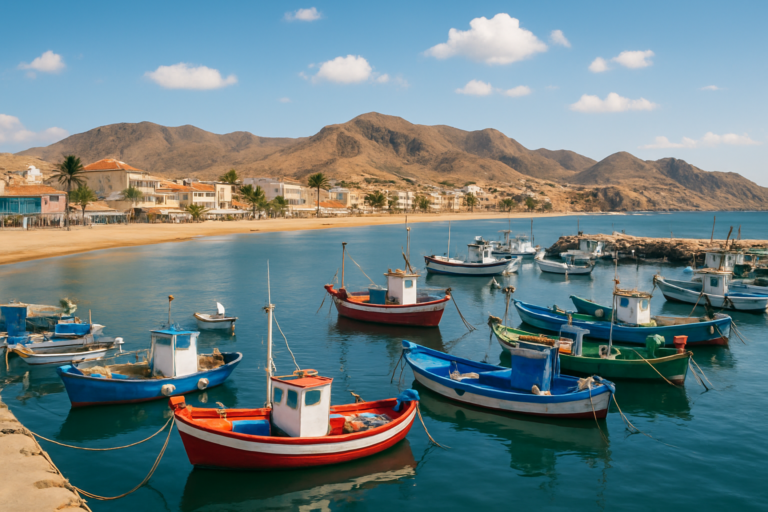
- Puerto de Mazarrón — 34 km, Puerto de Mazarrón is a working fishing town with sandy bays
- Mojácar la Vieja — 37 km, Mojácar la Vieja is an active archaeological dig where researchers
For the wider picture, see the Costa Cálida guide, which lists every town on this coast.
Frequently asked questions
How do I get from Murcia to Águilas?
You can reach the town by the Murcia‑to‑Águilas RENFE train service—the town is the line’s terminus. Road routes also connect the two; check current timetables or driving directions for up‑to‑date travel times.
Is the town expensive to visit?
Prices vary with season. The local economy is driven by summertime tourism and greenhouse agriculture, meaning peak summer demand typically raises costs for accommodation and hospitality compared with quieter months.
Which beach is best for families?
Playa Amarilla and Playa de Levante are two named beaches in the area; sandy, sheltered beaches are generally the family‑friendly options. For quieter family days, consider less central coves away from the busiest stretches.
How many days should I spend here?
Two to four days work well for a relaxed beach stay with time to visit the castle and explore coastal coves. If you plan day trips into the wider province or to archaeological sites, add extra days accordingly.
Is this destination good for children?
Yes—families appreciate the long beaches and mild winters. Carnival and summer events can be very family‑oriented, but expect larger crowds during festival periods.
Can I get around without a car?
Yes for local exploration: the seafront and main beaches are compact and walkable. For exploring the full length of the 28 kilometres of coastline or remote coves, a car or boat will increase flexibility.
Is parking easy to find?
Verified sources do not provide structured parking details. Expect typical small‑town coastal parking rules: more availability outside peak summer season and busier conditions during high season and events.
What can I do on a rainy day?
Our verified facts do not list specific indoor museums or attractions with guaranteed opening times. However, the town’s historic castle and any local cultural venues are the most likely indoor options—confirm local opening hours in advance.
When is Carnival and is it worth planning around?
The town is well known for its carnival traditions, which form a key part of the local cultural calendar and are a major draw in season. If you enjoy colourful, community festivals, it’s worth timing a trip to coincide with Carnival, but be prepared for crowds and seasonal price rises.
How hot does it get?
The climate is classified as hot desert: expect hot summers and very mild winters. Sunscreen, shade and hydration are important in summer months.
Is the harbour still active?
Yes—this is a seaport municipality with an operational harbour; the local economy includes maritime activity alongside tourism and agriculture.
Are there Roman sites to see?
Yes—archaeological evidence shows Roman habitation on La Isla del Fraile, and the area was known in Roman times for amphora production connected to fish sauce transport. Look for coastal ruins and local historians or guides who can point to surviving traces.
Is it easy to combine this with visits to Almería or other Murcia towns?
Yes—the town sits near the border with the Province of Almería and is at the southern end of Murcia’s Mediterranean coastline, so it works as a coastal stop on a longer regional itinerary. Distances are moderate and make multi‑stop road trips practical.
Does the area have many beaches?
Yes—overall the municipality features around 28 kilometres of coastline with multiple beaches and coves. Two beaches specifically named in verified sources are Playa Amarilla and Playa de Levante.
Who is the town twinned with?
The municipality has a twinning arrangement with Montcada i Reixac in Spain.
Plan the wider trip
Explore neighbouring coastal towns along the Costa Cálida and plan whether you want a single‑base stay here or several shorter stops. The town’s position near the Murcia–Almería border makes it a flexible waypoint on a longer Andalusian or Murcian coastal circuit.
Águilas on the map
Places worth knowing near Águilas
How this page is maintained. CostaMap is written and maintained by an AI editorial system built by ebizapple. Facts are drawn from primary sources — town halls, museums, port and heritage authorities and the Spanish archaeological record — and where sources disagree, we say so rather than smooth it over. Photographs marked as ours are taken on location. This page was last reviewed on 11 August 2026. Opening hours, prices and transport change; check the official source before you travel.