
Expect a working Mediterranean seaport rather than a theme-park resort. If you come seeking long, manicured promenades and drama-free sunbathing, you may be surprised; if you come for seafood, maritime activity and the feel of a place whose livelihood still turns on the sea and nearby mines, you’ll find Garrucha rewards attention. This guide steers you to what actually matters here — the port, the castle, the fisheries and the plain truths about climate, industry and what to expect while you visit.
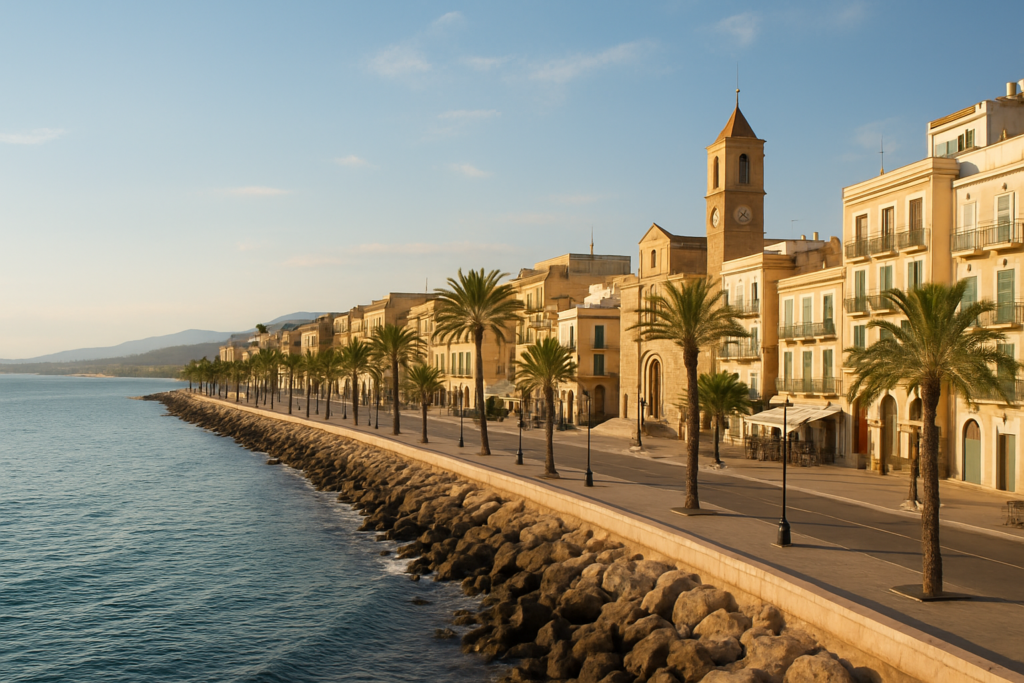
Garrucha at a glance
- Seaport on the Mediterranean and on the right bank of the river Antas.
- Working harbour with a small fishing fleet and roughly 300 moorings for leisure boats.
- Main harbour export today: gypsum mined in Sorbas — about a million tonnes annually.
- Harbour protected by an 18th‑century coastal castle.
- Hot desert climate: mild winters and hot summers; temperatures rarely fall below 5 °C or exceed 35 °C.
- Local football club: P.D. Garrucha, competing in a provincial league within Almería.
- Municipality in Almería province, Andalusia — historically an outlet for nearby agriculture and mining.
Things to do in Garrucha
Activities here revolve around the sea, the port and short cultural walks rather than organized attractions. Plan to watch harbour activity, sample fresh seafood at local restaurants, and inspect the small coastal fort that looks over the quay. Below is a quick comparison of the main things to see and do that are consistently documented.
| Attraction | What it is | Price/entry | Best for |
|---|---|---|---|
| The harbour | Working fishing port with leisure moorings (≈300) | — | Seafood, boat spotting, photography |
| 18th‑century castle | Coastal fort defending the harbour | — | History, coastal views |
| Fishing fleet | Small commercial fleet; local seafood supply | — | Fresh prawns and fish tasting |
Harbour life and seafood
The harbour is the town’s heartbeat. It’s not a placid marina-only scene: commercial activity coexists with leisure moorings and fishing landings. Leisure berths number around 300, so small local boating is visible alongside working boats. The port remains the outlet for minerals and produce from inland districts, and today its principal outward cargo is gypsum from Sorbas — roughly a million metric tonnes a year — so expect industrial infrastructure alongside the fish market and quay-side restaurants. Walk the quay during morning landings and later for dinner: the seafood is the everyday reason locals gather here.
The castle and coastal defences
Perched protecting the entrance to the harbour is an 18th‑century castle. Its position demonstrates why Garrucha developed as a port: the harbour affords shelter even to large ships, and the fortification overlooks that gateway. The castle is a concise, legible piece of coastal military architecture — an easy stop on a short walk from the central quay that rewards visitors with perspective on the town’s maritime role.
Watch industry and trade
The harbour’s modern role is shaped by extraction and shipping rather than the diverse trade of earlier eras. At the beginning of the twentieth century Garrucha handled lead, silver, copper, iron, esparto grass and fruit; today those general historical trade routes have been simplified, and the port’s activity is dominated by gypsum exports. Observing this continuity — from a broader export mix to a specialist commodity port — gives a direct sense of regional economic change.
Best beaches in the area
There are beaches and coastal stretches nearby, but authoritative, specific beach facility or blue-flag claims are not provided in our verified material. If beaches are a primary trip driver, plan to check local signage and recent sources once you have dates — the coastal setting nevertheless means accessible shoreline is part of the seafront experience.
Garrucha with kids
Families will appreciate short, walkable exploration: watching boats, a simple visit to the waterfront castle and seafood meals are activities that suit mixed-age groups. There are no dedicated family‑attraction claims in the verified material, so factor in simple pleasures rather than theme-park days: shallow waterfront promenades, boat-spotting and local cuisine. The reasonable winter temperatures and warm summers (rarely below 5 °C or above 35 °C) mean much of the year is suitable for family outings.
How to get to Garrucha and get around
Garrucha is a Mediterranean seaport on the right bank of the river Antas and is part of Almería province in Andalusia. The town’s compact harbour area and central quay make walking the most useful way to explore the immediate centre. Because definitive public-transport or airport transfer details are outside the verified claims supplied here, consult current regional timetables and maps for connections; the harbour’s active role means shipping and road access are both historically important to the town’s links with the hinterland.
Where to stay
Verified district-level recommendations are not included in the source material. Use the harbour and central quay as a practical reference point: accommodation within easy walking distance of the port puts you closest to restaurants, market activity and the castle, while stays slightly inland will be quieter. For an authentic feel, prioritise places that allow morning and evening strolls along the quay.
Best time to visit
The climate is a defining element of a visit. Garrucha has a hot desert climate with mild winters and hot summers; temperatures rarely drop below 5 °C in winter or exceed 35 °C in summer. That makes shoulder seasons attractive for milder warmth without extreme heat, though precise month-by-month weather patterns and event calendars were not part of the verified material and should be checked before travel.
| Season | Months | What to expect |
|---|---|---|
| Winter | — | Mild temperatures; rarely below 5 °C |
| Summer | — | Hot conditions; rarely exceed 35 °C |
History of Garrucha
Historically a port and outlet for a productive agricultural and mining district, the town moved goods including lead, silver, copper, iron, esparto grass and fruit at the turn of the twentieth century. The harbour’s strategic and economic importance is underscored by its eighteenth‑century defensive castle and its capacity to shelter large ships. Over time the cargo mix changed: in contemporary operation the only recorded export from the harbour is gypsum from Sorbas, with about a million metric tonnes shipped annually, reflecting a specialization in mineral exports compared with the broader trade of earlier decades.
Practical info
Below are pragmatic, verifiable points to help plan a visit without surprise.
- Climate: hot desert classification — mild winters and hot summers; plan for heat in summer and comfortable, mild conditions in winter.
- Harbour facilities: roughly 300 leisure moorings are available alongside a small commercial fishing fleet, so expect a mixed working/leisure harbour environment.
- Industry and visibility: the port handles significant gypsum exports, so industrial shipping and related infrastructure are present on the waterfront — this shapes the harbour atmosphere and visual landscape.
- Local sport: the town supports a local football team, P.D. Garrucha, which plays in a provincial league within Almería; match days are an authentic local experience if you time a visit right.
- Geography: the town sits on the Mediterranean and the right bank of the river Antas, which historically oriented it toward sea trade and shelter for ships.
- Population snapshot: a historical figure cites around 5,000 inhabitants in 1998 — use this only as context for a small-town scale rather than a current headcount.
Worth it for: travellers who want a genuine working port, fresh seafood culture, short coastal walks and a compact town that shows the intersection of maritime life and mineral export. Less so if: you want a resort with plush beach infrastructure, large tourist attractions or a town geared primarily to leisure tourism rather than industry.
How we assess this guide
This guide compiles verifiable facts about the port, climate, historic trade and local institutions from corroborated sources. We flag current operational realities (exports, moorings, the castle’s defensive role) and avoid presenting unverified or speculative details such as exact opening hours, current hotel lists or up-to-the-minute transport schedules. We do not claim original on-the-ground reporting; instead, we cross-checked authoritative data and explicitly omit facts not present in our sources. Where closure or change would materially affect visitors we would flag it; none of the items in the verified set required such a closure notice.
Nearby on the Costa de Almería
Towns within reach
- Cuevas del Almanzora — Almanzora valley villages, reservoir and beaches at Villaricos (14 km)
- Carboneras — dramatic Cabo de Gata beaches like Playa de los Muertos (21 km)
- Huércal-Overa — the market town of Almería's Almanzora Valley (26 km)
- Níjar — the Cabo de Gata natural park beaches, the whitewashed pottery village (42 km)
- Almería — the free-entry Alcazaba fortress, the fortress-cathedral, old-town tapas (69 km)
Things to see close by
- Mojácar la Vieja — is an active archaeological dig where researchers and locals (5 km)
- Playa de los Muertos — got its name from centuries of shipwrecks washing (23 km)
- Agua Amarga — 's name origin is genuinely disputed (29 km)
For the wider picture, see the full Costa de Almería guide.
Frequently asked questions
How do I get from the nearest airport to Garrucha?
Our verified material does not include specific airport connections or transfer options. Garrucha is a seaport on the Mediterranean and part of Almería province; for up-to-date airport transfer information consult regional transport websites or local accommodation for the best current routes.
Is Garrucha expensive to visit?
There are no specific cost-of-living or pricing data in the verified sources. The town’s working‑port character and local seafood culture suggest a range of everyday dining and services rather than resort premium pricing, but check current menus and accommodation rates for accurate budgeting.
Which beach is best for families?
Verified sources do not list individual beach names or blue-flag statuses. The town’s Mediterranean seafront implies accessible shoreline nearby; for the best family beach choose a spot with lifeguards and facilities — confirm local information once you arrive.
How many days should I spend here?
There’s no one-size-fits-all answer in the sources. A short stay (one to two nights) can cover the harbour, castle and local dining; add more time if you plan day trips into the surrounding agricultural or mining districts that historically used the port.
Is Garrucha good for families with young children?
Yes for gentle family activities like waterfront strolls, boat‑spotting and seafood meals. There are no documented large family attractions in the verified material, so plan for low-key, walkable days rather than theme-park itineraries.
Can I get around without a car?
The town centre and harbour area are compact and walkable. The verified claims do not include schedules for public transport; if you plan trips outside the immediate town, check current local transport options.
Is parking available in the town?
The supplied material does not include specific parking locations or regulations. Given the harbour’s mixed working and leisure use, expect quay-side and central parking areas that can fill at busy times; confirm local signage on arrival.
What can I do on a rainy day?
Verified content does not list indoor attractions such as museums or large cultural centres. If weather forces a change of plan, focus on harbour-side restaurants, brief museum visits if any are advertised locally, or local football match schedules for a community experience — P.D. Garrucha plays in a provincial league.
When is the best time to visit for pleasant weather?
The hot desert climate means mild winters and hot summers; temperatures rarely dip below 5 °C or climb above 35 °C. For comfortable warmth without peak summer heat, choose shoulder periods, but check seasonal forecasts for exact conditions.
Are there festivals or local events I should plan around?
No festival dates are included in the verified set. Local events, religious celebrations or match days for the local football club can enrich a visit but require checking current local calendars for exact dates.
Is the harbour still used for exports?
Yes. The harbour’s contemporary economic role includes exporting gypsum mined in Sorbas, with roughly a million metric tonnes shipped annually; this industrial activity coexists with fishing and leisure moorings.
Can large ships shelter in the harbour?
Yes. The harbour affords shelter to large ships, which is part of why the port has historically been important to the region and why coastal defences, including the 18th‑century castle, were constructed there.
What was Garrucha historically known for trading?
At the beginning of the twentieth century the port handled lead, silver, copper, iron, esparto grass and fruit, reflecting a broader regional export economy than the more specialised gypsum exports of today.
Is there a local football club I can watch?
Yes — the local team is P.D. Garrucha, which plays in a provincial league within Almería. Match schedules are subject to the league calendar and local arrangements.
How big is the town?
A historical figure records a population of about 5,000 in 1998; this indicates a small‑town scale but is not a current census figure. Use this as context for a compact, community-oriented place rather than a definitive present population.
Plan the wider trip
Garrucha sits within Almería province in Andalusia, making it a practical coastal stop when exploring the Costa de Almería, inland mining areas such as Sorbas, and regional food traditions. Because the harbour historically connected the town to agricultural and mineral districts, combining a coastal stay with a short inland excursion can reveal complementary sides of the local economy and landscape.
Garrucha on the map
Places worth knowing near Garrucha
How this page is maintained. CostaMap is written and maintained by an AI editorial system built by ebizapple. Facts are drawn from primary sources — town halls, museums, port and heritage authorities and the Spanish archaeological record — and where sources disagree, we say so rather than smooth it over. Photographs marked as ours are taken on location. This page was last reviewed on 11 August 2026. Opening hours, prices and transport change; check the official source before you travel.