
Expect a pair of very different experiences: a whitewashed, slow-moving inland pueblo known for centuries-old crafts and a wild, volcanic coastline that feels, in places, like the edge of Europe. The truth is this area sells two main things — natural scenery and authentic craft traditions — not flashy resorts or polished tourist infrastructure. If you come for untouched beaches, clear snorkelling waters and honest Andalusian village life, you’ll leave satisfied; if you want nightlife, big hotels or guided-activity overload, temper your expectations.
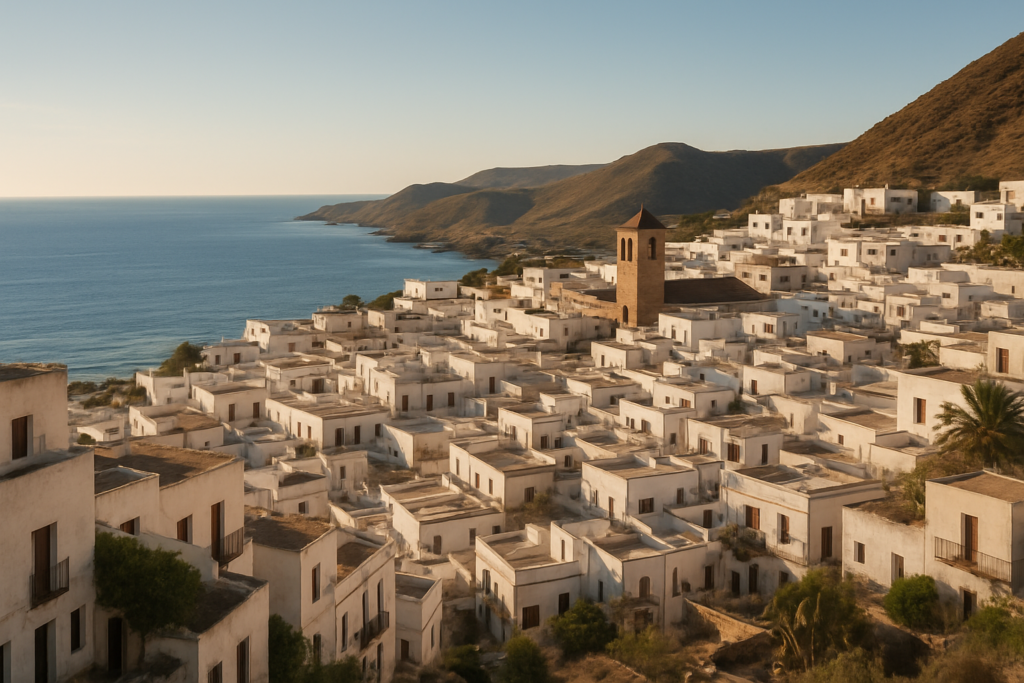
Níjar at a glance
- Best base for the beaches of Cabo de Gata: the coastal village of San José handles most visitor services and watersports.
- Historic, whitewashed inland centre famed for handmade pottery (cerámica) and jarapas — colourful woven rag rugs sold along the main street.
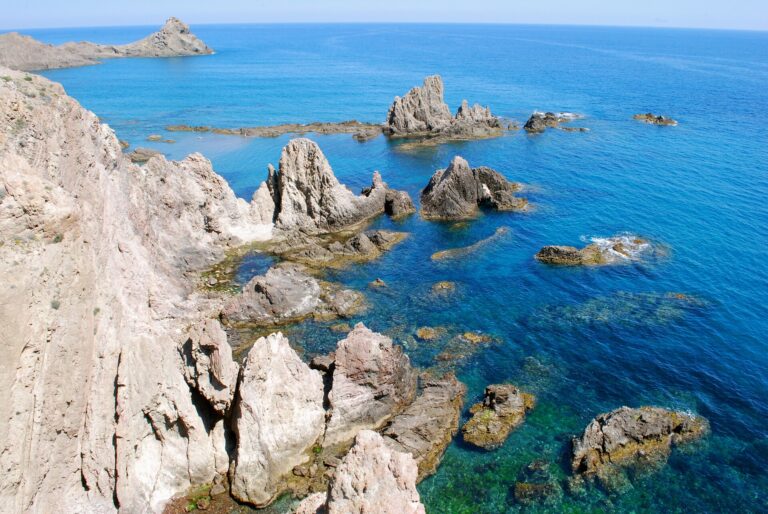
- Contains most of the Cabo de Gata-Níjar Natural Park — a volcanic, semi-desert coastal protected area and UNESCO Biosphere Reserve.
- Playa de los Genoveses and Playa de Mónsul, two celebrated undeveloped beaches, lie within the municipality near San José.
- Playa de Mónsul is noted for a dome-shaped volcanic rock and dune and has appeared in films such as Indiana Jones and the Last Crusade.
- Main economic pillars: agriculture (notably greenhouse crops) and tourism focused on beaches and watersports.
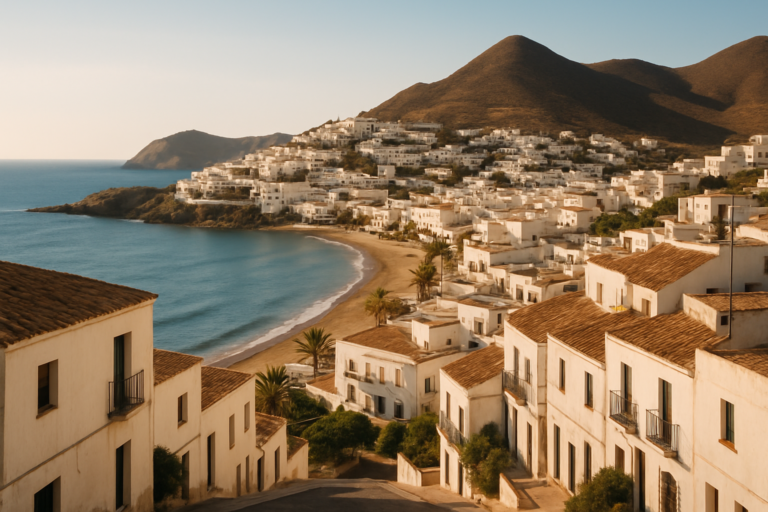
- The historic centre sits inland in the Sierra Alhamilla foothills, centred on the 16th‑century church of Nuestra Señora de la Asunción.
Before you plan
There are no verified closures or major redevelopments in the grounded facts used for this guide. The coastal and inland attractions mentioned are part of a protected natural park; access rules and seasonal restrictions may apply locally — check park notices when you arrive.
Things to do in the area
Activities here split clearly between nature-based days along the Cabo de Gata coast and craft-and-culture time in the inland town. Expect hiking, beach days, snorkelling/diving in some of mainland Spain’s clearest waters, and low-key shopping for ceramics and jarapas. Below is a quick comparison of the main drawcards so you can plan days by theme.
| Attraction | What it is | Price/entry | Best for |
|---|---|---|---|
| Historic centre and Nuestra Señora de la Asunción | Whitewashed old town centred on a 16th‑century church | — | Architecture, crafts, slow strolling |
| Jarapa and pottery workshops | Traditional handmade rugs and ceramics sold along the main street | — | Souvenirs, craft shopping |
| Playa de Mónsul | Undeveloped beach with distinctive volcanic dome-shaped rock and dune; film location | — | Photography, swimming, beachcombing |
| Playa de los Genoveses | A celebrated undeveloped beach near San José | — | Long walks, family-friendly sand |
| San José watersports centre | Local hub for kayaking, paddleboarding and other activities | — | Active beach days, organised water activities |
| Cabo de Gata-Níjar Natural Park | Volcanic coastal protected area and UNESCO Biosphere Reserve | — | Hiking, landscape photography, wildlife |
The inland town and craft trail
The whitewashed historic centre is compact and best explored on foot. The church of Nuestra Señora de la Asunción anchors the old town and the main street is still lined with artisan workshops where traditional ceramics and jarapas — colourful woven rag rugs — are made and sold. These crafts are not staged for tourists: pottery and textile production are longstanding local trades, and many workshops accept visitors or will demonstrate techniques if you ask politely. Browsing here takes time; plan for at least a couple of hours to wander alleys, pop into galleries and seek out studio doors.
Coastal highlights and beaches
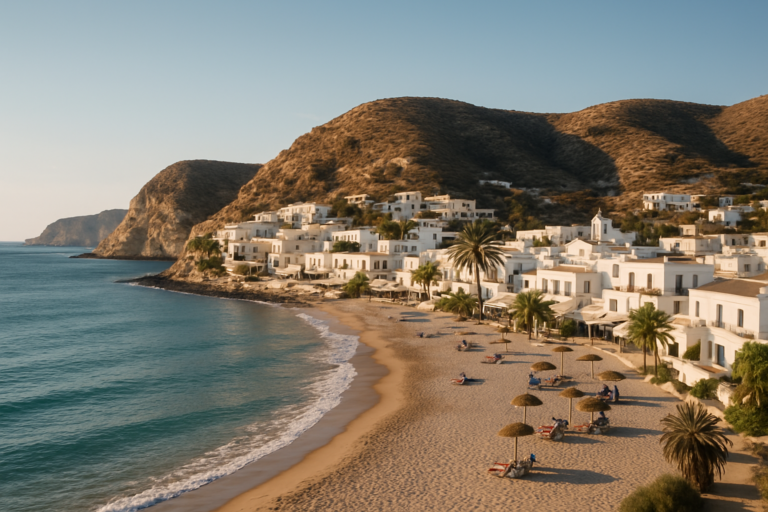
The municipality contains most of a large protected coastal park with volcanic geology and semi-desert landscapes that produce dramatic shoreline scenery. Two beaches stand out: Playa de Mónsul, famous for a rounded volcanic rock and dune that have also frequented film sets, and Playa de los Genoveses, a broad undeveloped sweep of sand near the village of San José. Both are undeveloped rather than resort-style, so bring your own shade and supplies if you plan a long stay on the sand.
Watersports and snorkelling
The clear waters along this coast make for some of the best snorkelling and diving on mainland Spain. San José operates as the practical base for water-based activities: the village hosts the local watersports centre where you can arrange kayaking, paddleboarding and other guided excursions. Use San José as your staging point for boat trips, shore dives or to access smaller coves that are otherwise reachable only on foot or by water.
Best beaches in the municipality
The coastline here is best remembered for its natural, undeveloped character. Expect limited facilities at many coves and a focus on landscape rather than sunbed-and-bar service.
| Beach | Character | Facilities / Notes |
|---|---|---|
| Playa de Mónsul | Iconic volcanic rock, wind-sculpted dune; photogenic and cinematic | Undeveloped — bring supplies |
| Playa de los Genoveses | Wide, undeveloped sandy bay popular for long walks | Undeveloped — near the village of San José |
Níjar with kids
Families will find a mix of gentle and more adventurous options. The broad sands of Playa de los Genoveses suit children who want to run and play on open beaches, while short, supervised snorkelling sessions in clearer bays can be rewarding for older kids used to water. The inland town’s craft shops provide a calmer afternoon activity — kids often enjoy watching jarapas being woven or seeing pottery made — but remember that many attractions are outdoors and shaded spots are limited in the semi‑desert landscape.
How to get to the town and get around
The historic centre lies inland in foothills about 30 km northeast of the provincial capital, which makes the town reachable for a day trip from the city but most visitors choose to base themselves on the coast in the village of San José if their priority is beaches and watersports. Once here, expect to rely on local roads: the coastline and many coves are reached by small access roads and on-foot paths rather than high-capacity transport links. San José functions as the main visitor hub and offers the most services for arranging excursions into the natural park.
Where to stay
Choice of base depends on priorities:
- San José (coast) — best for beach access, watersports, and arranging boat trips; the usual practical base for visitors exploring the coast.
- Historic town (Níjar) — suits visitors who want craft shopping, quiet streets and a cultural pace of life away from the shoreline.
- Campohermoso and San Isidro — larger population centres within the municipality that function as residential hubs and can be practical bases for exploring both inland and coastal zones.
- Rural/agriturismo options near the Sierra Alhamilla foothills — appeal to walkers and photographers wanting solitude and landscape access.
Best time to visit
The area’s arid, semi-desert climate means long, dry summers and milder winters compared with inland Spain. Beach and watersports time centers on the warmer months, while spring and autumn offer cooler temperatures for hiking and sightseeing without the peak heat. Because many attractions are outdoor and dependent on good weather, shoulder seasons can be especially pleasant for avoiding crowds while still enjoying clear water and walkable trails.
| Season | Months | What to expect |
|---|---|---|
| Spring | March–May | Drying landscape, pleasant temperatures for walking; good for exploring beaches without high-season numbers |
| Summer | June–August | Warm to hot and best for bathing and watersports; beaches busier and shade limited |
| Autumn | September–November | Warm seas linger early in the season; good for photography and coastal hiking |
| Winter | December–February | Milder than interior Spain but cooler for swimming; quieter visitor levels |
History of the place
The inland town has an identifiable historic core rooted in traditional Andalusian village life. The historic centre is centred on the 16th‑century church of Nuestra Señora de la Asunción and the whitewashed architecture reflects the region’s classic aesthetic. Over time the area’s economy has combined agriculture — notably greenhouse crops — with coastal fishing and, more recently, tourism centred on the natural park and beaches.
Practical info
- Protected-area status: much of the coastline and surrounding landscape sits within a large natural park and UNESCO Biosphere Reserve, so expect rules that prioritise conservation and limit development on many beaches and coves.
- Money and costs: tourism and agriculture are the main economic sectors — services in the principal village cater to visitors, but remote coves offer no facilities, so plan provisioning accordingly.
- Local communities: most residents live in Campohermoso, San Isidro and the historic town; San José is the primary coastal service hub for visitors.
- Landscape and sun: the semi‑desert environment has limited natural shade along the coast and inland trails; sun protection and water are essential for outdoor days.
Worth it for: people who want rugged volcanic coastline, undeveloped beaches with excellent snorkelling and authentic craft shopping (jarapas and ceramics). Less so if: you need organized nightlife, resort-style beach infrastructure, or a heavily commercialised seaside town — this area rewards low-key exploration and outdoor activity.
How we assess this guide
This guide is compiled from cross-checked, verifiable facts about the municipality and its attractions. We flag closures or major changes when those are present in our sources and rely on established references for historical, economic and geographic claims. This is a synthesis of published information, not on-the-ground reporting; always check local notices and park guidance for up-to-date access and seasonal regulations before you travel.
Frequently asked questions
How do I get from the provincial capital to the town?
The historic centre lies roughly 30 km northeast of the provincial capital, making it reachable for a day trip. The coastal village that serves visitors is nearby within the same municipality and typically functions as the practical base for beach and water activities.
Is the area expensive to visit?
There are no specific price figures in the grounded sources. The local economy is based on agriculture and tourism; service levels and pricing can vary between the practical, visitor-oriented village on the coast and the quieter inland centres. Remote beaches have no facilities, which can reduce incidental costs but requires self-sufficiency.
Which beach is the best for families?
Playa de los Genoveses is a broad undeveloped bay near the village of San José and is frequently recommended for family-friendly sand and space to run.
Which beach is most iconic for photography?
Playa de Mónsul is the most photographed: its dome-shaped volcanic rock and dune are visually striking and were even used as a film location in Indiana Jones and the Last Crusade.
How many days do I need?
That depends on priorities. A short stay of two or three days lets you experience the inland crafts and visit one or two beaches. A longer stay gives time for multiple coves, snorkelling/diving and relaxed craft browsing in the old town.
Is the area good for snorkelling and diving?
Yes — the coastline offers some of the clearest waters and best snorkelling and diving opportunities on mainland Spain. San José is the usual base for arranging watersports and water-based excursions.
Is it suitable for kids?
Yes. The wide sands of Playa de los Genoveses are suitable for children, and the artisan workshops in the historic town make for low-key, family-friendly afternoon activities. Keep in mind that many beach areas are undeveloped and shade is limited.
Can I get around without a car?
San José acts as the main coastal hub with visitor services and activities. However, many beaches and coves are reached by small roads or on-foot trails, so having a car or booking organised transport makes accessing the full variety of sites easier.
Is parking available at the beaches?
Many beaches are undeveloped and reached by small access roads; parking provision varies and at popular spots you should expect limited capacity, particularly in peak season. Where possible, arrive early or use local parking guidance in the village of San José.
What are rainy-day options?
Most highlights are outdoor: beaches, craft workshops and landscapes. On a wet day, the inland town’s workshops and small museums or galleries offer sheltered activities, and local cafés provide leisurely alternatives.
When is the best time to visit for comfortable weather?
Spring and autumn are generally the most comfortable for walking and sightseeing without peak summer heat, while summer is best for full-on beach and watersport activities thanks to warmer seas.
Are there organised watersports or places to rent kit?
The village of San José hosts a watersports centre that acts as the practical base for arranging activities such as kayaking, paddleboarding and guided excursions into the natural park.
What crafts is the area known for?
The town is famous for traditional handmade pottery (cerámica) and jarapas, the colourful woven rag rugs produced by artisan workshops along the main street.
Is the coastline protected?
Yes. Much of the coastline and surrounding landscape lies within the Cabo de Gata-Níjar Natural Park, a volcanic-origin reserve that is also a UNESCO Biosphere Reserve; this influences development and access to some areas.
Which towns within the municipality are the main population centres?
Most residents live in Campohermoso, San Isidro and the historic town itself; San José is the primary coastal village for visitors.
Plan the wider trip
- Costa de Almeria guide
- El Ejido
- Garrucha
- Berja: Alpujarra market town in inland Almería
- Vícar: a hill village above Almería's sea of plastic and the Costa de Almería
- Adra: Fishing Town on Almería's Western Coast
Nearby on the Costa de Almería
Níjar on the map
Places worth knowing near Níjar
How this page is maintained. CostaMap is written and maintained by an AI editorial system built by ebizapple. Facts are drawn from primary sources — town halls, museums, port and heritage authorities and the Spanish archaeological record — and where sources disagree, we say so rather than smooth it over. Photographs marked as ours are taken on location. This page was last reviewed on 15 August 2026. Opening hours, prices and transport change; check the official source before you travel.