
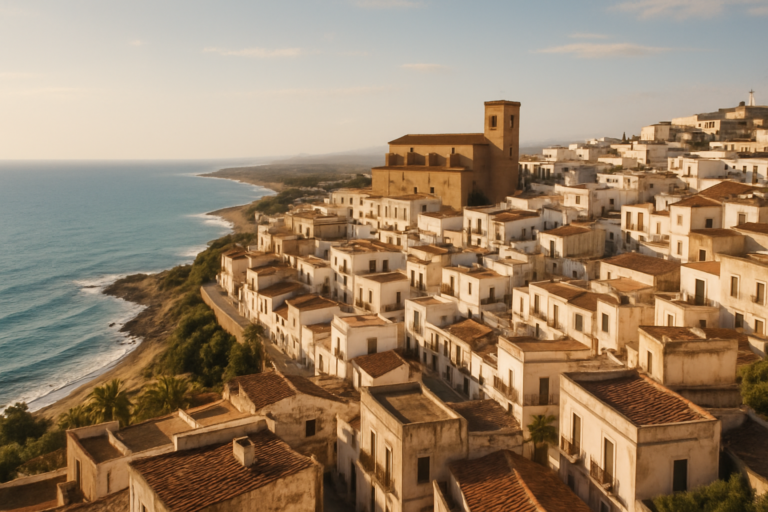
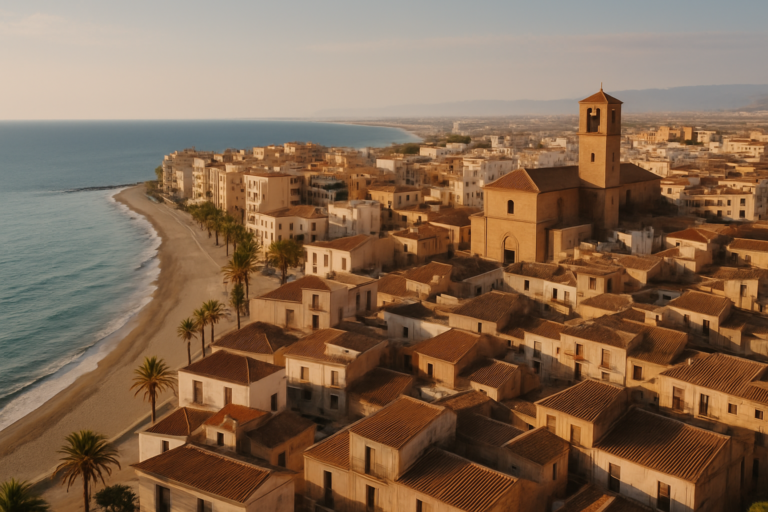
Expect a compact city with surprising historical heft and a sun-drenched, dry climate rather than a polished Mediterranean resort. The appeal here is contrast: a mighty Moorish fortress above a working port, a fortified cathedral, an industrial pier that feels cinematic at night, and immediate access to a volcanic coastal park of wild coves and beaches. If you want white-sand palm-tree postcards, head for the nearby natural park; if you want history, tapas culture and a dose of Andalucían grit, this place delivers.
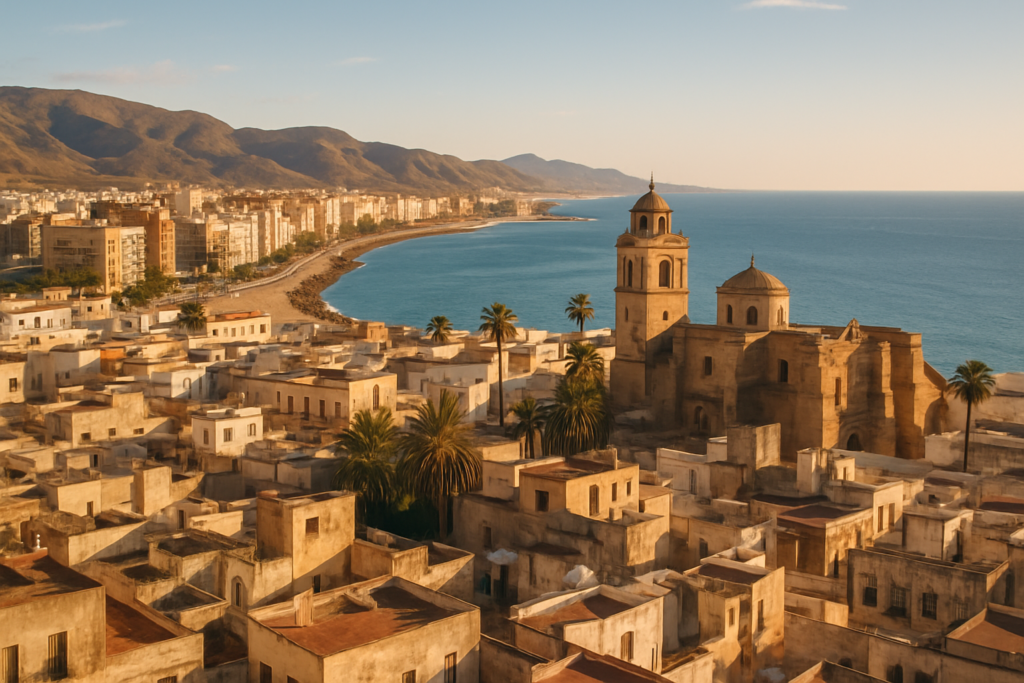
Almería at a glance
- Gateway to Cabo de Gata-Níjar Natural Park — volcanic coast, hidden coves and pristine beaches to the east.
- One of Europe’s driest, sunniest climates with mild winters — genuinely visitable year-round.
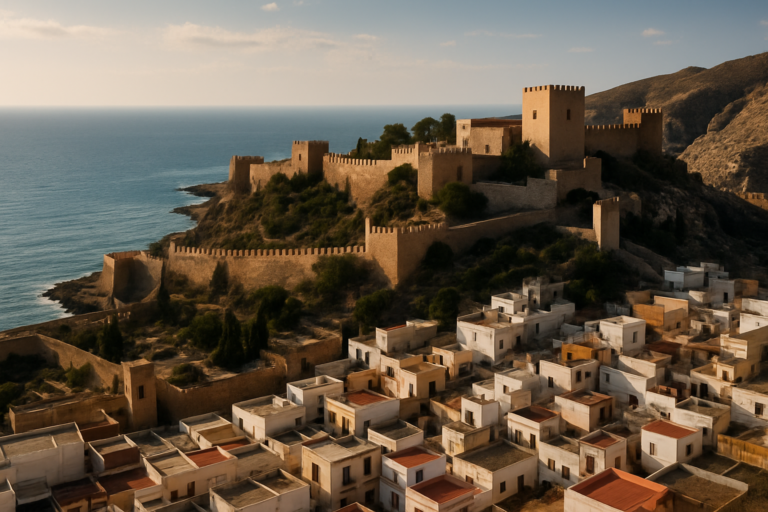
- Home to the Alcazaba, a vast Moorish fortress begun in 955 with triple curtain walls; entry is free.
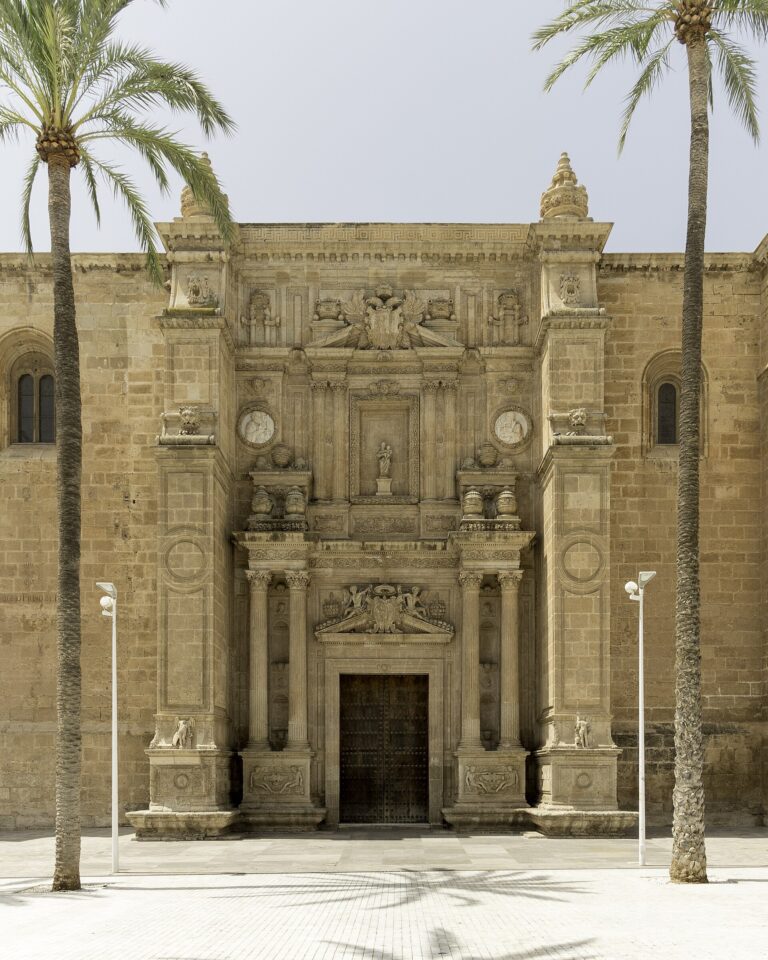
- 16th‑century Almería Cathedral doubles as a fortified church with fortress-like walls and a Gothic–Renaissance interior.
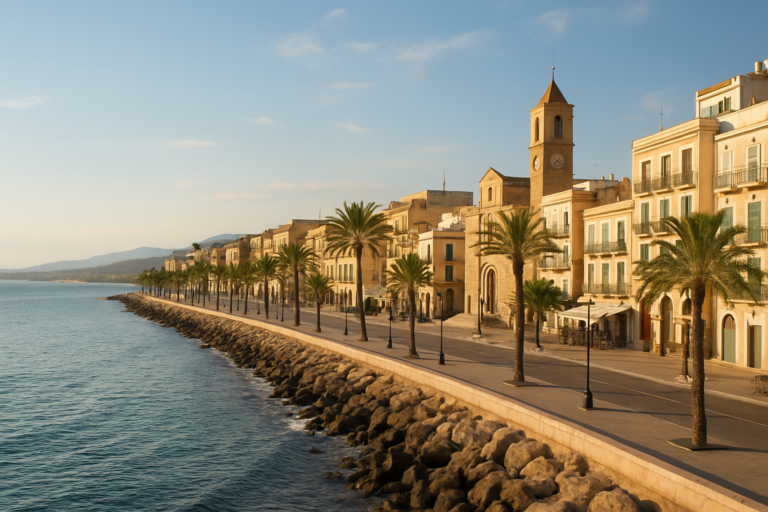
- Seafront life: Paseo de Almería and Playa del Zapillo offer palm-lined promenades, beach bars and cafes.
- Industrial landmark: the Cable Inglés, an early-20th-century iron ore-loading pier, illuminated at night.
- Local food culture includes the Andalusian tradition of a free tapa with every drink; historic tapas bars remain in the old town.
Before you plan
Nothing in our grounded sources lists major closures or redevelopment that would prevent visiting the main sights; the Alcazaba, Cathedral, Paseo and the seafront attractions are established and open as public sights. The Cabo de Gata-Níjar area is a protected natural park — expect conservation rules in some coves and parking/visitor restrictions at popular beaches during peak season.
Things to do in Almería
The town is compact enough that the highlights are focused: fortress, cathedral, promenades, and a handful of memorable curiosities tied to its maritime and 20th‑century industrial past. Use the city as a base for exploring the nearby volcanic coastline and beaches of the natural park to the east.
| Attraction | What it is | Price/entry | Best for |
|---|---|---|---|
| Alcazaba | Europe’s second-largest surviving Moorish fortress complex with panoramic city and port views | Free entry | History buffs, city views |
| Almería Cathedral | 16th‑century fortified church with thick walls and a Gothic–Renaissance interior | — | Architecture and ecclesiastical history |
| Cabo de Gata-Níjar Natural Park | Volcanic coastal reserve of pristine beaches, sea cliffs and hidden coves | — | Beaches, nature lovers |
| Playa del Zapillo & Paseo | Long city beach with a palm-lined promenade, beach bars and cafes | — | Seafront walks, casual beach time |
| Cable Inglés | Early-20th-century iron ore-loading pier and striking industrial landmark | — | Photography, industrial heritage |
| Refugios de la Guerra Civil | Restored Civil War air-raid shelters about nine metres below the streets with exhibitions (guided access) | — | History, WWII/Civil War interest |
The Alcazaba: the city’s high point
Dominating the skyline, the Alcazaba is a formidable Moorish fortress dating back to 955 AD with a rare triple line of walls. It’s staffed as a public monument with free entry and several terraces that give wide views over the port, the old town and the gulf. The fortifications tell the story of the city’s strategic importance in the Islamic era and later.
The fortified cathedral and the old town
The 16th‑century cathedral was conceived as a defensive church to guard against pirate raids, which explains the fortress-like exterior and thick walls around a Gothic–Renaissance interior. Walk the streets nearby to find long-standing tapas bars — the city follows the Andalusian custom of a free tapa with each drink, and places such as historic Casa Puga are part of that living food tradition.
Seafront, Cable Inglés and the port
The Paseo de Almería and the seawalks are where locals stroll at sunset; the lengthy Playa del Zapillo is a city beach with bars and cafes. Nearby, the Cable Inglés pier — once used to speed up ore loading — now functions as a dramatic industrial landmark, often lit at night and offering a cinematic subject for photographers.
Best beaches in the area
If you want immediate city beach life, the long Playa del Zapillo provides a traditional urban seafront. For remote coves, volcanic cliffs, and virtually undeveloped sand you need to head to the natural park to the east — the contrast could not be clearer.
| Beach | Character | Facilities / Blue Flag |
|---|---|---|
| Playa del Zapillo | Long, urban sand beach with a palm-lined promenade and beach bars | Promenade bars and cafes — formal flag status not specified in sources |
| Cabo de Gata-Níjar beaches | Pristine, volcanic coves and sea cliffs — wild and protected | Protected natural park — facilities vary by cove and conservation rules may apply |
Almería with kids
The city’s main family-friendly features are straightforward: a relaxed palm-lined seafront for easy beach days, an accessible fortress to explore without long hikes, and relaxed tapas culture that makes snacks and small plates easy for picky eaters. The Refugios de la Guerra Civil can be a memorable educational stop for older children with an interest in history, though access is guided and parts are underground.
How to get to the city and get around
The city sits on the Gulf of Almería along Spain’s Mediterranean coast. The urban core is compact: the Alcazaba, the cathedral and the Paseo are walkable from each other. To visit the volcanic coastline of the Cabo de Gata-Níjar Natural Park — which lies east of the city — you will need to plan onward travel; the park is the region’s principal natural attraction and typically visited as a day trip or an overnight stay from the city.
Where to stay in Almería
- Old Town (historic centre) — best for cobbled streets, tapas bars and proximity to the cathedral and Alcazaba.
- Seafront / Paseo area — suits those who prioritise beach access and evening promenades along Playa del Zapillo.
- Near the port — practical base if you want maritime atmosphere and easy access to coastal roads eastwards toward the natural park.
Best time to visit
Thanks to one of Europe’s driest, sunniest climates and mild winters, this is a year‑round destination. If you want predictable beach weather, the coastal park and seafront are at their best in periods of stable sunshine; the city itself is easy to visit outside the height of summer because the historic sights and tapas culture work in cooler months too.
| Season | Months | What to expect |
|---|---|---|
| Winter | — | Mild, sunny conditions compared with much of northern Europe — city sightseeing and quieter coastal walks are appealing. |
| Shoulder seasons | — | Good combination of pleasant weather and fewer crowds; ideal for combining city and coastal exploration. |
History of the city
Founded by Caliph Abd al‑Rahman III in 955, the city developed as an important Islamic port trading silk, oil and raisins. Its strategic position prompted heavy fortification: the Alcazaba’s origins in the 10th century and its successive defensive lines reflect the city’s medieval importance. The 16th‑century cathedral was built with fortification in mind to guard against Barbary pirate raids. Later centuries saw changing hands — the city was captured by a Christian coalition in 1147 — and modern layers including 20th‑century industrial infrastructure such as the Cable Inglés.
Practical info
- Climate: classified as a hot desert climate, the area is very dry and sunny with mild winters.
- Food and cost: the Andalusian custom of a free tapa with every drink helps keep casual eating inexpensive; historic tapas bars persist in the old town.
- Economy and landscape: intensive greenhouse agriculture is a major local economic activity, which shapes the surrounding landscape outside the urban core.
- Access to the natural park: Cabo de Gata-Níjar is a protected area — expect conservation measures and variable facilities depending on which cove you visit.
Worth it for: history and fortress architecture, photographers who like dramatic industrial and coastal motifs, easy year‑round visits thanks to a sunny, dry climate, and as a gateway to the wild beaches of the natural park. Less so if: you want a manicured, all-inclusive resort experience — the best coastal landscapes are in the protected volcanic park, not the urban centre.
How we assess this guide
We compiled and cross-checked facts from verified sources, prioritising official monument statuses, historical records and conservation designations. We flag closures or restricted access when sources indicate them and avoid presenting any site as open if its status is uncertain. This guide is not based on a single field report but synthesises multiple authoritative claims to give a reliable, expectation‑setting overview.
Frequently asked questions
How do I reach the city from the coast or nearby towns?
The city sits on the Gulf of Almería and acts as a coastal hub. It’s the natural access point for the Cabo de Gata-Níjar Natural Park to the east; onward travel to the park is commonly planned from the city.
Is the city good to visit year‑round?
Yes. The area has one of Europe’s driest, sunniest climates with mild winters, making it a genuine year‑round destination for sightseeing and coastal walks.
Which beach should I pick for a city day at the sea?
For a city beach experience with promenades, bars and cafes choose Playa del Zapillo. For wild coves and volcanic beaches, head east into the Cabo de Gata-Níjar Natural Park.
How many days should I allow to see the highlights?
A short stay of a couple of days covers the Alcazaba, the cathedral and the seafront; add extra days to explore the natural park’s beaches and coves.
Is the Alcazaba worth visiting?
Yes. It is one of Europe’s largest surviving Moorish fortress complexes, begun in 955, with multiple defensive walls and broad views over the city and port. Entry is free.
Can I see remnants of the city’s industrial past?
Yes. The Cable Inglés pier is an early-20th-century iron ore-loading structure that remains a striking industrial landmark on the seafront and is often illuminated at night.
What is the Cathedral like?
The cathedral was built in the 16th century as a fortified church with thick, fortress-like walls to withstand pirate raids; inside it displays Gothic–Renaissance architecture.
Are there guided historical tours or underground sites?
There are restored Refugios de la Guerra Civil — a network of Civil War air‑raid shelters roughly nine metres below the streets — that are accessible to visitors via guided access with exhibitions.
Is the city family-friendly?
Yes. The combination of a long seafront promenade, an accessible fortress, and casual tapas culture makes it straightforward for families; some historical sites, such as the underground refuges, suit older children better.
Do locals still serve tapas with drinks?
Yes. The city upholds the Andalusian tradition of serving a free tapa with each drink, and long-standing tapas bars remain a feature of the old town.
What should I know about visiting the natural park?
Cabo de Gata-Níjar Natural Park is a protected volcanic coastal reserve with pristine beaches, sea cliffs and hidden coves. Conservation rules may limit facilities and access at certain spots — plan accordingly.
Does the city have any sporting event history?
The city hosted the Mediterranean Games in 2005, reflecting its role in regional sporting history.
Is agriculture important around the city?
Yes. The local economy relies heavily on intensive agriculture and greenhouse production, which shapes the surrounding rural landscape.
How easy is it to get around the old town on foot?
Very easy. The core sights — the Alcazaba, cathedral and seafront promenades — are concentrated and walkable within the historic centre.
Are there restrictions or conservation rules I should be aware of?
Yes. The Cabo de Gata-Níjar area is a protected natural park; expect conservation rules and variable visitor facilities depending on which beach or cove you visit.
Plan the wider trip
- Costa de Almeria guide
- Nijar
- Mojacar
- Carboneras
- El Ejido
- Berja: Alpujarra market town in inland Almería
Nearby on the Costa de Almería
Almeria on the map
Places worth knowing near Almeria
How this page is maintained. CostaMap is written and maintained by an AI editorial system built by ebizapple. Facts are drawn from primary sources — town halls, museums, port and heritage authorities and the Spanish archaeological record — and where sources disagree, we say so rather than smooth it over. Photographs marked as ours are taken on location. This page was last reviewed on 15 August 2026. Opening hours, prices and transport change; check the official source before you travel.