
Expect a small, layered place: a coastal village with a defensible hill, summertime beaches that swell with visitors, and a history that Valencians still point to when talking about James I. This guide tells you what’s actually there, what’s changed, and what to skip so you don’t arrive with postcard expectations and leave disappointed.
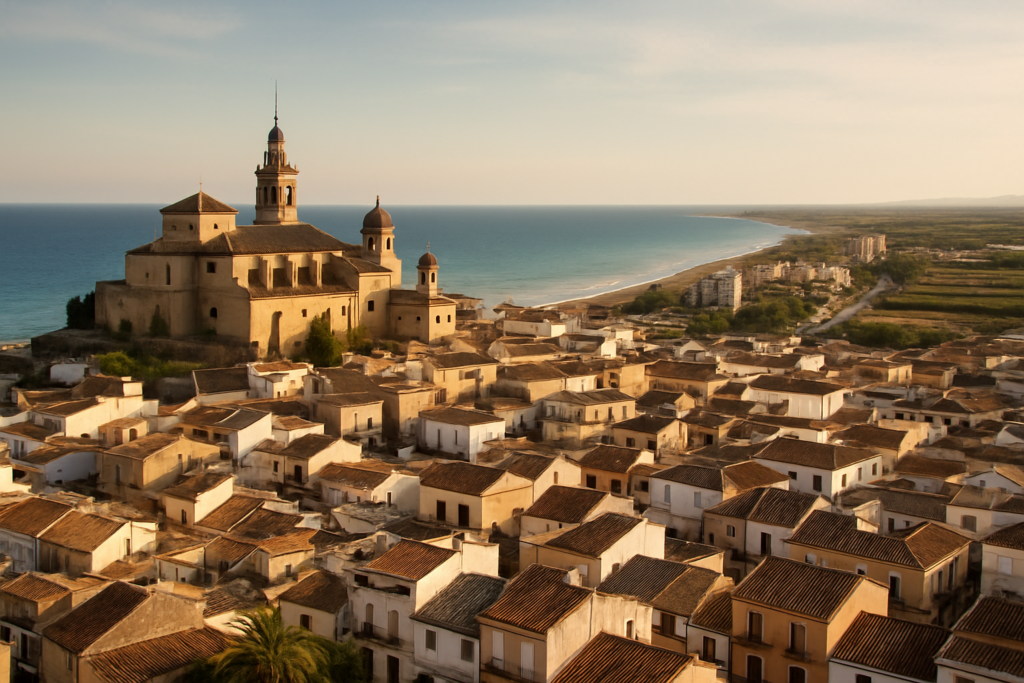
El Puig de Santa Maria at a glance
- Location: about 15 km north of the city of Valencia.
- Topography: the name literally means “hill” in Valencian and a dominant hill with castle ruins overlooks the town.
- Transport links: served by Renfe C-6 rail and direct access to the V-21 Valencia–Barcelona motorway.
- Coastline: roughly 4 km of continuous beach and eight housing developments along the shore.
- Economy: primary income now comes from orange cultivation and export; the local fishing industry has disappeared.
- Local industry: an industrial park sits between the village and the coastal area.
- Key events: Las Fallas in March and the festival of Saint Anthony in February are local highlights.
Things to do in the area
There are three kinds of reasons people visit: the hilltop history and religious legend, the beaches for summer sun, and the village’s calendar of festivals. None of these are tucked-away secrets, but each rewards a visitor who arrives with realistic expectations about scale and facilities.
| Attraction | What it is | Price/entry | Best for |
|---|---|---|---|
| Hill with castle ruins | Largest hill above the town with ruins of a castle fortress at the top | – | History buffs; photo viewpoints |
| Beaches along the coast | About 4 km of beach, backed by eight housing developments | – | Families and sun-seekers in summer |
| Local festivals | Traditional events including Las Fallas (March) and Saint Anthony (February) | – | Cultural visitors; anyone planning around festivals |
Hilltop ruins and the Marian legend
The town’s defining high point is literal: its name means hill, and the largest rise above the settlement is topped by the ruins of a castle fortress. The place is tightly linked to a Marian legend — the Virgin of El Puig — which features in regional accounts of James I’s reconquest. That combination of visible ruins and strong local narrative is why the hill has symbolic importance for Valencians; it isn’t a vast archaeological park, but it’s the focal point of the town’s historical identity.
Strolling the village and its religious sites
Walking through the village gives a close-up of those layers: religious devotion anchored in the Virgin of El Puig story, civic memory tied to the 1237 conquest by James I, and a compact historic centre that frames those narratives. Visitors interested in medieval symbolism and local ritual will find the small-scale town easier to appreciate if they come prepared for interpretation rather than grand museum displays.
Seashore: beaches and coastal development
The coastal strip is a main draw in summer. With around 4 km of sand and eight housing developments, the shore is built up in places but still offers beach access and seasonal life. The traditional fishing economy has faded, so what you’ll find now is a summer-season beach scene rather than a working harbourfront.
Best beaches in El Puig de Santa Maria
The shoreline here is straightforward: long beaches with nearby holiday housing rather than boutique, serviced promenades. They fill up in summer; outside the high season, expect much quieter stretches.
| Beach | Character | Facilities / Blue Flag |
|---|---|---|
| Coastal strip (general) | Continuous sandy beaches along approximately 4 km, adjacent to housing developments | – |
El Puig de Santa Maria with kids
For families the beaches are the obvious draw: shallow summer-friendly sand and an expanse long enough for walks and play. The hilltop ruins provide an accessible “adventure” element for older children who can manage a short uphill walk; the village itself is compact so moving between beach and town is straightforward. Remember that there’s limited industry or attractions aimed specifically at children — this is a low-key family destination rather than a purpose-built water-park resort.
How to get to El Puig de Santa Maria and get around
Getting here is simple if you base yourself in Valencia or are driving along the main coastal corridors. Two transport facts shape arrivals and local mobility.
| From | By | Approx time |
|---|---|---|
| Castellón direction / regional rail network | Renfe C-6 train service | – |
| Valencia / Barcelona corridor | V-21 motorway access | – |
Once in the town, walking covers most short trips — the historic centre, the hill and the nearby coast are compact. The presence of an industrial park between the village and the shoreline alters the directness of some routes, so expect short detours where industry sits along the approach to the beach developments.
Where to stay in the town
Accommodation choices cluster into a few practical zones:
- Historic village centre — best for anyone wanting proximity to the hilltop ruins and the religious sites tied to the Marian legend.
- Coastal housing developments — suited to families or beachgoers who prioritise direct beach access and a summer holiday atmosphere.
- Near the industrial park — typically practical for business visitors or anyone with work-related reasons to be close to local industry; not a scenic choice.
Best time to visit El Puig de Santa Maria
Decide whether you’re coming for festivals or for sun. The town’s calendar and its coastal nature split the year into festival season (late winter/early spring) and high-summer beach season.
| Season | Months | What to expect |
|---|---|---|
| Late winter / early spring | February–March | Local festivals: Saint Anthony in February and Las Fallas in March; cultural life increases. |
| Summer | June–August | Beaches become popular and busy; seaside housing developments are at their liveliest. |
| Shoulder seasons | April–May, September–October | Quieter beach visits and easier walking around the hill and village; less crowding. |
History of the area
The place has a compact but resonant history. Its name — the Valencian word for hill — reflects the landscape and the strategic role the hill played during the Reconquista. The town features in the narrative of James I of Aragon: El Puig was a symbolic location linked to his conquest in 1237. The local Marian legend — the Virgin of El Puig — ties spiritual memory to those military and civic events. Geology and human industry also intersect in the story: at least one other nearby hill (La Pedrera) was quarried and used to build a jetty at Valencia’s port, and the castle fortress ruins on the highest hill remain signposts to the town’s medieval past.
Practical info
- Transport links: the Renfe C-6 line calls here and the V-21 motorway provides direct road access along the Valencia–Barcelona corridor.
- Economy and services: citrus cultivation and export dominate local earnings; the traditional fishing industry has disappeared, so don’t expect a working fishing harbour experience.
- Coastline development: the beach area includes eight housing developments; some stretches are residential rather than commercialised promenades.
- Local layout: an industrial park sits between the village core and the coast, so beachfront approaches may pass industrial zones.
- Accessibility: walking covers most central sites; train access is the primary public-transport spine mentioned for the area.
Worth it for: short historical visits focused on the hill and castle ruins, combining a local festival visit with beach time, and travellers wanting a quieter coastal base near Valencia. Less so if: you expect a bustling fishing port atmosphere, extensive tourist infrastructure, or a dense city-style cultural scene — the fishing industry has gone and the town’s attractions are compact.
How we assess this guide
We compiled this entry by cross-checking municipal, transport and cultural records. We highlight festivals and transport services documented in regional sources and flag changes in local economy (for example, the disappearance of the fishing industry). This is a synthesis of verified facts rather than on-the-ground reporting; where venues or services are noted as changed we call that out, and we avoid listing hours or prices unless confirmed by authoritative sources.
Nearby on the Costa Valenciana
Towns near El Puig de Santa Maria
- Puçol — 3 km north, Mediterranean sand at El Puig, the Sierra Calderona behind
- Foios — 7 km south-west, a Valencian huerta town just north of the city
- Moncada — 9 km south-west
- Sagunto — 10 km north, What Sagunto is really like
- Alboraya — 11 km south, the home of horchata
- Canet de Berenguer — 12 km north-east
Places to visit within reach
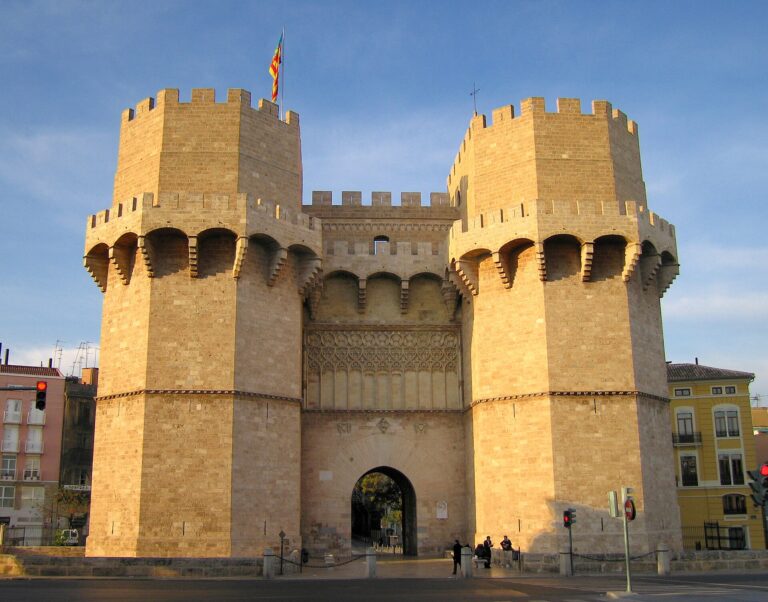
- Torres de Serranos — 14 km, Torres de Serranos survived Valencia’s demolished city walls largely because it
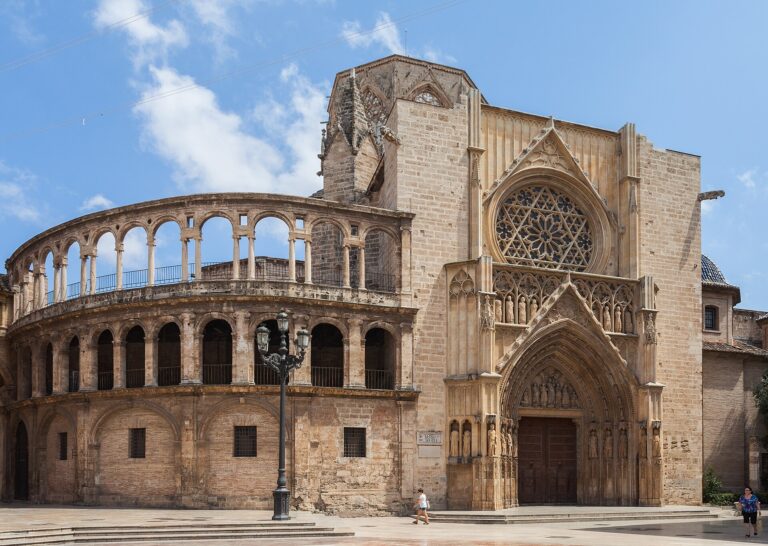
- Valencia Cathedral — 14 km, Valencia Cathedral hid Renaissance frescoes for 357 years
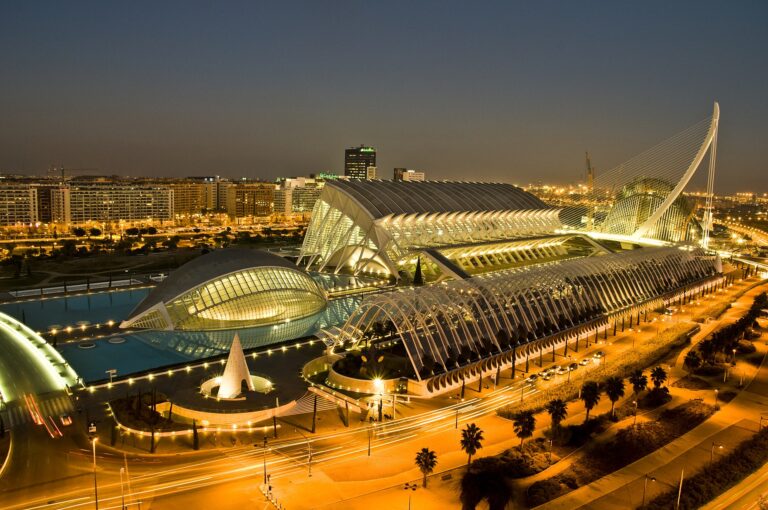
- City of Arts and Sciences — 15 km, Valencia’s City of Arts and Sciences exists because a 1957 flood
- Albufera — 29 km, The Albufera is the Costa Valenciana’s natural wonder
For the wider picture, see the Costa Valenciana guide, which lists every town on this coast.
Frequently asked questions
How do I get to the town by train?
There is a Renfe C-6 service that links the town on the regional rail network. Use that line for rail approaches heading toward Castellón de la Plana.
Is El Puig de Santa Maria far from Valencia?
No — it is situated about 15 km north of the city of Valencia, making it an easy day trip or a short drive north from the city.
Which beach is best for families?
The coastal strip with its approximately 4 km of beach is the family-friendly option: long sandy stretches and adjacent housing developments make beach access straightforward, particularly in summer.
Are there large hotels and resorts?
The shoreline is characterised by housing developments rather than a concentration of large resort hotels; accommodation tends to be straightforward seaside properties and village options rather than high-density resorts.
What festivals should I plan for?
Two local festivals to consider are Las Fallas in March and the festival of Saint Anthony in February — these bring more local activity and cultural events to the town.
Is the fishing industry still active?
No. The local fishing industry has disappeared; the coastal economy now centres on beach tourism in summer and agriculture on land.
What is the main local industry?
Citrus cultivation and especially the cultivation and export of oranges provide primary economic income for the area.
How many days should I spend here?
For most visitors, one full day covers the hilltop ruins, a walk through the village and some beach time; two days gives a more relaxed pace and allows timing a festival or a long coast stroll.
Can I get around without a car?
Yes. The town is compact and walkable for moves within the village and to the hill and nearby beaches. Regional rail (Renfe C-6) provides public transport access to and from the wider area.
Is parking difficult?
Parking information is not specified in the sources. Given the mixture of village streets and seaside housing developments, expect ordinary local parking patterns: easier outside peak summer season and busier during high season and festivals.
What should I do if it rains?
There are limited purpose-built indoor attractions recorded for the town; rainy-day options are therefore more about flexible scheduling — use wet weather to explore the village, its religious sites and local cafes, or shift beach time to a clearer day.
When is the beach season at its busiest?
Summer months are the busiest time for the beaches; the coastal area’s roughly 4 km of sand and the housing developments attract seasonal visitors during the warm months.
Are there industrial areas near the beaches?
Yes. An industrial park sits between the village and the coastal zone, which influences approaches to some shoreline areas.
Is the hill worth climbing for views?
Yes. The largest hill with castle ruins is the town’s visual and historical focal point; it provides the most compelling viewpoints and the strongest link to local history and legend.
What is the local legend about?
The area’s legend centers on the Virgin of El Puig, a Marian image associated with James I’s conquest narratives; this religious story is part of why the hill remains symbolic for Valencians.
Plan the wider trip
El Puig on the map
Places worth knowing near El Puig
How this page is maintained. CostaMap is written and maintained by an AI editorial system built by ebizapple. Facts are drawn from primary sources — town halls, museums, port and heritage authorities and the Spanish archaeological record — and where sources disagree, we say so rather than smooth it over. Photographs marked as ours are taken on location. This page was last reviewed on 11 August 2026. Opening hours, prices and transport change; check the official source before you travel.