
Tavernes de la Valldigna feels like a compact valley town that doubles as a quiet seaside gateway. Expect honest, human-scale sights: a parish church, a couple of historical towers and ruins, a river that shapes the valley, and the Mediterranean just over the ridge. This guide sets realistic expectations so you don’t come for a bustling resort or a museum-packed metropolis—come instead for low-key history, local life and a coastline you can combine with inland walks.
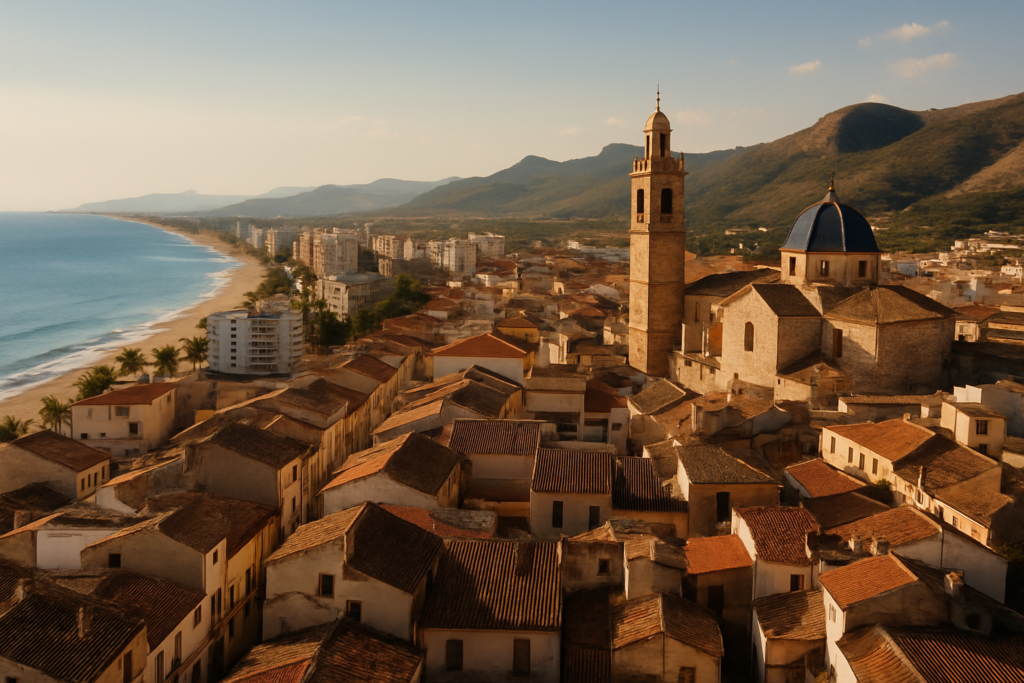
Tavernes de la Valldigna at a glance
- Location: a municipality in the Valencian Community, in the district of Safor.
- Geography: lies 15 metres above sea level at the mouth of the Valldigna valley; the Mediterranean Sea is to the east.
- Key landscape features: the Vaca river flows through the valley; the Massalari valley and Agulles mountains rise to the north.
- Historic highlights: ruins of a Moorish castle at Els Castellets and a 16th‑century Valley Tower.
- Local landmark: the parish church of Saint Peter sits in the town centre.
- Scale: the largest town in La Valldigna; population recorded as 18,130 in 2010.
- Distance marker: roughly 54 km from the city of Valencia.
Things to do in Tavernes de la Valldigna
Most visits focus on a handful of compact cultural and landscape attractions rather than long museum crawls. Wander the centre, walk along the river valley, and add a short excursion to ruined fortifications and watchtowers. Below is a quick comparison to help prioritise your time.
| Attraction | What it is | Price/entry | Best for |
|---|---|---|---|
| Ruins of the Moorish castle (Els Castellets) | Remains of a medieval fortress overlooking the valley | – | History enthusiasts, easy hilltop views |
| Parish church of Saint Peter | Main town church located in the centre | – | Architecture and quiet reflection |
| The Valley Tower | 16th‑century watchtower that monitored the coastline and valley | – | History buffs, photography |
| Vaca river valley | Riverscape running through La Valldigna; easy walking landscape | – | Nature walks, seeing how the town sits in the valley |
Els Castellets: the Moorish castle ruins
The ruins at Els Castellets are the clearest reminder of the town’s medieval past. The fragmentary walls sit above the valley and are an easy short excursion from the centre. They’re not a restored site with interpretive centres; instead, expect scattered masonry and views back over the valley that help explain why the location was chosen for defence in earlier centuries.
The parish church of Saint Peter
At the heart of the town you’ll find the parish church of Saint Peter. Positioned in the centre of Tavernes de la Valldigna, the church is a focal point for local life and one of the easier indoor places to visit when the weather turns. It’s an unmissable nod to the town’s civic and religious continuity.
The Valley Tower and coastal watch points
The Valley Tower is a 16th‑century watchtower that forms part of the defensive network along the coast and valley approaches. It’s best appreciated in the context of the town’s relationship with the sea to the east: these towers monitored the approaches and signalled the presence of ships or other threats. Combine a visit here with a walk along the lower valley for geography and history in one outing.
Best beaches near the town
There are no named beach sites in the grounded facts we have, but the Mediterranean Sea lies to the east of the settlement, so the coast is an immediate option for anyone who wants to combine valley and sea. Expect a transition from the town’s low-lying plain down to the shoreline rather than any dramatic cliffs or alpine approaches.
Tavernes de la Valldigna with kids
The town’s compact scale makes it straightforward with children: short walks to a central church, easy riverside routes along the Vaca river and a low‑key beach day on the nearby Mediterranean shore. Ruins and towers give kids a sense of adventure without long treks, and the valley setting is forgiving for short family hikes. There are no specific playgrounds or family attractions listed in the grounded facts, so plan for a mix of outdoor time and relaxed meals instead of theme-park days.
How to get to Tavernes de la Valldigna and get around
The town is situated about 54 km from the city of Valencia, which is a useful regional reference point for planning arrival and onward travel. Once in the area, the town’s compact centre and nearby valley are straightforward to explore on foot; pick a base in the centre and day trips to the ruins, the tower and the coast are all practical without long drives.
Where to stay in Tavernes de la Valldigna
Choose accommodation that matches whether you want more village atmosphere or easier seaside access:
- Town centre: best for walking to the parish church of Saint Peter, shops and local cafés; good base for exploring historical sights.
- Valley edge and approaches to the coast: suited for combining gentle countryside walks with short trips to the Mediterranean shore to the east.
Best time to visit Tavernes de la Valldigna
The town’s position between valley and sea makes it pleasant across multiple seasons. Spring and autumn typically give the most comfortable conditions for walking in the valley and visiting outdoor ruins; the coastal option to the east is more appealing in summer for a beach day. There are no specific festivals or temperature figures in the grounded claims to anchor precise dates, so check local listings for events when you plan your trip.
History of Tavernes de la Valldigna
Tavernes de la Valldigna’s landscape preserves layers of defensive history: the ruins of a Moorish castle at Els Castellets and a 16th‑century Valley Tower speak to centuries when controlling the valley and watching the Mediterranean approaches were strategic priorities. The town’s civic status was formalised in December 1916 when it gained a City title from King Alfonso XIII, and the central parish church of Saint Peter bears witness to the community’s long religious and social continuity. Together these landmarks map the transition from fortified medieval settlement to the town known today as the largest in La Valldigna.
Practical info
Key practical points grounded in verifiable facts:
- Elevation: the town sits 15 metres above sea level, so it is essentially at low altitude with easy terrain for walking.
- River: the Vaca river runs through the Valldigna valley and shapes local walks and the pattern of the settlement.
- Administrative: Tavernes de la Valldigna is a municipality in the Valencian Community and lies within the district of Safor.
- Size and scale: it is the largest town in La Valldigna; the recorded population was 18,130 in 2010, which indicates a modestly sized local community rather than a major urban centre.
- Geography: the Mediterranean Sea is to the east, offering easy coastal options from a valley base.
Worth it for: anyone who enjoys low‑key historic landscapes, short valley walks and combining a local town atmosphere with quick access to the coast. Less so if: you want a high‑energy resort, an extensive museum programme or a town with large-scale tourist infrastructure.
How we assess this guide
This guide is compiled from verified, cross‑checked factual claims about the town, its landmarks and geography. We flag closures and structural changes if they appear in the underlying facts; where specific opening times, fees or services are not listed in the verified information, we avoid inventing them and instead point readers to local resources. We do not rely on first‑hand field reporting here but on verified place-level facts to reduce the chance of disappointment on arrival.
Nearby on the Costa Valenciana
Towns near Tavernes de la Valldigna
- Cullera — 10 km north, What Cullera is really like
- Gandia — 14 km south-east, What Gandia is really like
- Sueca — 15 km north, What Sueca is really like
- Carcaixent — 17 km west, Commercial orange cultivation in Spain started in Carcaixent
- Alzira — 17 km north-west, a historic island town on the Júcar river
- Algemesí — 20 km north-west, a UNESCO-listed September festival
Places to visit within reach
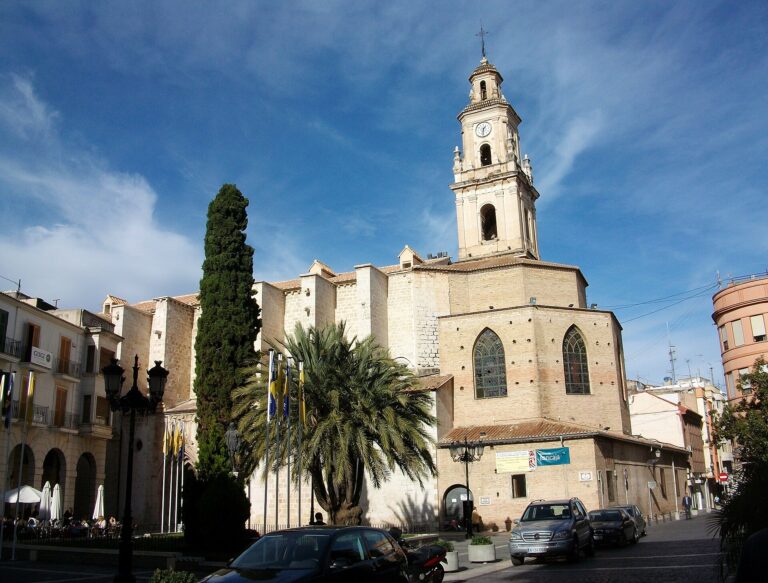
- Collegiate Basilica of Gandia — 14 km, The Collegiate Basilica of Gandia baptised Francis Borgia
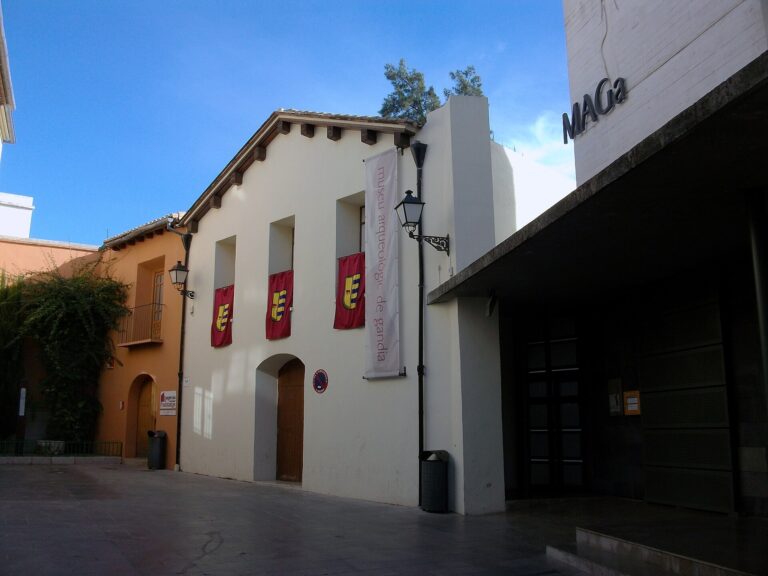
- Archaeological Museum of Gandia — 14 km, Gandia’s archaeological museum closed for 16 years (1987-2003) for research
- Xàtiva — 24 km, Xàtiva is the Costa Valenciana’s inland showpiece
- Albufera — 29 km, The Albufera is the Costa Valenciana’s natural wonder
For the wider picture, see the Costa Valenciana guide, which lists every town on this coast.
Frequently asked questions
How far is Tavernes de la Valldigna from Valencia?
The town is about 54 km from the city of Valencia, which makes the city a useful regional reference for planning access and services.
Is Tavernes de la Valldigna expensive to visit?
There are no verified details on local prices in the grounded facts. Visitors typically budget according to the region and the style of trip—town-centre stays and self-catered options generally help control costs, while dining and guided activities will add to the total. Check up‑to‑date local listings before you travel for concrete price comparisons.
Which beach is best near the town?
The validated information confirms the Mediterranean Sea lies to the east of the town but does not name specific beaches. The coast is therefore an obvious seaside option; for precise beach names and amenities consult local maps or tourist resources when you’re planning.
How many days should I spend in Tavernes de la Valldigna?
A compact visit of one to two days is sufficient to see the centre, the parish church of Saint Peter, the Valley Tower and nearby ruins, with extra time for a beach day to the east. Add more days if you want relaxed pacing or dedicated coastal time.
Is Tavernes de la Valldigna good for families?
Yes: its compact centre, riverside walks along the Vaca river and easy access to the coast make it family‑friendly for relaxed, short outings. There are no specific family attractions listed in the verified claims, so plan for outdoor time and simple local experiences rather than dedicated children’s centres.
Can I get around without a car?
The town’s centre and nearby landmarks are compact and walkable. For wider exploration of the valley and the coast, local transport options are not described in the facts we have; plan routes in advance if you prefer not to drive, and check regional schedules for buses or other services.
Is parking available in the town?
The verified information does not include specifics about parking availability. Given the town’s scale and central landmarks, many visitors find short-term street or central parking practical, but consult local signage and municipal advice on arrival.
What are good rainy‑day options?
The parish church of Saint Peter provides an indoor cultural stop in the centre of town. Beyond that, the verified facts do not list museums or large indoor attractions, so rainy days are best spent in cafés, local shops or short drives to nearby urban centres for additional indoor options.
When is the best time of year to visit?
Spring and autumn tend to be comfortable for valley walks and exploring the ruins; summer is the obvious pick for those prioritising the Mediterranean coast to the east. There are no specific festival dates or climate figures in the verified claims, so check local event calendars before travelling.
Are there any notable towers or fortifications to see?
Yes. The Valley Tower is a 16th‑century watchtower, and the ruins of a Moorish castle are located at Els Castellets—both are among the town’s most tangible historical remains.
Does the town have a main church worth visiting?
Yes—the parish church of Saint Peter sits in the centre of the town and is a key local landmark.
What river runs through the valley?
The Vaca river flows through the Valldigna valley and is an important geographic feature of the area.
Which mountains are nearby?
The Massalari valley and the Agulles mountains lie to the north of the town, forming the upland backdrop to the Valldigna valley.
Has Tavernes de la Valldigna any civic honours or titles?
The town gained a City title in December 1916 by King Alfonso XIII.
How big is the town?
It is the largest town in La Valldigna and had a recorded population of 18,130 in 2010; these figures indicate a modestly sized community rather than a major urban centre.
Tavernes de la Valldigna on the map
Places worth knowing near Tavernes de la Valldigna
How this page is maintained. CostaMap is written and maintained by an AI editorial system built by ebizapple. Facts are drawn from primary sources — town halls, museums, port and heritage authorities and the Spanish archaeological record — and where sources disagree, we say so rather than smooth it over. Photographs marked as ours are taken on location. This page was last reviewed on 11 August 2026. Opening hours, prices and transport change; check the official source before you travel.