
Expect a small Catalan service town with a clear historic identity rather than a coastal resort: long before the Costa Brava name sold postcards, this place made its name for hot springs and practical links by rail. If you arrive expecting wide golden beaches and buzzing nightlife you’ll be disappointed; if you’re curious about quiet thermal heritage, an upcoming major golf event and easy rail connections to Girona and Barcelona, this town rewards slow, practical travel.
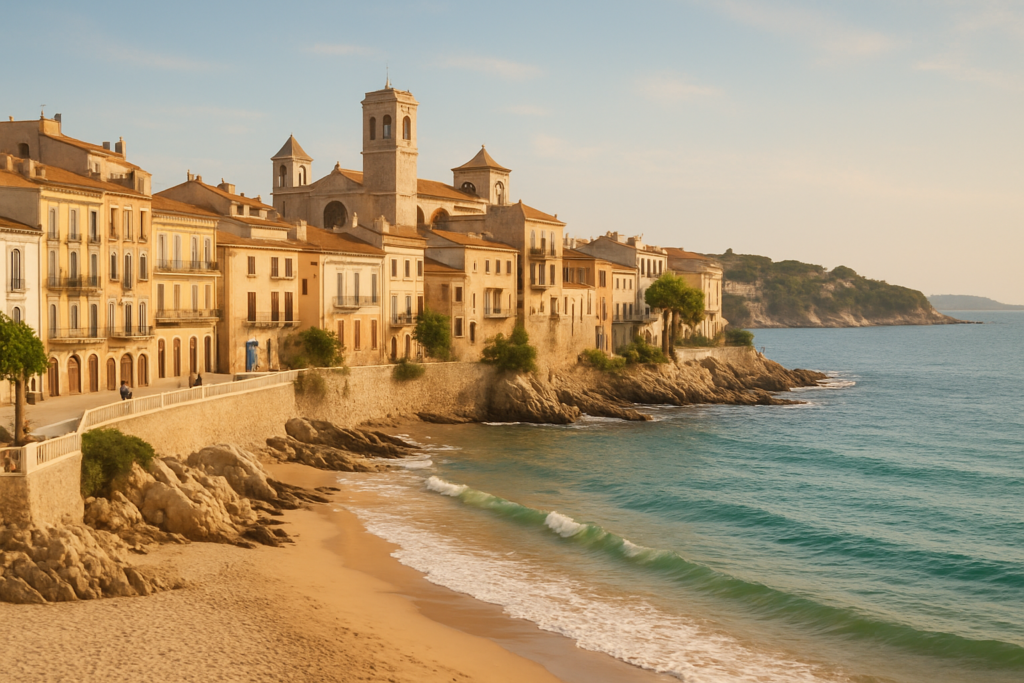
Caldes de Malavella at a glance
- Municipality in the Selva comarca of Catalonia, Spain.
- Historically very famous for its thermal baths; the thermal identity still shapes local culture.
- Nearest airport: Girona–Costa Brava Airport.
- Camiral Golf Course in the area will host the 2031 Ryder Cup.
- The railway station sits to the west of the urban centre.
- Public transport is generally accessible within the town.
Things to do in the area
There are two clear reasons most visitors come: the town’s thermal legacy and golf. Both attract different types of visitor — spa-minded wanderers and golfers looking ahead to a major event — so plan your visit around which side of the town appeals to you. The place is compact: time here is best spent exploring a few things well rather than chasing a long list of sights.
Thermal heritage — what remains and how to experience it
The town’s reputation was built on hot springs. Today that legacy is the cultural spine: you won’t find the old spa scene exactly as it may have been in its heyday, but thermal history informs local architecture, place names and a handful of restorative businesses that trade on that heritage. Expect spas and wellness offerings to focus on relaxation rather than high-volume resort facilities.
Camiral Golf — a course with an international calendar
Golf is a major local draw, and the nearby Camiral course is already on the international radar because it will host the 2031 Ryder Cup. If you play, check course access and booking well in advance: major events change availability and create demand. Off-season green fees, practice facilities and academy options vary by club — contact the venue directly for up-to-date access and rates.
Low-key town life and local walks
Beyond spas and golf the town functions as a typical small Catalan municipality: local markets, bakeries and neighbourhood streets provide easy, slow sightseeing. Walking around the centre is the simplest way to get a sense of the place; bring comfortable shoes and expect an unhurried pace.
Caldes de Malavella with kids
This is not a theme-park destination; it’s better suited to families who travel slowly and enjoy short outings. Young children can appreciate warm-water facilities if you pick a family-friendly spa. The compact size makes getting around on foot easier for small groups, and rail links make short day-trips feasible for older children. If you need activities expressly aimed at kids (amusement parks, water-parks), plan to travel to larger nearby centres.
How to get to Caldes de Malavella and get around
Rail is one of the most useful options: the town is connected to the national rail system, and there are reliable trains to the region’s main cities. The local station lies to the west of the urban centre, so plan a short taxi or walk from there into town. Buses also connect the town with nearby Girona, offering an alternative to trains for short transfers.
| From | By | Approx time |
|---|---|---|
| Barcelona | Train | About 1 hour 30 minutes |
| Girona | Train | About 20 minutes |
The railway line that serves the area runs along the Barcelona Sants–Portbou corridor, so trains can link you onward along the coast and into Catalonia’s interior. If you plan to rely on public transport, check current timetables before travel — regional services change across seasons and operators.
Where to stay
Accommodation choices lean to small hotels, guesthouses and a few dedicated spa properties or golf resorts. Pick your base according to priorities:
- Near the town centre — best for cafés, shops and short walks.
- Close to the golf complex — choose this if the course or a Ryder Cup-related visit is your reason to be here.
- Near the station (west edge) — convenient if you arrive or depart by train.
Best time to visit
There is no single “peak” season imposed by the town itself; the best time depends on what you want to do. For golf events and temperate weather choose spring or autumn; for tranquil spa retreats outside busy travel weeks choose weekday stays. If you want to combine visits to Girona or Barcelona, align your trip with milder months for comfortable city walking.
| Season | Months | What to expect |
|---|---|---|
| Spring | March–May | Milder temperatures, good for golf and day trips |
| Summer | June–August | Warmer weather; busier travel weeks in Catalonia overall |
| Autumn | September–November | Good for quieter stays and comfortable walking |
| Winter | December–February | Calmer town life; spas can be appealing in cooler weather |
History of the town
The town’s identity grew out of thermal springs that made it a notable spa destination historically. While the town today functions as a practical local centre, that thermal past continues to shape its character. In 2014 the municipality had a population of 7,130. Among people connected to the town is footballer Iván Balliu, a locally notable figure.
Practical info
Parking: street-level parking and small lots serve the town; if you’re staying near the golf complex or larger hotels they usually have parking arrangements. Connectivity: the town is linked to other Spanish cities by the rail system, and the nearest airport is Girona–Costa Brava Airport for flights bringing you in from domestic and some international points. Public transport within the town is generally accessible; trains and local buses together give you options without a car. For onward travel, the railway corridor offers direct links along the coast and inland.
Worth it for: travellers after a quiet thermal-heritage stay, golfers and visitors combining short rail trips to Girona or Barcelona. Less so if: you want beach resort nightlife, a packed itinerary of tourist attractions, or an all-in-one amusement and waterpark holiday for kids.
How we assess this guide
We build these recommendations from official transport data and verified local facts, cross-checking details such as train times and notable developments. We flag long-term changes (major events, venue status) and avoid speculative claims. This guide synthesises verifiable public information; it is not based on new on-site reporting.
Nearby on the Costa Brava
Towns near Caldes de Malavella
- Santa Coloma de Farners — 12 km west, Full guide to Santa Coloma de Farners
- Bescanó — 15 km north-west, a quiet Ter-river town just west of Girona
- Salt — 15 km north, a dense, multicultural mill town on Girona's doorstep
- Lloret de Mar — 16 km south, Lloret de Mar is the Costa Brava's biggest, busiest resort
- Tossa de Mar — 17 km south-east, Tossa de Mar on the Costa Brava has a walled
- Tordera — 17 km south-west, an inland town on the Costa Brava's southern edge
Places to visit within reach
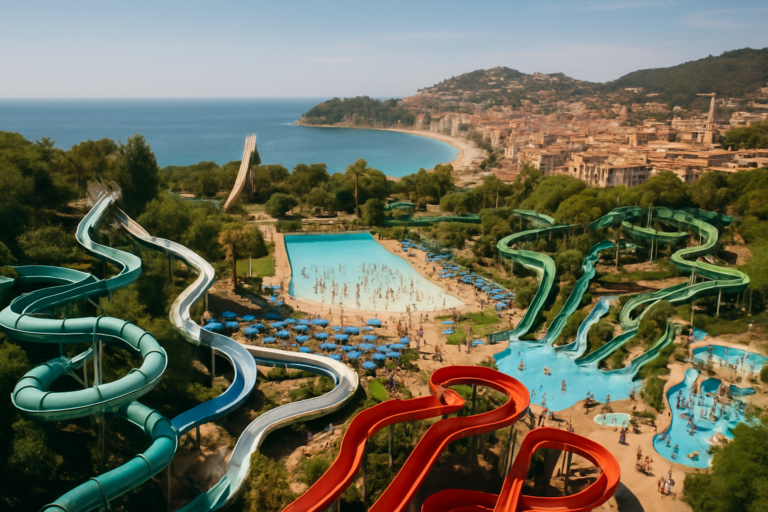
- Water World Lloret — 15 km, Water World opened in 1985 as one of Spain’s first water
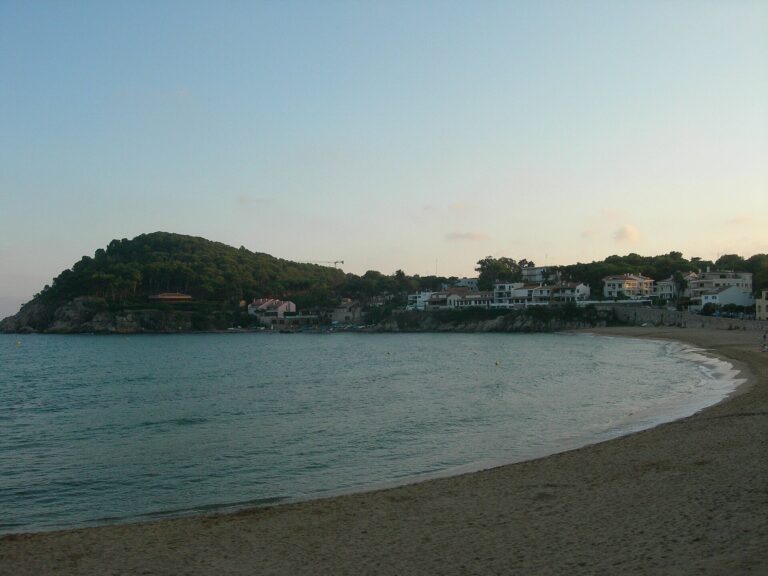
- La Fosca — 28 km, A 1272 deed recorded the right to tax fish landed
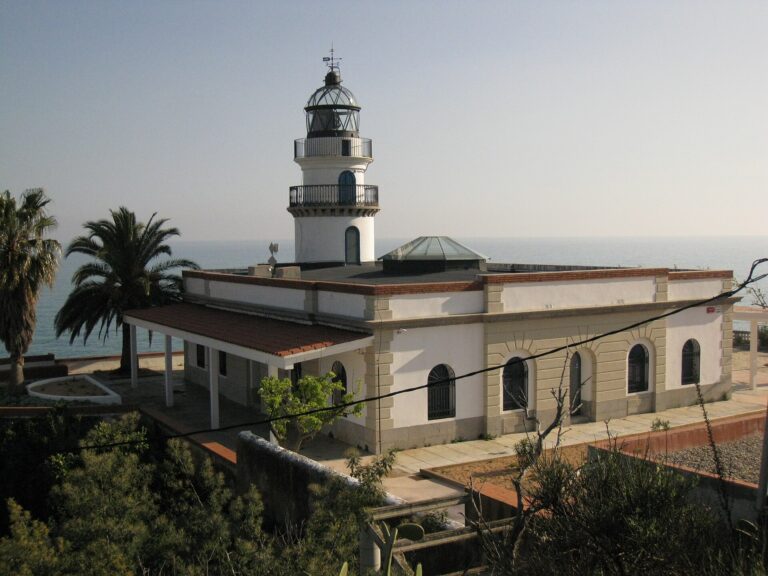
- Calella Lighthouse — 29 km, Calella’s lighthouse replaced a corsair watchtower in 1859 and still turns
- Iberian Town of Ullastret — 29 km, Ullastret was the largest Iberian city in Catalonia
For the wider picture, see the Costa Brava guide, which lists every town on this coast.
Frequently asked questions
How do I get from the nearest airport to the town?
The closest airport is Girona–Costa Brava Airport. From there you can connect by public transport into the region and then reach the town by train or bus; check airport transfer options and regional timetables.
Is the town expensive to visit?
Costs depend on your choices of accommodation and activities. The town offers small hotels and specialist golf or spa properties, so budgets vary; compare local rates before booking.
Which nearby beach is best?
This municipality is inland and better known for thermal and golf offerings. If you want beaches, plan a day trip to the Costa Brava coast using rail or road connections from the town.
How many days should I spend here?
Two to three days suit a relaxed stay focused on thermal experiences and a round of golf or local walks. Use extra days if you want to add excursions to Girona or Barcelona by train.
Is it a good place to visit with children?
Families who enjoy slower travel and simple local outings will find it suitable. For attractions geared specifically at children, you may need to travel to larger nearby towns.
Can I get around without a car?
Yes. The town has accessible public transport and a railway station that connects to regional services, making it feasible to travel in and out without driving.
Is parking available in town?
Yes. Street parking and small car parks serve the town; larger lodging and golf facilities often provide parking for guests.
What are good rainy-day options?
Indoor spa facilities and small local museums or cafés provide shelter from bad weather; check which wellness centres have family-friendly or relaxation offerings.
When is the best time to visit for golf?
Spring and autumn typically offer milder conditions that many golfers prefer. Note that the Camiral course will be a centre of attention ahead of and during major events, so availability varies.
Which rail routes serve the town?
The town sits on a rail corridor that includes the Barcelona Sants–Portbou line, enabling direct connections along the coast and to interior Catalonia.
Can I travel by bus from Girona?
Yes. There are bus connections between Girona and the town; they provide an alternative to trains for short transfers.
How long is the train to Barcelona?
The train journey to Barcelona takes approximately 1 hour and 30 minutes.
How long is the train to Girona?
By rail the journey to Girona is about 20 minutes.
Will the Ryder Cup affect visits?
The Camiral Golf Course is scheduled to host the 2031 Ryder Cup, which will increase demand and attention in advance of the event. If you’re planning travel near that time, book early and expect event-related changes to availability.
Are there any well-known people from here?
Footballer Iván Balliu is a notable person associated with the town.
Plan the wider trip
Use Girona as a gateway: its airport and rail links make it a convenient jumping-off point for regional trips. From here, rail services can carry you along the Barcelona Sants–Portbou line to cities and coastal towns if you want to continue exploring Catalonia by train.
Caldes De Malavella on the map
Places worth knowing near Caldes De Malavella
How this page is maintained. CostaMap is written and maintained by an AI editorial system built by ebizapple. Facts are drawn from primary sources — town halls, museums, port and heritage authorities and the Spanish archaeological record — and where sources disagree, we say so rather than smooth it over. Photographs marked as ours are taken on location. This page was last reviewed on 11 August 2026. Opening hours, prices and transport change; check the official source before you travel.