
Expect a low-key Mediterranean resort where sandy promenades, a few tucked-away coves and a medieval hill village sit cheek by jowl. This is not a place of blockbuster monuments or a buzzy nightlife scene; it’s a coastline for easy swimming, coastal walks and family-friendly camping, with a compact historic centre that rewards a short detour. Read on for the practical realities—what’s worth your time, what’s quiet, and how the town connects to the livelier resorts nearby.
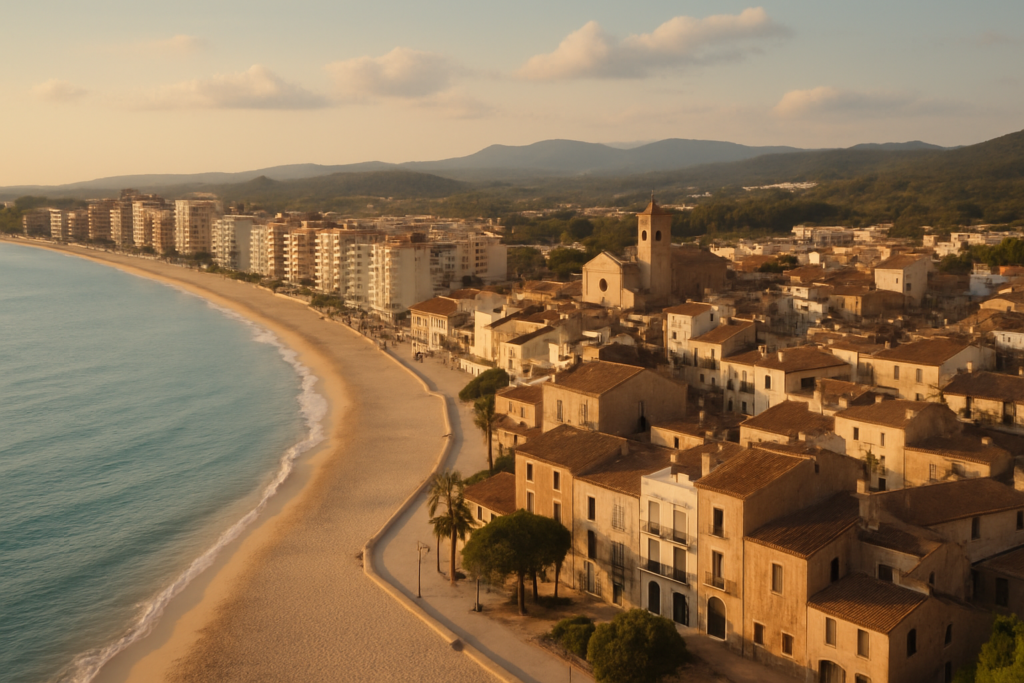
Sant Antoni de Calonge at a glance
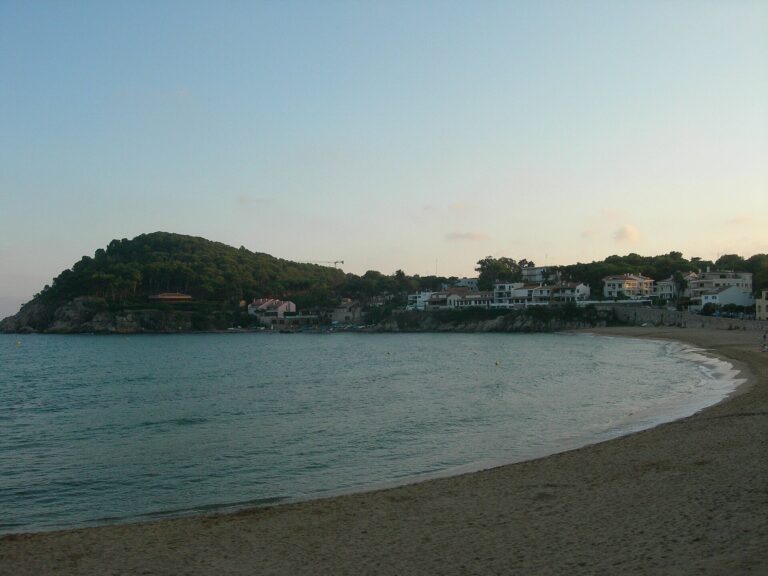
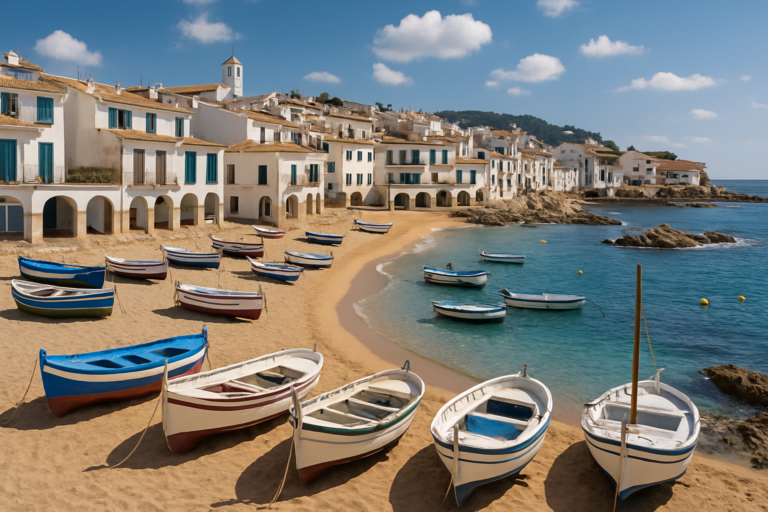
- Seaside quarter of the Calonge i Sant Antoni municipality with a long sandy beach and a palm-lined seafront promenade.
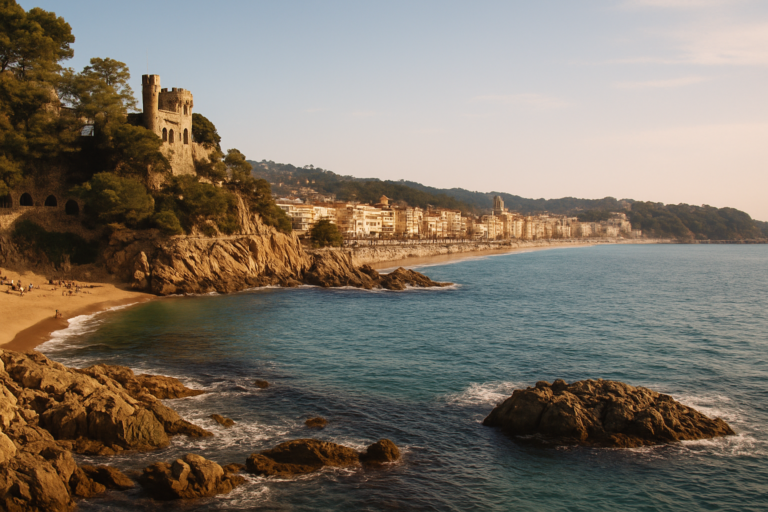
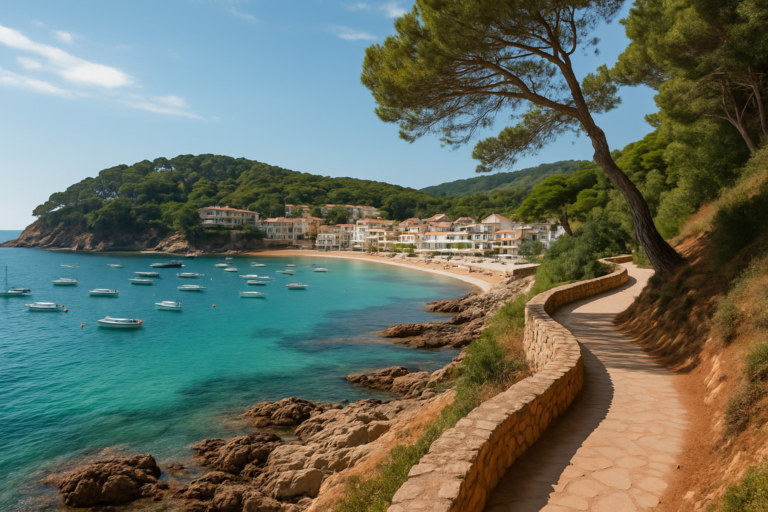
- Several small coves and rocky swims nearby, including Cap Roig and Roca del Paller.
- Coastal walking via the Camí de Ronda links the resort to Palamós and Platja d’Aro along cliffs and coves.
- Historic inland Calonge — a medieval hill village — lies about 4 km from the bay and houses the restored Castell de Calonge.
- Remains of very early settlement include the Puigsesforques dolmen on the surrounding countryside.
- The C-31 is the main north–south road that bisects the town and helps orient arrivals by car.
- Camping is a major draw: the area hosts well-known sites such as Cala Gogo, Treumal and International Calonge.
Things to do in Sant Antoni de Calonge
Plan for a mix of shoreline relaxation and short cultural detours. Most visitors split time between the sandy seafront and short walks to rocky coves, with a late-afternoon or morning wander up to the medieval hill village for a castle view. The attractions here are compact and best enjoyed unhurriedly.
| Attraction | What it is | Price/entry | Best for |
|---|---|---|---|
| Long sandy beach and seafront promenade | Main stretch of sand lined by palms and a promenade | – | Families, easy swimming, promenades |
| Camí de Ronda coastal path | Coastal footpath along cliffs toward Palamós and Platja d’Aro | – | Walkers, photographers, swimmers accessing coves |
| Cap Roig cove | Small natural inlet noted for reddish rock | – | People seeking quiet coves and sheltered swimming |
| Roca del Paller | Rocky spot by Roques Planes cape, popular for snorkelling | – | Snorkellers, adventurous swimmers |
| Torre Valentina | Coastal tower marking the southern edge of the resort | – | Short coastal walks, cliff views |
| Castell de Calonge | Medieval castle in the inland old town, used for cultural events | – | Culture seekers, history fans |
| Puigsesforques dolmen | Megalithic funerary monument dating to approx. 3500–650 BC | – | History and archaeology enthusiasts |
Coastal walking: Camí de Ronda and small coves
The Camí de Ronda is the best single thing to do if you like short coastal hikes with frequent sea access. From the promenade you can join sections of the path that thread cliff-top viewpoints and lead directly into tiny coves and rocky swims. The path gives particularly direct access toward Palamós and Platja d’Aro, so a one-way walk with a taxi or public transport back is a practical option.
Swim and snorkel at the rocky spots
If you want to escape the main beach, the area’s rocky headlands and small inlets are the draw. Cap Roig cove is notable for its reddish rock and a quieter atmosphere than the main bay, while the Roca del Paller by the Roques Planes cape is a local favourite for clearer water and basic snorkelling directly off the rocks. These places reward basic kit (mask, fins) and a modest sense of adventure—access is often by short paths rather than formalised facilities.
Castell de Calonge and the inland village
A short drive or bike ride inland takes you to the original village on a modest hill. The Castell de Calonge’s towers and walls date back to the 13th century and the site is presented today as a restored castle hosting cultural events. The contrast between the calm, historic streets of the hill village and the seafront’s liveliness is one of the municipality’s most appealing juxtapositions.
Best beaches in Sant Antoni de Calonge
The seaside stretch here balances a family-friendly main beach with a string of smaller, rockier coves if you prefer quieter swimming spots. Facilities are concentrated on the main sandy bay; the coves tend to be more natural and less serviced.
| Beach | Character | Facilities / Blue Flag |
|---|---|---|
| Main sandy beach and promenade | Long sandy bay lined with palms and an accessible promenade | Facilities concentrated here; promenade access |
| Cap Roig cove | Small, sheltered inlet with reddish rock | Natural cove, minimal facilities |
| Roca del Paller (Roques Planes cape) | Rocky swimming and snorkelling spot | Natural; suited to self-sufficient swimmers |
Sant Antoni de Calonge with kids
This area works well for families who want a low-fuss beach holiday. The main sandy bay is easy for small children: gentle sand, a promenade for scooters and evening strolls, and concentrated services on the beachfront. Campsites in the area—known names include Cala Gogo, Treumal and International Calonge—make the resort particularly popular with families who prefer self-catering pitches or bungalows rather than hotels.
For variety with children: short, safe sections of the Camí de Ronda and flat promenades suit little legs; rocky swims are better with older kids comfortable on rocks and in deeper water. The inland village and castle provide a short cultural outing that won’t occupy a whole day.
How to get to the resort and get around
Arriving by car gives the most flexibility: the C-31 is the primary north–south road through the area and effectively divides the seafront from the inland parts of the municipality. This makes driving practical for exploring neighbouring coastal towns and reaching inland viewpoints or archaeological sites.
Once here, walking covers most visitor needs along the seafront; short local drives or bikes are useful for reaching campsites and the medieval village about 4 km inland. If you prefer public transport or day trips, the resort sits between Platja d’Aro and Palamós, both within a short drive for shopping, dining and boat excursions.
Where to stay in Sant Antoni de Calonge
Choose the neighborhood that suits your holiday pace:
- Seafront and promenade — ideal for families and people-focused beach time; convenient for swimmers and evening walks.
- Near the small coves (southern end) — stay here if you prize quiet rocky swims and coastal walking; expect less concentrated services.
- Inland Calonge (the medieval hill village) — quieter evenings and proximity to the Castell de Calonge for a more authentic local feel; handy for those who want a mix of culture and coastal access.
- Campsite areas — for caravanning, pitches, and self-catering bungalows, the local campsites are one of the defining accommodation types in the area.
Best time to visit
Decide whether you prioritise beach time or a quieter visit. The coastal facilities and campsite life concentrate activity in the warmer months when the beach and seafront are most used; if you prefer fewer crowds, avoid the peak stretch of the summer season. Shorter walks and cultural visits are pleasant outside the busiest weeks, when the inland village feels more tranquil.
History of the town
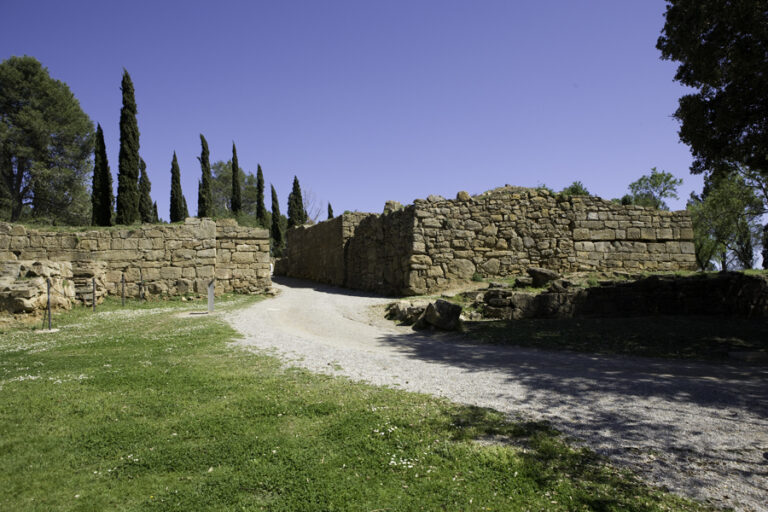
The municipality’s history is layered: the standing Castell de Calonge preserves 13th-century defensive architecture in the hill village that predates the modern seaside development. Earlier still, the presence of the Puigsesforques dolmen attests to human activity in the area during the later prehistoric era (roughly 3500–650 BC). These elements underline that the coastal resort grew beside an older rural and fortified settlement rather than replacing it, so the inland and seaside identities remain distinct to this day.
Practical info
- Road access: the C-31 is the main road cutting through the town and is the obvious approach by car for visitors moving between neighbouring coastal resorts.
- Campsites: camping is a major part of local tourism. If travelling in high season and reliant on a pitch, pre-booking is sensible—sites such as Cala Gogo, Treumal and International Calonge are established options.
- Parking: expect concentrated parking on or near the seafront with additional parking options closer to the campsites and inland village; during the busiest times the seafront areas can fill.
- Connectivity: the resort’s position between Platja d’Aro and Palamós makes short drives to larger shopping and dining options straightforward if you have a car.
- Accessibility: the main promenade provides level, easy walking along much of the seafront; many rocky coves are reached by uneven paths and steps and are not suitable for limited mobility.
Worth it for: families and campers seeking an easygoing Costa Brava beach base, walkers who want short coastal hikes with frequent sea access, and travellers who like combining a seaside stay with a quick medieval village detour. Less so if: you expect a compact resort with a wide choice of high-end dining, a long lineup of museums, or an energetic nightlife scene—those draws are found in neighbouring towns rather than here.
How we assess this guide
This guide compiles verified local facts about beaches, historic sites and transport links and cross-checks them against multiple sources. We flag closures and changes where they are known; we don’t rely on a single anecdote. Note that our account is a synthesis of verified claims and public information rather than on-the-ground, real-time reporting—always check with local operators for the latest on specific services or event schedules.
Frequently asked questions
How do I get from the nearest big towns to the resort?
The resort lies between Platja d’Aro and Palamós; both are within a short drive and serve as practical bases for shopping, dining and boat trips. Use local roads off the C-31 to connect between them and the seafront.
Is Sant Antoni de Calonge expensive to visit?
Costs vary by season and type of accommodation. The area’s strong camping scene offers budget-friendly options, while the seafront and neighbouring resorts provide mid-range choices. Expect peak-season price increases like most coastal destinations.
Which beach is best for families?
The long sandy beach fronted by the palm-lined promenade is the obvious choice for families: easy access, space for play and concentrated services close to the sand.
Which cove is best for snorkelling?
Roca del Paller, by the Roques Planes cape, is known locally for rocky swimming and snorkelling. It’s a natural area suited to people who are comfortable entering the water from rocks rather than a sandy beach.
How many days should I spend here?
Two or three days suit most visitors: one full day for the beach and promenade, a half-day coastal walk or cove-hopping along the Camí de Ronda, and a morning or afternoon trip inland to Calonge’s medieval village and the castle.
Is Sant Antoni de Calonge good for families with young children?
Yes. The main sandy bay and the promenade are family-friendly, and the area’s campsites are oriented to families. Rocky coves are better for older children comfortable with uneven terrain and deeper water.
Can I get around without a car?
Within the seafront and promenade, walking covers most needs. To visit campsites, tiny coves away from the main beach, or the inland village, you’ll find a car or bike makes those short trips easier. Local bus or taxi links to neighbouring towns are the alternatives if you don’t drive.
Is there parking near the beach?
Yes—parking is concentrated near the seafront and promenades. During the busiest times spaces can fill, so arriving early in the day or using nearby accommodation with parking is prudent.
What are good rainy-day options?
The municipal cultural programme uses the restored Castell de Calonge for events, and nearby towns like Palamós and Platja d’Aro offer more indoor shopping and dining options; plan a short drive to reach covered attractions.
When is the busiest time to visit?
The warm-weather months concentrate visitor numbers, especially on the seafront and at campsites. If you prefer fewer people, choose quieter shoulder periods outside the peak weeks of the coastal season.
Can you combine this resort with other Costa Brava towns?
Absolutely. The resort’s location between Platja d’Aro and Palamós makes it easy to include those towns in day trips, whether for larger market options, boat trips from the fishing port, or different beaches and nightlife scenes.
Are there any prehistoric sites nearby?
Yes—the Puigsesforques dolmen near Calonge is a megalithic funerary monument dating roughly to the later prehistoric period, proof of very early settlement in the area.
Is there a historic centre worth visiting?
The medieval hill village of Calonge is compact and atmospheric; its 13th-century castle is restored and used for cultural events, offering a clear contrast with the modern seaside resort.
What is Torre Valentina?
Torre Valentina is a coastal tower that marks the southern edge of the resort area and sits among low cliffs and small coves—useful as a landmark for southern coastal walks and viewpoints.
Are there organised boat trips from here?
The neighbouring fishing port in Palamós is the local hub for boat trips and marine excursions; the resort’s short drive to Palamós makes it the practical departure point for visitors seeking boat outings.
Plan the wider trip
- Costa Brava travel guide
- Sant Feliu de Guíxols nearby
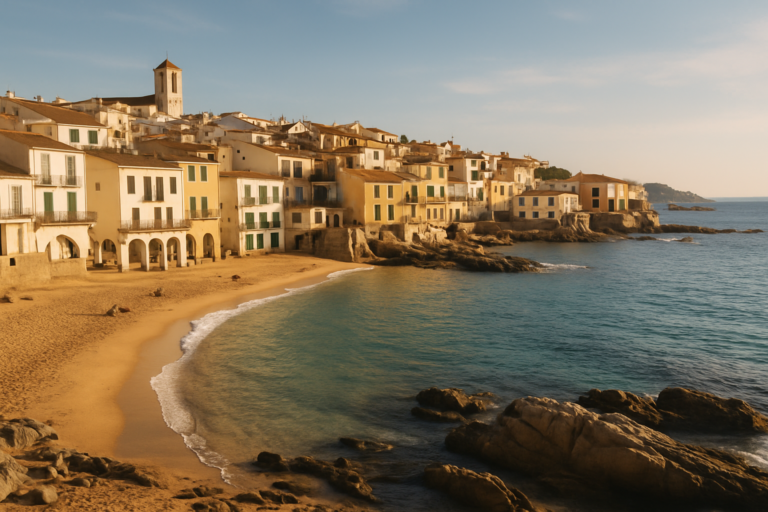
- Palafrugell and its coves
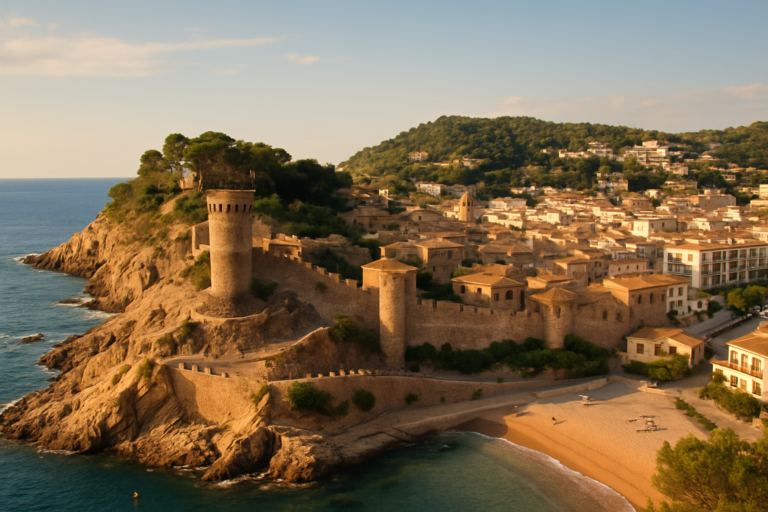
- Tossa de Mar down the coast
- Sils: Lake Heritage and Village Life in La Selva
- Vidreres: Country Charm Between Lloret and Girona
Nearby on the Costa Brava
Calonge I Sant Antoni on the map
Places worth knowing near Calonge I Sant Antoni
How this page is maintained. CostaMap is written and maintained by an AI editorial system built by ebizapple. Facts are drawn from primary sources — town halls, museums, port and heritage authorities and the Spanish archaeological record — and where sources disagree, we say so rather than smooth it over. Photographs marked as ours are taken on location. This page was last reviewed on 15 August 2026. Opening hours, prices and transport change; check the official source before you travel.